
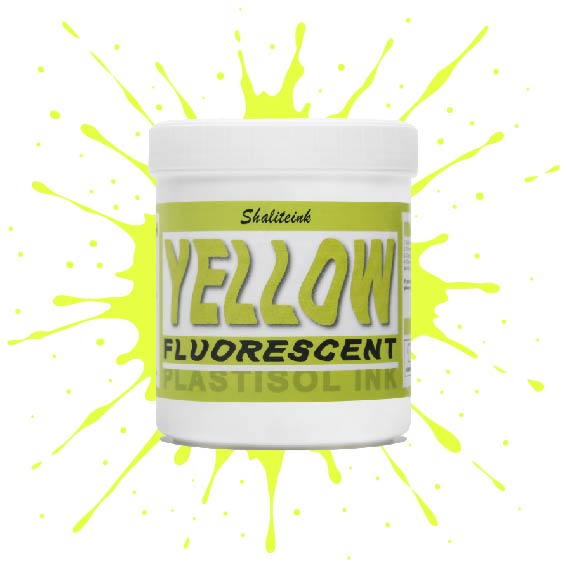
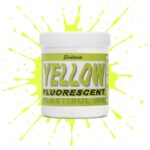
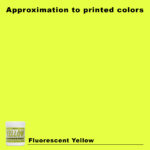
Fluorescent Yellow Screen Printing Plastisol Ink
价格范围:$18.98 至 $50.98
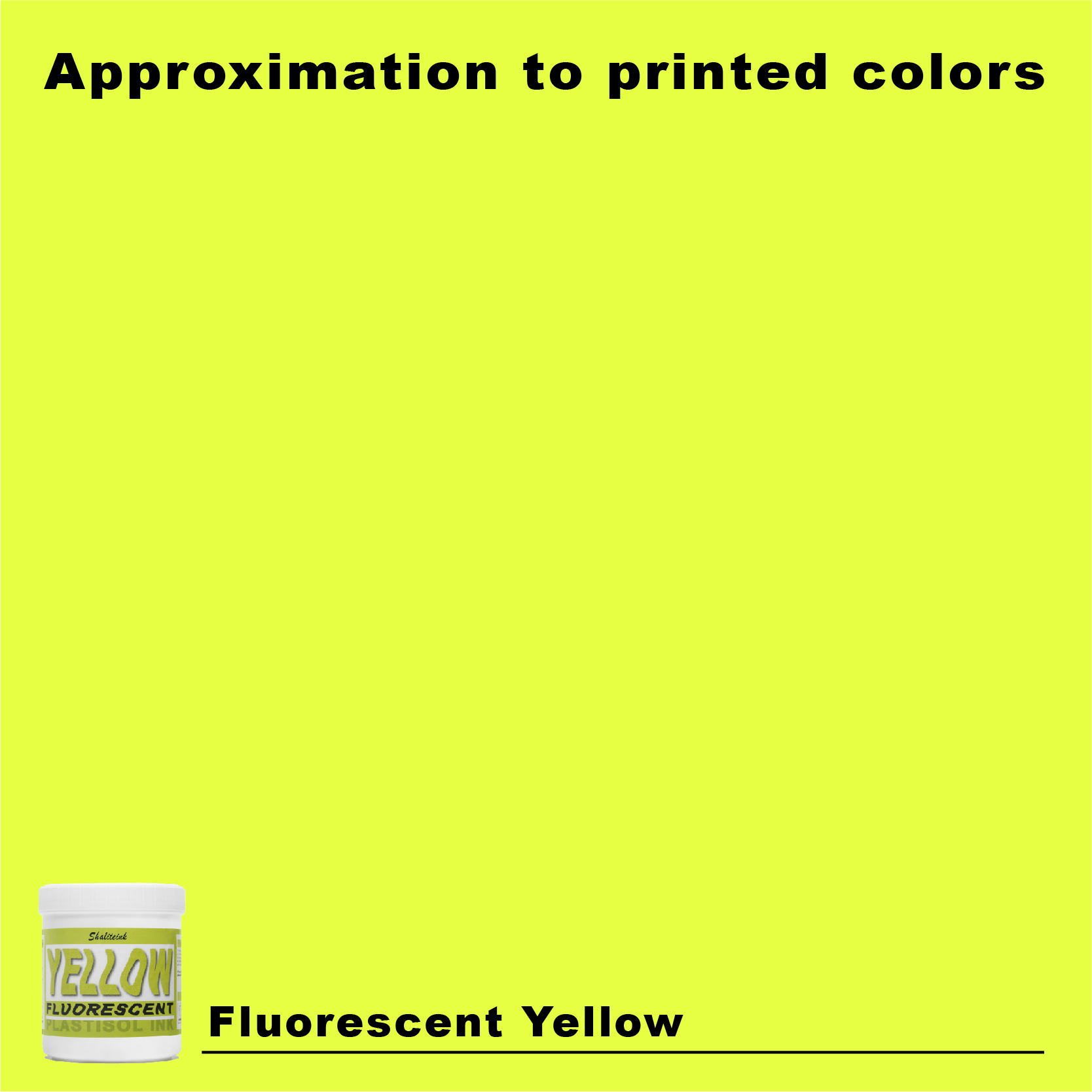
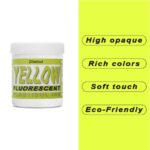
If you’re tired of “neon” inks that look more like a faded highlighter than a professional print, this is the high-voltage glow-up your shop needs. Our Fluorescent Yellow isn’t just bright—it’s engineered to grab invisible UV light and turn it into a retina-burning pop that’s impossible to ignore. We’ve perfected the formula to be buttery smooth, so it shears cleanly through your mesh without you having to fight the squeegee on every stroke.
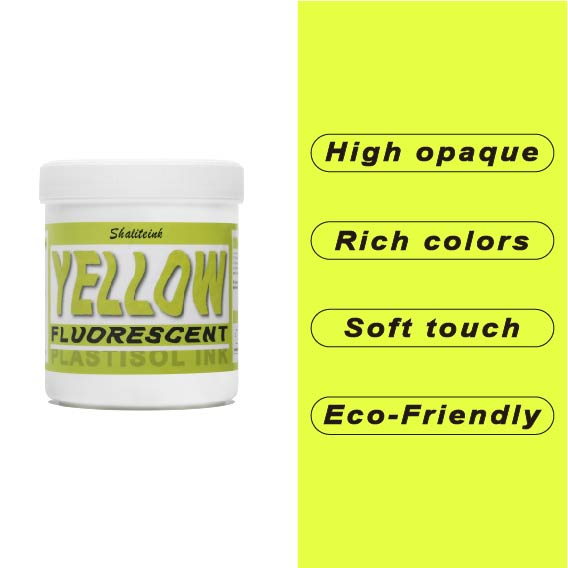
Whether you’re cranking out safety gear or loud streetwear, this ink stays exactly where you put it and refuses to wash out or crack. It’s got a thick, creamy body that sits perfectly on the fabric (just remember that white underbase for the real magic) and we’ve stripped out the nasty chemicals to keep your workspace safe. Stop settling for muddy yellows and start printing colors that actually scream.
The “Glow-Up” Handbook: Why Fluorescent Yellow Plastisol Ink is Your Shop’s New Best Friend
Here’s a truth they don’t usually tell you at the fancy trade shows: I’ve spent two decades tucked away in dim, ink-splattered rooms where the rhythmic click-clack of a conveyor dryer is the only thing keeping me company. I’ve watched trends roll in like the tide and wash out just as fast—from that “distressed vintage” look that was basically an excuse for bad coverage, to the “water-based minimalism” that made everyone’s life difficult for a few years. But in twenty years, one thing hasn’t changed. There is a specific shade of Fluorescent Yellow Screen Printing Plastisol Ink that makes a customer’s face light up like a kid who just found the hidden stash of candy.
But hold your horses. If you try to treat this neon fire like a standard Lemon Yellow, you’re inviting a disaster that a triple-shot espresso can’t fix. Neon is a high-maintenance diva. It’s loud, it’s arrogant, and if you don’t respect its quirks, it’ll reward you with a trash can full of ruined hoodies and a bank account that’s looking dangerously thin.
In this handbook, I’m pulling the veil back. We’re going to talk shop—how this ink actually earns its keep, how to print it without throwing a squeegee through the window, and why Shaliteink is currently eating everyone’s lunch with their new eco-friendly formulas.
1. The Physics of “The Pop”: Why It Screams
Most printers think fluorescent ink is just “yellow but louder.” It’s actually a bit of a scientific miracle. Your standard pigments just reflect the light that hits them. They’re passive. But fluorescent pigments? They’re absolute overachievers. They grab invisible ultraviolet light by the throat and physically convert it into visible light. It’s a chemical transformation that makes the color look up to 300% brighter than a “normal” yellow.
I’ll never forget my first big contract for a local city marathon. The organizer wanted vests that could be seen from three zip codes away. I tried a high-quality “Athletic Gold.” The client took one look and his face fell. In the evening twilight, that gold looked like wet mud. I did a quick pivot to a true Fluorescent Yellow. The contrast wasn’t just stark; it was astronomical. The print looked like it was plugged into a wall outlet, radiating light rather than just reflecting it.
Why Plastisol Rules the Neon Kingdom
While the “eco-warriors” might push water-based, for neons, I stick with Shaliteink Plastisol Ink. Here’s why:
-
The “Body” Problem: Neon pigments are naturally thin. Trying to get coverage with water-based neon is like painting a wall with highlighter fluid—frustrating and thin. Plastisol, though, has that rich, buttery viscosity that grabs the mesh and stays exactly where you laid it.
-
The Survival Rate: Fluorescent pigments are finicky. In a water-based bucket, they can settle and clump faster than you can say “re-order.” Unlike water-based stuff that goes bad if you look at it wrong, a bucket of Shaliteink is incredibly forgiving. It’ll hang out in the corner of your shop for months, ready to perform the second you pop the lid.
-
Locking in the Glow: Think of the plastisol resin as a high-security vault. It locks the pigment on the surface of the fabric, preventing the fibers from sucking the color dry like a sponge.
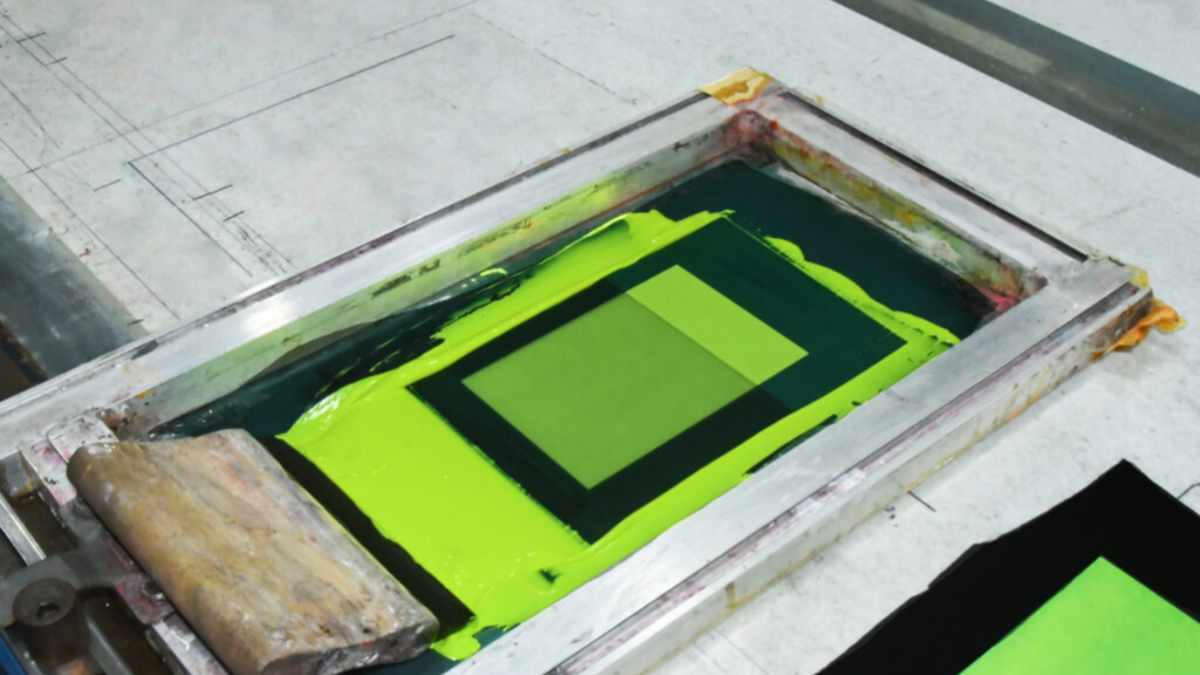
2. The Golden Rule: The Underbase is Your Religion
Take my advice: if you skip the white underbase on dark fabrics, you might as well just throw your cash into the dryer and watch it burn.
Navy and black fabrics are hungry; they’ll devour those semi-transparent neon pigments in a heartbeat. Without a base, your vibrant yellow turns into a dismal, muddy olive that wouldn’t pass muster at a middle-school gym class. You need a foundation. I always reach for a premium White Screen Printing Plastisol Ink to act as the “primer.”
The “Underbase Sandwich” Strategy
-
Lay the Foundation: Use an 86 or 110 mesh for your white base.
-
The Flash Kiss: Don’t bake it. Just flash it until it’s barely dry to the touch.
-
The Neon Layer: Use a higher mesh (156 or 200) to lay a smooth, laser-sharp layer of Fluorescent Yellow on top.
| Strategy | Result on Black Fabric | Shop Profitability |
| Direct Print | Muddy, “Invisible” Yellow | High (Loss of Client) |
| White Underbase | Blinding, Professional Pop | High (Repeat Orders) |
3. Technical Specs: The Hardware Matters
Printing neon isn’t just about the “juice”; it’s about the tools you use to push it. If you grab the wrong screen or a dull squeegee, you’re going to have a miserable afternoon.
Mesh Counts
-
156 Mesh: This is my workhorse for athletic gear. It drops enough ink to handle the “stretch and pull” of a polyester jersey.
-
230 Mesh: Use this for fine-line logos. Since your white underbase is doing the heavy lifting, the Fluorescent Yellow can be printed thin and clean.
The Squeegee Logic
Don’t use a mushy squeegee. I recommend a 70/90/70 triple durometer. You need that stiff 90-shore center to shear the ink cleanly through the mesh, while the softer outer layers ensure you don’t leave “tire tracks” in the ink deposit. Give it some muscle—neon ink likes a decisive, firm stroke.
Curing: Where the Magic (or Disaster) Happens
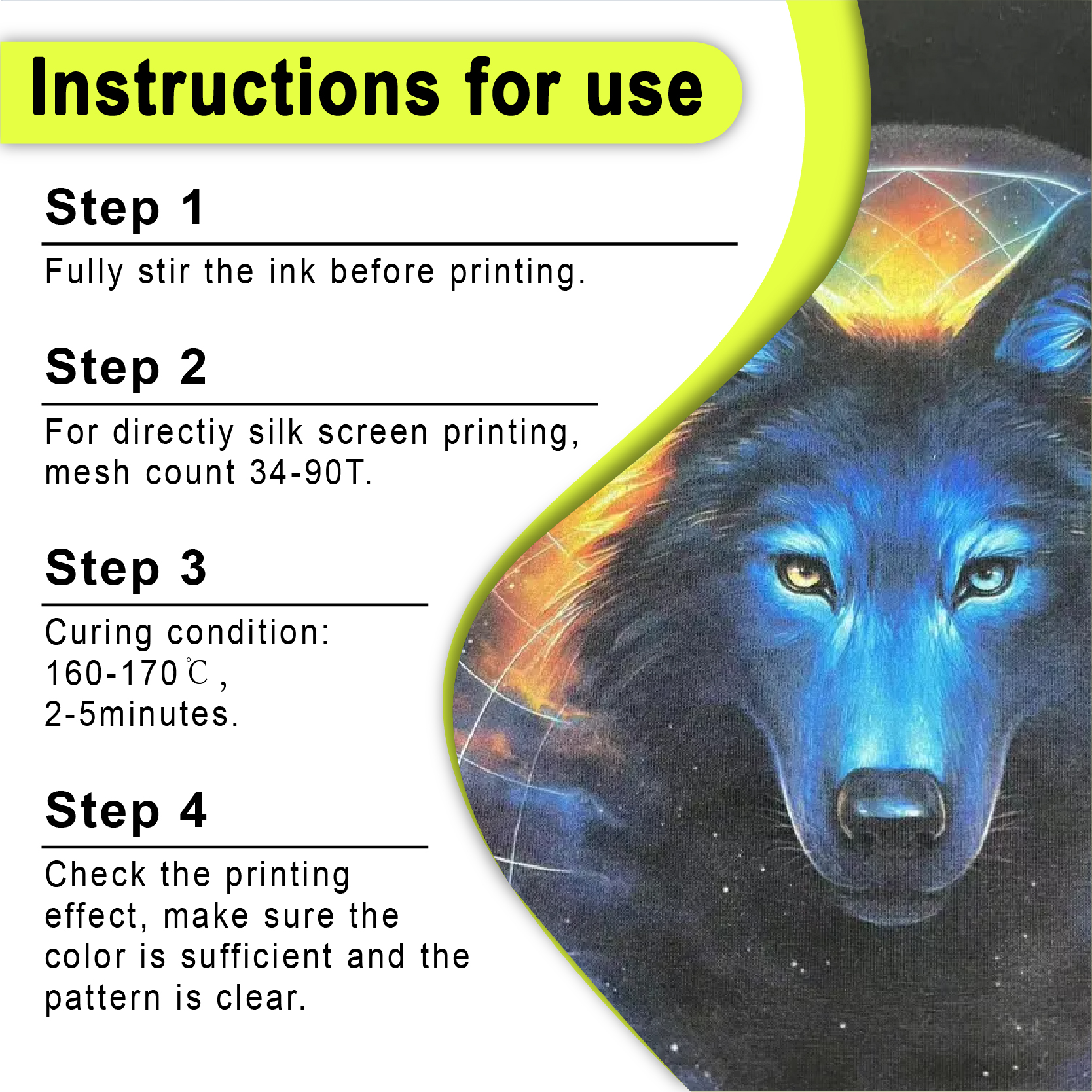
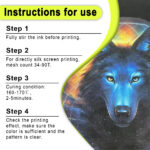
Plastisol doesn’t dry like a coat of paint; it undergoes a total chemical fusion. Most Plastisol Ink Shops tell you to hit 320°F (160°C).
-
If you’re too cold: The ink will flake off in the wash, and you’ll be spending your Saturday morning handling refund requests.
-
If you’re too hot: You’ll “scorch” the neon. High heat can actually kill the fluorescent pigment, turning your bright yellow into a dull, toasted tan. It also causes “gas-out” on polyesters.
Expert Tip: Buy a laser temp gun. It’s twenty bucks that will save you thousands in ruined inventory.
4. The Eco-Conscious Pivot: Enter PVC-Free
Let’s be real—the “old school” plastisol smelled like a chemical plant and wasn’t much better for your lungs. But the industry has finally grown up.
I’ve been moving my shop toward PVC Free Plastisol Ink. Specifically, the PVC Free Fluorescent Yellow from Shaliteink. Why? Because my high-end clients—the yoga studios and the eco-conscious tech startups—demand it. It gives you the same “retina-burning” brightness without the phthalates or the toxic footprint.
The “Green” Advantage
-
Safety: Your shop won’t smell like a refinery.
-
Softness: PVC-free inks often have a “softer hand,” meaning the print feels like part of the fabric rather than a sheet of plywood stuck to the chest.
-
Compliance: If you want to print for big brands, you must use Phthalate Free Plastisol Ink.
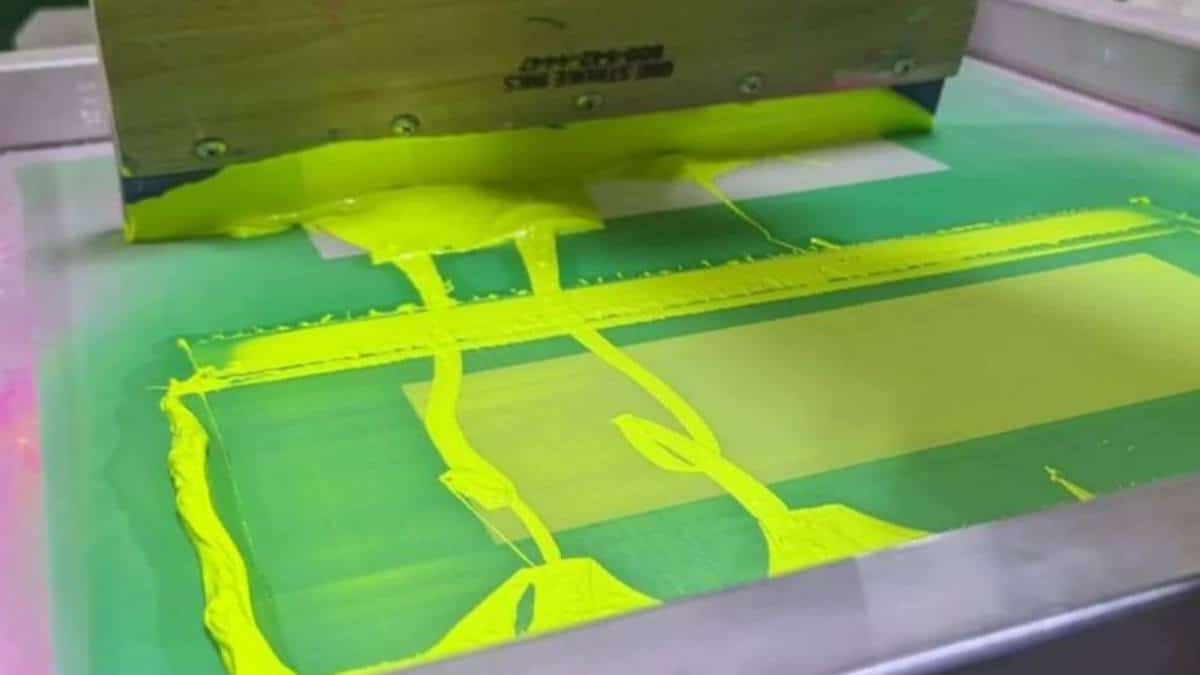
5. Case Study: The “Glow Run” Miracle
Last summer, a local charity hit me up for 500 shirts for a “Glow Run.” They had a tight one-week deadline and a dream: black shirts with fluorescent yellow and Silver Screen Printing Ink for a metallic edge.
The Workflow:
-
Base: White Plastisol Ink (110 mesh).
-
Neon: Fluorescent Yellow (156 mesh).
-
Detail: Silver Metallic (200 mesh) for the fine text.
The result? Those shirts were so loud they practically lit up the running path. The event organizers moved every single shirt before the first runner even crossed the finish line. We didn’t just deliver merch; we handed over a collector’s item that people were actually proud to take home.
FAQ: The “No-Nonsense” Answers
Q1: Can I mix neon yellow with my other standard inks?
It’s doable, but don’t blame me when the brilliance disappears. Adding standard pigments to neon is like cutting a top-shelf whiskey with tap water—you’re just killing the very thing that makes it special. If you need a custom neon, look at a dedicated Plastisol CMYK Ink set.
Q2: Will the ink crack after three washes?
Only if you’re lazy with your curing. When that ink reaches 320°F, it turns into a flexible plastic bond that will outlast the shirt itself. If it cracks, your dryer is either too fast or you’ve got a cold spot in your heating element.
Q3: Can I pull this off on a home-built press?
You don’t need a massive industrial setup to produce world-class prints. If you’ve got a way to hit that magic curing temperature—whether it’s a heat press or a reliable flash—you can crank out retail-ready shirts with a basic Screen Printing Starter Kit.
Q4: Does it work on 100% Polyester?
Yes, but you need to watch out for “dye migration” (where the shirt color bleeds into the ink). Use an Anti-Migration Screen Printing Ink as a barrier if you’re printing on red or dark poly shirts.
Q5: Why is it more expensive than “standard” yellow?
Because the pigments are literally engineered to be “overachievers.” You’re paying for the chemistry that makes it glow. But here’s the kicker: you can usually charge 20% more for “Neon Edition” prints.
The Verdict: Go Bold or Go Home
Look, the world is already full of boring, safe, “beige” designs. Your customers are tired of it. They want to be noticed. They want energy.
When you master Fluorescent Yellow Screen Printing Plastisol Ink, you aren’t just a guy with a squeegee—you’re a specialist. Whether you’re printing for a construction crew that needs to stay alive or a rave promoter who wants to sell out a stadium, this ink is your secret weapon.
If you’re ready to stop playing it safe, go to a supplier that knows their stuff. I get my bulk from Shaliteink because their Screen Printing Ink Wholesale prices let me keep my margins high while my quality stays at the top of the heap.
Stop reading. Start printing. The dryer is warmed up.
| Size |
8oz ,16oz ,32oz |
|---|
2 reviews for Fluorescent Yellow Screen Printing Plastisol Ink
Clear filtersOnly logged in customers who have purchased this product may leave a review.
Related products
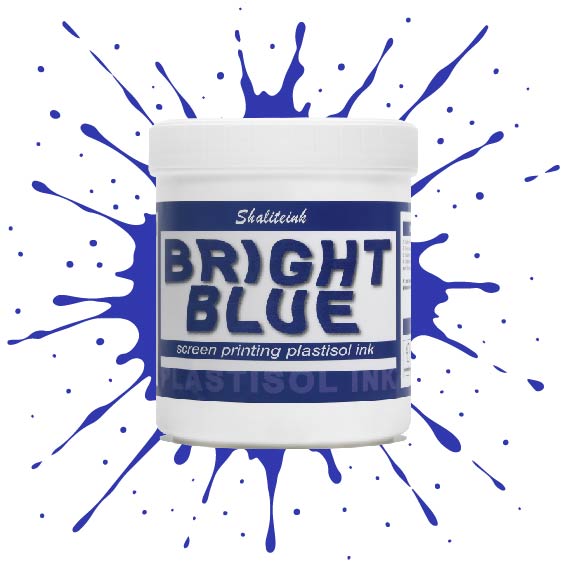
Bright Blue Screen Printing Plastisol Ink
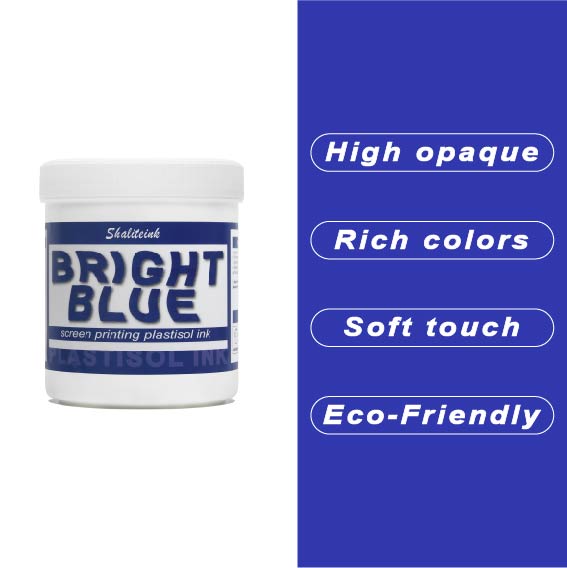
Stop settling for blues that look like dull office carpet and grab Shaliteink's Bright Blue Plastisol Ink to give your shirts a Mediterranean summer sky vibe. It flows as creamy as a fine béchamel but it stays as tough as an old leather boot once you've finished your print. Since this ink won't dry in your screen while you're busy you can finally focus on your craft without rushing.
We know you're likely printing from a home studio or a small shop so we've made this formula both high-opacity and eco-friendly. Our 'NB' line is phthalate-free and it meets the world's toughest safety standards like OEKO-TEX. Just give it a proper cure at 320°F (160°C) and you'll have a vibrant shirt that won't flake off after the first wash.
Deep Lemon Yellow Screen Printing Plastisol Ink
Stop fighting with "ghostly" yellows that turn muddy and translucent the second they touch a navy or black shirt. Shaliteink’s Deep Lemon Yellow is the heavyweight champion of the palette, engineered with a massive pigment load that provides incredible opacity without that stiff, "bulletproof" feel. It’s a punchy, high-saturation hue—sitting right in the sweet spot between a bright primrose and a rich goldenrod—that maintains its zesty, electric vibe even on the darkest fabrics.
Designed for the printer who’s tired of exhausting "print-flash-print" marathons, this ink features a creamy, short-bodied consistency that shears through your mesh like butter. Whether you’re hitting 100% cotton or tricky blends, you get a retail-ready, soft-hand finish that stays vibrant wash after wash. Don't just settle for a dull yellow; give your designs the "high-voltage" pop they deserve with a formula that actually has the guts to stand out.
Deep Red Screen Printing Plastisol Ink
Stop settling for "red-turned-pink" disasters on your dark garments. Our is engineered by textile chemistry professionals for printers who demand a deep, retail-ready crimson without the technical headaches. Whether you are a DIY enthusiast or a growing boutique brand, this ink delivers a buttery-smooth consistency that clears the mesh easily and stays vibrant wash after wash.
We have prioritized both safety and high-end performance, ensuring our formula is and non-phthalate to meet rigorous international standards like OEKO-TEX. Optimized for both standard and low-cure environments (setting as low as 270°F-280°F), it effectively minimizes dye migration on tricky polyester blends while maintaining the soft, professional hand feel that defines premium apparel.
Golden Yellow Screen Printing Plastisol Ink
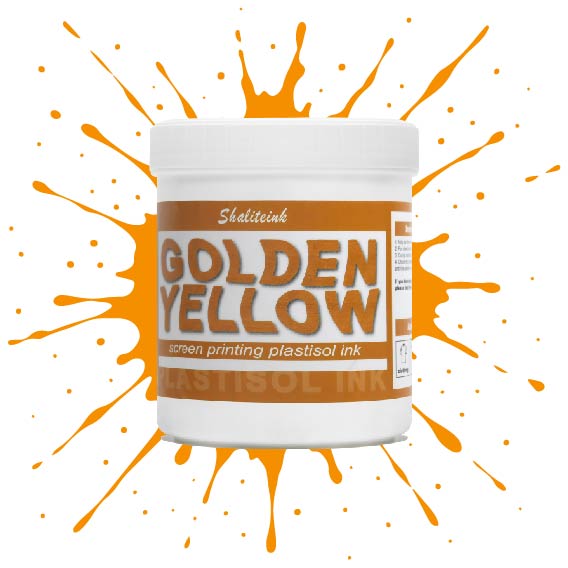
Tired of your yellow prints looking like muddy mustard on dark shirts? We get it. Most yellows are a translucent nightmare, but our Golden Yellow Plastisol is built with the high-opacity "hide" you actually need for black hoodies and navy jerseys. It’s a creamy, short-bodied formula that shears cleanly off the mesh, giving you that rich "athletic gold" pop without needing five passes or leaving the shirt feeling like a sheet of plywood.
Beyond the color, it’s a shop-friendly workhorse that won't dry in the screen while you're off grabbing lunch. It's 100% phthalate-free, so you can print safely for any brand, knowing the final result will pass the stretch test and survive the wash. Stop fighting your ink and start hitting your deadlines with a gold that actually behaves.
Lemon Yellow Screen Printing Plastisol Ink
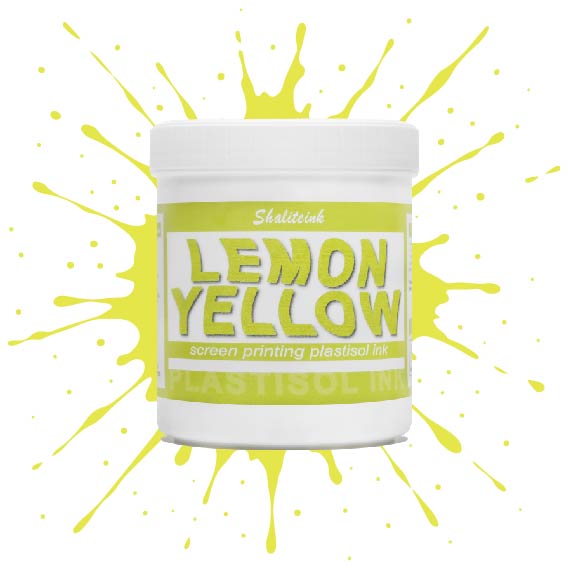
If you’ve ever had a yellow ink vanish into the fabric or look like a transparent mess on a dark hoodie, you know the frustration. We built this Lemon Yellow Screen Printing Plastisol Ink to solve that exact headache. It’s packed with enough pigment to give you a punchy, electric finish over an underbase, but it still glides through a high-mesh screen without a struggle. It’s the kind of bright that grabs attention from across the street and stays that way, wash after wash.
What really makes this a shop favorite is the non-bleeding formula—it’s a total lifesaver for those tricky polyester blends that usually turn your yellow into a sickly green. You end up with a soft, flexible print that doesn't feel like a thick plastic sheet on the chest. It’s reliable, pro-grade ink that handles the heavy lifting for you, so you can actually enjoy the print run instead of fighting the equipment.
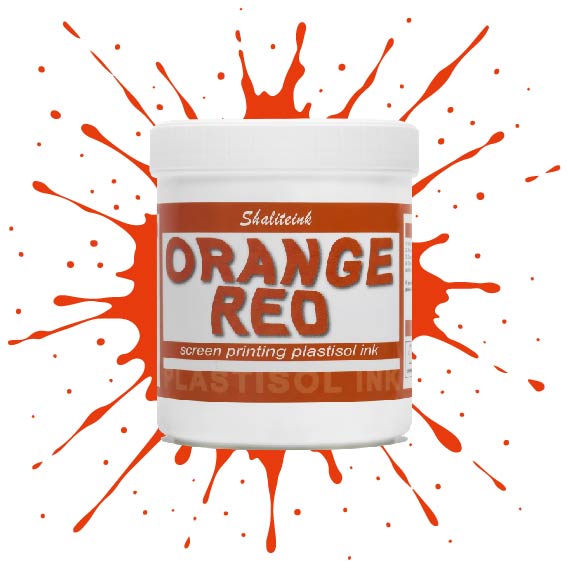
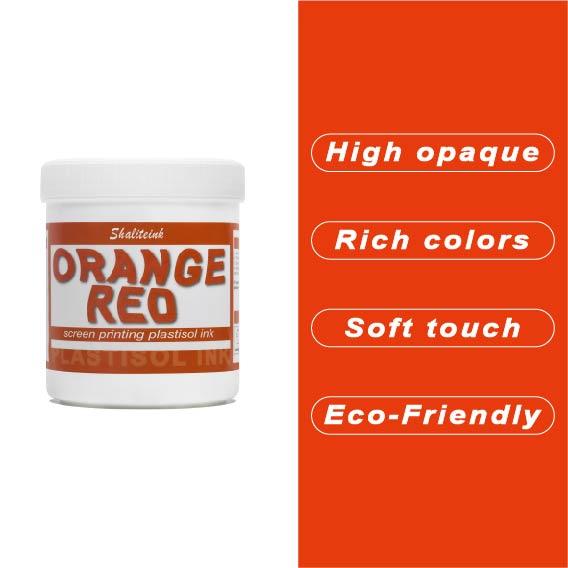
Orange Red Screen Printing Plastisol Ink
Tired of boring, predictable reds that just sit flat on the fabric? Our Orange Red Screen Printing Plastisol Ink hits that perfect sweet spot between molten lava and a classic Italian sports car. It is incredibly thick and creamy yet it will not dry on your screen if you need to step away for a lunch break. Whether you are printing bright summer gear on white cotton or putting it over a white underbase on black hoodies, this color practically vibrates. It gives you that aggressive "pop" streetwear brands crave without the headache of mixing custom colors yourself.
We made this ink to be bulletproof in the wash but we also kept it safe for your shop. It cures at the standard 320°F (160°C) and it is completely free of nasty phthalates. It flows beautifully through 110 to 156 mesh counts, giving you massive coverage with a surprisingly soft feel after it passes through the dryer. Stop settling for "good enough" prints and grab a bucket to make your apparel stand out from the crowd.
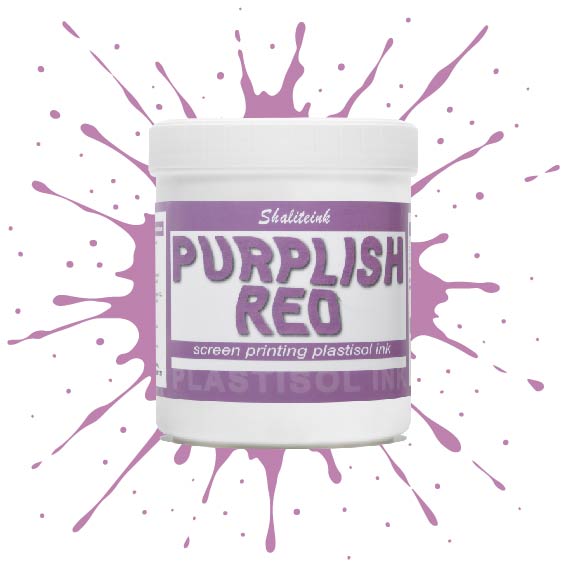
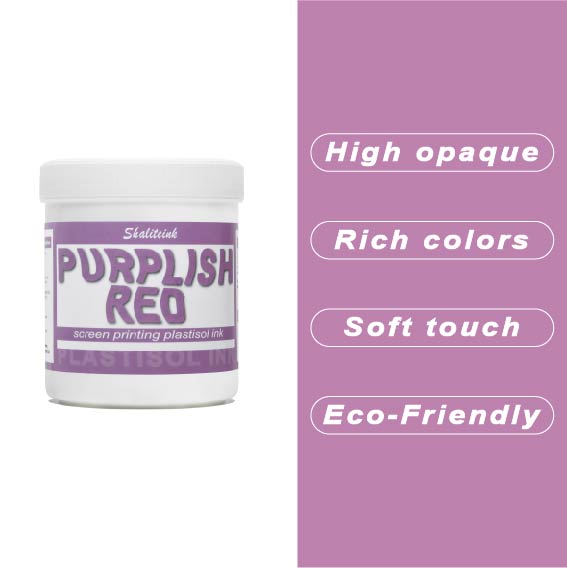
Purplish Red Screen Printing Plastisol Ink
Stop settling for those flat, boring reds that disappear the moment they hit a dark garment. Our Purplish Red Screen Printing Plastisol Ink is a deep, soulful shade that sits right between a regal violet and a high-energy crimson yet it maintains a soft-hand feel that won't turn your t-shirt into a plastic shield. It is the secret weapon for printers who want their designs to scream "luxury" without saying a word.
This professional-grade formula stays wet on the screen for hours so you can focus on the art instead of the clock. It is a high-opacity, non-toxic blend that delivers consistent vibrancy on everything from heavy cotton hoodies to lightweight synthetic tees. We built Shaliteink to survive the wash and the wear but most importantly we built it to help you stand out in a world of basic primary colors.
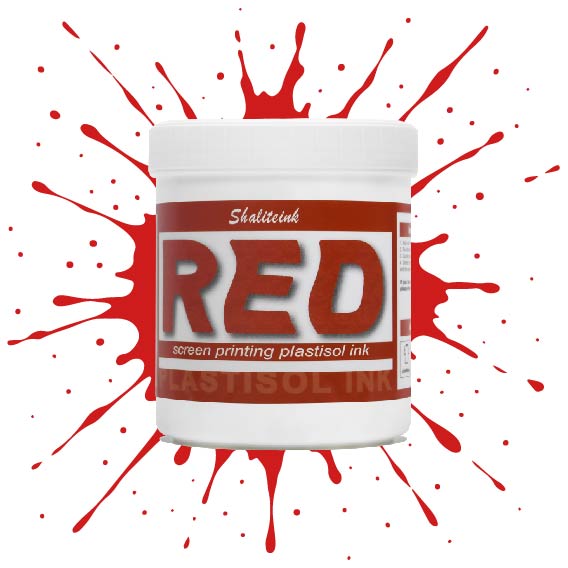
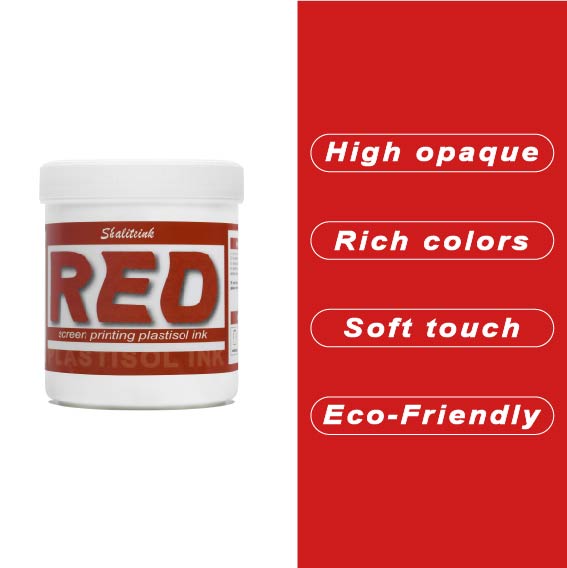
Red Screen Printing Plastisol Ink
Stop fighting with reds that look like a faded smudge on dark hoodies. If you've spent your morning watching a "bright" red turn into a muddy brown because the ink has no backbone, you need this stuff. It’s got the heavy-weight opacity to hold its own against black fabric while staying creamy and ready to pull all shift long. No more clogs, no more "emergency room panic" at the dryer—just a clean, punchy red that actually earns its keep.
It doesn't matter if you're hitting an underbase or going direct to cotton; this plastisol stays open on the mesh until you're ready to cure. It’s built for the printer who’s tired of "good enough" and wants a red that grabs attention and stays on the shirt, wash after wash. Stop wasting time with watery, thin inks and get a red that does the job the first time.
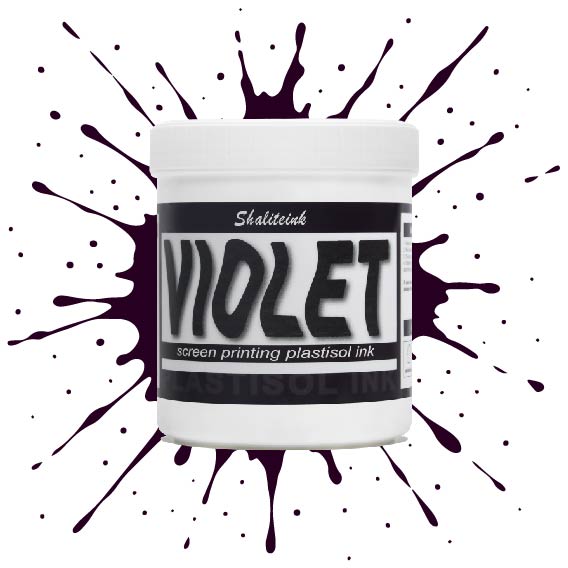
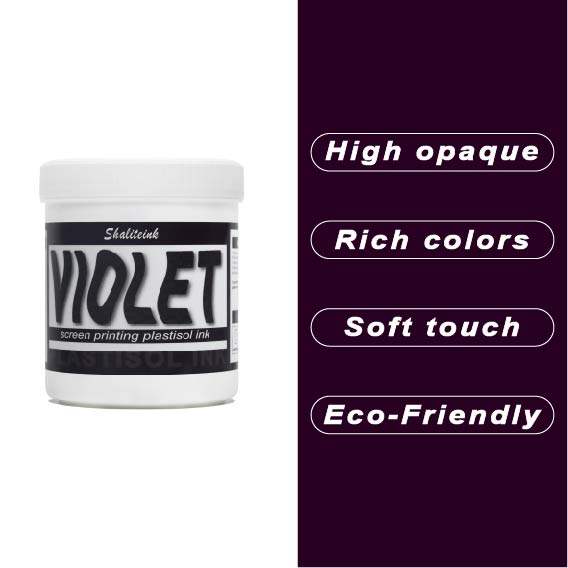
Violet Screen Printing Plastisol Ink
Stop settling for muddy, dull purples that vanish the moment they hit dark fabric. Our Violet Screen Printing Plastisol Ink is packed with a heavy pigment load to ensure your designs actually "pop" with a royal, vibrant finish. Unlike bargain inks that feel like dragging cold peanut butter across a screen, this formula shears smoothly through your mesh, giving you crisp edges and consistent opacity whether you’re hitting heavy cotton or dark blends.
It’s all about the chemistry—this ink is built to sit high on the fibers for maximum brightness while staying flexible enough to resist cracking after a dozen washes. If you’ve been struggling with "bruised" looking prints that lose their soul in the dryer, this is the high-solids solution you need to get the color right on the first pull. It’s the punchy, dependable violet that turns a standard tee into a standout piece.
 EN
EN  DE
DE  ES
ES  PT
PT  JA
JA
Peter Fischer –
Leicht zu nutzen und konstante Ergebnisse. Leicht zu nutzen und konstante Ergebnisse. Leicht zu nutz
Laura Wagner –
Hochwertige Qualität und schnelle Lieferung. Sehr gutes Preis‑Leistungs‑Verhältnis. Sehr gutes Preis‑Leistungs‑Verhältnis. Hochwertige Qualität und schnelle Lieferung. Leicht zu nutzen und konstante E