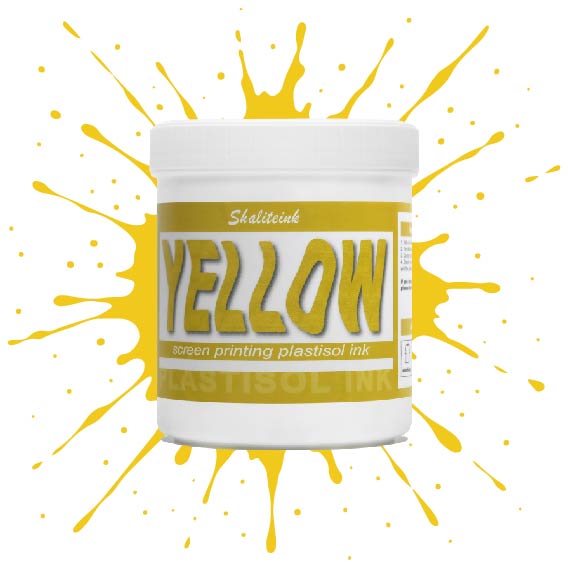
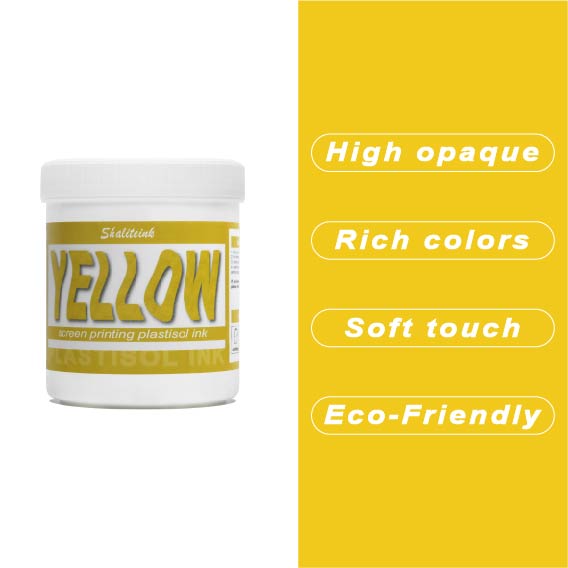
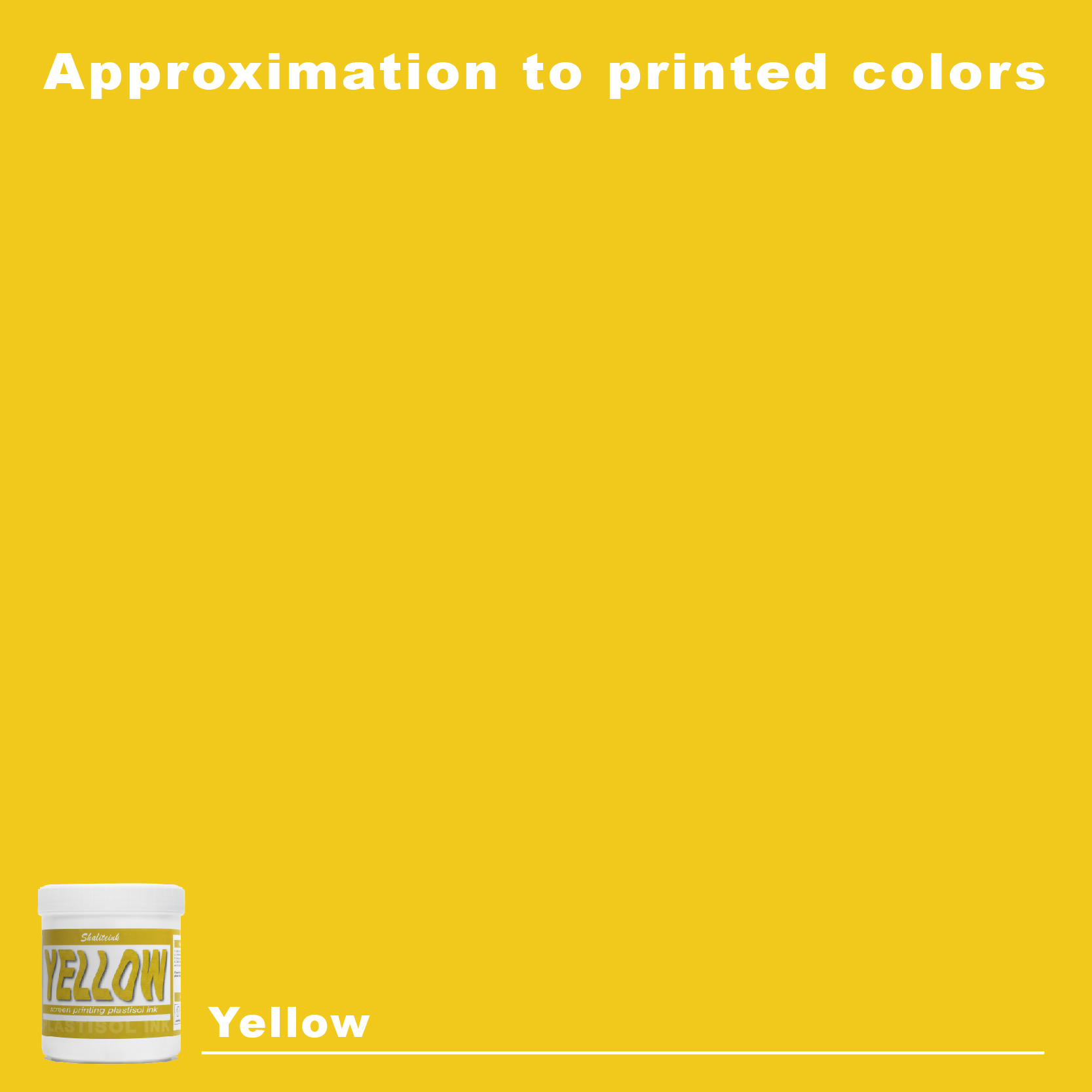

Yellow Screen Printing Plastisol Ink
价格范围:$16.99 至 $29.99
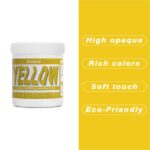
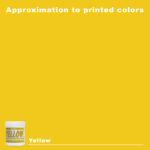
Stop settling for “swamp green” prints when you’re aiming for a sunburst. Yellow is the ultimate diva of the ink shelf—it’s naturally translucent and notoriously difficult to print on dark fabrics without looking muddy or weak. That’s why we engineered Shaliteink’s Yellow Plastisol with a heavy pigment load. It’s specifically designed to sit perfectly atop a white underbase, delivering a punchy, “see-it-from-across-the-street” vibrancy that actually stays bright after it hits the dryer.
Whether you’re chasing the crisp, electric pop of Lemon Yellow or the varsity-jacket warmth of our Golden Yellow, these inks are buttery smooth and won’t dry in your mesh mid-run. We’ve dialed in the formula to eliminate thin, streaky coverage, giving you a creamy consistency that makes every pull feel like a win. If you want retail-ready shirts that don’t crack or fade after a few washes, this is the yellow your squeegee has been begging for.
The Sun in Your Squeegee: Why Your Yellow Screen Prints Look Like Swamp Water
Look, I’ve spent two decades in drafty garages and high-end production floors that reek of scorched espresso, melting polymers, and that desperate, beautiful scent of a deadline met at 2 AM. If there’s a universal truth in this trade, it’s this: Yellow ink is the absolute prima donna of the ink shelf. She’s loud, she’s demanding, and if you don’t kiss the ring with the right technique, she’ll wreck your production schedule faster than a blown heating element on a Friday afternoon.
We’ve all had “The Dreamer” walk into the shop. You know the guy. He wants a neon-bright sunburst printed directly onto a navy blue hoodie. You take the job, pull the squeegee with a confident flourish, and—voilà—you’re staring at a muddy, swamp-green disaster. It looks like something that crawled out of a radiator, not professional Plastisol Ink.
In this guide, I’m pulling back the curtain. We’re going to get into the grime, the sweat, and the sheer, unadulterated joy of finally getting that yellow to pop. I’ll share secrets I’ve clawed out of years of trial and error (mostly error, if I’m honest) so you can stop dumping money into the scrap bin and start depositing it in the bank.
1. The Physics of Why Yellow Hates You
Let’s get a bit “mad scientist” for a second. I promise it won’t hurt. Yellow pigments are naturally translucent. It’s not a defect; it’s just the molecular reality. Unlike Black Screen Printing Plastisol Ink which devours light like a black hole, yellow is a social butterfly. It lets light pass right through it.
When you slap yellow on a dark shirt, that dark fabric reflects through the ink film. Blue fabric + Yellow ink = A sickly green print. It is elementary school art class ruining your profit margin and it’s the bane of every printer’s existence.
To beat this, you need a high-quality Plastisol Ink Supplier who understands that opacity is the law of the land. If you’re buying bargain-basement sludge from a discount bin, you’re basically trying to paint a house with tinted water. You need pigment loading that would make a Ferrari look dull.
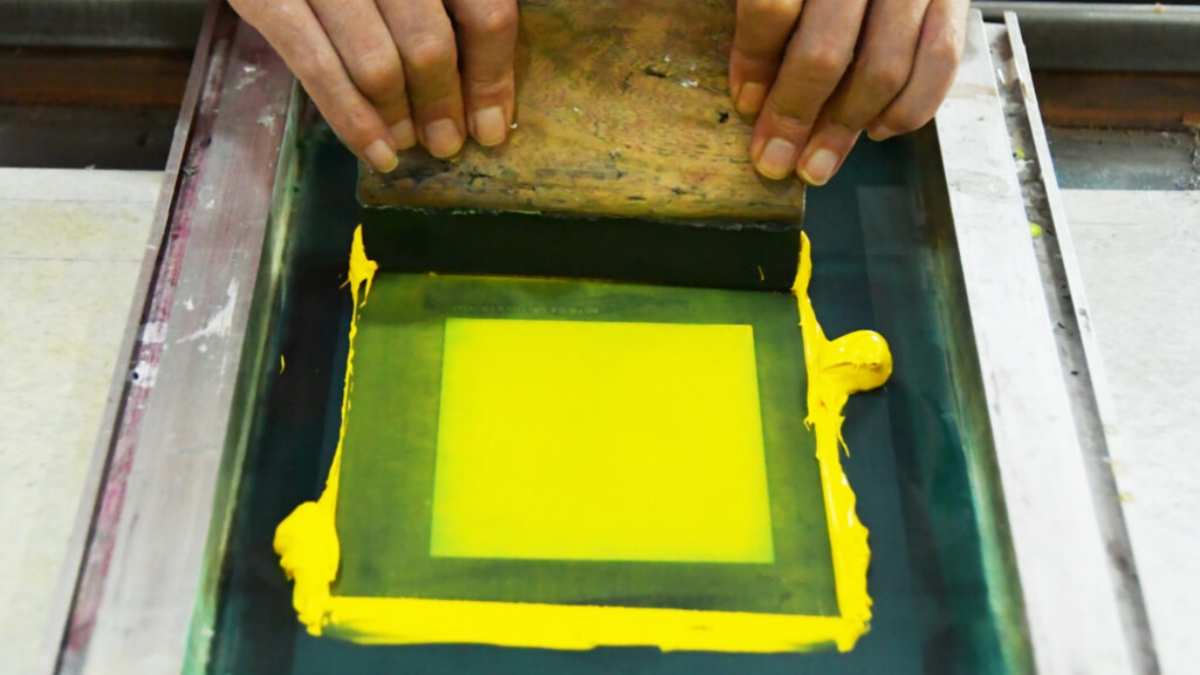
2. Pick Your Poison: A Hierarchy of Hues
In my shop, I don’t just look at color; I look at “vibe.” Not all yellows serve the same master.
The Lemon Yellow: Crisp and Cold
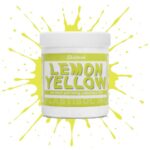
Lemon Yellow Screen Printing Plastisol Ink is your go-to for that “high-voltage” look. It’s cool-toned and looks surgical on white or light gray tees. If you’re printing a summer surf brand, this is your MVP.
The Golden Yellow: The Heavyweight
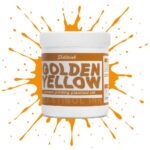
Golden Yellow Screen Printing Plastisol Ink is the warm, deep color of varsity jackets and championship trophies. Because of the orange-leaning pigments, it usually has the best “hiding power” of the bunch.
The Neon Wildcard: Fluorescent
If you want to be visible from the moon, Fluorescent Yellow Screen Printing Plastisol Ink is the answer. But a warning: these pigments are ghosts. Without a white base, they disappear into the fabric.
Yellow Performance Matrix
| Ink Variety | Opacity Level | Tone | Best Substrate | Typical Mesh |
| Lemon | Moderate | Cool/Neon-ish | White Cotton | 110-160 |
| Golden | High | Warm/Deep | Athletics/Navy | 86-110 |
| Fluorescent | Very Low | Electric | Safety Gear | 110-230 |
| PVC Free Yellow | Exceptional | Neutral | High-End Retail | 120-160 |
3. Confession Time: The Move to PVC-Free
I’ll be honest with you. Half a decade ago, I looked at “eco-friendly” inks with total suspicion. They felt like trying to print with cold peanut butter. I hated the way they moved on the screen.
But times change and chemistry actually got smart. If you’re courting high-end retail brands or printing for the baby-clothing market, you need to jump on the PVC Free Plastisol Ink train. Why? Because “Phthalate-free” isn’t a hippy buzzword anymore; it’s the gatekeeper to the big contracts.
I’ve been running the Yellow PVC Free NB Screen Printing Ink lately. The “NB” stands for Non-Bleeding (or Non-PVC depending on who you ask) and the hand-feel is simply delicious. It’s soft and it breathes. Plus, it lacks that acrid “chemical factory” stench that makes your head throb after an eight-hour shift.
4. The “Golden Rules” for a Perfect Pull
If you want to dodge the “re-print” nightmare that keeps shop owners awake at night, memorize these. I learned them through expensive mistakes so you can learn them for free.
Rule 1: The Underbase is Your Foundation
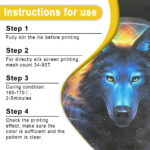
Unless you’re printing on a bleached white rag, the white underbase is your god. Skimp here and the whole print collapses. I use a High Density Photosensitive Emulsion to ensure the stencil is sharp as a razor. You print your White Screen Printing Plastisol Ink, flash it, and then lay the yellow on top.
Rule 2: Don’t Overcook the Flash
This is where most people trip up. If your white base gets too hot or cures completely before the yellow hits it, the yellow won’t “bite.” It’ll just sit on the surface like a sticker and peel off in the first wash. It should be “tack-free” but not “bone-dry.”
Rule 3: The Mesh Trap
I rarely go above 160 mesh for yellow. You need enough ink volume to mask that white base. If you go too fine, the print looks “weak” and translucent.
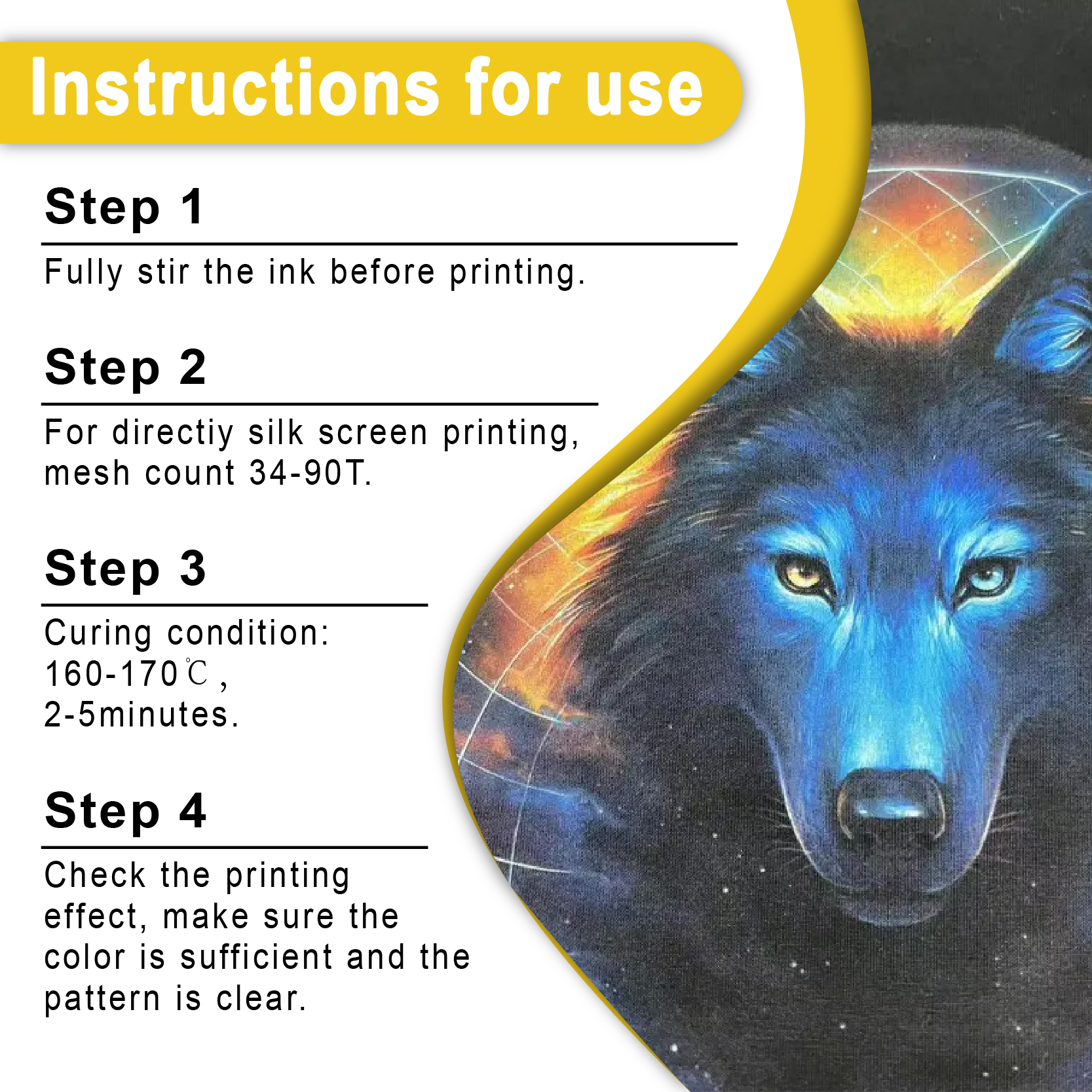
Rule 4: Curing is Science, Not Magic
According to data from the Specialty Graphic Imaging Association, most plastisols need to hit 320°F (160°C) all the way through. Here is the trap: Yellow is a light color and it reflects heat. Sometimes the surface looks like a desert but underneath it is still soup. Always use a donut probe or a real-deal infrared temp gun. Guessing is for the lottery, not for professional garments.
5. Troubleshooting: When Things Go Sideways
Even the pros have days where the press feels like it’s possessed by demons. Here is your quick cheat sheet.
-
“My Yellow looks like split-pea soup!” -> Your underbase isn’t thick enough or you’re skipping it entirely.
-
“The ink is flaking off.” -> Under-curing. The dryer isn’t hot enough or the belt is moving too fast.
-
“The print is as stiff as a board.” -> You’re piling on too much ink. Switch to a higher mesh or use a [Soft Hand Base].
-
“The yellow is turning orange/red.” -> Dye migration. The polyester in the shirt is “bleeding” into your ink. You need an Anti Migration Screen Printing Ink Plastisol.
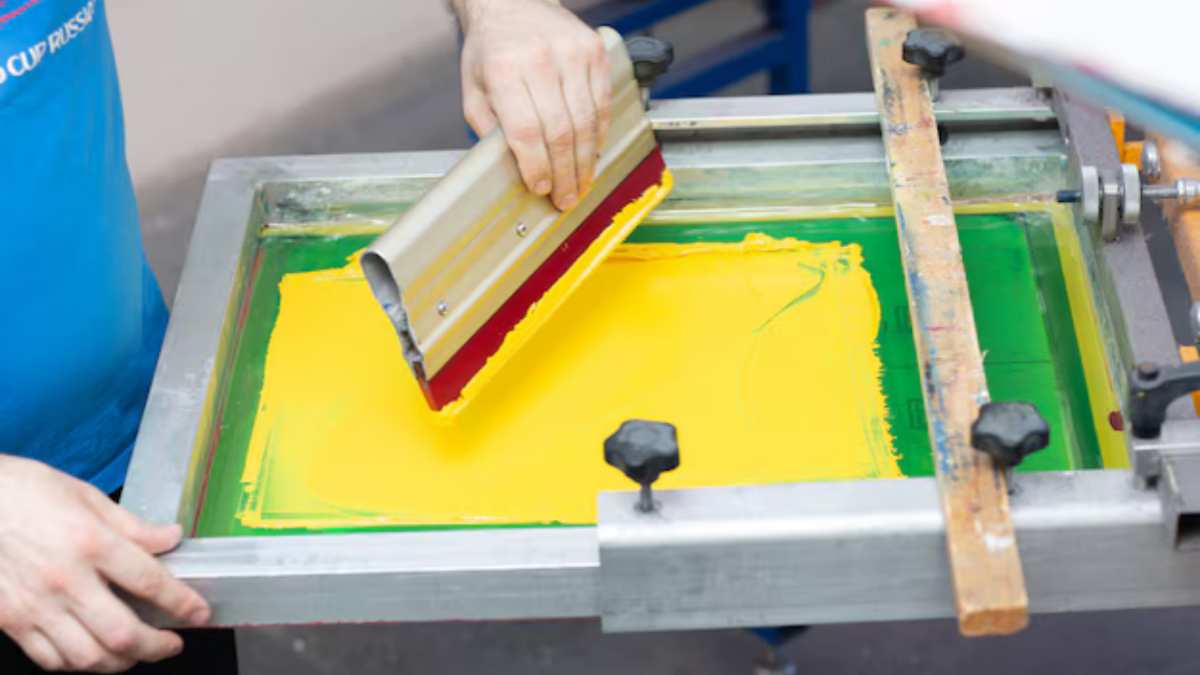
6. The Business of Brightness: Selling the Premium
Don’t be afraid to charge more for specialized work. When you use a vibrant Shaliteink Golden Yellow, you aren’t just selling “ink on a shirt.” You are selling a brand’s identity.
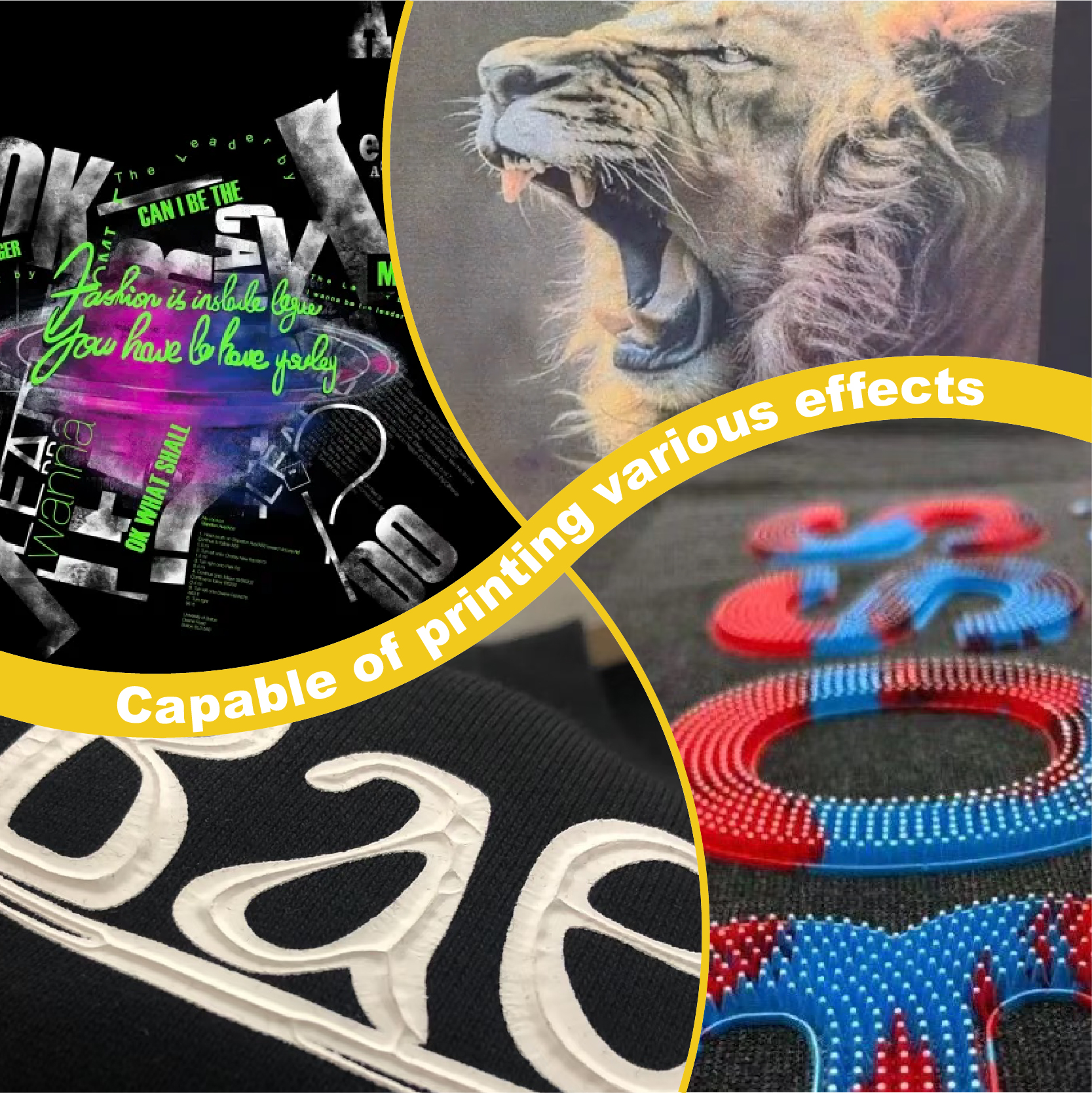
Customers will pay for quality if you can explain the “why.” Explain the durability. Explain the eco-safety of PVC Free Plastisol Ink. And don’t shy away from upselling Metallic Screen Printing Ink or Puff Screen Printing Ink Plastisol for that extra 3D pop.
FAQ: Everything You’re Too Tired to Google
Q1: Can I mix yellow plastisol with water-based stuff?
Absolutely not. That’s like mixing oil and water. Their curing chemistries are total opposites. Stick to the Plastisol Ink family if you want to stay sane.
Q2: How do I make the yellow feel softer?
Add a “Curable Reducer.” It thins the viscosity without breaking the chemical bond. Or, try a PVC Free Plastisol Ink Blue Soft Hand to see how far soft-hand tech has come.
Q3: Why does it smell like a burnt tire when I cure?
That’s the phthalates gassing off in old-school inks. If you hate the smell, switch to PVC Free Plastisol Ink. It’s much kinder to your lungs.
Q4: Can I air-dry this?
Nope. Plastisol is not house paint. It will stay wet until the end of time unless it hits 320°F. You need a flash unit or a conveyor dryer.
Q5: What’s the magic mesh count for yellow?
I recommend a 110 mesh for the white underbase and a 155 or 160 mesh for the yellow top coat. This gives you the perfect balance of coverage and detail.
Final Thoughts from the Press
At the end of the day, screen printing is an art form disguised as a manufacturing process. Yellow ink might be a challenge, but when you pull that squeegee and see a perfect, sun-bright logo staring back at you, it’s worth every bit of the struggle.
Don’t settle for “okay” inks. Whether you’re a beginner with a Screen Printing Starter Kit or a veteran running an automatic press, your supplies are your reputation.
Go get yourself some Shaliteink Plastisol Ink. Your press—and your customers—will thank you.
| Size |
8oz ,16oz ,32oz |
|---|
8 reviews for Yellow Screen Printing Plastisol Ink
Clear filtersOnly logged in customers who have purchased this product may leave a review.
Related products
Deep Red Screen Printing Plastisol Ink
Stop settling for "red-turned-pink" disasters on your dark garments. Our is engineered by textile chemistry professionals for printers who demand a deep, retail-ready crimson without the technical headaches. Whether you are a DIY enthusiast or a growing boutique brand, this ink delivers a buttery-smooth consistency that clears the mesh easily and stays vibrant wash after wash.
We have prioritized both safety and high-end performance, ensuring our formula is and non-phthalate to meet rigorous international standards like OEKO-TEX. Optimized for both standard and low-cure environments (setting as low as 270°F-280°F), it effectively minimizes dye migration on tricky polyester blends while maintaining the soft, professional hand feel that defines premium apparel.
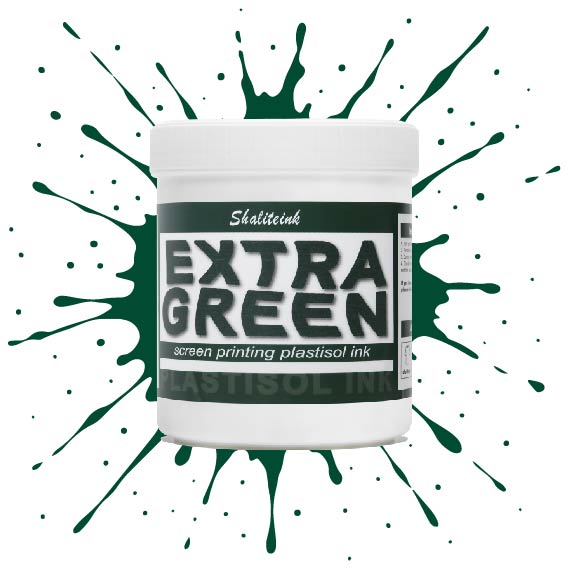
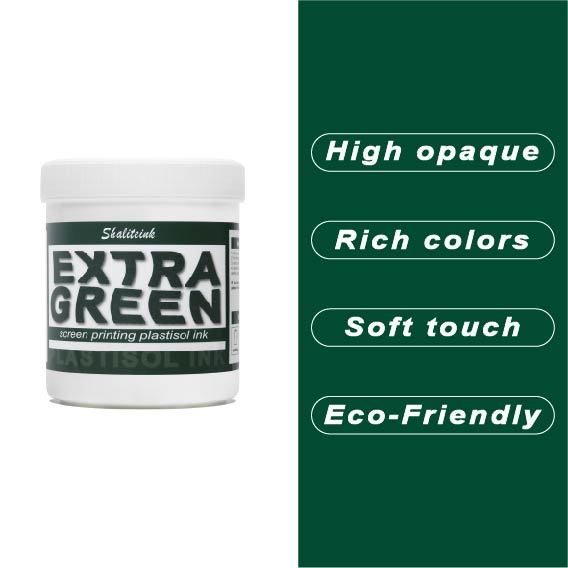
Extra Green Screen Printing Plastisol Ink
Tired of greens that disappear into the fabric or look like muddy swamp water on a dark hoodie? Our Extra Green Plastisol Ink is the real deal for printers who want a punchy, high-vis pop without that heavy "body armor" feel. It’s got a buttery, room-temperature texture that shears like a dream under the squeegee—meaning no more wrist-killing stirring sessions or clogged mesh. One hit through a 156-mesh and you’ll see the difference: it’s vibrant, insanely opaque, and stays flexible enough to survive the "Gorilla Stretch" test without cracking.
Whether you're a DIY enthusiast or running a high-speed auto press, this is the ink you keep on the top shelf. It handles the flash-cure quickly and sticks to the shirt, not your screen, so you can stop wasting money on ruined inventory and start delivering prints that make customers ask, "How'd you get it that bright?" Don't settle for "okay" green—go with the pro-grade formula that's built for durability and serious color.
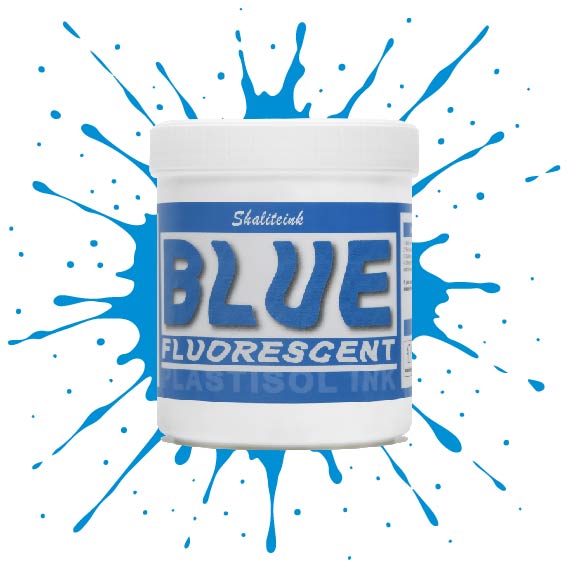
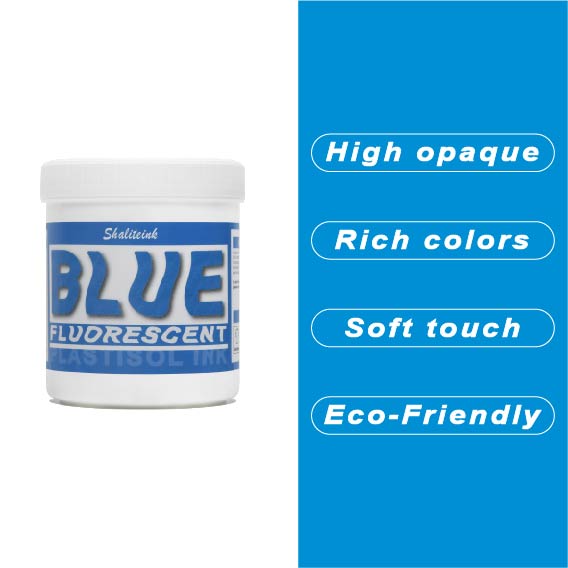
Fluorescent Blue Screen Printing Plastisol Ink
Stop settling for "bright-ish" blues and give your designs the electric edge they deserve. This Fluorescent Blue Plastisol Ink is essentially bottled lightning—a high-pigment, UV-reactive formula that screams under blacklight and dominates the room in broad daylight. It’s buttery smooth right out of the bucket, meaning no more "ink wrestling" before your first stroke, and it's completely Phthalate-free so you can print for any client with a clean conscience.
To get that retina-burning pop on dark garments, just flash a crisp white underbase and let this blue do the heavy lifting. Whether you’re hitting a 110 mesh for a thick, juicy deposit or a 156 for sharper details, it shears perfectly and cures to a durable, professional finish that won’t flake or fade. If you want to move from being just another printer to the shop that everyone talks about, this is the ink that makes it happen.
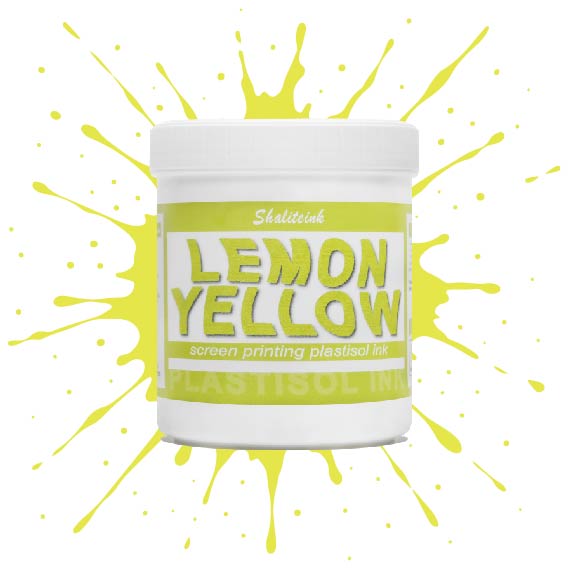
Lemon Yellow Screen Printing Plastisol Ink
If you’ve ever had a yellow ink vanish into the fabric or look like a transparent mess on a dark hoodie, you know the frustration. We built this Lemon Yellow Screen Printing Plastisol Ink to solve that exact headache. It’s packed with enough pigment to give you a punchy, electric finish over an underbase, but it still glides through a high-mesh screen without a struggle. It’s the kind of bright that grabs attention from across the street and stays that way, wash after wash.
What really makes this a shop favorite is the non-bleeding formula—it’s a total lifesaver for those tricky polyester blends that usually turn your yellow into a sickly green. You end up with a soft, flexible print that doesn't feel like a thick plastic sheet on the chest. It’s reliable, pro-grade ink that handles the heavy lifting for you, so you can actually enjoy the print run instead of fighting the equipment.
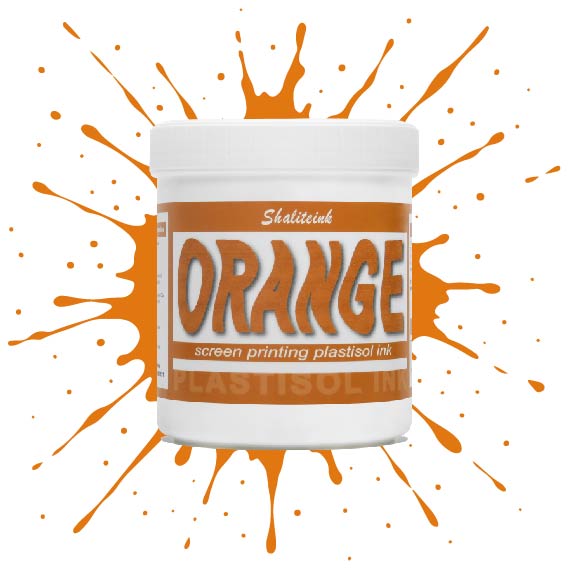
Orange Screen Printing Plastisol Ink
Looking for that perfect, high-energy "Orange Crush" that doesn't disappear into the fabric? Our Orange Plastisol Ink is a shop favorite for a reason. It’s got a creamy, press-ready consistency that glides through higher mesh counts while maintaining the heavy-hitting opacity you need for bold graphics. No more muddy prints—just a bright, citrus pop that stays vibrant from the first pull to the final cure.
Built for the long haul, this ink won’t dry on your screen mid-run but cures to a tough, flexible finish that survives the wildest laundry days. Whether you're hitting a crisp white underbase on dark hoodies or going direct on light cotton, Shaliteink gives you that professional, "retail-ready" look without the headache of constant thinning or ink clogging.
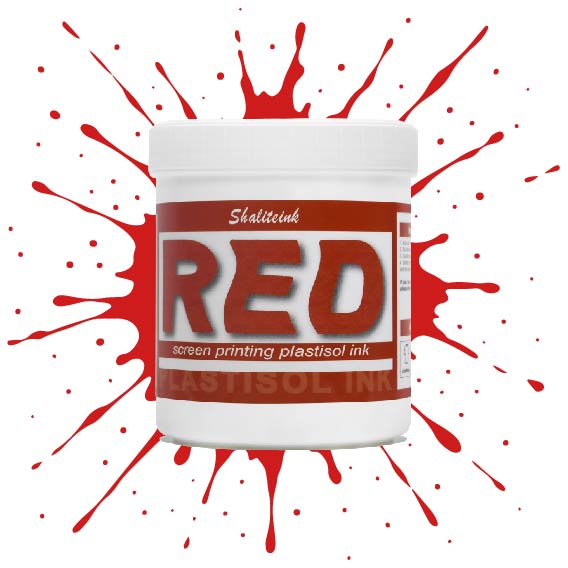
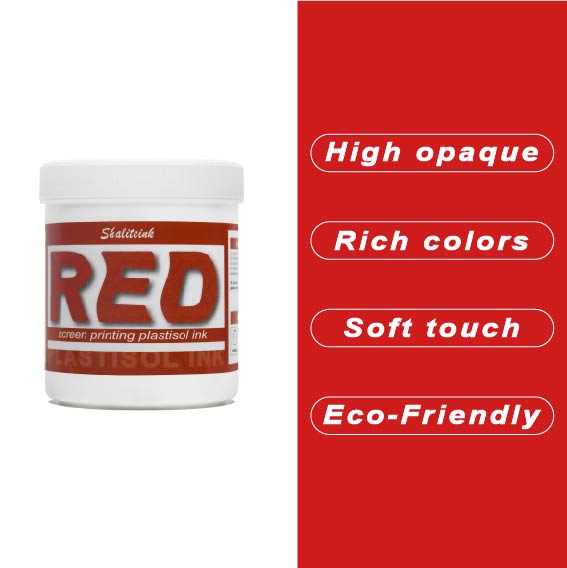
Red Screen Printing Plastisol Ink
Stop fighting with reds that look like a faded smudge on dark hoodies. If you've spent your morning watching a "bright" red turn into a muddy brown because the ink has no backbone, you need this stuff. It’s got the heavy-weight opacity to hold its own against black fabric while staying creamy and ready to pull all shift long. No more clogs, no more "emergency room panic" at the dryer—just a clean, punchy red that actually earns its keep.
It doesn't matter if you're hitting an underbase or going direct to cotton; this plastisol stays open on the mesh until you're ready to cure. It’s built for the printer who’s tired of "good enough" and wants a red that grabs attention and stays on the shirt, wash after wash. Stop wasting time with watery, thin inks and get a red that does the job the first time.
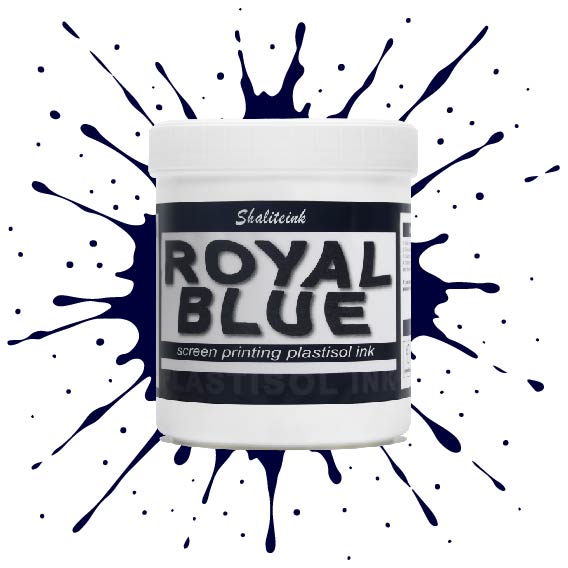
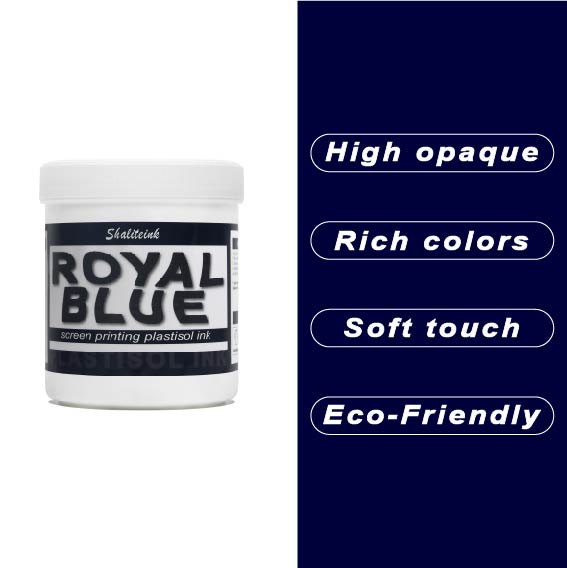
Royal Blue Screen Printing Plastisol Ink
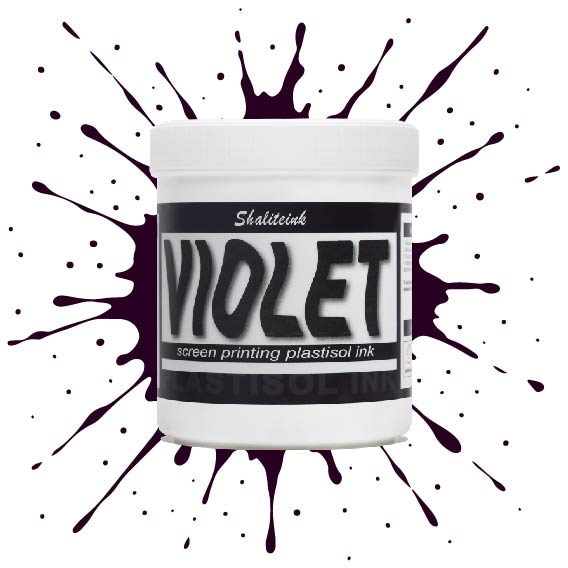
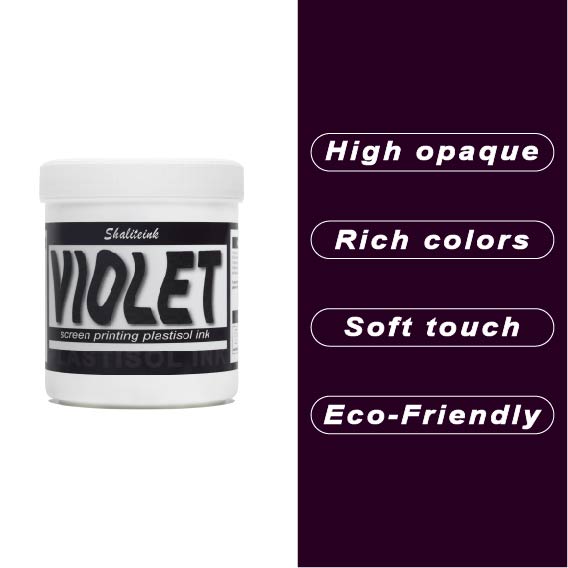
Violet Screen Printing Plastisol Ink
Stop settling for muddy, dull purples that vanish the moment they hit dark fabric. Our Violet Screen Printing Plastisol Ink is packed with a heavy pigment load to ensure your designs actually "pop" with a royal, vibrant finish. Unlike bargain inks that feel like dragging cold peanut butter across a screen, this formula shears smoothly through your mesh, giving you crisp edges and consistent opacity whether you’re hitting heavy cotton or dark blends.
It’s all about the chemistry—this ink is built to sit high on the fibers for maximum brightness while staying flexible enough to resist cracking after a dozen washes. If you’ve been struggling with "bruised" looking prints that lose their soul in the dryer, this is the high-solids solution you need to get the color right on the first pull. It’s the punchy, dependable violet that turns a standard tee into a standout piece.
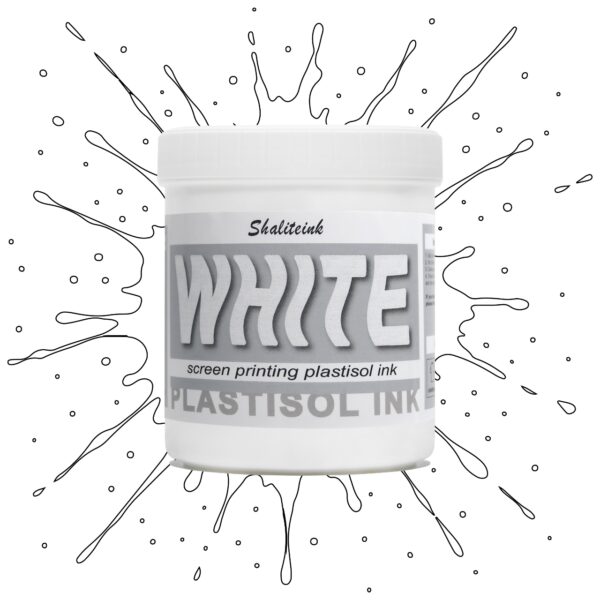
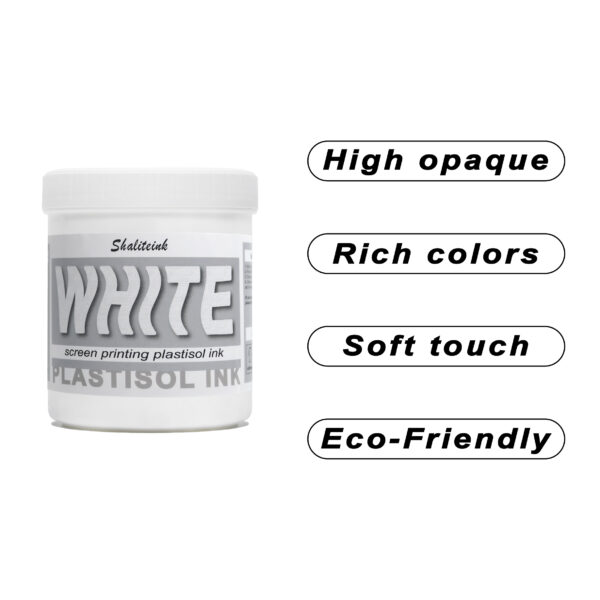
White Screen Printing Plastisol Ink
Stop settling for "ghostly" white prints that disappear into the fabric. Our Shaliteink White Plastisol Ink is engineered for one thing: serious opacity on dark garments. It hits the screen with a creamy, no-nonsense consistency that feels more like whipped butter than stiff plastic, making your manual pulls smoother and your production faster. You’ll get that crisp, bright-white "pop" after just one flash, without the fear of the ink cracking or fading after the first wash.
Whether you’re a weekend hobbyist or running a busy shop, this is the reliable workhorse you’ve been looking for. It’s high-pigment, remarkably easy to stir, and flashes in seconds, so you can spend less time fighting with your gear and more time actually printing. It’s professional-grade performance in a bucket, designed to keep your whites bright and your designs looking sharp from the first print to the thousandth.
 EN
 DE
 ES
 PT
 JA
Lucas Gomes –
Qualidade excelente e entrega rápida. Ótimo custo‑benefício. Qualidade excelente e entrega rápida. Ó
Felix Weber –
Hochwertige Qualität und schnelle Lieferung. Hochwertige Qualität und schnelle Lieferung. Hat meine Erwartungen übertroffen. Hochwertige Qualität und schnelle Lieferung. Hochwertige Qualität und schnelle Lieferung. Funktioniert sehr gut im Alltag. Sehr gutes Preis‑Leistungs‑Verhältnis. Einfache Anwe
Luis Torres –
Aplicación suave y rendimiento confiable. Funciona muy bien para mis tareas diarias. Aplicación suave y rendimiento confiable. Muy buena relación calidad‑precio. Funciona muy bien para mis tareas diar
Sarah Miller –
Very good value for the money.
Maria Oliveira –
Superou minhas expectativas. Q
Piotr Zielinski –
Łatwy w użyciu i powtarzalne rezultaty. Łatwa apli
Laura Wagner –
Leicht zu nutzen und konstante Ergebnisse. Funktioniert sehr gut im Alltag. Funktioniert sehr gut im Alltag. Einfache Anwendung und zuverlässige Leistung. Sehr gutes Preis‑Leistungs‑Verhältnis. Einfac
Luis Torres –
Funciona muy bien para mis tareas diarias. Aplicación suave y rendimiento confiable. Aplicación suave y rendimiento confiable. Muy buena relación calidad‑precio. Fácil de usar y resultados consistente