


Shop PVC Free Plastisol Ink Process Black – Safe Printing
价格范围:$52.00 至 $82.00
Honestly, if you’re still using that old-school, heavy plastisol that smells like a chemical factory, you’re just making life harder than it needs to be. This PVC-Free Process Black is what we actually use in the shop when we need a “true” black that doesn’t feel like a suit of armor on the shirt. It’s 100% non-toxic—no phthalates or nasty fumes—so you aren’t breathing in junk all day. Plus, it goes through fine mesh like a dream, giving you that soft, retail-ready finish without the nightmare of water-based inks drying in your screen.
Most “eco” inks are a pain to work with, but this one just works. It sits nice and thin on the fabric so the shirt actually breathes, yet it stays dark and crisp even after fifty washes. I’ve left this sitting on the mesh during lunch breaks and it doesn’t clog up, but it cures solid once it hits the dryer. It’s just straightforward, safe ink that makes your prints look expensive without the health risks. If you want to keep your shop clean and your customers happy, this is the stuff.
The Honest Truth About Process Black: Why I Switched to PVC-Free Plastisol Ink and Never Looked Back
I’ve spent twenty years in the screen printing trenches. I know the smell of a busy shop at 2 AM. I know the feeling of ink under my fingernails and the constant worry about whether the chemicals I’m breathing are doing me in. If you’re like me, you’ve probably used traditional Plastisol Ink for decades because it’s easy and it works. But let’s be real for a second. The world is changing. Customers want eco-friendly shirts and your lungs probably want a break.
Last year, I made a major shift in my shop. I decided to Shop PVC Free Plastisol Ink Process Black Safe Printing options to see if the “green” stuff could actually handle a high-volume run. I’m writing this to share that journey with you. No fluff. No corporate speak. Just the dirty (or rather, clean) truth about making the switch.
Why Your Old Ink Is a Ticking Time Bomb
Traditional plastisol is basically liquid plastic. It’s made of PVC resin and phthalate plasticizers. When you run those through a dryer at 320°F, they off-gas. You’ve smelled it. That sweet, heavy scent isn’t the smell of money; it’s the smell of chemicals that are increasingly being banned in Europe and by major US retailers.
I noticed my high-end clients were asking for more than just a “nice print.” They wanted OEKO-TEX compliance. They wanted to know the shirts wouldn’t irritate a baby’s skin. That’s when I started looking into PVC Free Plastisol Ink.
The Problem with “Standard” Black
In the CMYK world, your black is the anchor. If your Process Black is muddy or contains heavy metals, the whole job looks cheap. I used to think eco-friendly meant “weak color,” but boy was I wrong.
The Discovery: Shaliteink’s PVC-Free Solution
I stumbled upon Shaliteink Plastisol Ink during a late-night research session. They promised an Eco-Friendly Screen Printing Ink that acted like traditional plastisol. I was skeptical. I’ve tried water-based inks before and they dried in the screen faster than I could drink a cup of coffee.
But Shaliteink’s PVC Free Black Plastisol Ink is a different beast. It stays wet on the screen indefinitely but cures solid in the dryer. It gave me the safety of water-based ink with the ease of plastisol.
Table 1: Comparison of Ink Types in My Shop
| Feature | Traditional Plastisol | Water-Based Ink | PVC Free Plastisol (Shaliteink) |
| PVC / Phthalates | Yes (High) | No | None (Safe) |
| Screen Clogging | No | Yes (Fast) | No |
| Hand Feel | Heavy/Plastic | Very Soft | Soft/Smooth |
| Safety | Requires Ventilation | Safe | Safe/Non-Toxic |
| Opacity | High | Low | High |
Deep Dive: The Performance of Process Black
When you’re doing four-color process (CMYK) printing, the Plastisol CMYK Ink needs to be perfectly balanced. If the black is too thick, it overpowers the cyan and yellow. If it’s too thin, your shadows look gray.
I tested the Shop PVC Free Plastisol Ink Process Black Safe Printing on a run of 500 white tri-blend tees. Here is what I found:
1. The “Hand” Feel is Superior
Usually, a heavy black print feels like a bulletproof vest. But the PVC Free CMYK Plastisol Ink Black has a much lower profile. It sinks into the fibers slightly more while keeping the color on top. It’s a “soft hand” finish without the headache of discharge chemicals.
2. Mesh Management
I ran this through a 305-mesh count. For those not in the trade, that’s a very tight screen. Usually, eco-inks struggle with high mesh but this Process Black Screen Printing Plastisol Ink (linked here to the process category) flowed like butter. No thinning required.
3. Safety First (Truly)
My shop used to have a faint chemical haze. Since switching my main black and CMYK sets to Phthalate Free Plastisol Ink, the air is clearer. My staff isn’t complaining about headaches anymore and that alone is worth the price of admission.
How to Make the Switch Without Breaking Anything
If you’re going to Buy PVC Free Plastisol Ink, don’t just dump it into your old routine. There are a few tricks I learned.
Curing Temperatures
Most Shaliteink Plastisol Ink products cure at standard temperatures but you need to ensure the entire ink film reaches the target temp. I set my conveyor dryer to 320°F (160°C). Use a donut probe or a laser temp gun. If you under-cure PVC-free ink, it won’t just crack; it might wash off. Get it right and it will last longer than the shirt.
Emulsion Compatibility
You can’t use just any emulsion. I recommend a High Resolution Photosensitive Emulsion to handle the fine lines of CMYK printing. It needs to be water-resistant if you’re using any humidity in your shop yet tough enough for the friction of a squeegee.
Why “Process Black” is Your Most Important Purchase
Most printers buy a Screen Printing Ink Kit and use whatever black comes in the box. That’s a mistake. The black in a kit is often a “standard” black meant for spot colors.
A true Process Black is designed for transparency and blending. When it hits the Cyan or Magenta on the shirt, it creates those rich, deep purples and forest greens. If you use a standard Black Screen Printing Plastisol Ink, it’s too opaque and you’ll lose all your detail.
Table 2: The ROI of Switching to PVC-Free
| Expense Item | Traditional Ink | PVC-Free Ink | The “Hidden” Benefit |
| Ink Cost per Gallon | $45 – $60 | $55 – $75 | Higher perceived value for clients. |
| Insurance Premiums | Standard | Potential Discounts | Lower chemical risk in the workplace. |
| Regulatory Fines | Risk (Non-compliant) | Zero Risk | Peace of mind with EPA/REACH. |
| Customer Retention | Medium | High | Brands want sustainable partners. |
The “Wow” Factor: Adding Special Effects
Once I got the hang of the PVC Free Plastisol Ink White and Black, I started playing with effects. You can actually mix these with specialty bases. For example, I’ve used Puff Screen Printing Ink Plastisol to add texture to an eco-friendly design.
If you are doing athletic wear, you must use an Anti Migration Screen Printing Ink Plastisol or a blocker. Even with PVC-free inks, polyester dyes want to bleed through. Shaliteink has a whole range of Screenprinting Ink Special Effects that play nice with their green line.
My Advice to Shop Owners
Look, I get it. You have a shelf full of old ink. You don’t want to throw it away. But start small. Shop Shaliteink For Black PVC Free NB Screen Printing Ink first. Black is your most used color. Use it for your next “eco-conscious” client and see the difference.
The print is crisp but the edges are sharp. The color is deep yet it doesn’t feel like a sheet of rubber. When you tell your customer, “Hey, this print is 100% PVC and Phthalate free,” you aren’t just selling a shirt. You are selling a premium service. You can charge more for that. I do.
FAQs
1. Is PVC-free ink really as durable as regular plastisol?
Yes. In my wash tests (50+ cycles at high heat), the PVC Free Plastisol Ink held up just as well as the toxic stuff. It doesn’t crack as easily because the resin is actually more flexible.
2. Can I mix PVC-free ink with my old standard ink?
Technically, yes but it defeats the purpose. If you mix 10% old ink into 90% PVC-free ink, the whole batch is now contaminated with PVC. Keep your tools and screens separate if you want to certify a job as “Safe Printing.”
3. Does it dry out on the screen?
No. That is the best part. Unlike water-based ink, you can leave Shaliteink Plastisol Ink on the mesh during your lunch break and it won’t clog. It only cures with heat.
4. What mesh count should I use for Process Black?
For the Shop PVC Free Plastisol Ink Process Black, I recommend 230 to 305 mesh. This allows for the fine detail required in CMYK process printing.
5. Is it more expensive?
The ink itself costs about 15-20% more than the bottom-shelf stuff. However, when you consider the health benefits and the ability to land high-paying eco-friendly contracts, the “cost” disappears.
Final Thoughts: The Future is PVC-Free
I don’t miss the old days of coughing over the dryer. I don’t miss the stiff, plasticky prints that cracked after three washes. Moving to Screen Printing Ink Wholesale sources that prioritize safety has changed my business.
If you are ready to level up, go check out the Plastisol Ink Supplier section at Shaliteink. Grab a gallon of the PVC Free Black Plastisol Ink and try it on your next job. Your lungs will thank you and your customers will too.
Screen printing is an art but it shouldn’t be a health hazard. Let’s print smarter. Let’s print safer. And let’s make sure our “Process Black” is as clean as the designs we create.
| Size |
16oz ,32oz ,8oz |
|---|
9 reviews for Shop PVC Free Plastisol Ink Process Black – Safe Printing
Clear filtersOnly logged in customers who have purchased this product may leave a review.
Related products
Buy Golden Yellow PVC Free Plastisol Ink – Eco Safe
Let’s face it—printing yellow on dark t-shirts is usually a nightmare because most inks just turn into a muddy mess. This Golden Yellow PVC Free Plastisol Ink from Shaliteink changes the game. It has a thick, sun-kissed pop that sits right on the fabric instead of sinking in and disappearing. You get that bright, retail-ready look that stays vibrant and won't crack after a few spins in the wash.
You can finally ditch the toxic chemical smell without losing any quality. This PVC and phthalate-free formula is super creamy and easy to pull yet it feels soft and breathable on the skin. It’s an eco-friendly plastisol ink that actually outperforms the old-school "chemical soups." If you want your shirts to look professional and stay skin-safe, this gold is exactly what your press has been missing.
Buy PVC Free Plastisol Ink Orange – Safe Textile Printing
Stop settling for that old-school 'bulletproof' feel just to get a bright orange. This PVC-free formula gives you that neon punch with a surprisingly soft laydown. It doesn't just sit on top of the shirt; it actually flexes with the garment.
We’ve stripped out the harsh chemicals, so it’s safe for sensitive skin and eco-conscious brands. It handles beautifully on the press—stays wet in the mesh but hits a solid cure that won't peel or crack after a dozen washes. It's the upgrade your shop needs if you’re moving toward eco-friendly production.

PVC Free Plastisol Ink Bright Blue for Apparel – Shop
Ditch the "rubber mat" feel of traditional prints for an electric finish that actually breathes. Our PVC-Free Bright Blue Plastisol Ink delivers a high-opacity, vibrant punch without that heavy, plastic-like texture. Engineered for the modern professional, this ink integrates into the fabric to create a premium "soft-hand" feel that stretches and moves with the wearer. It is 100% phthalate-free and meets the world’s strictest eco-standards (Oeko-Tex & ZDHC), allowing you to pitch to high-end brands with total confidence.
Stop competing on price and start winning on quality. This isn’t just a bucket of blue; it’s your ticket to higher margins and happier repeat clients. Whether you are printing on dark hoodies or lightweight tees, you get incredible coverage and wash-fastness that won’t crack or fade over time. Upgrade your shop with an ink that is as easy to pull as it is to sell, and give your customers the vibrant, sustainable apparel they are demanding.
PVC Free Plastisol Ink Fluorescent Blue – Order Today
Electric Glow: The Professional Choice for Eco-Friendly Neon Prints
Stop settling for dull prints that feel like heavy sandpaper. Our PVC Free Plastisol Ink Fluorescent Blue Order Today gives you that electric neon glow without the toxic PVC mess so your custom shirts stay soft and safe. It cures at a cool 270°F yet it delivers high-voltage vibrancy that practically screams off the fabric. You'll love how easy it flows on the press and your customers will love the premium breathable feel.
To make that blue really sing just remember to lay down a solid White PVC Free NB Screen Printing Ink base first. This ink is fully OEKO-TEX compliant so you can build your brand with a clear conscience and a professional finish. Don't just make t-shirts—make a statement that shines.
PVC Free plastisol Ink Navy Blue– Eco Screen Printing Buy
Stop fighting with heavy, smelly inks. We’ve engineered this Navy Blue to be as clean as it is deep. By ditching the PVC, we created a formula that delivers a true midnight finish without the "plastic" stiffness. It’s breathable and stays crack-free, even on high-stretch fabrics.
On the press, it’s a total game-changer. The ink has a smooth, silk-like flow that won't dry out in the screen during a long session. You get the professional durability of plastisol with the soft "hand" of a water-based ink. Safe for you, better for the planet, and a much better experience for anyone wearing your gear.

PVC Free Plastisol Ink Orange Yellow | Order Online
Elevate your custom apparel with the ultimate professional-grade secret: our PVC-Free Plastisol Ink in high-intensity Orange and Yellow. Engineered for creators who refuse to compromise, this eco-friendly formula delivers the eye-popping vibrancy and high-opacity "pop" of traditional inks without the toxic phthalates. It is 100% compliant with OEKO-TEX Standard 100 and ZDHC Level 3, making it the safest, most sustainable choice for everything from high-end streetwear to sensitive children’s wear.
Designed for the modern maker, our specialized "stay-open" formula won’t dry in your mesh during long sessions, yet it fuses at lower temperatures (270°F - 290°F) to prevent fabric scorching and slash energy costs. The result is a buttery-soft, "no-feel" finish that remains incredibly durable and crack-resistant wash after wash. Transform your DIY projects into retail-ready masterpieces with the same high-performance chemistry used by the world’s leading sustainable apparel brands.

PVC Free Plastisol Ink Red – Buy Online Fast
Forget those stiff prints that feel like a sheet of plywood. Our PVC-free red ink gives you a wicked bright color that actually moves with the fabric. It is totally non-toxic so you can print baby clothes or gym gear without worrying about nasty chemicals. You get that deep, classic red look everyone wants without the heavy, crusty feel of old-school plastic ink.
This stuff is a lifesaver in the shop because it won't dry out on your screen while you're grabbing a coffee. It stays creamy and easy to pull but it cures into a rock-solid finish that won't crack after a few washes. It is the easiest way to go green and keep your prints looking professional at the same time.
PVC Free Plastisol Ink Yellow – Eco Ink Buy Now
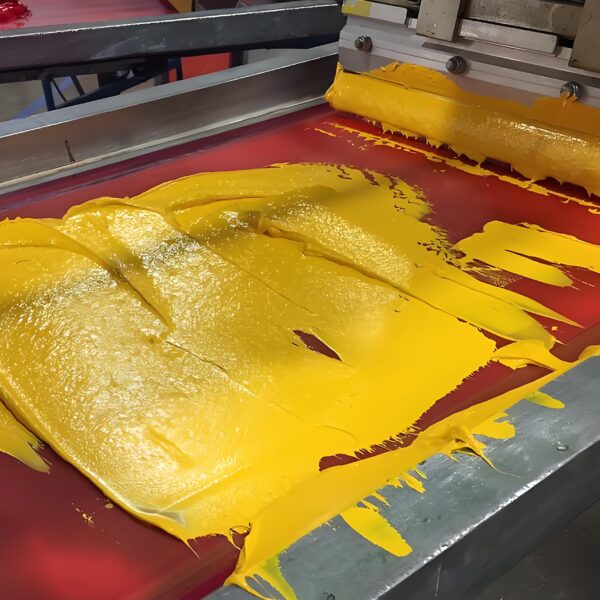
Say goodbye to those stiff, rubbery prints that feel like a giant sticker on your chest. OurPVC-Free Lemon Yellow Ink delivers a vibrant, "pop-off-the-fabric" brightness with a soft hand feel that actually breathes and moves with you. We’ve ditched the toxic PVC and phthalates to create a professional-grade formula that’s safer for your home workshop and better for the planet.
Built for the creator who wants pro results without the industrial headache, this ink stays "wet" on your screen all day so you can take your time with every masterpiece. It cures efficiently at lower temperatures to protect your favorite fabrics and is durable enough for everything from high-fashion tees to stretchy athletic gear. It’s the ultimate secret for making custom clothes that look, feel, and last like the real deal.
Shop PVC Free Plastisol Ink Yellow – Safe for Textile Printing
The Brightest Yellow (With Zero Drama)
Stop fighting with stiff and stinky old plastisol. This yellow ink hits hard on dark fabrics yet keeps that soft retail feel your customers love. It is totally PVC-free so it is safer for your shop and the earth. You can run your dryer at lower heat to save on power yet you still get a wash-fast finish every time. It stays wet on the mesh but it cures fast on the belt. It is the brightest yellow in the game without any of the headache.

 EN
EN  DE
DE  ES
ES  PT
PT  JA
JA
Ana Costa –
Fácil de usar e resultados con
Emma Phillips –
Easy to use and consistent results. Very good value for the money. Smooth application and reliable performance. Easy to use and consistent results. Very good value for the money. Works extremely well
Emma Phillips –
Easy to use and consistent results. Very good value for the money. Smooth application and reliable performance. Easy to use and consistent results. Very good value for the money. Works extremely well
Luis Torres –
Fácil de usar y resultados consistentes. Muy buena relación calidad‑precio. Muy buena relación calidad‑precio. Funciona muy bien para mis tareas diarias. Muy buena relación calidad‑precio. Fácil de us
Beatriz Rocha –
Fácil de usar e resultados consistentes. Fácil de
Laura Johnson –
Easy to use and consistent res
Felix Weber –
Sehr gutes Preis‑Leistungs‑Ver
Peter Fischer –
Einfache Anwendung und zuverlässige Leistung. Sehr gutes Preis‑Leistungs‑Verhältnis. Einfache Anwendung und zuverlässige Leistung. Leicht zu nutzen un
Anna Nowak –
Bardzo dobry stosunek jakości do ceny. Łatwy w użyciu i powtarzalne rezultaty. Łatwa aplikacja i nie