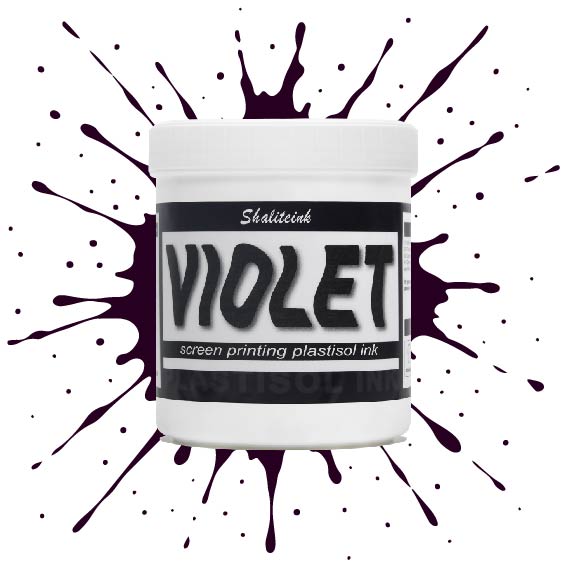
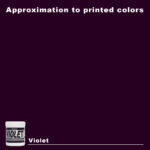
Violet Red Screen Printing Plastisol Ink
价格范围:$15.99 至 $33.99
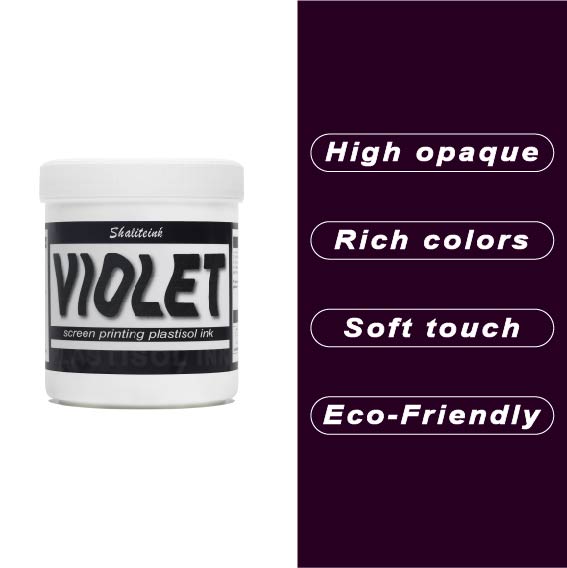
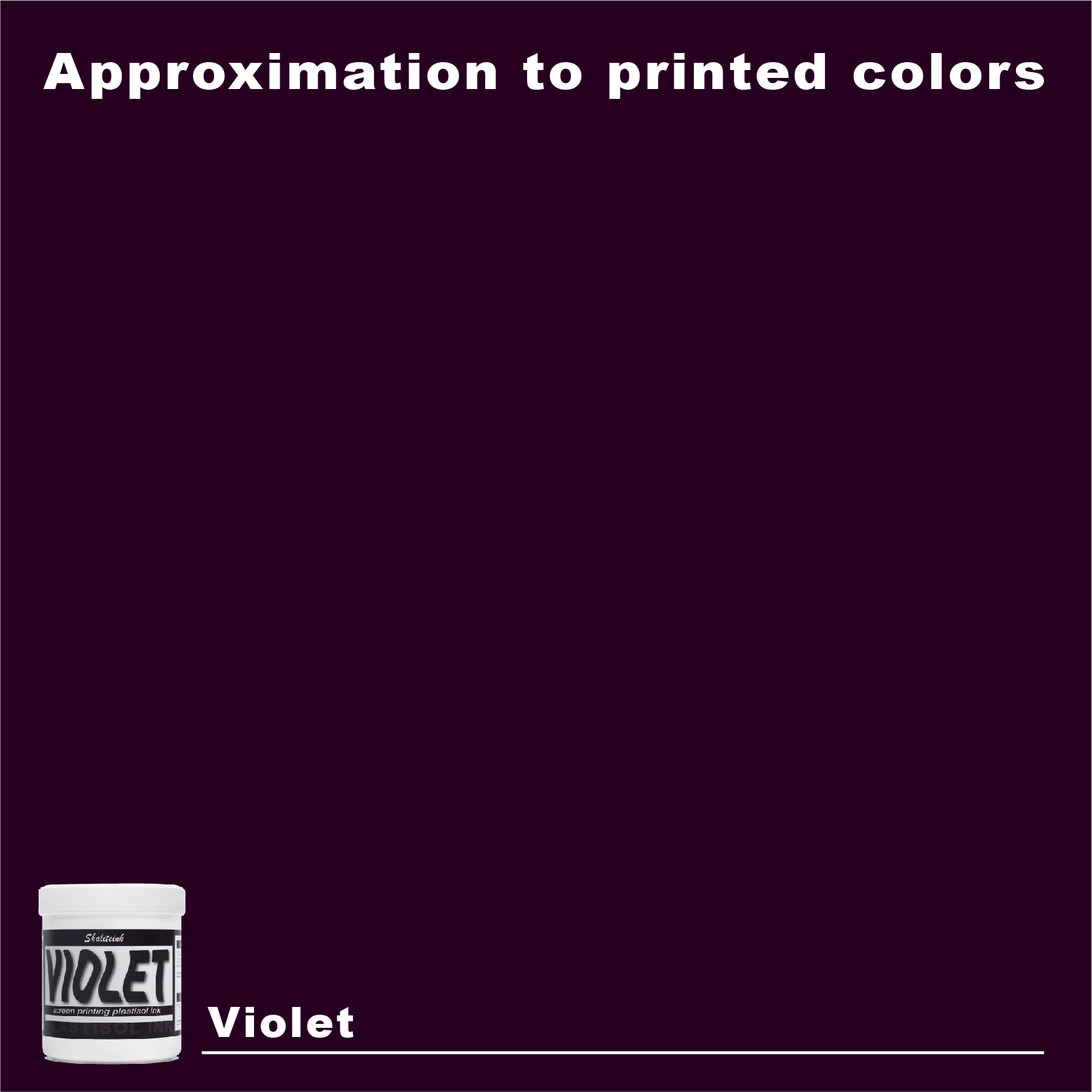
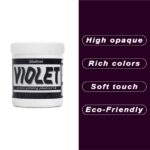
Honestly, most red inks look like they belong on a fast-food logo—loud, bright, and a bit cheap. But this Violet Red? It’s a whole different animal. It’s got that deep, moody wine tone that makes a basic $5 blank look like a $40 boutique piece. I’ve slapped this on pitch-black hoodies, and thanks to the heavy-duty opacity, the color actually stays true instead of turning into a dull, muddy bruise. It’s the “unfair advantage” you need when a client wants something that looks sophisticated rather than just another gym shirt.
Stop wrestling with ink that feels like cold peanut butter. This stuff is buttery right out of the bucket—no heavy-duty stirring or thinning required. You can go grab a coffee or deal with a delivery, and it won’t scab over or ruin your screen while you’re gone. And let’s be real: nothing kills a brand faster than a print that cracks the second someone actually wears it. This formula moves with the fabric, stays soft to the touch, and survives the “hot wash” test without flaking off. It just works, so you can spend less time scrubbing screens and more time actually printing.
The Master’s Palette: Why Violet Red Plastisol Ink is the High-Margin Secret You’ve Been Ignoring
Let’s be honest. Most screen printers are terrified of “off-primary” colors. We’re comfortable with our Fire Red, our Royal Blue, and our Lemon Yellow. They’re safe. They’re predictable. But safe doesn’t pay the premium bills, and predictable doesn’t make a brand stand out on a crowded retail rack.
I’ve tossed enough misprinted cotton into the rag bin to clothe a small nation. But those failures taught me something vital: high-paying clients don’t want “safety” colors. They want the colors their competitors are too scared to mix. I stumbled onto a secret early on: the printer who can consistently nail the sophisticated, moody shades is the one who keeps the high-end accounts on lock.
Today, I want to talk about one specific color that has changed the game for my shop: Violet Red Screen Printing Plastisol Ink. It’s got this velvety, wine-stained soul that isn’t trying too hard. It’s not a loud, obnoxious fire-engine red, nor is it a muddled grape. It’s the kind of hue you see on a luxury sedan and think, “That guy’s got taste.”
The Big Switch: Why I Quit Chasing Fads
Look, I get it. Every “influencer” with a hobbyist press is yelling about water-based inks like they’re the only way to save the planet. But if you’re running a real-deal business where time is literally your most precious asset, you know that Plastisol Ink is the undisputed king for a reason.
Plastisol doesn’t dry in the screen. Walk away for an hour. Go deal with that screaming customer or the delivery driver who’s blocking your loading dock. When you sit back down, that ink is still buttery, smooth, and ready to roll. It won’t dry in your mesh like a scab. More importantly, when it comes to a color as nuanced as Violet Red, you need the heavy-duty opacity that only a high-quality plastisol can provide to ensure the purple tones don’t get swallowed by the garment.
The Chemistry of the “Pop”
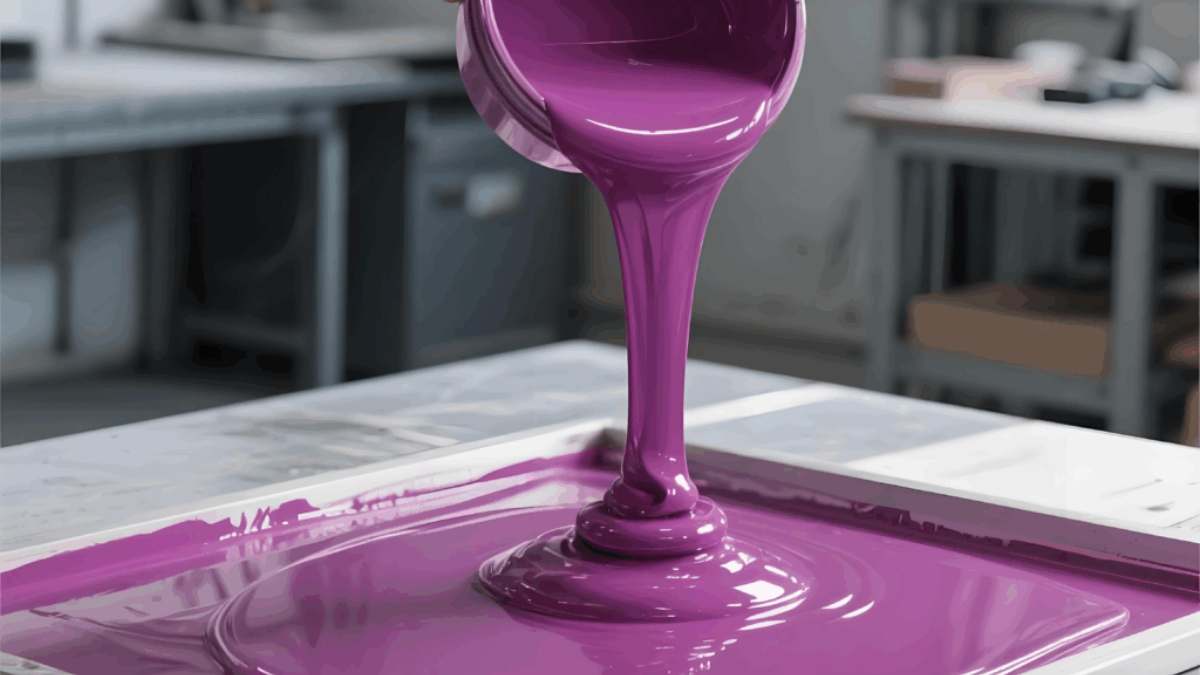
When you use a product like Shaliteink Plastisol Ink, you aren’t just buying pigment in a bucket. You’re buying a suspension of PVC (or PVC-free resins) and plasticizers that are engineered to sit on top of the fabric fibers rather than soaking in. This is crucial for Violet Red. If this color soaks in, it turns into a muddy bruise. If it sits on top? It looks like a million bucks.
Technical Specifications: The Nitty-Gritty
Listen, before we talk about the “creative” side of the craft, we need to handle the hard math. You don’t just hurl goop at a screen and pray for a miracle. Successful printing is a series of controlled variables.
1. Mesh Counts: The Gatekeeper of Detail
For the Violet Red Screen Printing Plastisol Ink, I typically oscillate between two worlds:
-
110 Mesh: Use this if you’re printing on dark garments and need a thick, opaque deposit. It’s the “heavy hitter.”
-
160 Mesh: This is my “sweet spot.” It gives enough detail for fine lines but still lets enough Violet Red through to maintain that deep saturation.
2. Squeegee Choice
Don’t use a soft squeegee. You’ll just mash the ink into the shirt. I recommend a 70-durometer or a 70/90/70 triple durometer blade. You want a sharp, clean shear. One stroke, maybe two, and you’re done.
3. The Curing Curve
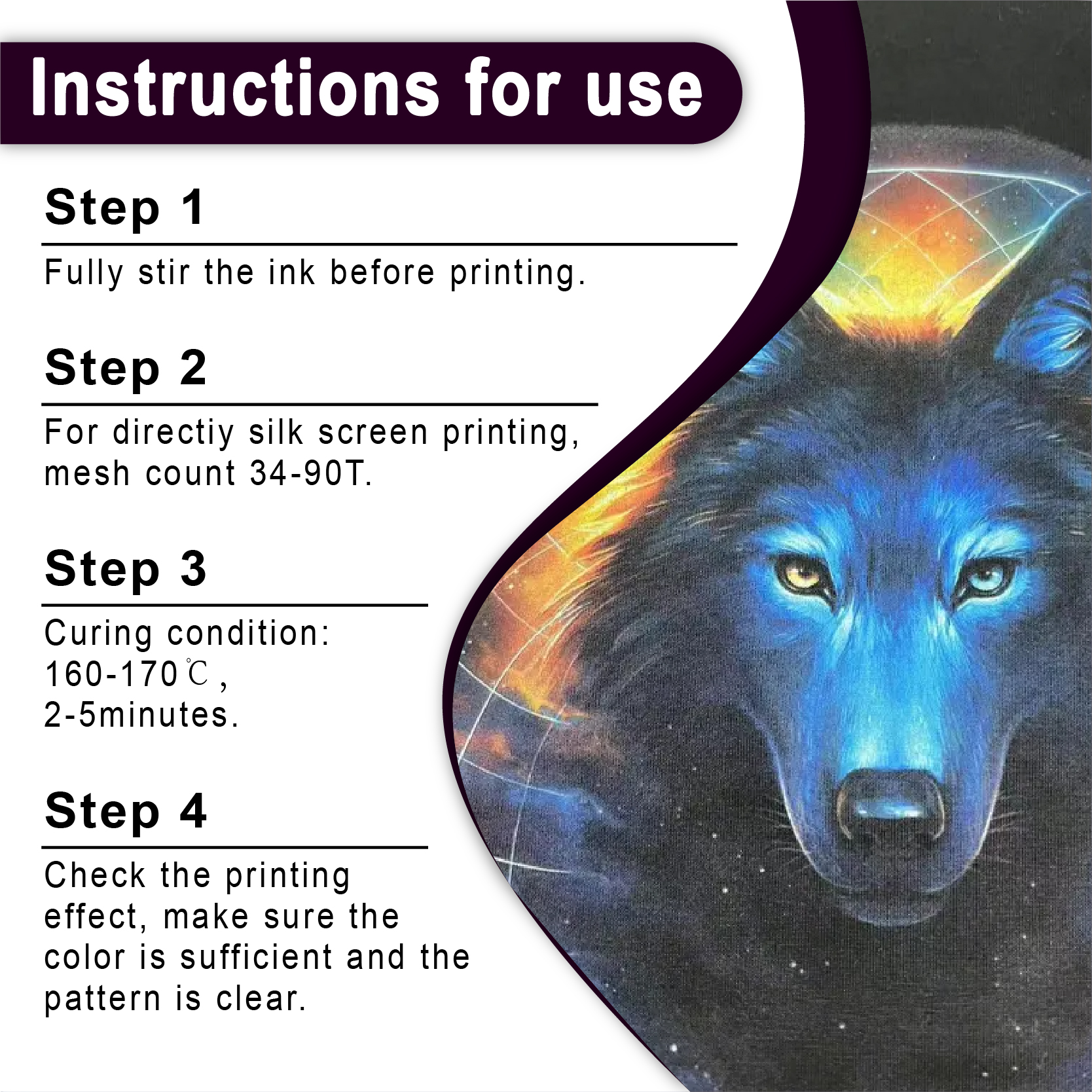
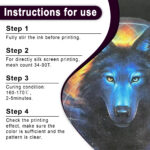
If you don’t hit the right temperature, your customer’s first laundry day will be your last day working for them. Most Screen Printing Ink Shops will tell you that 320°F (160°C) is the magic number. However, I’ve found that with the richness of the Violet Red pigment, you want a slow, steady bake in the dryer.
| Parameter | Recommended Setting | Why it matters |
| Flash Temp | 220°F (105°C) | Sets the surface so you can overprint. |
| Full Cure Temp | 320°F (160°C) | Ensures the ink bonds to the fabric forever. |
| Dwell Time | 45-60 Seconds | Allows the heat to penetrate the entire ink film. |
The “Deep Red” Dilemma: Underbasing and Opacity
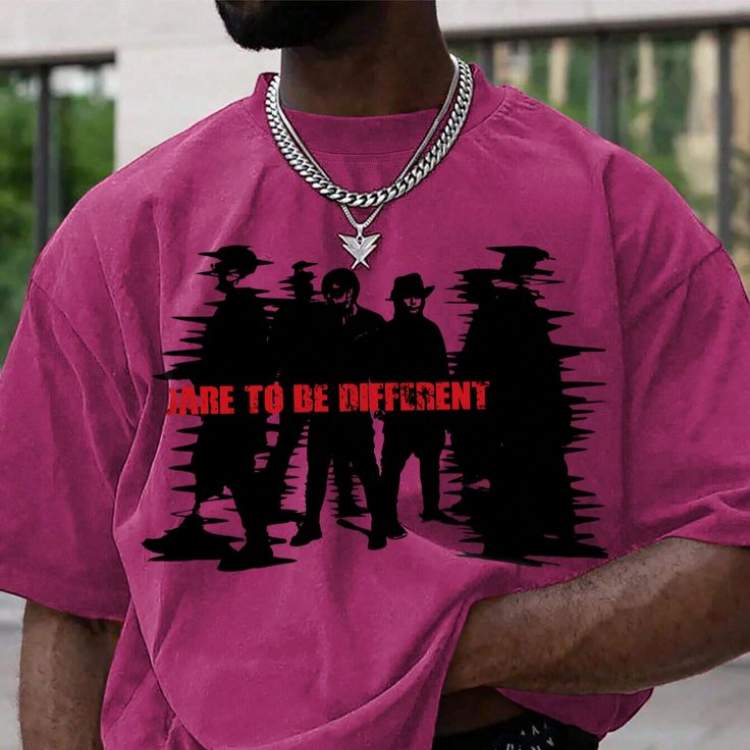
One of the biggest headaches in our industry is printing light colors on dark shirts. Violet Red is a “mid-tone” beast. If you print it directly onto a black hoodie, it’s going to vanish.
To get that true, vibrant Violet Red, you need a solid White PVC Free NB Screen Printing Ink as an underbase.
My Personal Pro-Tip: Don’t just “hit-flash-hit” the Violet Red. Hit the white, flash it until it’s just dry to the touch (not tacky), and then lay the Violet Red on top with a light touch. This creates a “sandwich” effect that keeps the color pure.
shein@v1@151
Business Logic: Why Quality Ink is Actually Cheaper
I’ve met too many shop owners who try to save $5 a gallon by buying “mystery ink” from a Screen Printing Ink Wholesale site that looks like it was designed in 1994. Here is the problem: cheap ink has low pigment loads.
If you have to print three layers of cheap ink to get the same vibrancy as one layer of Shaliteink, you are:
-
Wasting time (labor is your biggest expense).
-
Wasting electricity on the flash dryer.
-
Producing a shirt that feels like a piece of cardboard.
When you use a premium Plastisol Ink Supplier, you get a “Soft Hand” feel even with plastisol. Your customers will actually want to wear the shirt, which means they’ll come back to you for the next order.
Exploring the “Green” Side: PVC-Free Options
The industry is changing. If you’re bidding for contracts with boutique fashion labels, they’re going to ask about your environmental footprint. This is where PVC Free Plastisol Ink comes into play.
I was a skeptic at first. I thought “PVC-free” meant “hard to print.” I was wrong. Modern formulas, like the Eco-Friendly Screen Printing Ink from Shaliteink, behave almost exactly like traditional plastisol but without the phthalates and toxic baggage.
If you want to offer a “premium” tier for your clients, try using the Violet PVC Free NB Screen Printing Ink or mixing your own custom Violet Red using their PVC-free bases. It’s a massive selling point.
Troubleshooting Your Violet Red Prints
Even with the best Metallic Ink Shop or standard ink supplier, things can go sideways. Here’s how I fix the common stuff:
-
Fibrillation (The “Fuzzy” Look): If you see tiny white fibers sticking through your beautiful Violet Red ink, your ink deposit is too thin or your pressure is too high. Use a thicker Photosensitive Emulsion to create a deeper “well” for the ink.
-
Ink Creep: If the Violet Red starts blurring at the edges, your ink is likely too thin (too much reducer) or your shop is too hot. Keep your ink at a stable room temperature.
-
The “Ghosting” Effect: Ensure you are using an Anti Migration Screen Printing Ink Plastisol if you are printing on polyester blends.
Comparative Analysis: Shaliteink vs. The “Other Guys”
| Feature | Shaliteink Violet Red | Typical Budget Ink |
| Pigment Density | High (1-2 passes) | Low (Needs 3+ passes) |
| Safety | Phthalate Free | Unknown / Often contains PVC |
| Stretch | 200% Elongation | Cracks easily |
| Creaminess | Ready to print | Often needs heavy stirring |
5 Burning Questions (FAQ)
1. Does Violet Red require a specific type of emulsion?
While you can use most dual-cure emulsions, I highly recommend a High Definition Photosensitive Emulsion. It holds the edges of the Violet Red much better, especially if you are doing halftone work.
2. Can I mix Violet Red with CMYK inks?
Absolutely. If you’re doing a Four Color Process Plastisol Ink job and you want to “boost” the reds in a specific area, you can use Violet Red as a spot color to add depth that CMYK simply can’t reach.
3. How do I make the ink “softer” to the touch?
If the client wants that “no-feel” print, mix in a soft-hand base (usually up to 25%). Just remember, this will slightly reduce the opacity.
4. Is this ink suitable for athletic wear?
Violet Red plastisol plays nice with cotton, but polyester is a different animal. If you’re hitting those 100% poly jerseys, don’t skimp. Grab an Elastic Screen Printing Ink Plastisol or a dedicated blocker. Otherwise, that print will snap like a dry twig the second someone tries to put it on.
5. What’s the shelf life of an opened bucket?
How long will that bucket last? Practically forever. Plastisol is the immortal of the printing world. I’ve found crusty buckets in the back of my shop that had been sitting for two years. A quick stir with a drill mixer, and it printed like it came off the truck yesterday.
Final Thoughts: Don’t Be Afraid of the Dark (Red)
In the world of direct-response marketing, we talk about the “Big Promise.” My big promise to you is this: If you stop competing on price and start competing on color and quality, your business will transform.
Using a color like Violet Red shows your clients that you have an eye for design. It shows you aren’t just a “t-shirt guy”—you’re a decorator. And decorators make the real margins.
So, next time you’re browsing a Screen Printing Ink Kit, don’t just grab the standard colors. Reach for the Violet Red Screen Printing Plastisol Ink. Your dryer can handle it, your screens will love it, and your customers will thank you for it with their wallets.
| Size |
8oz ,16oz ,32oz |
|---|
9 reviews for Violet Red Screen Printing Plastisol Ink
Clear filtersOnly logged in customers who have purchased this product may leave a review.
Related products
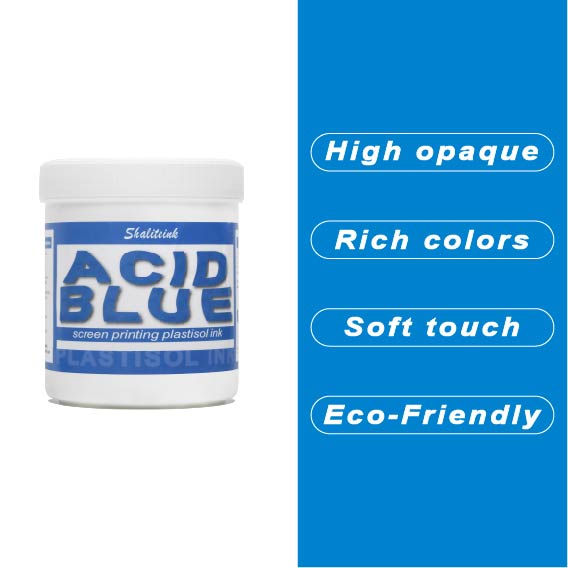
Acid Blue Screen Printing Plastisol Ink
Stop settling for those flat, muddy blues that disappear the moment they hit the fabric. Our Acid Blue Screen Printing Plastisol Ink is built for printers who want a high-voltage, punchy finish that actually grabs attention. It’s a creamy, high-pigment formula that shears through the mesh like a dream and stays wet on your screen—not in it—so you can take a breather without coming back to a clogged stencil.
Whether you’re pushing it through a fine 230 mesh for detail or laying down a bold 110 block on a hoodie, this ink delivers that professional-grade opacity and a buttery smooth hand-feel. It’s the kind of "secret weapon" ink that survives the dryer and the washing machine without cracking or peeling. If you’re looking to level up your streetwear game with a blue that stays vibrant wash after wash, you just found it.
Black Screen Printing Plastisol Ink
Stop settling for "dark gray" and calling it black. Our Black Plastisol Ink is engineered for printers who are tired of fighting with gummy, thick inks that clog screens and look dull on the shirt. It’s got a buttery, creamy consistency that glides through high mesh counts but stays opaque enough to kill the garment color in a single pass. Whether you’re hitting a 100% cotton tee or a tricky blend, this ink cures to a flexible, matte "midnight" finish that won’t crack or peel after the first wash. It’s the professional, retail-grade black your customers actually expect.
Safety doesn't have to mean a sacrifice in performance, either. Our formula is completely phthalate-free (with PVC-free options available) so you can print for high-end brands without the chemical headache. It flashes fast, stays open on the screen, and holds crisp detail without heavy build-up. If you want a workhorse ink that makes your shop more efficient and your prints look like they came from a boutique, this is the bucket you keep on the press.
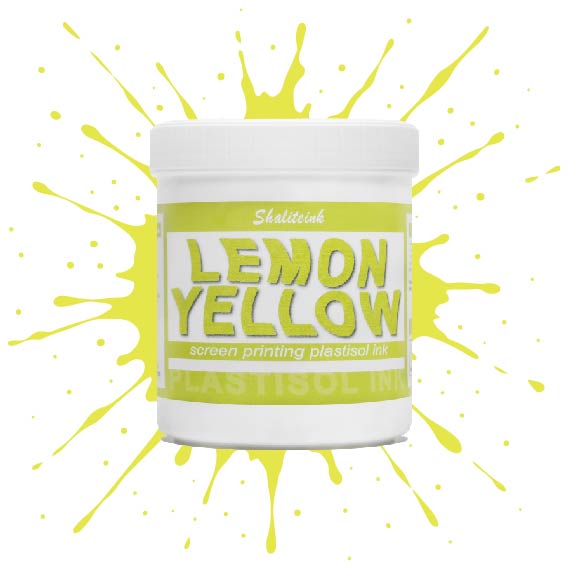
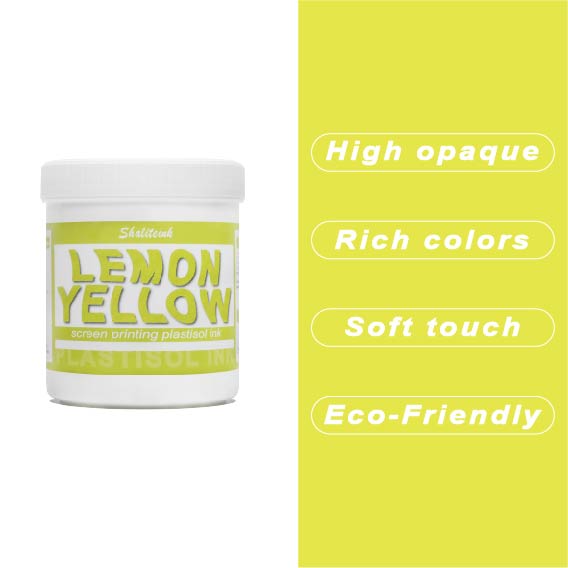
Deep Lemon Yellow Screen Printing Plastisol Ink
Stop fighting with "ghostly" yellows that turn muddy and translucent the second they touch a navy or black shirt. Shaliteink’s Deep Lemon Yellow is the heavyweight champion of the palette, engineered with a massive pigment load that provides incredible opacity without that stiff, "bulletproof" feel. It’s a punchy, high-saturation hue—sitting right in the sweet spot between a bright primrose and a rich goldenrod—that maintains its zesty, electric vibe even on the darkest fabrics.
Designed for the printer who’s tired of exhausting "print-flash-print" marathons, this ink features a creamy, short-bodied consistency that shears through your mesh like butter. Whether you’re hitting 100% cotton or tricky blends, you get a retail-ready, soft-hand finish that stays vibrant wash after wash. Don't just settle for a dull yellow; give your designs the "high-voltage" pop they deserve with a formula that actually has the guts to stand out.
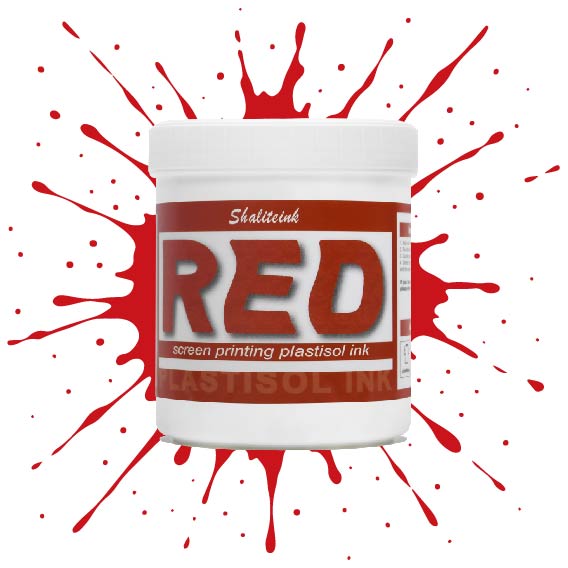
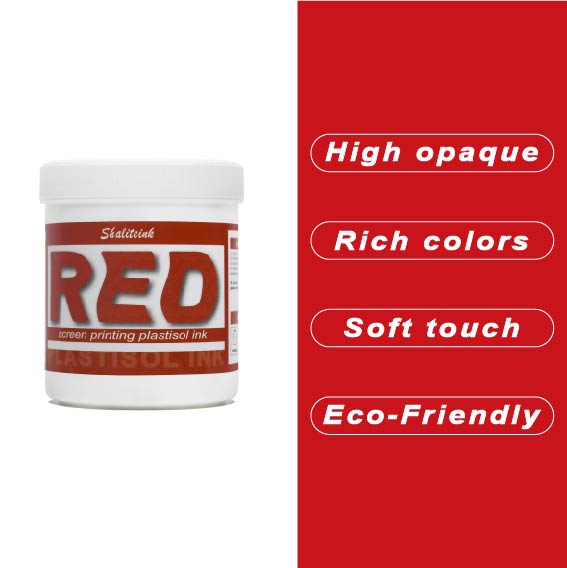
Deep Red Screen Printing Plastisol Ink
Stop settling for "red-turned-pink" disasters on your dark garments. Our is engineered by textile chemistry professionals for printers who demand a deep, retail-ready crimson without the technical headaches. Whether you are a DIY enthusiast or a growing boutique brand, this ink delivers a buttery-smooth consistency that clears the mesh easily and stays vibrant wash after wash.
We have prioritized both safety and high-end performance, ensuring our formula is and non-phthalate to meet rigorous international standards like OEKO-TEX. Optimized for both standard and low-cure environments (setting as low as 270°F-280°F), it effectively minimizes dye migration on tricky polyester blends while maintaining the soft, professional hand feel that defines premium apparel.
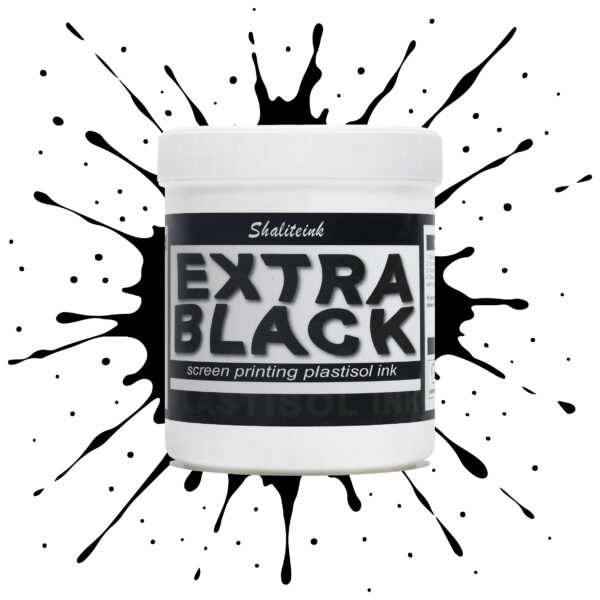
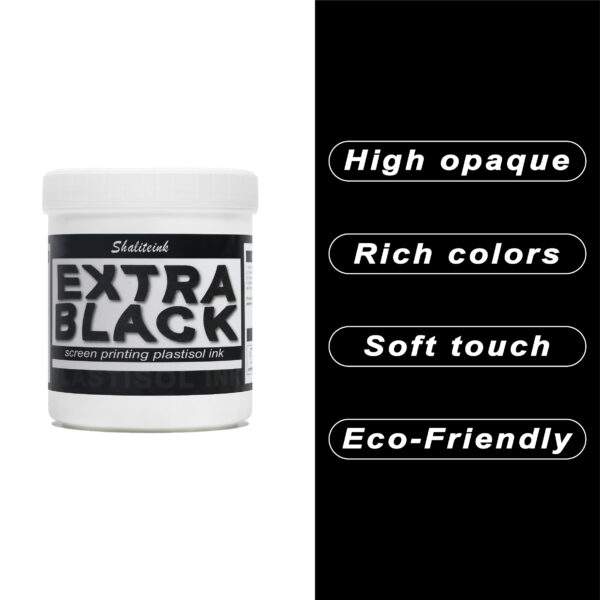
Extra Black Screen Printing Plastisol Ink
Stop settling for "charcoal" when your customers are asking for midnight. Shaliteink’s Extra Black isn't just another dark ink; it’s a high-pigment powerhouse designed to kill transparency in a single stroke. While budget blacks often look like faded espresso on dark cotton, our formula delivers a dense, "black hole" finish with a professional matte touch that feels as good as it looks.
It’s built for the daily grind—creamy enough to shear through fine mesh without a fight, yet bold enough to keep its depth after a hundred laundry cycles. If you’re tired of double-printing just to get a decent solid, this is the upgrade your press deserves. No fillers, no grey tones—just the deepest, most reliable black in the business.
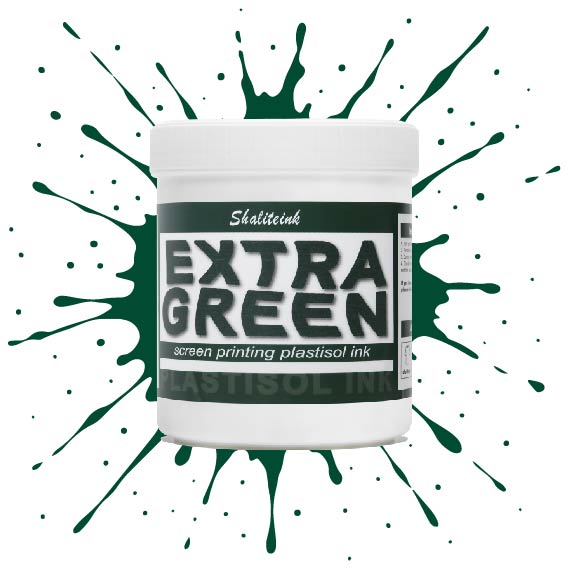
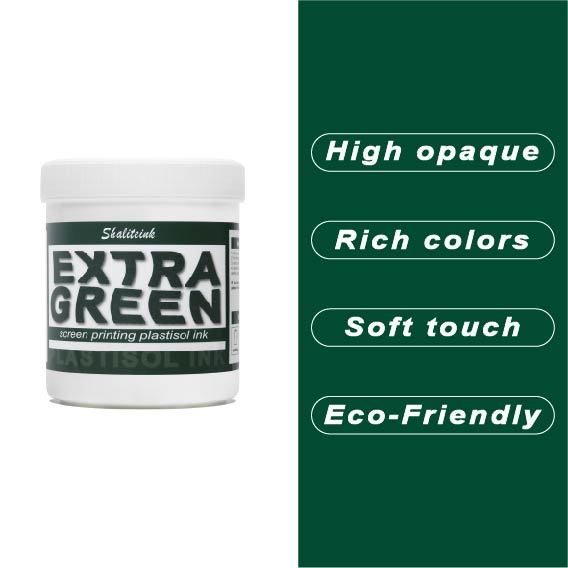
Extra Green Screen Printing Plastisol Ink
Tired of greens that disappear into the fabric or look like muddy swamp water on a dark hoodie? Our Extra Green Plastisol Ink is the real deal for printers who want a punchy, high-vis pop without that heavy "body armor" feel. It’s got a buttery, room-temperature texture that shears like a dream under the squeegee—meaning no more wrist-killing stirring sessions or clogged mesh. One hit through a 156-mesh and you’ll see the difference: it’s vibrant, insanely opaque, and stays flexible enough to survive the "Gorilla Stretch" test without cracking.
Whether you're a DIY enthusiast or running a high-speed auto press, this is the ink you keep on the top shelf. It handles the flash-cure quickly and sticks to the shirt, not your screen, so you can stop wasting money on ruined inventory and start delivering prints that make customers ask, "How'd you get it that bright?" Don't settle for "okay" green—go with the pro-grade formula that's built for durability and serious color.
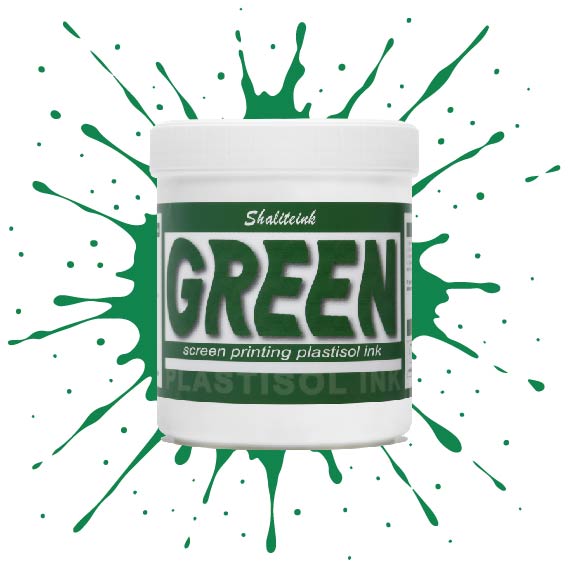
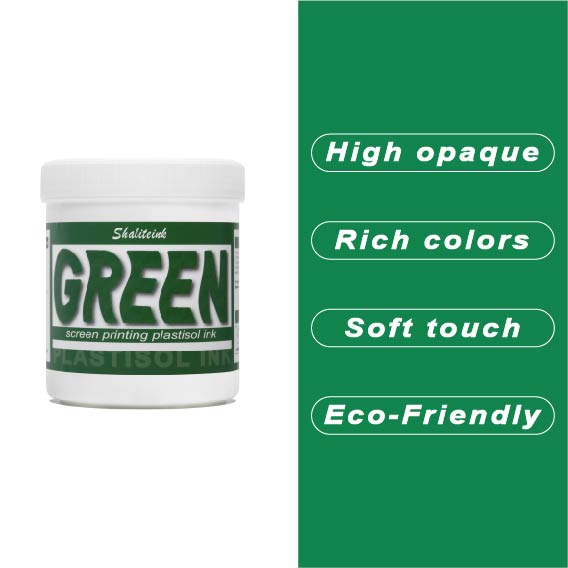
Green Screen Printing Plastisol Ink
I spent too many late nights breathing in sharp fumes in my garage but I finally fixed that with Shaliteink’s green ink. It isn't that old-school toxic stuff for it is safe for your home shop and stays 100% clear of nasty PVC. You get a bold pop of color that feels less like industrial labor and more like spreading thick icing on a fresh cake.
This ink cures at a low 260°F so you save cash on power and your shirts won't shrink into doll clothes. It sits on dark cotton with a soft touch that stays bright for over fifty washes. Ditch the fumes and start making pro gear right from your own kitchen.
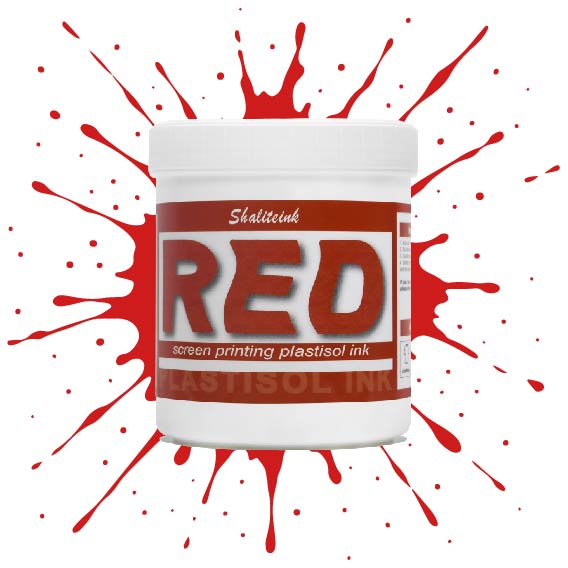
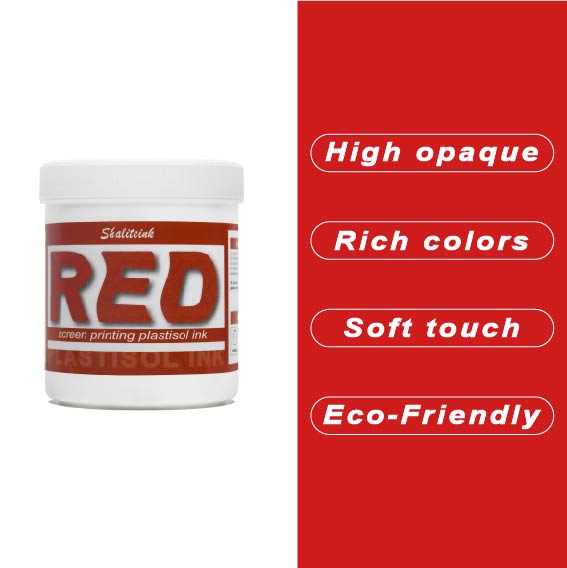
Red Screen Printing Plastisol Ink
Stop fighting with reds that look like a faded smudge on dark hoodies. If you've spent your morning watching a "bright" red turn into a muddy brown because the ink has no backbone, you need this stuff. It’s got the heavy-weight opacity to hold its own against black fabric while staying creamy and ready to pull all shift long. No more clogs, no more "emergency room panic" at the dryer—just a clean, punchy red that actually earns its keep.
It doesn't matter if you're hitting an underbase or going direct to cotton; this plastisol stays open on the mesh until you're ready to cure. It’s built for the printer who’s tired of "good enough" and wants a red that grabs attention and stays on the shirt, wash after wash. Stop wasting time with watery, thin inks and get a red that does the job the first time.
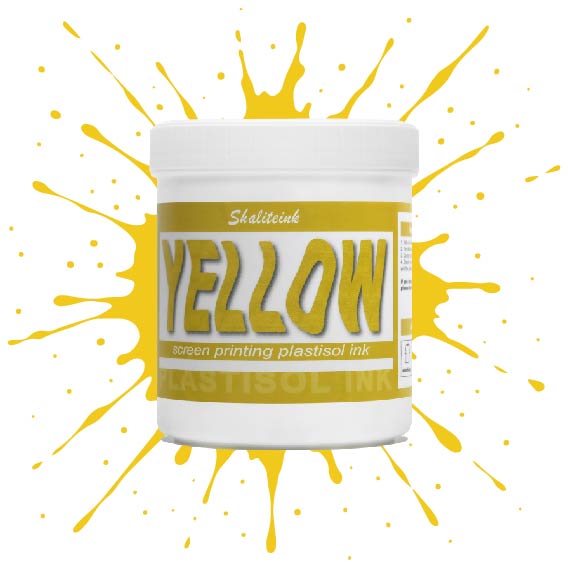
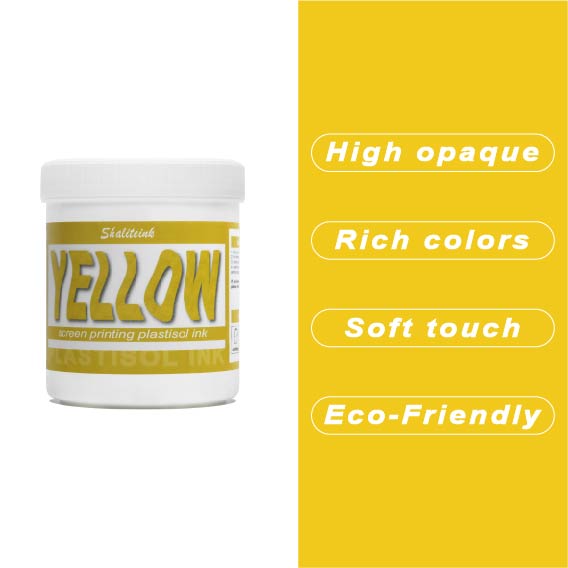
Yellow Screen Printing Plastisol Ink
Stop settling for "swamp green" prints when you're aiming for a sunburst. Yellow is the ultimate diva of the ink shelf—it’s naturally translucent and notoriously difficult to print on dark fabrics without looking muddy or weak. That’s why we engineered Shaliteink’s Yellow Plastisol with a heavy pigment load. It’s specifically designed to sit perfectly atop a white underbase, delivering a punchy, "see-it-from-across-the-street" vibrancy that actually stays bright after it hits the dryer.
Whether you're chasing the crisp, electric pop of Lemon Yellow or the varsity-jacket warmth of our Golden Yellow, these inks are buttery smooth and won't dry in your mesh mid-run. We’ve dialed in the formula to eliminate thin, streaky coverage, giving you a creamy consistency that makes every pull feel like a win. If you want retail-ready shirts that don't crack or fade after a few washes, this is the yellow your squeegee has been begging for.
 EN
 DE
 ES
 PT
 JA
Ana Costa –
Ótimo custo‑benefício. Ótimo custo‑benefício. Ótimo custo‑benefício. Fácil de usar e resultados consistentes. Aplicação suave e desempenho confiável. Ótimo custo‑benefício. Superou minhas expectativas. Superou minhas expectativas. Funciona muito bem no dia a dia. Funciona muito bem no dia a dia. Fun
Anna Schmidt –
Hochwertige Qualität und schnelle Lieferung. Hochw
Emily Davis –
Quality feels premium and delivery was fast. Quali
Anna Schmidt –
Leicht zu nutzen und konstante Ergebnisse. Leicht
Pedro Souza –
Aplicação suave e desempenho confiável. Funciona m
Piotr Zielinski –
Łatwa aplikacja i niezawodne działanie. Wysoka jak
Pedro Souza –
Ótimo custo‑benefício. Qualidade excelente e entrega rápida. Funciona muito bem no dia a dia. Ótimo
Emily Davis –
Works extremely well for my daily tasks. Easy to use and consistent results. Quality feels premium a
Sarah Miller –
Easy to use and consistent results. Works extremely well for my daily tasks. Quality feels premium a