
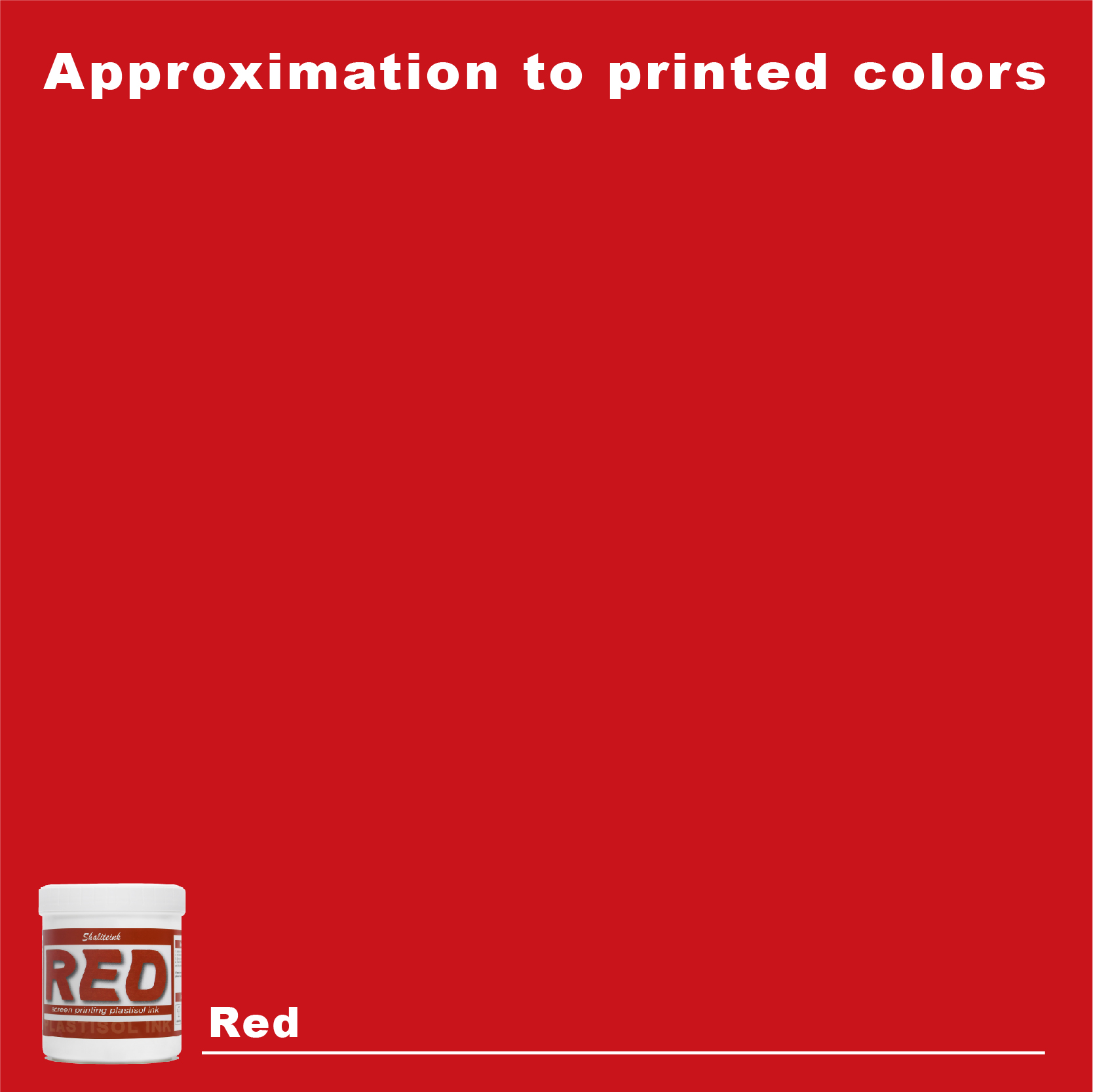
Deep Red Screen Printing Plastisol Ink
价格范围:$15.90 至 $30.88
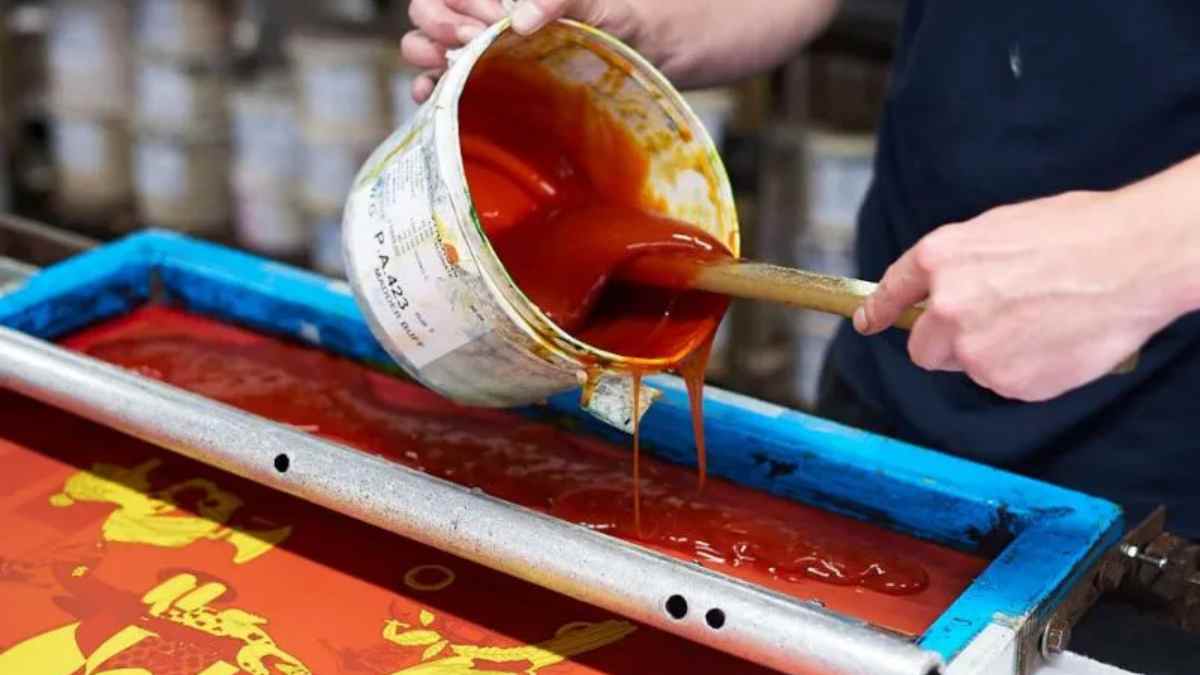
Stop settling for “red-turned-pink” disasters on your dark garments. Our is engineered by textile chemistry professionals for printers who demand a deep, retail-ready crimson without the technical headaches. Whether you are a DIY enthusiast or a growing boutique brand, this ink delivers a buttery-smooth consistency that clears the mesh easily and stays vibrant wash after wash.
We have prioritized both safety and high-end performance, ensuring our formula is and non-phthalate to meet rigorous international standards like OEKO-TEX. Optimized for both standard and low-cure environments (setting as low as 270°F-280°F), it effectively minimizes dye migration on tricky polyester blends while maintaining the soft, professional hand feel that defines premium apparel.
The Crimson King: A No-Nonsense Guide to Mastering Deep Red Plastisol Ink
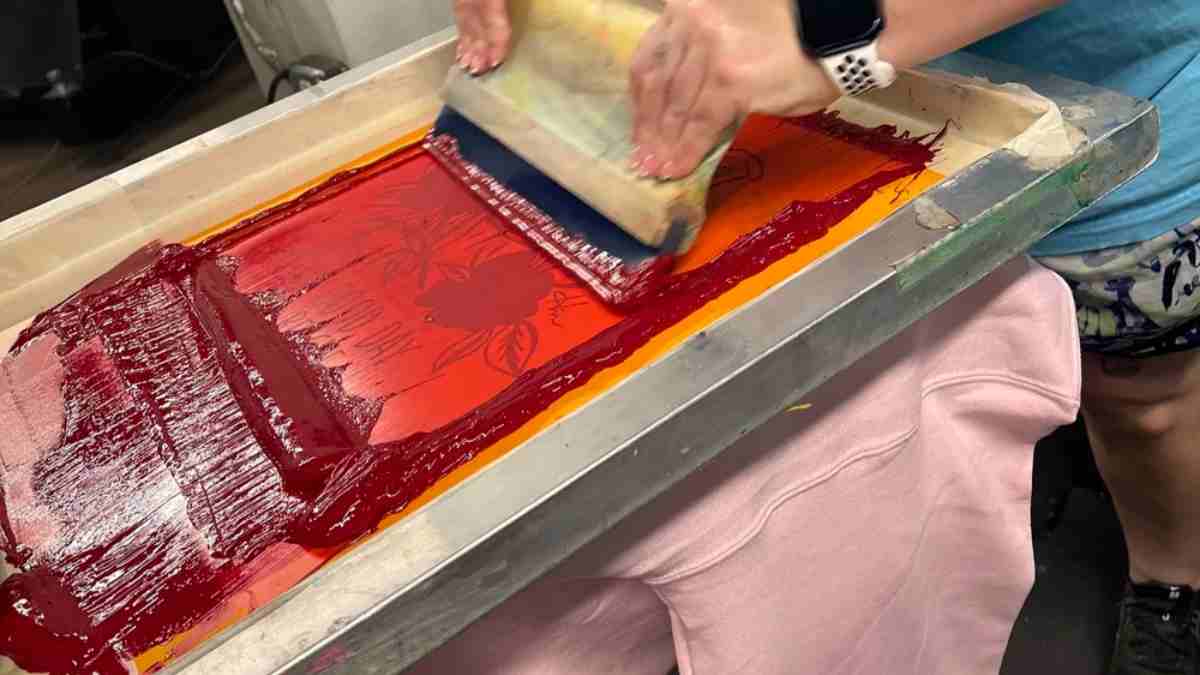
Listen, I’ve been around the block—and the conveyor dryer—more times than I care to admit. If you’ve ever tried to print a deep, rich crimson logo on a jet-black hoodie only to have it look like a faded pink disaster after a single wash, you know exactly why I’m writing this. Red is the “diva” of the textile world. It’s temperamental, it’s transparent, and if you don’t treat it with respect, it will ruin your reputation faster than a clogged 305-mesh screen.
In my years as a Plastisol Ink Manufacturer, I’ve learned that achieving that perfect “blood red” isn’t just about the ink in the bucket; it’s about the science of the squeeze. Today, I’m pulling back the curtain on how we handle Deep Red Screen Printing Plastisol Ink to get those high-end, retail-ready results that procurement managers rave about.
1. The Anatomy of a Perfect Red: Why It’s Different
Most printers treat red like any other color. Big mistake. Red pigments, specifically the deep maroons and burgundies, have a molecular structure that often lacks the inherent opacity of, say, a Lemon Yellow or a Bright White.
When you’re sourcing from a Plastisol Ink Supplier, you aren’t just buying color; you’re buying a rheological formula. Standard reds are often translucent. To get that “Deep Red” look on dark fabrics, you need a high-pigment load that doesn’t turn into a brick on the screen.
The Physics of Opacity
The challenge with deep red is “light absorption.” On a white shirt, it’s easy. On a black shirt, the black substrate “eats” the red light waves. This is why we almost always talk about the White PVC Free NB Screen Printing Ink underbase. Without that white “mirror” underneath, your deep red is just a dark shadow.
2. Technical Specifications & 2026 Market Data
The industry is shifting. As of April 2026, the global plastisol market is sitting at a cool $0.92 Billion. Why? Because despite the rise of digital, nothing beats the “pop” and durability of a well-printed plastisol design.
Curing: The “Make or Break” Zone
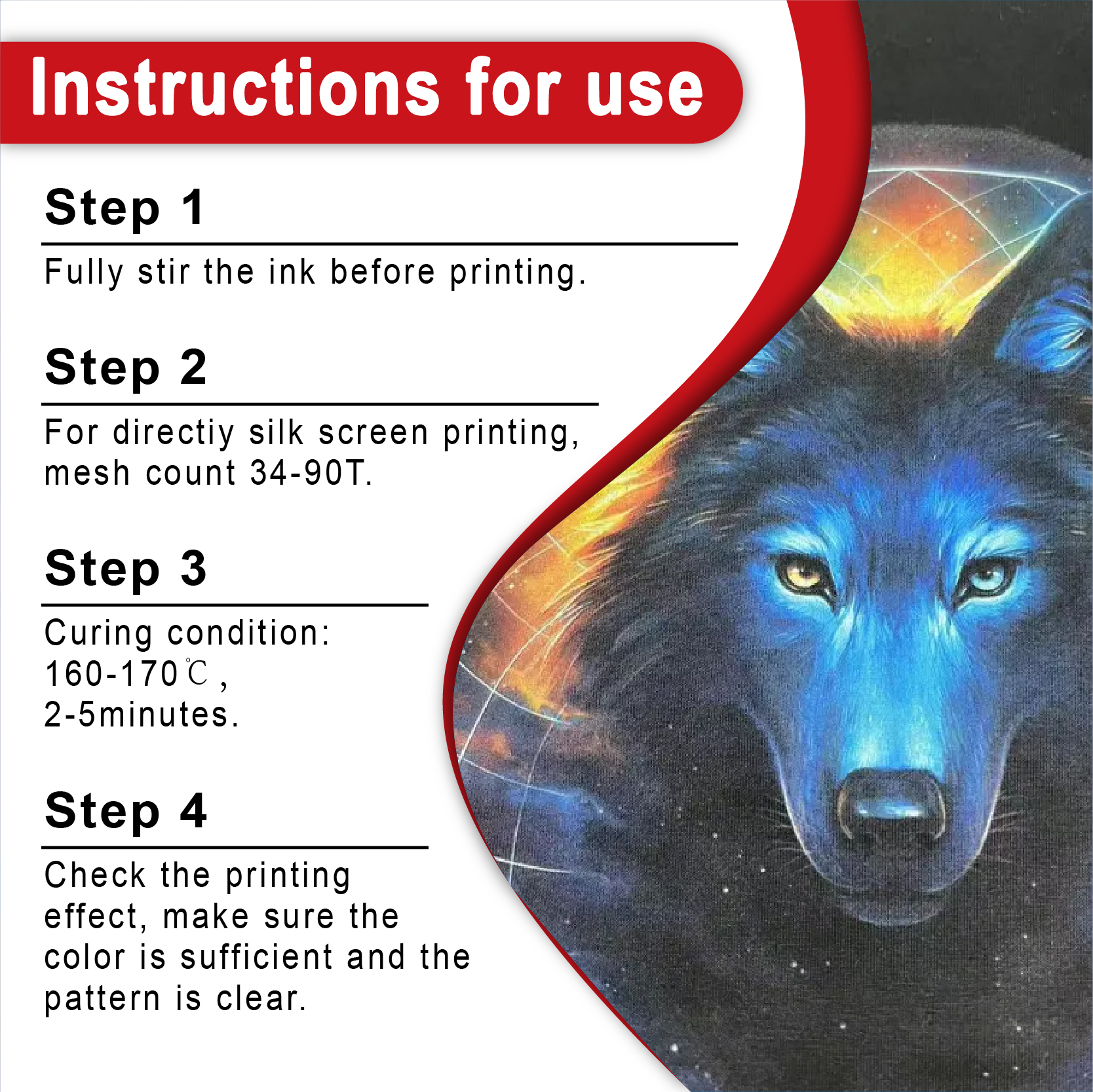
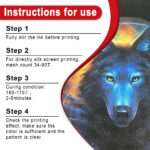
If you don’t hit the “sweet spot,” your red will peel. Period. Here is the data we use in the lab:
| Ink Type | Ideal Gel Temp | Final Cure Temp | Common Application |
| Standard Plastisol | 110°C (230°F) | 160°C (320°F) | 100% Cotton |
| Low-Cure (NB Series) | 90°C (194°F) | 135°C (275°F) | Synthetic Blends |
| High Density Ink | 120°C (248°F) | 165°C (330°F) | 3D Texture Prints |
Pro Tip: Always use a laser thermometer. If your Red Screen Printing Plastisol Ink doesn’t reach the core temperature, the resin won’t fully cross-link with the pigment, and you’ll face the dreaded “wash-off”.
3. The “Eco-Friendly” Revolution: PVC-Free Options
In 2026, compliance isn’t optional; it’s the ticket to the game. If you’re targeting high-end brands, you need to be looking at PVC Free Plastisol Ink.
I remember a client last year who almost lost a contract with a major athletic brand because their “deep red” contained trace phthalates. We switched them to Red PVC Free NB Screen Printing Ink. Not only did it pass every OEKO-TEX test, but the “hand feel” was significantly softer.
Why go PVC-Free?
-
Compliance: Meets REACH and GOTS standards.
-
Soft Hand: Buy PVC Free Plastisol Ink Blue Soft Hand formulations (and their red counterparts) feel like part of the fabric, not a plastic shield on the chest.
-
Marketing: You can charge a premium for “Eco-Friendly” prints.
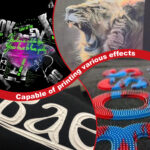
4. Special Effects: Taking Deep Red to the Next Level
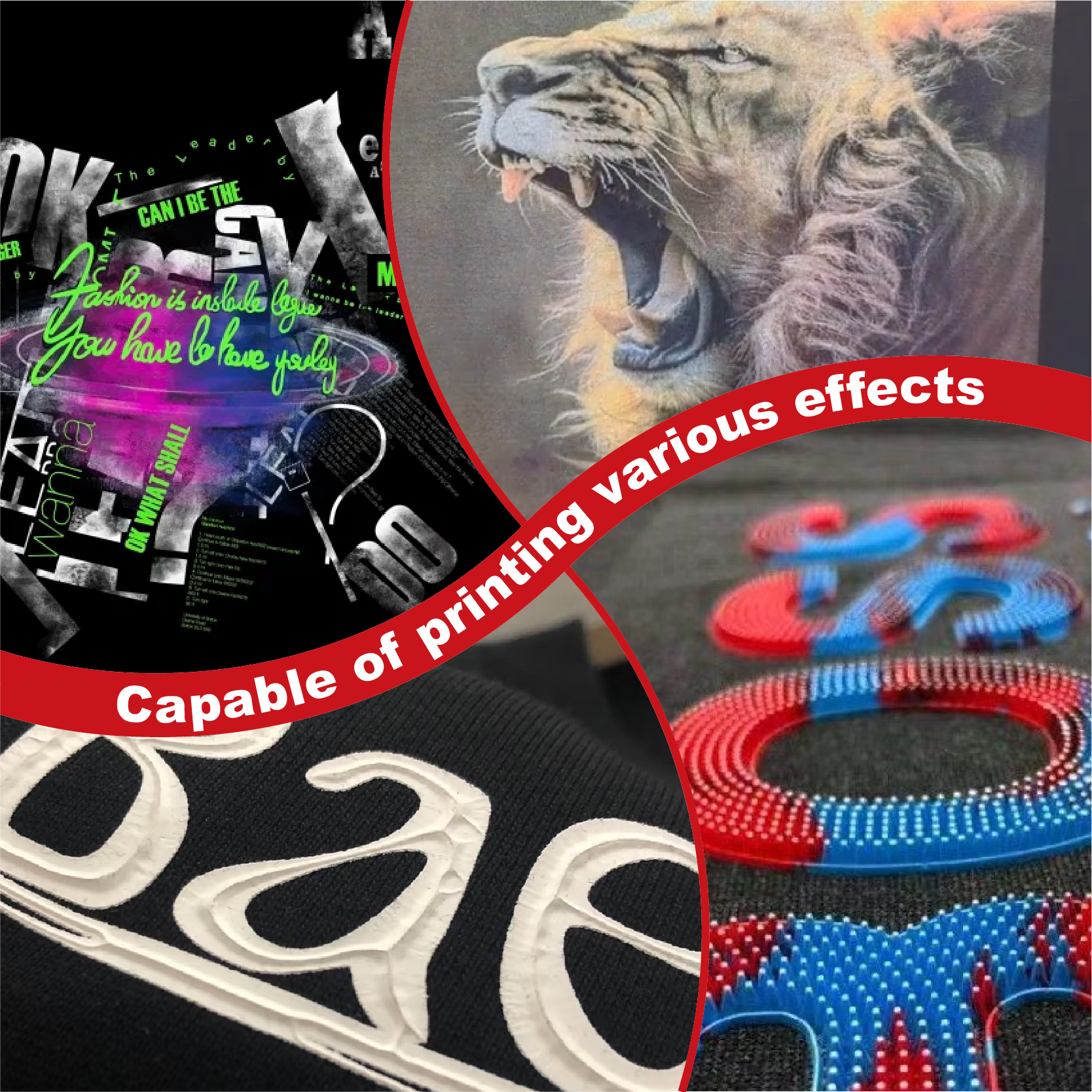
If you want to charge the big bucks, you can’t just do “flat” prints. You need “wow” factor.
The 3D “Puff” Effect
Imagine a deep burgundy logo that literally stands up off the shirt. Using Puff Screen Printing Ink Plastisol mixed with your deep red gives a tactile, premium feel that customers can’t stop touching.
Metallic and Shimmer
For holiday seasons or “luxury” streetwear, I often suggest a Metallic Screen Printing Ink base. If you mix a bit of Silver Screen Printing Ink Plastisol into a Purplish Red Screen Printing Plastisol Ink, you get a shimmering wine color that looks incredible under retail lights.
5. The Ultimate Troubleshooting Chart
We’ve all been there. The dryer is smoking, and the shirts look wrong. Here’s my “cheat sheet” for fixing deep red issues.
| Symptom | Diagnosis | Solution |
| Red looks “Orange” on Black | Dye Migration | Use Anti Migration Screen Printing Ink Plastisol as a blocker. |
| Ink is too thick to print | Cold Shop / High Viscosity | Stir for 5 mins; add 2% reducer if needed. |
| Red turns “Pink” after wash | Under-curing / Fibrillation | Increase dryer time; check Photosensitive Emulsion for sharp edges. |
| Ink cracks when stretched | Lack of Elasticity | Switch to Elastic Screen Printing Ink Plastisol. |
6. Sourcing Your Arsenal
You wouldn’t use a butter knife to perform surgery, so don’t use “budget” inks for professional jobs. When I’m setting up a new shop, I start with a Screen Printing Ink Kit to get the primary balances right.
For high-volume production, I always keep these on the shelf:
-
The Workhorse: Shaliteink Plastisol Ink in standard Red.
-
The Specialist: Deep Blue Screen Printing Plastisol Ink for those dark-on-dark contrast jobs.
-
The Detailer: High Resolution Photosensitive Emulsion to ensure the deep red halftones stay crisp.
7. A Word on Process: The CMYK vs. Spot Color Debate
When people ask me about Plastisol CMYK Ink, I tell them: “If you want a photo, go CMYK. If you want a brand, go Spot.”
Deep red is hard to “build” with Process Red Screen Printing Plastisol Ink. It often comes out looking a bit too magenta. For a true, deep red, I recommend using a dedicated Red Screen Printing Plastisol Ink as a spot color. Your customer’s brand guidelines will thank you.
8. FAQs: The Questions My Inbox Is Full Of
Q1: Can I mix standard red with black to make deep red?
-
A: You can, but it usually turns muddy. It’s better to start with a Deep Blue Screen Printing Plastisol Ink tint or buy a pre-mixed Purplish Red Screen Printing Plastisol Ink to maintain color vibrancy.
Q2: Why does my red ink feel “sticky” even after drying?
-
A: That’s likely “over-curing” or “poly-bleeding.” If the garment is a blend, the polyester dyes are gasifying. You need a NB Printing Ink line that cures at lower temperatures to avoid this.
Q3: How do I get a “vintage” look with deep red?
-
A: Easy. Use a high mesh count (230+) and add a “soft hand” base to your PVC Free Plastisol Ink Red. It allows the shirt texture to show through.
Q4: Is “PVC-Free” the same as “Water-Based”?
-
A: No. PVC Free Plastisol Ink is still a plastisol—it won’t dry in the screen like water-based ink, but it lacks the hazardous chemicals traditional plastisols have.
Q5: What’s the best way to clean up after a deep red run?
-
A: Red pigment is aggressive. Use a dedicated screen wash and ensure you’ve used a high-quality Photosensitive Emulsion Manufacturer approved stencil that won’t break down during the wipe-down.
Final Thoughts: Don’t Fear the Red
Screen printing is as much an art as it is a chemical process. Whether you are using Gold Screen Printing Ink Plastisol for a high-end look or just a standard Black Screen Printing Plastisol Ink base, the key is consistency.
Deep red doesn’t have to be your enemy. With the right Screen Printing Ink Wholesale partner and a bit of technical discipline, you can produce prints that are as deep and rich as a fine Bordeaux.
Now, go get some ink on your squeegee.
| Size |
8oz ,16oz ,32oz |
|---|
5 reviews for Deep Red Screen Printing Plastisol Ink
Clear filtersOnly logged in customers who have purchased this product may leave a review.
Related products
Bright Blue Screen Printing Plastisol Ink
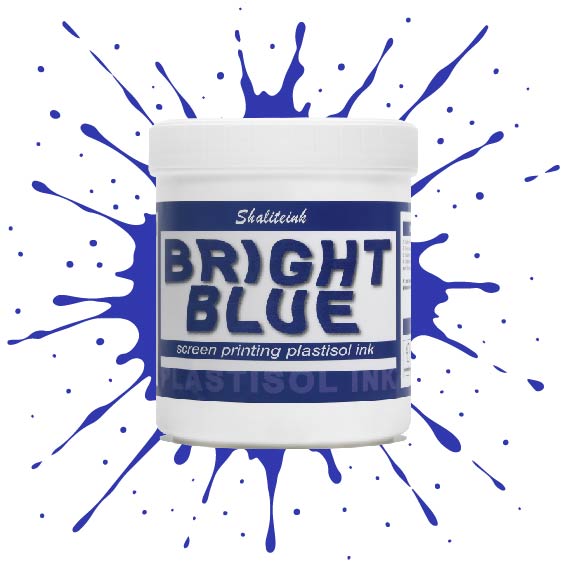
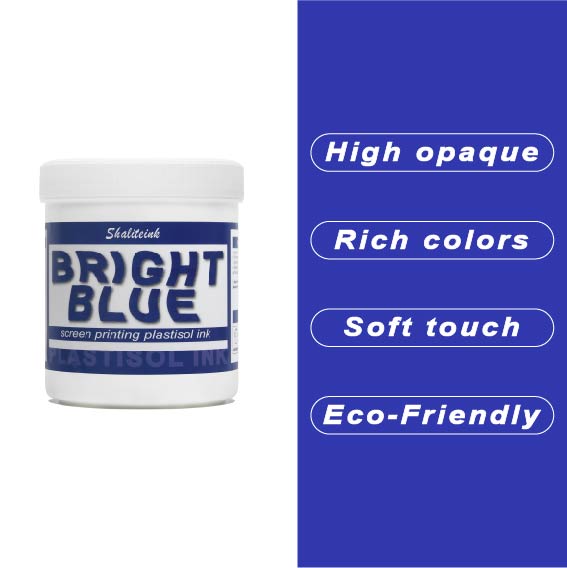
Stop settling for blues that look like dull office carpet and grab Shaliteink's Bright Blue Plastisol Ink to give your shirts a Mediterranean summer sky vibe. It flows as creamy as a fine béchamel but it stays as tough as an old leather boot once you've finished your print. Since this ink won't dry in your screen while you're busy you can finally focus on your craft without rushing.
We know you're likely printing from a home studio or a small shop so we've made this formula both high-opacity and eco-friendly. Our 'NB' line is phthalate-free and it meets the world's toughest safety standards like OEKO-TEX. Just give it a proper cure at 320°F (160°C) and you'll have a vibrant shirt that won't flake off after the first wash.
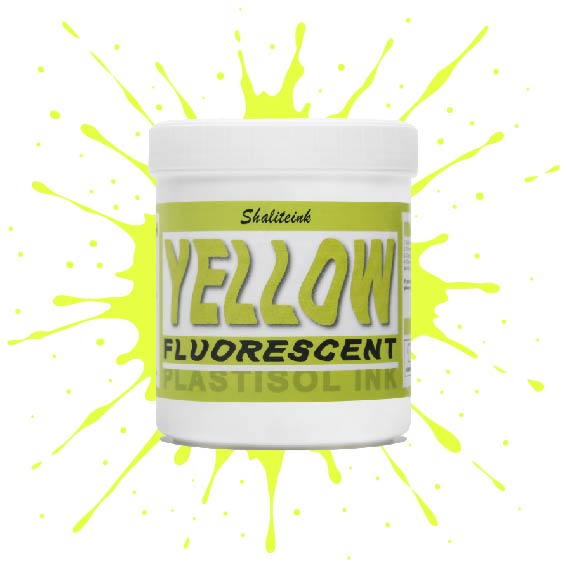
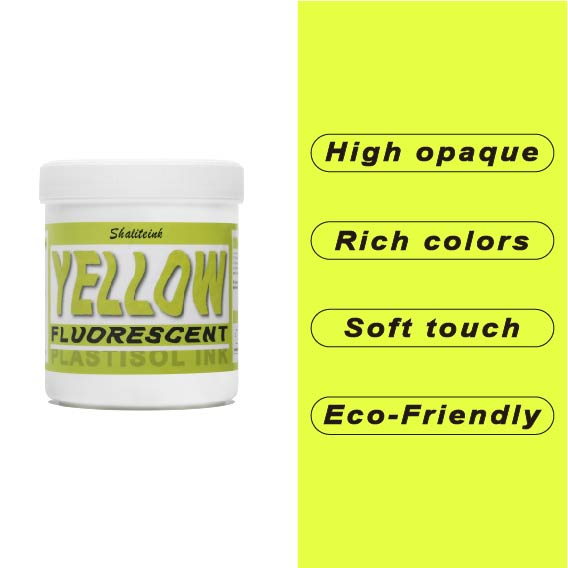
Fluorescent Yellow Screen Printing Plastisol Ink
If you’re tired of “neon” inks that look more like a faded highlighter than a professional print, this is the high-voltage glow-up your shop needs. Our Fluorescent Yellow isn’t just bright—it’s engineered to grab invisible UV light and turn it into a retina-burning pop that’s impossible to ignore. We’ve perfected the formula to be buttery smooth, so it shears cleanly through your mesh without you having to fight the squeegee on every stroke.
Whether you're cranking out safety gear or loud streetwear, this ink stays exactly where you put it and refuses to wash out or crack. It’s got a thick, creamy body that sits perfectly on the fabric (just remember that white underbase for the real magic) and we’ve stripped out the nasty chemicals to keep your workspace safe. Stop settling for muddy yellows and start printing colors that actually scream.
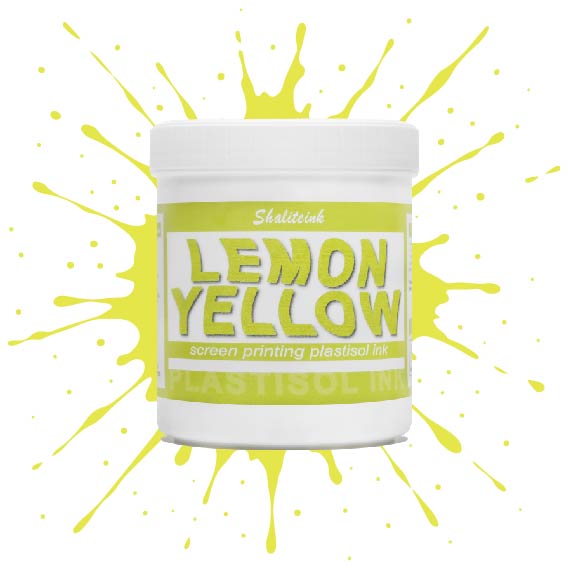
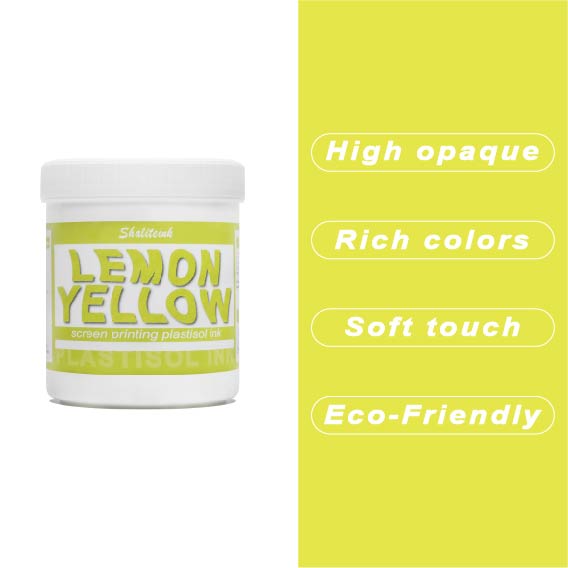
Lemon Yellow Screen Printing Plastisol Ink
If you’ve ever had a yellow ink vanish into the fabric or look like a transparent mess on a dark hoodie, you know the frustration. We built this Lemon Yellow Screen Printing Plastisol Ink to solve that exact headache. It’s packed with enough pigment to give you a punchy, electric finish over an underbase, but it still glides through a high-mesh screen without a struggle. It’s the kind of bright that grabs attention from across the street and stays that way, wash after wash.
What really makes this a shop favorite is the non-bleeding formula—it’s a total lifesaver for those tricky polyester blends that usually turn your yellow into a sickly green. You end up with a soft, flexible print that doesn't feel like a thick plastic sheet on the chest. It’s reliable, pro-grade ink that handles the heavy lifting for you, so you can actually enjoy the print run instead of fighting the equipment.
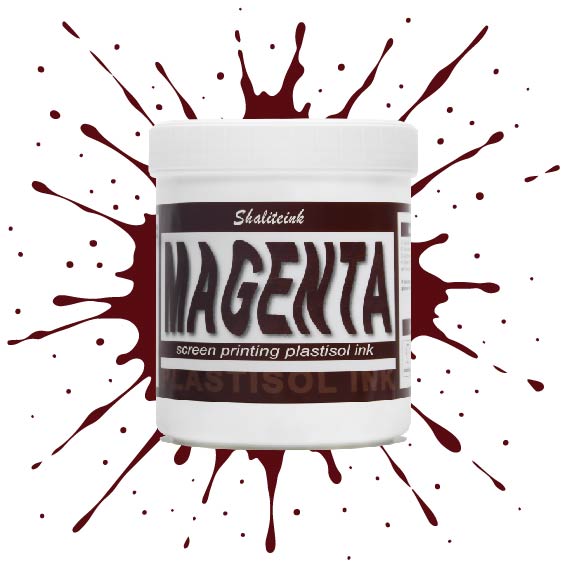
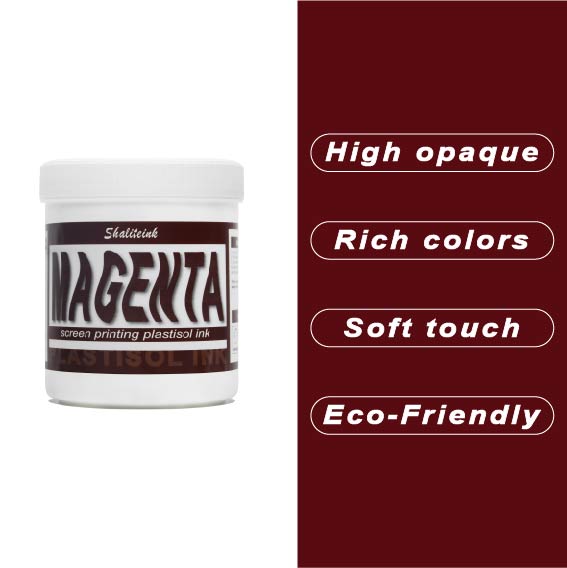
Magenta Screen Printing Plastisol Ink
Let’s be honest: nobody wants a magenta that looks like watered-down strawberry milk. You need a Magenta Screen Printing Plastisol Ink that actually bites. This Shaliteink formula is the real deal—thick enough to stay put on the mesh, yet it shears like silk the second your squeegee hits the screen. If you’re printing on darks, don’t play around; slap it over a crisp White Screen Printing Plastisol Ink base to make that color truly scream. It’s shop-ready, low-maintenance, and won’t turn into a brick on the screen while you’re off grabbing a coffee.
As a Plastisol Ink Shop that actually spends time on the press, we know the nightmare of cheap, chalky pigments. Our magenta is 100% phthalate-free and built for the long haul—no cracking, no peeling, just a wash-fast finish that usually outlasts the garment itself. Whether you’re just starting out with a Screen Printing Starter Kit or cranking out thousands on an automatic, this ink gives you that high-end retail "pop" without the typical plastisol headaches.
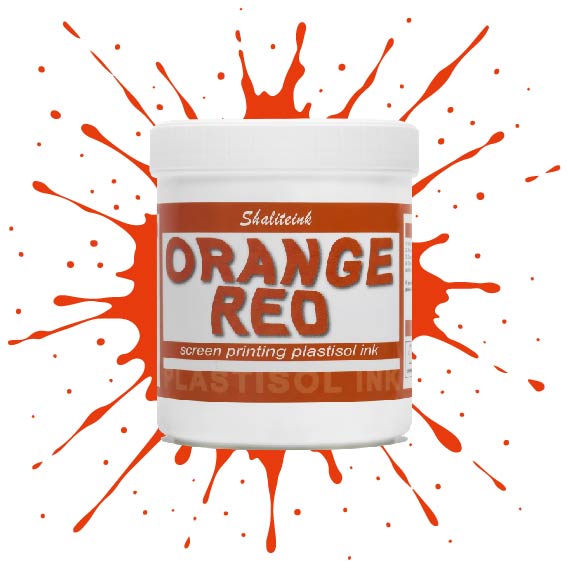
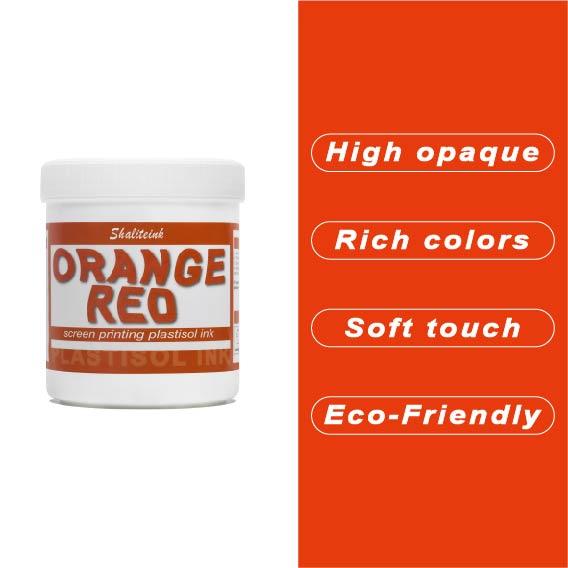
Orange Red Screen Printing Plastisol Ink
Tired of boring, predictable reds that just sit flat on the fabric? Our Orange Red Screen Printing Plastisol Ink hits that perfect sweet spot between molten lava and a classic Italian sports car. It is incredibly thick and creamy yet it will not dry on your screen if you need to step away for a lunch break. Whether you are printing bright summer gear on white cotton or putting it over a white underbase on black hoodies, this color practically vibrates. It gives you that aggressive "pop" streetwear brands crave without the headache of mixing custom colors yourself.
We made this ink to be bulletproof in the wash but we also kept it safe for your shop. It cures at the standard 320°F (160°C) and it is completely free of nasty phthalates. It flows beautifully through 110 to 156 mesh counts, giving you massive coverage with a surprisingly soft feel after it passes through the dryer. Stop settling for "good enough" prints and grab a bucket to make your apparel stand out from the crowd.
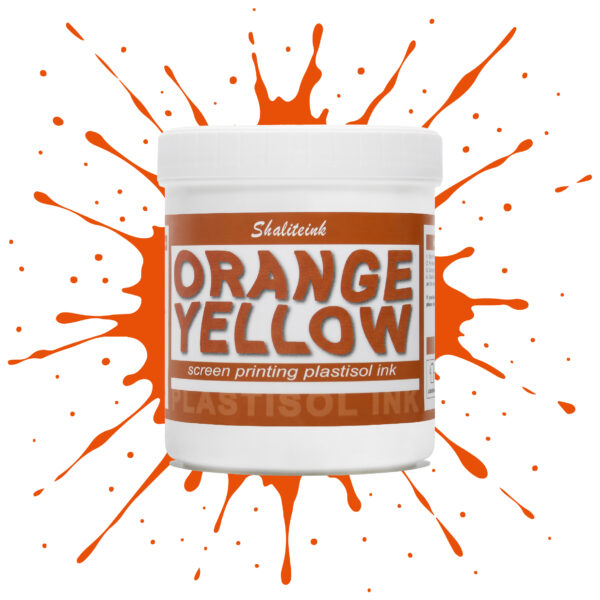
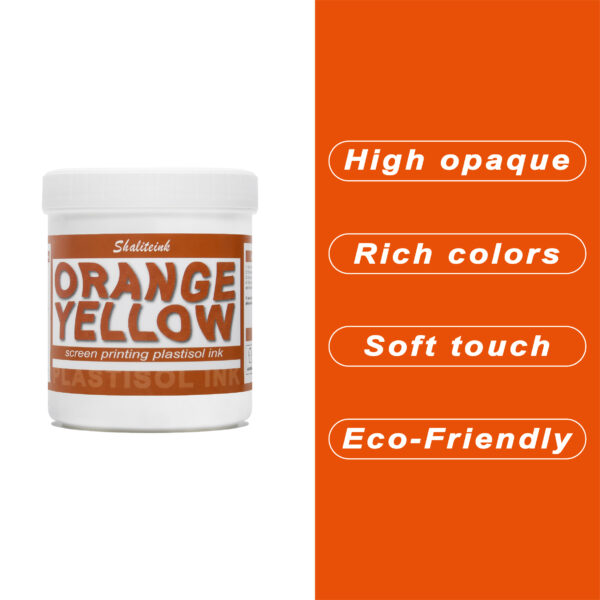
Orange Yellow Screen Printing Plastisol Ink
Stop settling for "muddy" yellows that disappear into dark fabric. I’ve found that the secret to a pop that actually turns heads is our Orange Yellow Screen Printing Plastisol Ink—a high-opacity powerhouse designed for printers who hate compromises. Whether you’re hitting athletic wear or retail tees, this ink stays vibrant thanks to its rich pigment loading. It is a bold, sun-soaked bridge between gold and orange that holds its own without feeling like a thick layer of plastic.
Safety shouldn't be a headache, so we made this formula entirely PVC-free and phthalate-free to keep your shop compliant and eco-friendly. Our Non-Bleed (NB) technology blocks dye migration on those tricky poly-blends, so your brights stay bright wash after wash. It’s smooth, easy to shear, and delivers a premium soft hand feel that will make your customers think you have a magic touch. Grab a jar and see why professionals trust Shaliteink to get the job done right.
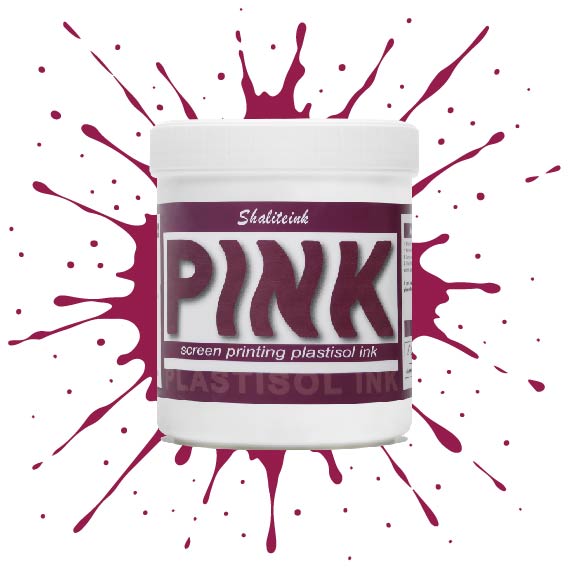
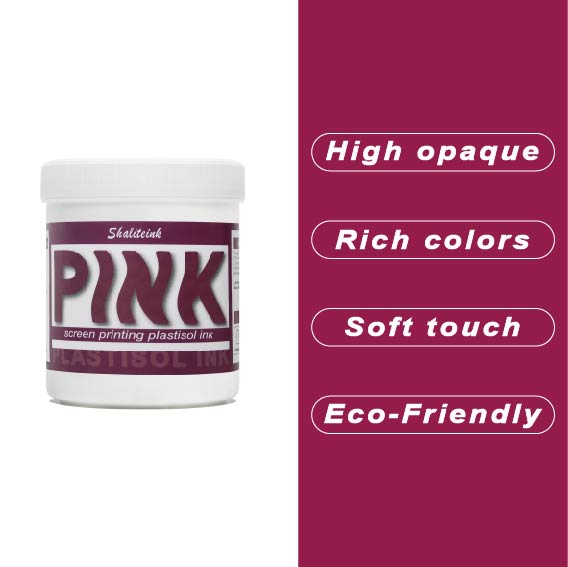
Pink Screen Printing Plastisol Ink
Stop settling for pinks that look like a "bruise" on dark fabric. Shaliteink’s Pink Plastisol is the high-saturation solution for printers who demand a pop that actually lasts. Engineered with an ultra-dense pigment load, this ink is designed to fight back against dark garment dyes, sitting proudly on top of the fibers for a vibrant, boutique-quality finish. It’s creamy right out of the bucket and practically immortal on the screen—it won’t dry in your mesh during a break, but it will deliver a crisp, traffic-stopping hue every time you pull the squeegee.
Built for the long haul, our phthalate-free formula fuses into a "bulletproof" film at 320°F, ensuring your designs survive fifty-plus wash cycles without cracking or fading. Whether you’re printing heavy-duty streetwear or soft cotton blends, Shaliteink gives you the professional-grade opacity you need without the stiff, "frozen yoga mat" feel. Don't just print another shirt; give your customers a reason to obsess over your craftsmanship with the pink that finally behaves.
Violet Red Screen Printing Plastisol Ink
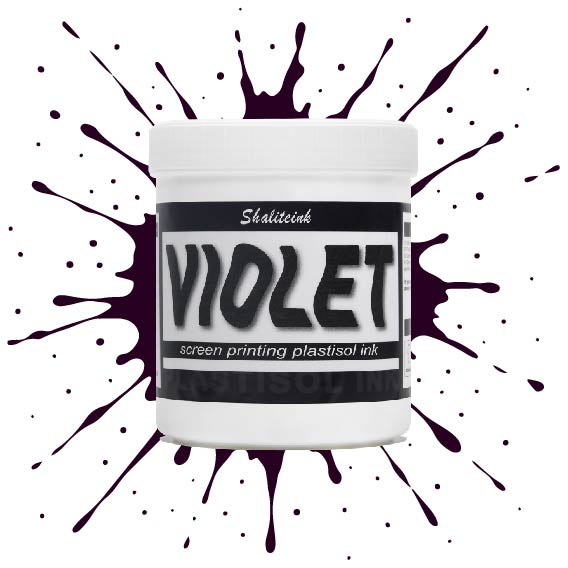
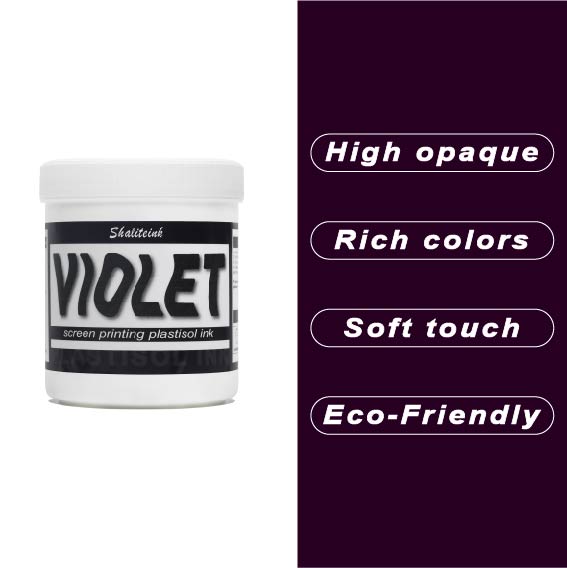
Honestly, most red inks look like they belong on a fast-food logo—loud, bright, and a bit cheap. But this Violet Red? It’s a whole different animal. It’s got that deep, moody wine tone that makes a basic $5 blank look like a $40 boutique piece. I've slapped this on pitch-black hoodies, and thanks to the heavy-duty opacity, the color actually stays true instead of turning into a dull, muddy bruise. It’s the "unfair advantage" you need when a client wants something that looks sophisticated rather than just another gym shirt.
Stop wrestling with ink that feels like cold peanut butter. This stuff is buttery right out of the bucket—no heavy-duty stirring or thinning required. You can go grab a coffee or deal with a delivery, and it won't scab over or ruin your screen while you're gone. And let's be real: nothing kills a brand faster than a print that cracks the second someone actually wears it. This formula moves with the fabric, stays soft to the touch, and survives the "hot wash" test without flaking off. It just works, so you can spend less time scrubbing screens and more time actually printing.
Yellow Screen Printing Plastisol Ink
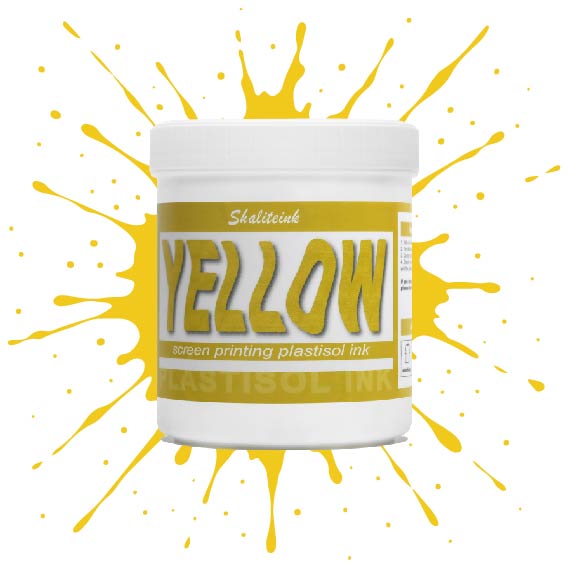
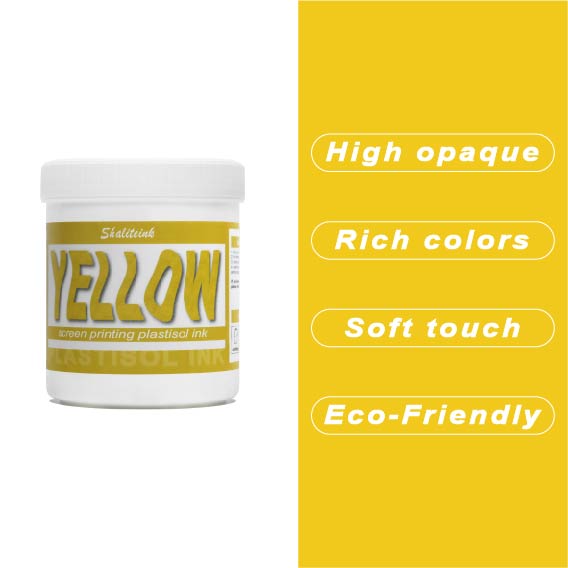
Stop settling for "swamp green" prints when you're aiming for a sunburst. Yellow is the ultimate diva of the ink shelf—it’s naturally translucent and notoriously difficult to print on dark fabrics without looking muddy or weak. That’s why we engineered Shaliteink’s Yellow Plastisol with a heavy pigment load. It’s specifically designed to sit perfectly atop a white underbase, delivering a punchy, "see-it-from-across-the-street" vibrancy that actually stays bright after it hits the dryer.
Whether you're chasing the crisp, electric pop of Lemon Yellow or the varsity-jacket warmth of our Golden Yellow, these inks are buttery smooth and won't dry in your mesh mid-run. We’ve dialed in the formula to eliminate thin, streaky coverage, giving you a creamy consistency that makes every pull feel like a win. If you want retail-ready shirts that don't crack or fade after a few washes, this is the yellow your squeegee has been begging for.
 EN
EN  DE
DE  ES
ES  PT
PT  JA
JA
Emma Phillips –
Quality feels premium and delivery was fast. Smooth application and reliable performance. Works extremely well for my daily tasks. Exceeded my expectations in most cases. Works extremely well for my daily tasks. Exceeded my expectations in most cases. Works extremely well for my daily tasks. Exceede
Daniel Wilson –
Works extremely well for my daily tasks. Smooth application and reliable performance. Very good valu
Kevin Turner –
Smooth application and reliable performance. Smooth application and reliable performance. Easy to use and consistent results. Exceeded my expectations in most cases. Easy to use and consistent results. Easy to use and consistent results. Easy to use and consistent results. Quality feels premium and
Jan Kowalski –
Przekroczyło moje oczekiwania.
Brian Cooper –
Very good value for the money.