
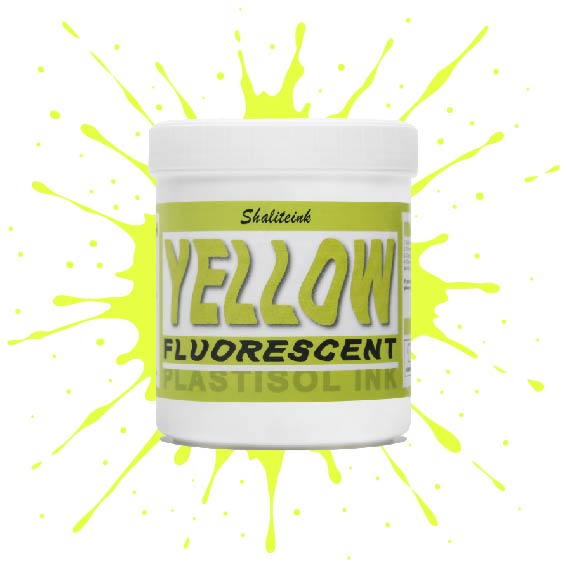
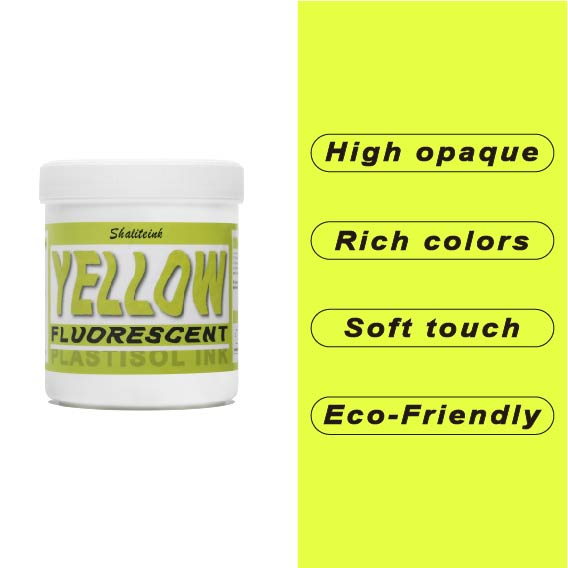
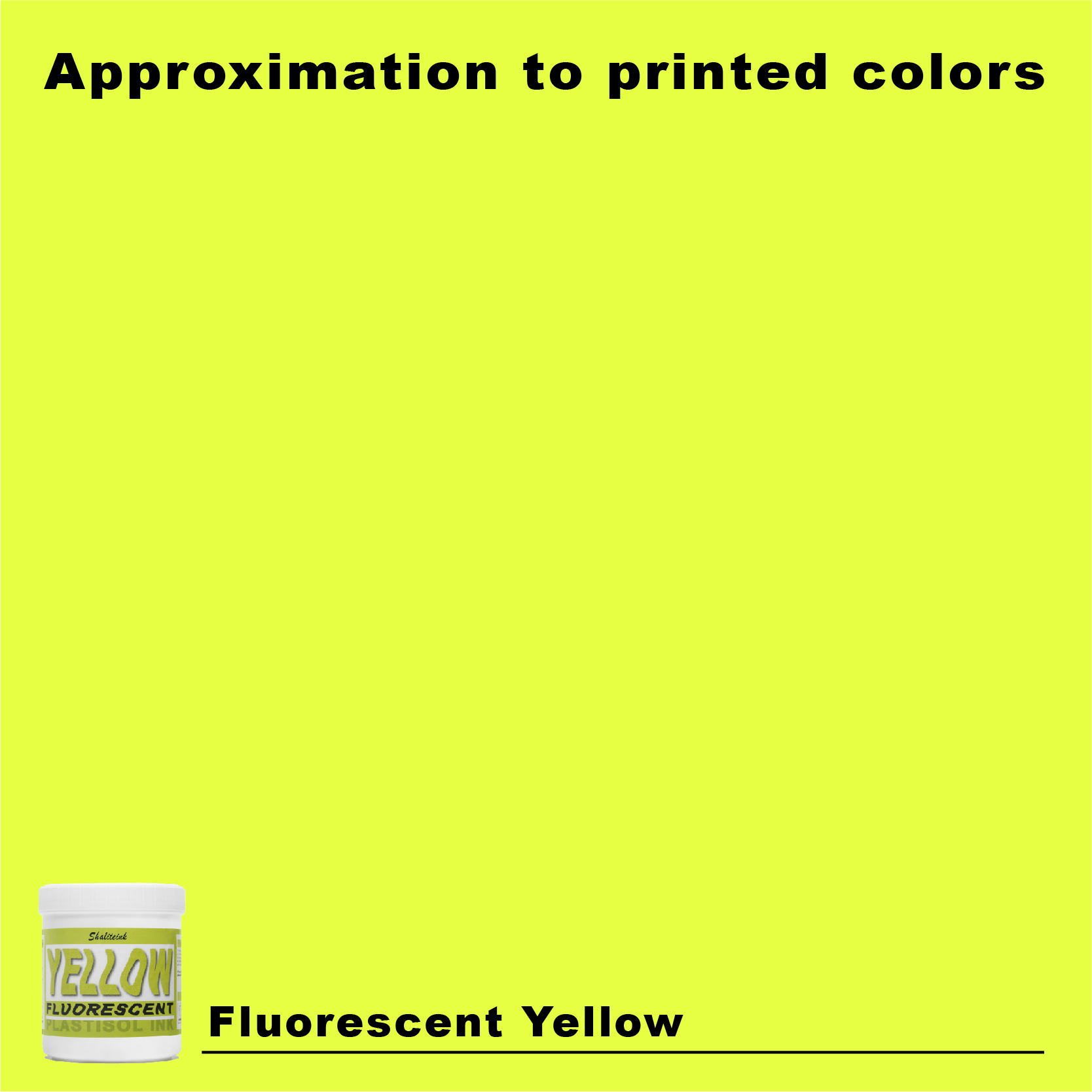
Tinta de plastisol para serigrafia amarela fluorescente
Faixa de preço: $18.98 a $50.98
Se você está cansado de tintas "neon" que parecem mais um marcador de texto desbotado do que uma impressão profissional, esta é a solução de alta voltagem que sua loja precisa para dar um toque especial. Nosso Amarelo Fluorescente não é apenas brilhante — ele foi desenvolvido para captar a luz UV invisível e transformá-la em um efeito vibrante e impactante, impossível de ignorar. Aperfeiçoamos a fórmula para que seja extremamente suave, deslizando perfeitamente sobre a tela sem que você precise lutar com a espátula a cada passada.
Seja para produzir equipamentos de segurança ou roupas streetwear vibrantes, esta tinta adere exatamente onde você a aplica e não desbota nem racha. Possui uma textura espessa e cremosa que adere perfeitamente ao tecido (lembre-se da base branca para um resultado ainda melhor) e removemos todos os produtos químicos nocivos para manter seu ambiente de trabalho seguro. Pare de se contentar com amarelos sem graça e comece a imprimir cores que realmente se destacam.
O Manual da Transformação: Por que a tinta plastisol amarela fluorescente é a nova melhor amiga da sua loja
Eis uma verdade que geralmente não te contam nas feiras de negócios sofisticadas: passei duas décadas trancado em salas escuras e respingadas de tinta, onde o ritmo clique-claque A única coisa que me faz companhia é o som de uma secadora de esteira. Vi tendências chegarem como a maré e desaparecerem tão rápido quanto surgiram — daquele visual "vintage desgastado" que era basicamente uma desculpa para uma cobertura ruim, ao "minimalismo à base de água" que tornou a vida de todos difícil por alguns anos. Mas em vinte anos, uma coisa não mudou. Existe um tom específico de Amarelo fluorescente Tinta Plastisol para Serigrafia Isso faz o rosto do cliente se iluminar como o de uma criança que acabou de encontrar um esconderijo de doces.
Mas calma aí. Se você tentar tratar esse neon vibrante como um amarelo limão comum, estará convidando um desastre que nem um café expresso triplo consegue resolver. O neon é uma diva exigente. É chamativo, arrogante e, se você não respeitar suas peculiaridades, será recompensado com uma lata de lixo cheia de moletons arruinados e uma conta bancária perigosamente vazia.
Neste manual, vou revelar os segredos. Vamos falar sobre o processo: como essa tinta realmente se justifica, como imprimi-la sem estragar tudo e por quê. Shaliteink Atualmente, está conquistando a preferência de todos com suas novas fórmulas ecológicas.
1. A física do "estouro": por que ele grita
A maioria das gráficas pensa que a tinta fluorescente é apenas "amarela, só que mais vibrante". Na verdade, é um verdadeiro milagre da ciência. Os pigmentos comuns apenas refletem a luz que incide sobre eles. São passivos. Mas os pigmentos fluorescentes? São verdadeiros campeões. Eles capturam a luz ultravioleta invisível e a convertem fisicamente em luz visível. É uma transformação química que faz a cor parecer até 300% mais brilhante do que um amarelo "normal".
Nunca me esquecerei do meu primeiro grande contrato para uma maratona local. O organizador queria coletes que pudessem ser vistos a três quarteirões de distância. Experimentei um dourado de alta qualidade, o "Athletic Gold". O cliente deu uma olhada e sua expressão mudou completamente. No crepúsculo, aquele dourado parecia lama molhada. Rapidamente mudei para um... Amarelo fluorescente verdadeiro. O contraste não era apenas gritante; era astronômico. A impressão parecia estar ligada a uma tomada, irradiando luz em vez de apenas refletir.
Por que o plastisol reina no reino do neon
Embora os "guerreiros ecológicos" possam defender o uso de tintas à base de água, para as cores neon, eu prefiro... Tinta plastisol Shaliteink. Eis o motivo:
-
O problema do “corpo”: Os pigmentos neon são naturalmente finos. Tentar obter cobertura com tinta neon à base de água é como pintar uma parede com tinta marca-texto líquida — frustrante e com pouca aderência. O plastisol, por outro lado, tem aquela viscosidade rica e cremosa que adere à tela e permanece exatamente onde você o colocou.
-
Taxa de Sobrevivência: Os pigmentos fluorescentes são delicados. Em um recipiente com água, eles podem decantar e formar grumos mais rápido do que você consegue dizer "reabastecer".“ Ao contrário de produtos à base de água que se deterioram com um simples olhar, um balde de Shaliteink é incrivelmente tolerante. Ele pode ficar guardado num canto da sua oficina por meses, pronto para ser usado assim que você abrir a tampa.
-
Para prolongar o brilho: Imagine a resina plastisol como um cofre de alta segurança. Ela fixa o pigmento na superfície do tecido, impedindo que as fibras absorvam a cor como uma esponja.
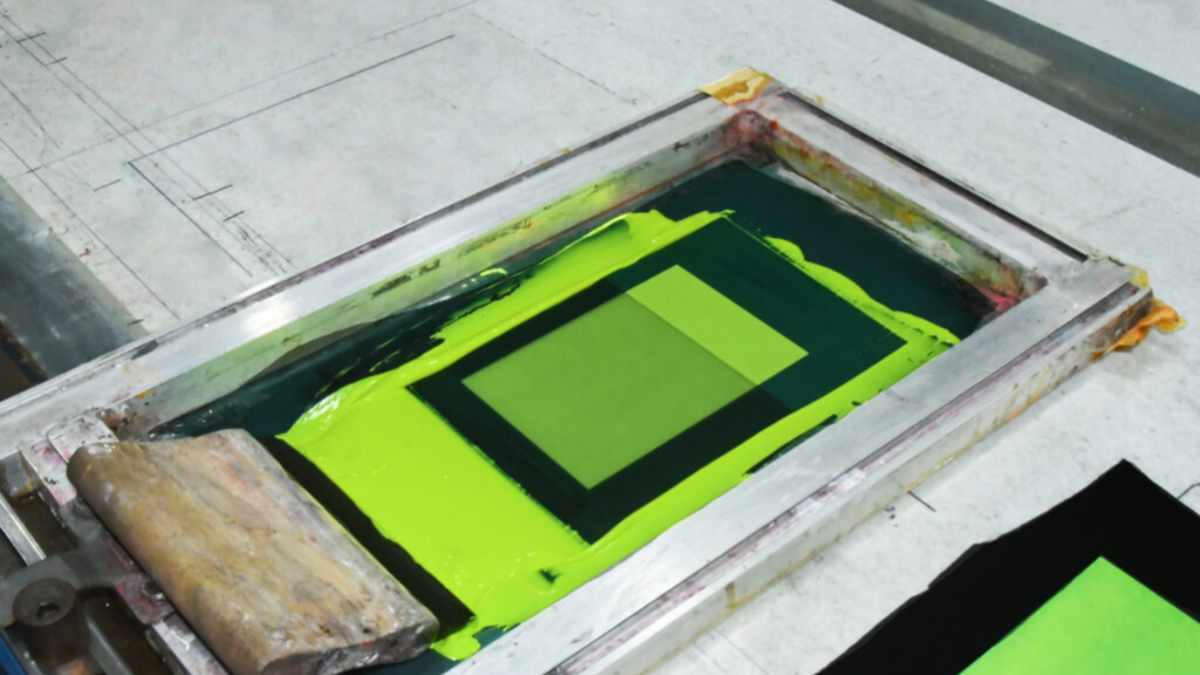
2. A Regra de Ouro: A Base é a Sua Religião
Aceite meu conselho: se você pular a etapa da base branca em tecidos escuros, é melhor jogar seu dinheiro na secadora e ver ele queimar.
Tecidos azul-marinho e pretos absorvem tudo; eles devoram esses pigmentos neon semitransparentes num piscar de olhos. Sem uma base, seu amarelo vibrante se transforma num verde-oliva desbotado e sem graça que não seria aceitável nem numa aula de educação física do ensino fundamental. Você precisa de uma base sólida. Eu sempre opto por uma base premium. Tinta plastisol branca para serigrafia para servir de "manual".“
A estratégia do "sanduíche de base inferior"
-
Estabeleça as bases: Use uma peneira de malha 86 ou 110 para a sua base branca.
-
O beijo relâmpago: Não asse. Apenas aqueça rapidamente até que esteja quase seco ao toque.
-
A Camada Neon: Use uma malha mais fina (156 ou 200) para aplicar uma camada lisa e precisa como um laser. Amarelo fluorescente por cima.
| Estratégia | Resultado em tecido preto | Rentabilidade da Loja |
| Impressão direta | Amarelo lamacento, “invisível” | Alto (Perda de Clientes) |
| Base branca | Pop ofuscante e profissional | Alto (Pedidos repetidos) |
3. Especificações Técnicas: O Hardware Importa
Imprimir em neon não se resume apenas à "tinta"; também envolve as ferramentas que você usa para processá-la. Se você escolher a tela errada ou uma espátula cega, terá uma tarde miserável.
Contagem de malhas
-
Malha 156: Esta é a minha impressora 3D para roupas esportivas. Ela imprime tinta suficiente para suportar a elasticidade e o puxão de uma camisa de poliéster.
-
Malha 230: Use isso para logotipos com linhas finas. Como a base branca está fazendo o trabalho pesado, Amarelo fluorescente Pode ser impresso com espessura fina e nitidez.
A Lógica do Rodo
Não use um rodo mole. Eu recomendo um Dureza tripla 70/90/70. Você precisa daquele núcleo rígido de 90 Shore para cortar a tinta de forma limpa através da malha, enquanto as camadas externas mais macias garantem que você não deixe "marcas de pneu" no depósito de tinta. Aplique com força — a tinta neon gosta de uma pincelada firme e decisiva.
Cura: Onde a mágica (ou o desastre) acontece
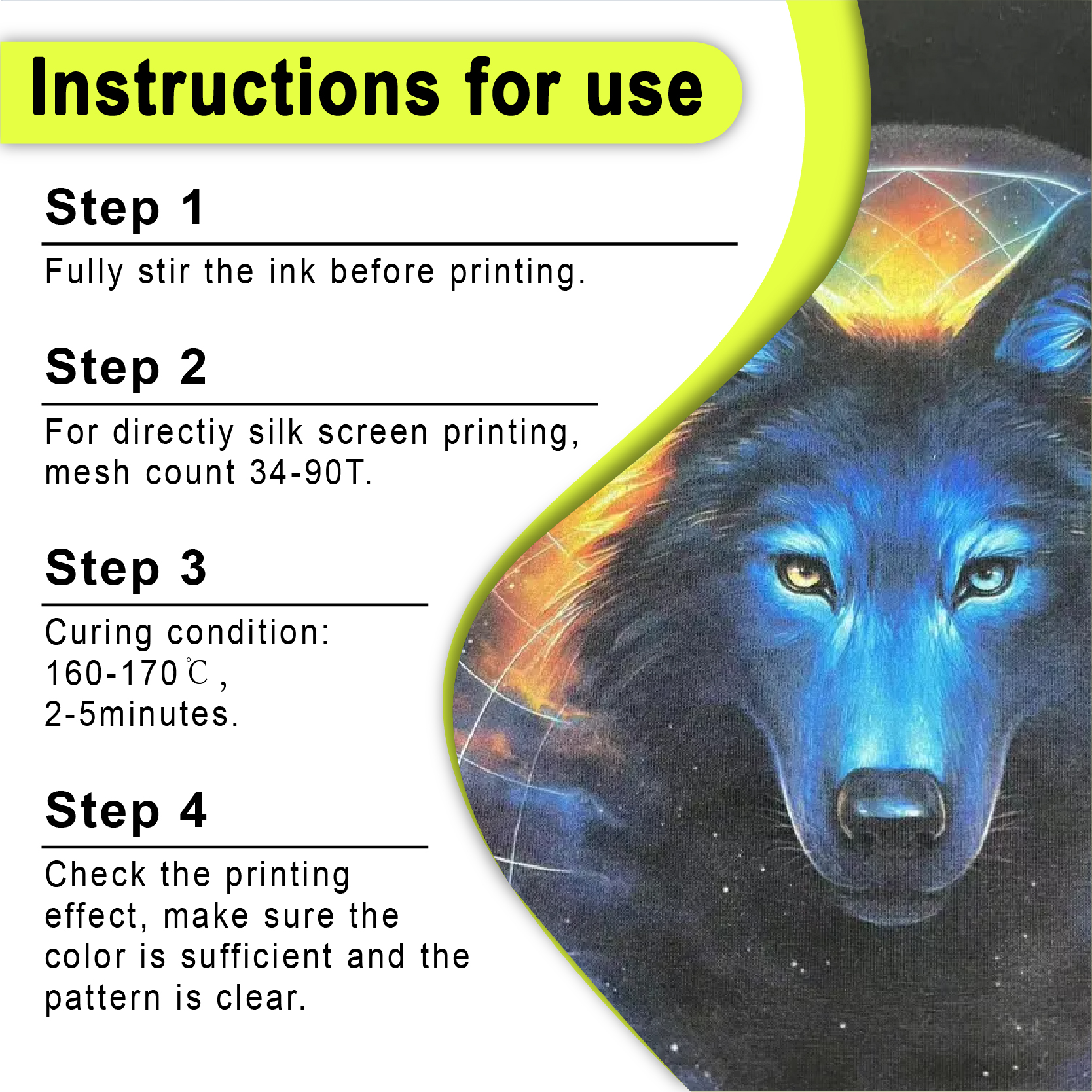
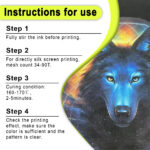
O plastisol não seca como uma camada de tinta; ele passa por uma fusão química total. A maioria Lojas de tinta plastisol te dizer para bater 320°F (160°C).
-
Se você estiver com muito frio: A tinta vai descascar na lavagem e você vai passar a manhã de sábado lidando com pedidos de reembolso.
-
Se estiver com muito calor: Você vai "queimar" o neon. O calor intenso pode matar o pigmento fluorescente, transformando seu amarelo vibrante em um tom bege desbotado. Também causa a liberação de gases em tecidos de poliéster.
Dica de especialista: Compre um termômetro a laser. Custa vinte dólares e vai te poupar milhares em estoque perdido.
4. A Virada Eco-Consciente: A Entrada dos Produtos Sem PVC
Sejamos realistas: o plastisol "à moda antiga" cheirava a fábrica de produtos químicos e não era muito melhor para os pulmões. Mas a indústria finalmente amadureceu.
Tenho estado a mudar a minha loja para Tinta Plastisol sem PVC. Especificamente, o Amarelo fluorescente sem PVC Da Shaliteink. Por quê? Porque meus clientes de alto padrão — os estúdios de ioga e as startups de tecnologia ecologicamente conscientes — exigem isso. Oferece o mesmo brilho intenso, capaz de ofuscar a retina, sem ftalatos ou impacto ambiental tóxico.
A vantagem “verde”
-
Segurança: Sua loja não vai cheirar a refinaria.
-
Maciez: As tintas sem PVC geralmente têm um "toque mais macio", o que significa que a estampa parece fazer parte do tecido, em vez de uma folha de madeira compensada colada no peito.
-
Conformidade: Se você quiser imprimir para grandes marcas, você deve usar Tinta plastisol sem ftalatos.
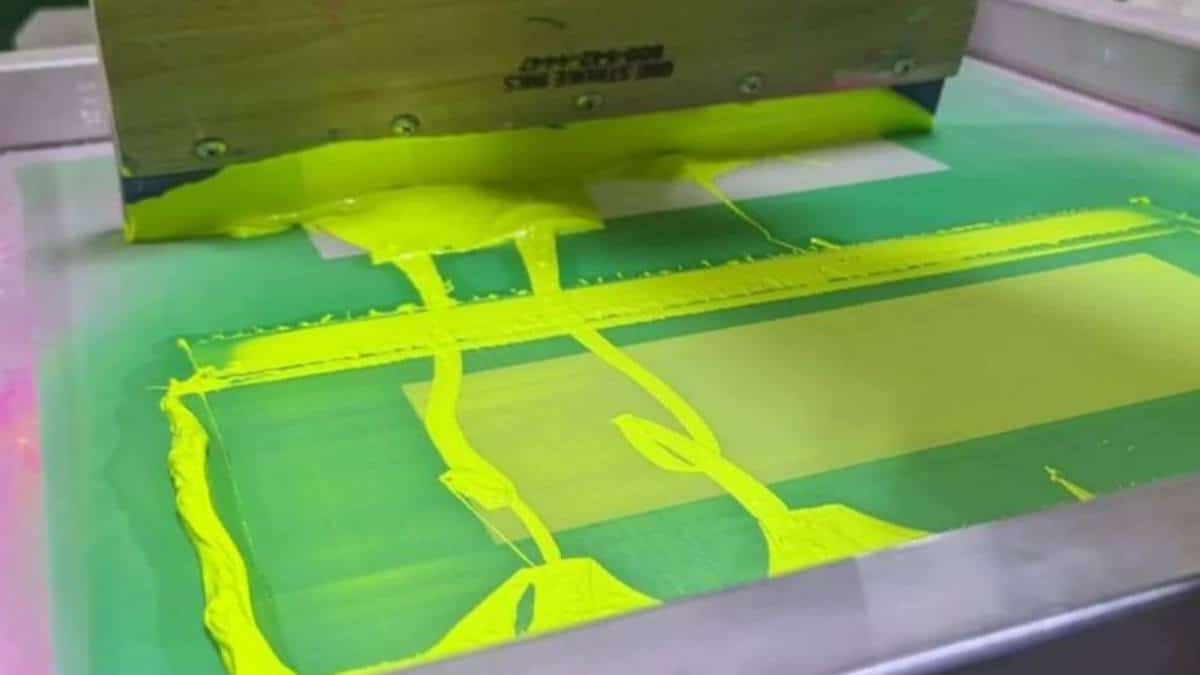
5. Estudo de Caso: O Milagre da “Corrida Luminosa”
No verão passado, uma instituição de caridade local me pediu 500 camisetas para uma "Corrida Neon". Eles tinham um prazo apertado de uma semana e um sonho: camisetas pretas com amarelo fluorescente e Tinta prateada para serigrafia para uma borda metálica.
O fluxo de trabalho:
-
Base: Tinta plastisol branca (Malha 110).
-
Néon: Amarelo fluorescente (Malha 156).
-
Detalhe: Prata Metálico (Malha 200) para texto fino.
O resultado? Aquelas camisetas eram tão chamativas que praticamente iluminavam a pista de corrida. Os organizadores do evento venderam todas as camisetas antes mesmo do primeiro corredor cruzar a linha de chegada. Não entregamos apenas brindes; entregamos um item de colecionador que as pessoas realmente se orgulhavam de levar para casa.
Perguntas frequentes: Respostas diretas e objetivas
P1: Posso misturar amarelo neon com minhas outras tintas padrão?
É possível, mas não me culpe quando o brilho desaparecer. Adicionar pigmentos comuns ao neon é como diluir um uísque de primeira linha com água da torneira — você está simplesmente matando aquilo que o torna especial. Se você precisa de um neon personalizado, procure um profissional especializado. Tinta Plastisol CMYK definir.
Q2: A tinta vai rachar depois de três lavagens?
Só se você for negligente com a cura da tinta. Quando ela atinge 160°C (320°F), transforma-se em uma película plástica flexível que dura mais que a própria camiseta. Se rachar, ou sua secadora está muito rápida ou há um ponto frio na resistência.
P3: Consigo fazer isso em uma prensa caseira?
Você não precisa de uma enorme estrutura industrial para produzir estampas de alta qualidade. Se você tiver como atingir a temperatura ideal de cura — seja com uma prensa térmica ou um equipamento confiável de cura a quente — você pode produzir camisetas prontas para venda com um equipamento básico. Kit inicial de serigrafia.
Q4: Funciona no poliéster 100%?
Sim, mas você precisa ficar atento à "migração de corante" (quando a cor da camiseta mancha a tinta). Use um Tinta antimigração para serigrafia como uma barreira se você estiver imprimindo em camisetas de poliéster vermelhas ou escuras.
Q5: Por que é mais caro do que o amarelo "padrão"?
Porque os pigmentos são literalmente projetados para serem "superdimensionados". Você está pagando pela química que os faz brilhar. Mas aqui está o pulo do gato: geralmente você pode cobrar 20% a mais pelas impressões da "Edição Neon".
O veredito: ouse ou desista.
Veja bem, o mundo já está cheio de designs chatos, seguros e "sem graça". Seus clientes estão cansados disso. Eles querem ser notados. Eles querem energia.
Quando você dominar Tinta de plastisol para serigrafia amarela fluorescente, Você não é apenas um cara com um rodo — você é um especialista. Seja para imprimir para uma equipe de construção que precisa sobreviver ou para um promotor de raves que quer lotar um estádio, esta tinta é sua arma secreta.
Se você está pronto para parar de jogar pelo seguro, procure um fornecedor que entenda do assunto. Eu compro a granel de Shaliteink porque seus Tinta para Serigrafia no Atacado Meus preços me permitem manter margens de lucro altas, enquanto minha qualidade permanece no topo do mercado.
Pare de ler. Comece a imprimir. A secadora está aquecida.
| Tamanho |
8 onças ,16 onças ,32 onças |
|---|
2 avaliações para Fluorescent Yellow Screen Printing Plastisol Ink
Limpar filtrosApenas clientes conectados que compraram este produto podem deixar uma avaliação.
Produtos relacionados
Tinta Plastisol para Serigrafia Preta
Pare de se contentar com "cinza escuro" e chamá-lo de preto. Nosso Tinta plastisol preta É ideal para estampadores que estão cansados de lidar com tintas espessas e pegajosas que entopem as telas e deixam a camiseta com aparência opaca. Possui uma consistência cremosa e aveludada que desliza facilmente por telas de alta densidade, mantendo a opacidade necessária para eliminar a cor da peça em uma única passada. Seja em uma camiseta de algodão 100% ou em uma mistura mais complexa, esta tinta cura com um acabamento fosco e flexível, na cor "preto meia-noite", que não racha nem descasca após a primeira lavagem. É o preto profissional de alta qualidade que seus clientes esperam.
Segurança não precisa significar sacrificar o desempenho. Nossa fórmula é completamente livre de ftalatos (com opções sem PVC Disponível para impressão de marcas de alta qualidade sem complicações com produtos químicos. Ela seca rapidamente, mantém a transparência na tela e preserva detalhes nítidos sem acúmulo excessivo. Se você busca uma tinta versátil que otimize a eficiência da sua gráfica e garanta impressões com qualidade profissional, este é o cartucho ideal para sua impressora.
Tinta Plastisol para Serigrafia Azul Profundo
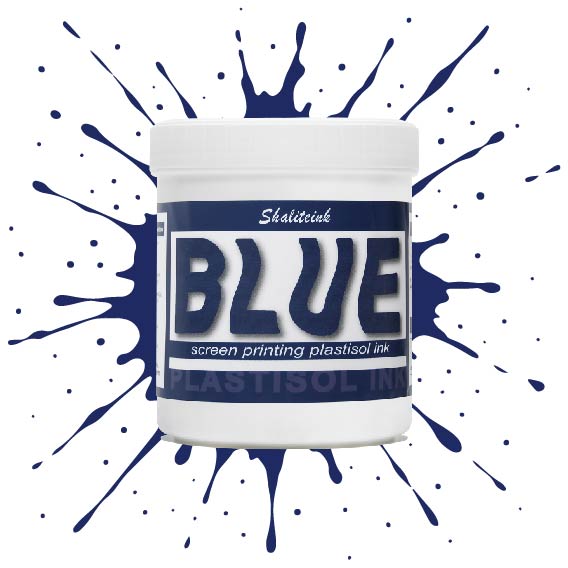
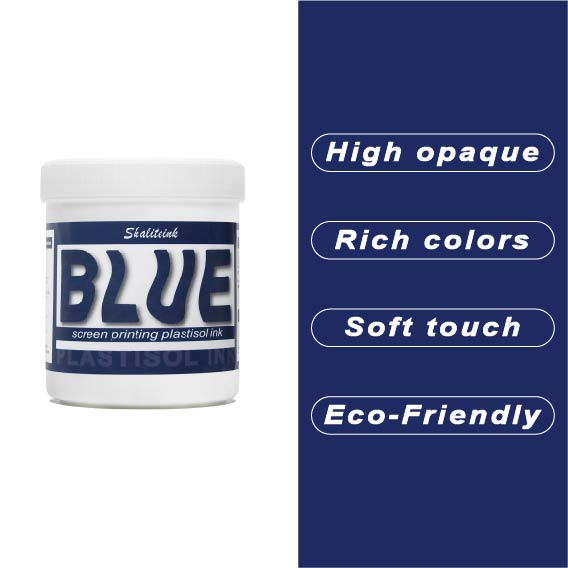
Pare de se contentar com azuis que parecem letreiros de neon ou que desaparecem nas fibras do tecido. O Azul Profundo da Shaliteink é aquele tom de "oceano meia-noite" tão desejado — sofisticado, ultrarrico e vibrante o suficiente para chamar a atenção até mesmo em peças de roupa pretas ou cinza-escuras. É uma tinta de alta opacidade e excelente cobertura que permanece exatamente onde você a aplica, oferecendo um acabamento nítido e profissional que faz com que suas estampas pareçam dignas de uma loja de luxo, e não da garagem de um amador.
Dentro do balde, esta tinta é incrivelmente cremosa e pronta para uso. Ajustamos a viscosidade para que ela passe facilmente pela tela, seja com um rodo manual ou em uma impressora automática. Ao atingir a temperatura ideal de 160 °C (320 °F) na secadora, ela forma uma ligação sólida e flexível que não descasca, racha ou desbota. Se você está cansado de resultados "mais ou menos" e quer um azul que realmente faça a diferença, este é o que você vai usar todos os dias.
Tinta de plastisol para serigrafia amarelo dourado
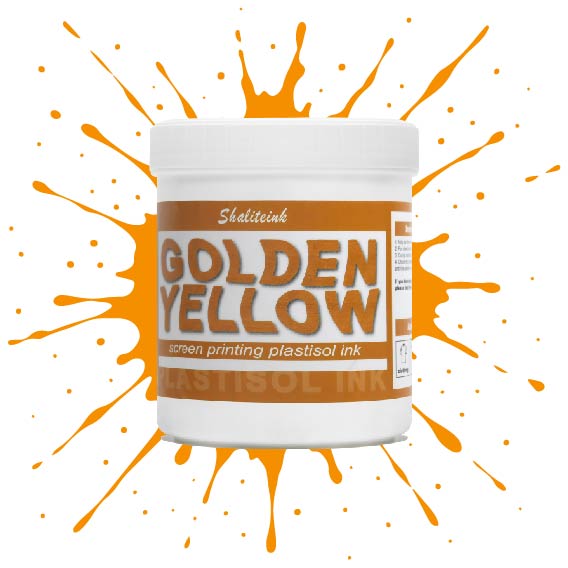
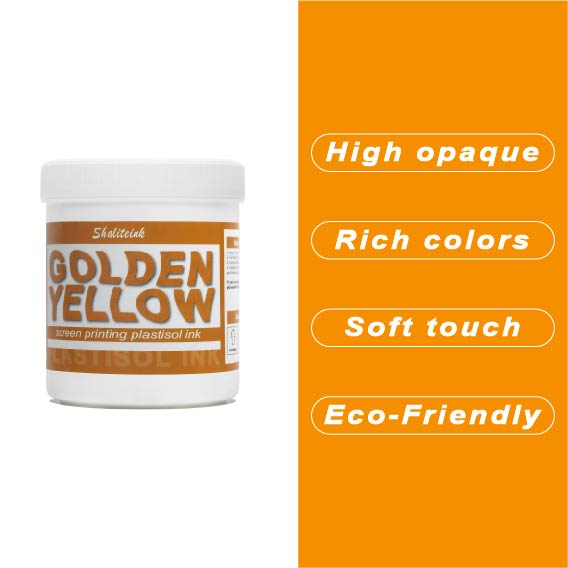
Cansado de suas estampas amarelas parecerem mostarda desbotada em camisetas escuras? Nós entendemos. A maioria dos amarelos é um pesadelo translúcido, mas nosso Plastisol Amarelo Dourado é formulado com a alta opacidade que você realmente precisa para moletons pretos e camisetas azul-marinho. É uma fórmula cremosa e de baixa viscosidade que se desprende facilmente da malha, proporcionando aquele toque rico de "dourado esportivo" sem precisar de cinco demãos ou deixar a camiseta com a sensação de uma placa de compensado.
Além da cor, é uma tinta versátil e resistente, ideal para uso profissional, que não seca na tela enquanto você está almoçando. Livre de ftalatos (100%), permite imprimir com segurança para qualquer marca, sabendo que o resultado final resistirá ao teste de elasticidade e à lavagem. Pare de lutar contra a tinta e comece a cumprir seus prazos com um dourado que realmente funciona.
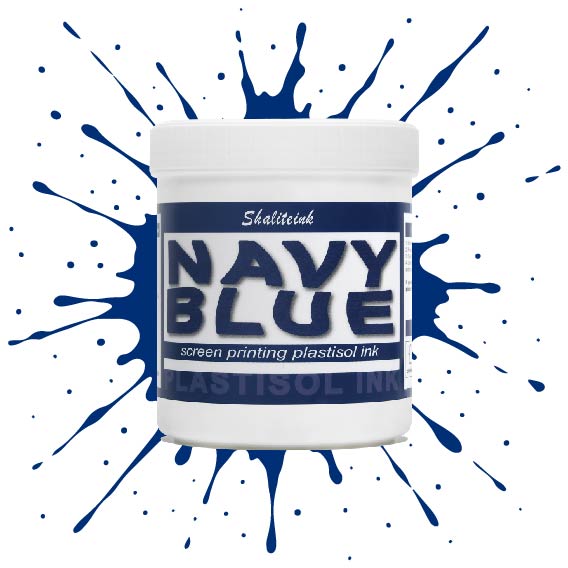
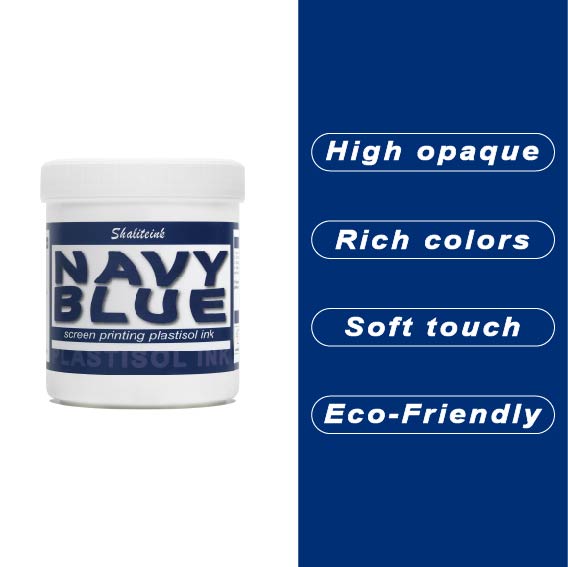
Tinta Plastisol para Serigrafia Azul Marinho
Já estraguei moletons suficientes com tintas azuis aguadas e sem brilho para saber que um azul-marinho sólido é uma raridade. Nossa tinta plastisol azul-marinho para serigrafia é realmente eficaz, pois cobre tecidos escuros em uma única passada e permanece cremosa na tela. Ela é espessa o suficiente para cobrir cores escuras de roupas, mas suave o bastante para passar pela tela sem dificuldade. Você obtém aquele visual profundo e profissional de azul-marinho, sem a constante dor de cabeça de uma tela entupida.
Se você está imprimindo para sua própria marca ou para um pedido personalizado, precisa de um acabamento que não pareça papelão. Experimente nossa tinta plastisol azul Soft Touch, livre de PVC, para uma sensação respirável e flexível que resiste à secadora e à máquina de lavar. Esta tinta de serigrafia ecológica é atóxica e extremamente fácil de usar, para que você possa se concentrar na sua arte em vez da química. Chegou a hora de parar de adivinhar e começar a imprimir com um azul-marinho que realmente funciona.
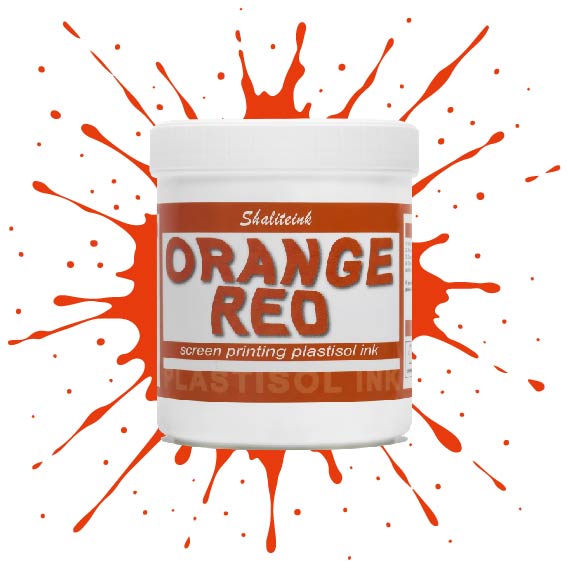
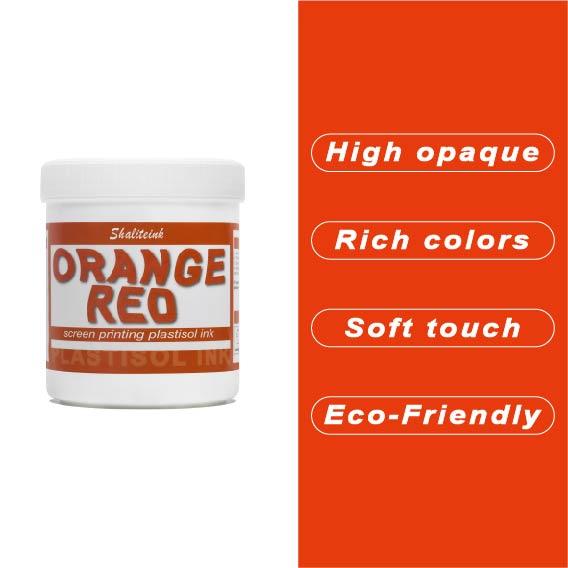
Tinta de plastisol para serigrafia laranja vermelha
Cansada de vermelhos sem graça e previsíveis que simplesmente não se destacam no tecido? Nossos Tinta de plastisol para serigrafia laranja vermelha A tinta atinge o ponto ideal entre lava derretida e um clássico carro esportivo italiano. É incrivelmente espessa e cremosa, mas não seca na tela se você precisar se ausentar para o almoço. Seja para estampar peças de verão vibrantes em algodão branco ou para aplicar sobre uma base branca em moletons pretos, essa cor praticamente vibra. Ela proporciona aquele "toque" impactante que as marcas de streetwear desejam, sem a dor de cabeça de misturar cores personalizadas.
Criamos esta tinta para ser à prova de balas na lavagem, mas também segura para sua loja. Ela cura a 160°C (320°F) e é completamente livre de ftalatos nocivos. Flui perfeitamente em telas de 110 a 156 fios, proporcionando uma cobertura ampla com um toque surpreendentemente macio após a secagem. Pare de se contentar com estampas "boas o suficiente" e pegue um balde de tinta para fazer suas peças se destacarem da multidão.
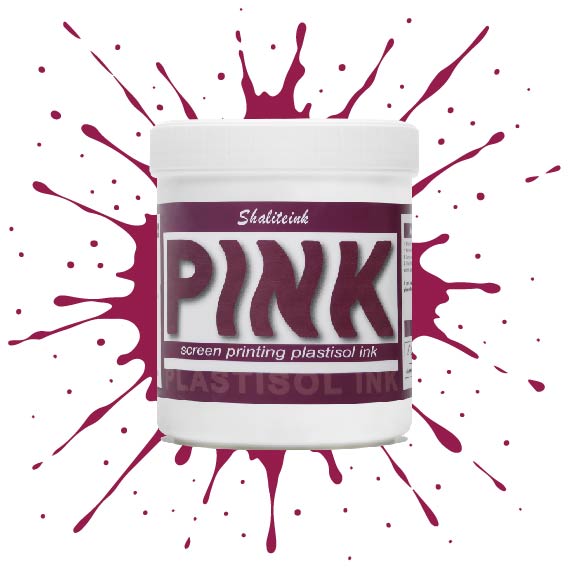
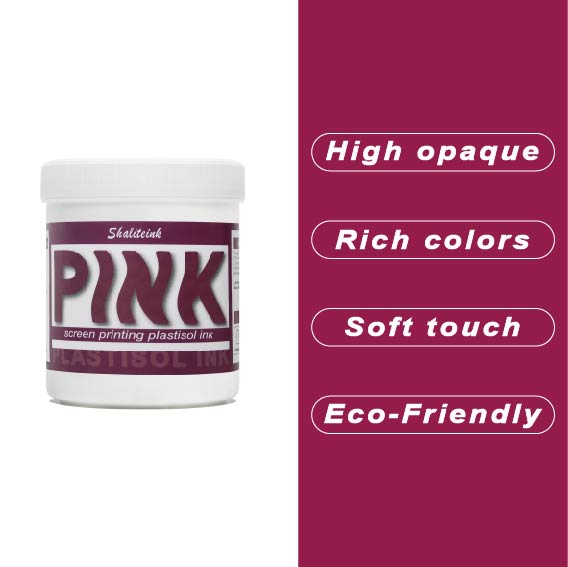
Tinta Plastisol para Serigrafia Rosa
Pare de se contentar com rosas que parecem um "hematoma" em tecidos escuros. O Plastisol Rosa da Shaliteink é a solução de alta saturação para impressores que exigem cores vibrantes e duradouras. Desenvolvida com uma carga de pigmento ultradensa, esta tinta foi projetada para resistir aos corantes escuros das peças, aderindo com orgulho às fibras para um acabamento vibrante e de qualidade profissional. Ela é cremosa logo ao sair do balde e praticamente imortal na tela — não seca na malha durante as pausas, mas garante uma tonalidade nítida e impactante sempre que você passa o rodo.
Criada para durar, nossa fórmula livre de ftalatos se funde em uma película "à prova de balas" a 160 °C, garantindo que seus designs resistam a mais de cinquenta lavagens sem rachar ou desbotar. Seja para estampar roupas streetwear resistentes ou misturas de algodão macias, a Shaliteink oferece a opacidade profissional que você precisa, sem a sensação rígida e "congelada" de um tapete de ioga. Não imprima apenas mais uma camiseta; dê aos seus clientes um motivo para se apaixonarem pelo seu trabalho com o rosa que finalmente se comporta.
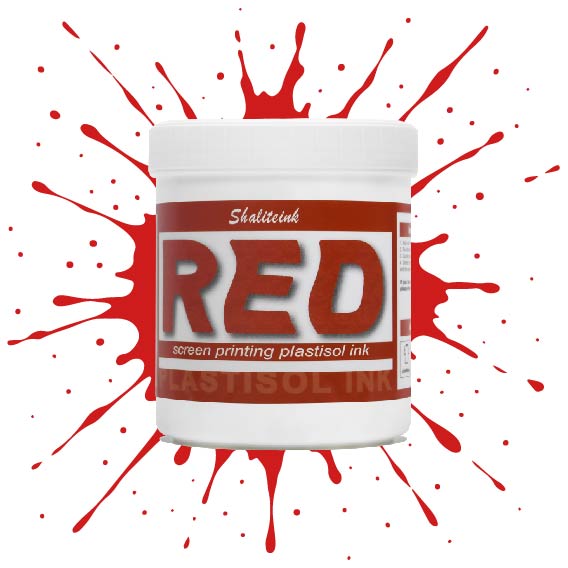
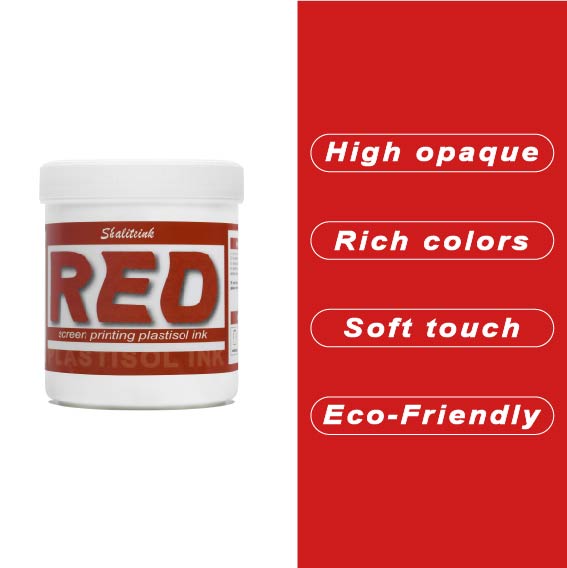
Tinta Plastisol para Serigrafia Vermelha
Pare de brigar com vermelhos que parecem manchas desbotadas em moletons escuros. Se você passou a manhã vendo um vermelho "vivo" virar um marrom sem graça porque a tinta não tem consistência, você precisa disso. Tem a opacidade necessária para se destacar em tecidos pretos, mantendo-se cremosa e pronta para usar o dia todo. Chega de manchas, chega de pânico na hora de secar a roupa — agora você só precisa de um vermelho limpo e vibrante que realmente vale a pena.
Não importa se você está aplicando uma base ou diretamente no algodão; este plastisol permanece permeável na tela até o momento da cura. Ele foi desenvolvido para o impressor que está cansado de "bom o suficiente" e quer um vermelho vibrante que se destaque e permaneça na camiseta, lavagem após lavagem. Pare de perder tempo com tintas aguadas e diluídas e adquira um vermelho que funcione perfeitamente na primeira impressão.
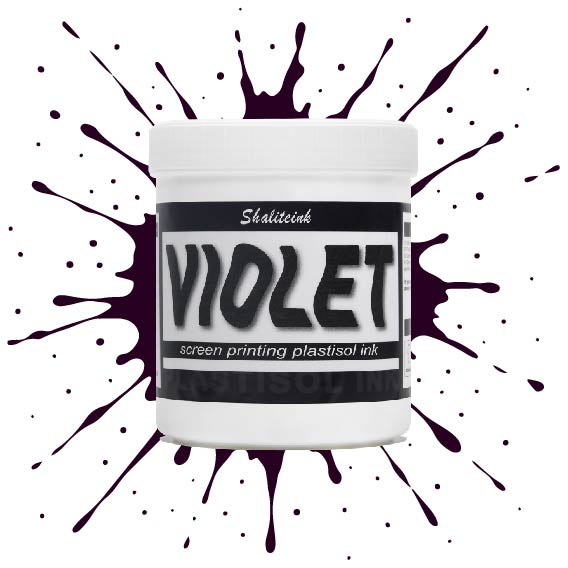
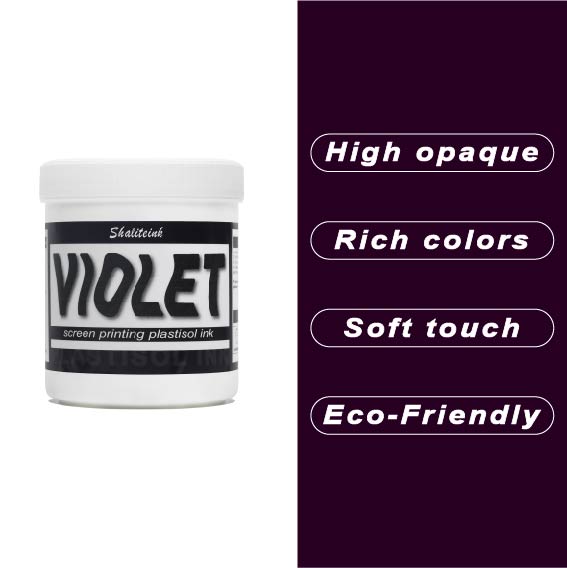
Tinta plastisol para serigrafia vermelho-violeta
Sinceramente, a maioria das tintas vermelhas parece que pertence ao logotipo de uma rede de fast-food — chamativas, brilhantes e um tanto baratas. Mas este Vermelho Violeta? É completamente diferente. Tem aquele tom vinho profundo e misterioso que faz uma camiseta básica $5 parecer uma peça de boutique $40. Já apliquei essa tinta em moletons pretos e, graças à alta opacidade, a cor permanece fiel em vez de ficar opaca e sem brilho. É a "vantagem injusta" que você precisa quando um cliente quer algo com aparência sofisticada, em vez de apenas mais uma camiseta de ginástica.
Pare de lutar com tinta que parece manteiga de amendoim fria. Esta tinta é cremosa assim que sai do balde — sem precisar mexer muito ou diluir. Você pode ir tomar um café ou receber uma entrega, e ela não vai ressecar nem estragar sua tela enquanto você estiver fora. E sejamos sinceros: nada destrói uma marca mais rápido do que uma estampa que racha assim que alguém veste a peça. Esta fórmula acompanha os movimentos do tecido, permanece macia ao toque e resiste ao teste da lavagem a quente sem descascar. Ela simplesmente funciona, para que você possa gastar menos tempo esfregando telas e mais tempo imprimindo.
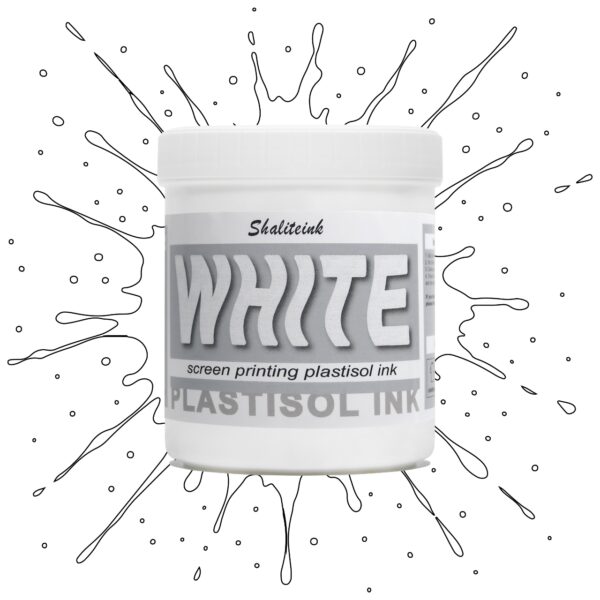
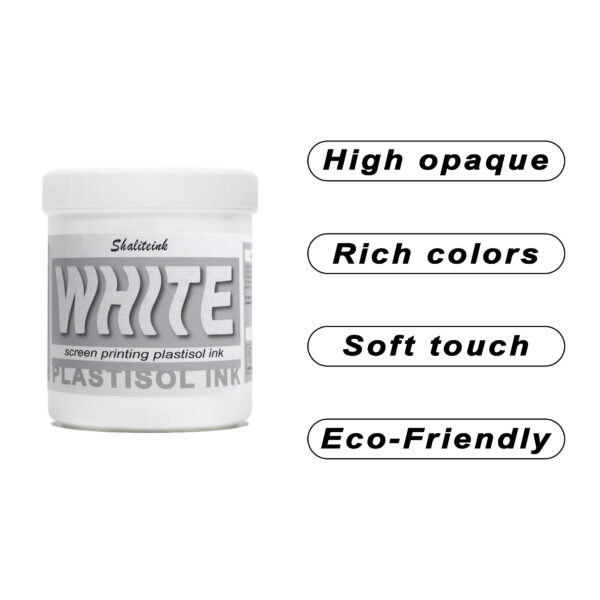
Tinta plastisol branca para serigrafia
Pare de se contentar com estampas brancas "fantasmagóricas" que desaparecem no tecido. Nossa tinta plastisol branca Shaliteink foi desenvolvida para um único propósito: opacidade excepcional em peças escuras. Ela adere à tela com uma consistência cremosa e prática, mais parecida com manteiga batida do que com plástico rígido, tornando suas passagens manuais mais suaves e sua produção mais rápida. Você obterá aquele branco nítido e vibrante logo na primeira impressão, sem o risco de a tinta rachar ou desbotar após a primeira lavagem.
Seja você um entusiasta de fim de semana ou dono de uma gráfica movimentada, este é o produto confiável que você estava procurando. É altamente pigmentado, incrivelmente fácil de misturar e seca em segundos, para que você possa gastar menos tempo lidando com seus equipamentos e mais tempo imprimindo. É desempenho de nível profissional em um balde, projetado para manter seus brancos brilhantes e seus designs nítidos da primeira à milésima impressão.
 EN
EN  DE
DE  ES
ES  PT
PT  JA
JA
Peter Fischer –
Leicht zu nutzen und konstante Ergebnisse. Leicht zu nutzen und konstante Ergebnisse. Leicht zu nutz
Laura Wagner –
Alta qualidade e excelente qualidade. Sehr gutes Preis‑Leistungs‑Verhältnis. Sehr gutes Preis‑Leistungs‑Verhältnis. Alta qualidade e excelente qualidade. Leicht zu nutzen und konstante E