
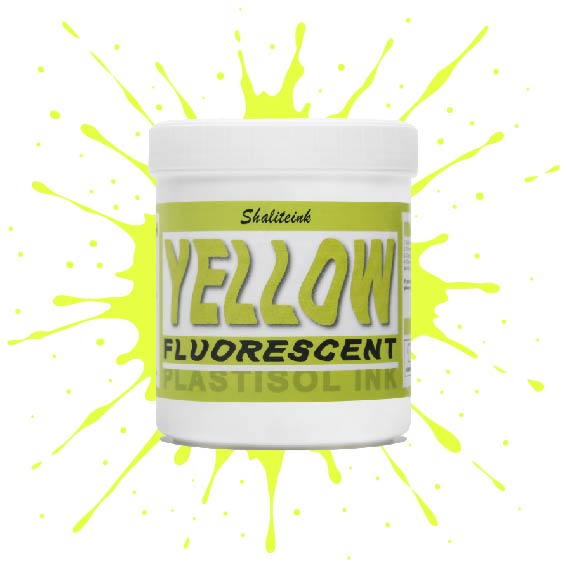
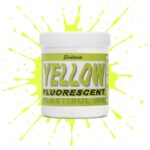
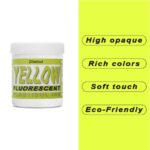
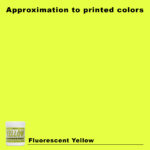
Tinta plastisol para serigrafía amarilla fluorescente
Rango de precios: $18.98 a $50.98
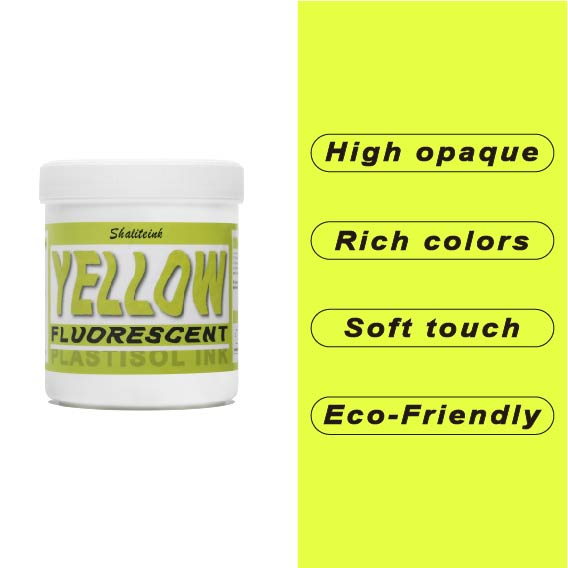
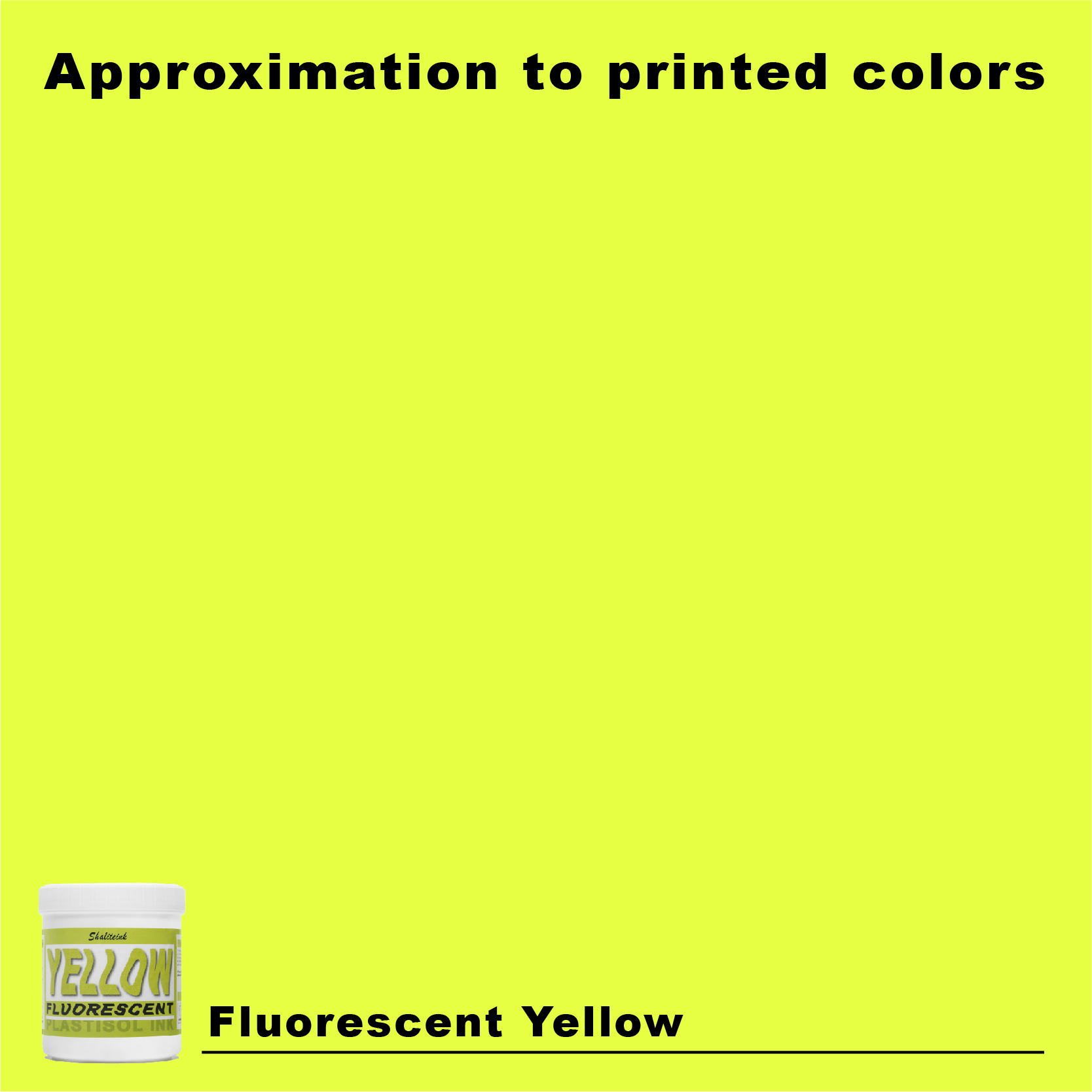
Si estás cansado de las tintas neón que parecen más un rotulador fluorescente descolorido que una impresión profesional, esta es la solución de alto voltaje que tu tienda necesita. Nuestro amarillo fluorescente no solo es brillante, sino que está diseñado para captar la luz ultravioleta invisible y convertirla en un destello cegador imposible de ignorar. Hemos perfeccionado la fórmula para que sea suave como la mantequilla, de modo que se deslice limpiamente por la malla sin que tengas que luchar contra la espátula en cada pasada.
Ya sea que estés creando ropa de seguridad o prendas urbanas llamativas, esta tinta se mantiene intacta y no se decolora ni se agrieta. Tiene una textura espesa y cremosa que se adhiere perfectamente a la tela (recuerda usar una base blanca para lograr un resultado espectacular) y hemos eliminado los químicos dañinos para proteger tu espacio de trabajo. Deja de conformarte con amarillos apagados y empieza a imprimir colores vibrantes.
Manual para el “Rejuvenecimiento”: Por qué la tinta plastisol amarilla fluorescente es la nueva mejor amiga de tu taller.
He aquí una verdad que normalmente no te cuentan en las elegantes ferias comerciales: he pasado dos décadas escondido en habitaciones oscuras y salpicadas de tinta donde el ritmo clic-clac El sonido de una secadora de cinta transportadora es lo único que me hace compañía. He visto tendencias llegar como la marea y desaparecer igual de rápido, desde ese look "vintage desgastado" que era básicamente una excusa para una mala cobertura, hasta el "minimalismo a base de agua" que le complicó la vida a todo el mundo durante unos años. Pero en veinte años, una cosa no ha cambiado. Hay un tono específico de Amarillo fluorescente Tinta plastisol para serigrafía Eso hace que la cara del cliente se ilumine como la de un niño que acaba de encontrar un alijo de caramelos escondido.
Pero un momento. Si intentas tratar este neón como si fuera un amarillo limón común y corriente, te arriesgas a un desastre que ni un espresso triple podrá solucionar. El neón es una diva exigente. Es llamativo, arrogante, y si no respetas sus peculiaridades, te recompensará con un cubo de basura lleno de sudaderas destrozadas y una cuenta bancaria peligrosamente vacía.
En este manual, voy a desvelar los secretos. Vamos a hablar de cómo esta tinta realmente justifica su uso, cómo imprimirla sin romper la ventana con una espátula y por qué. Shaliteink Actualmente está arrasando con sus nuevas fórmulas ecológicas.
1. La física del “pop”: ¿Por qué grita?
La mayoría de los impresores creen que la tinta fluorescente es simplemente "amarilla, pero más llamativa". En realidad, es un auténtico milagro científico. Los pigmentos convencionales solo reflejan la luz que incide sobre ellos; son pasivos. ¿Pero los pigmentos fluorescentes? Son extraordinarios. Captan la luz ultravioleta invisible y la convierten físicamente en luz visible. Es una transformación química que hace que el color parezca hasta 300% más brillante que un amarillo "normal".
Nunca olvidaré mi primer gran contrato para un maratón local. El organizador quería chalecos que se pudieran ver desde tres códigos postales de distancia. Probé con un "Athletic Gold" de alta calidad. El cliente lo miró y su rostro se descompuso. En el crepúsculo vespertino, ese oro parecía barro mojado. Rápidamente cambié a un Amarillo fluorescente verdadero. El contraste no era solo marcado; era astronómico. La impresión parecía estar enchufada a una toma de corriente, irradiando luz en lugar de simplemente reflejarla.
Por qué el plastisol domina el reino del neón.
Si bien los “guerreros ecologistas” pueden presionar a favor de los productos a base de agua, para los neones, me quedo con Tinta plastisol Shaliteink. He aquí el motivo:
-
El problema del “cuerpo”: Los pigmentos neón son naturalmente finos. Intentar lograr una buena cobertura con pintura neón a base de agua es como pintar una pared con líquido fluorescente: frustrante y poco cubriente. En cambio, el plastisol tiene esa viscosidad rica y cremosa que se adhiere a la malla y se mantiene exactamente donde se aplicó.
-
La tasa de supervivencia: Los pigmentos fluorescentes son delicados. En un recipiente con base de agua, pueden sedimentarse y aglomerarse más rápido de lo que se tarda en decir "reordenar".“ A diferencia de los productos a base de agua que se estropean con solo mirarlos mal, un cubo de Shaliteink es increíblemente fácil de usar. Permanecerá en un rincón de tu taller durante meses, listo para funcionar en cuanto lo abras.
-
Fijando el brillo: Piensa en la resina plastisol como una caja fuerte de alta seguridad. Fija el pigmento a la superficie del tejido, impidiendo que las fibras absorban el color como una esponja.
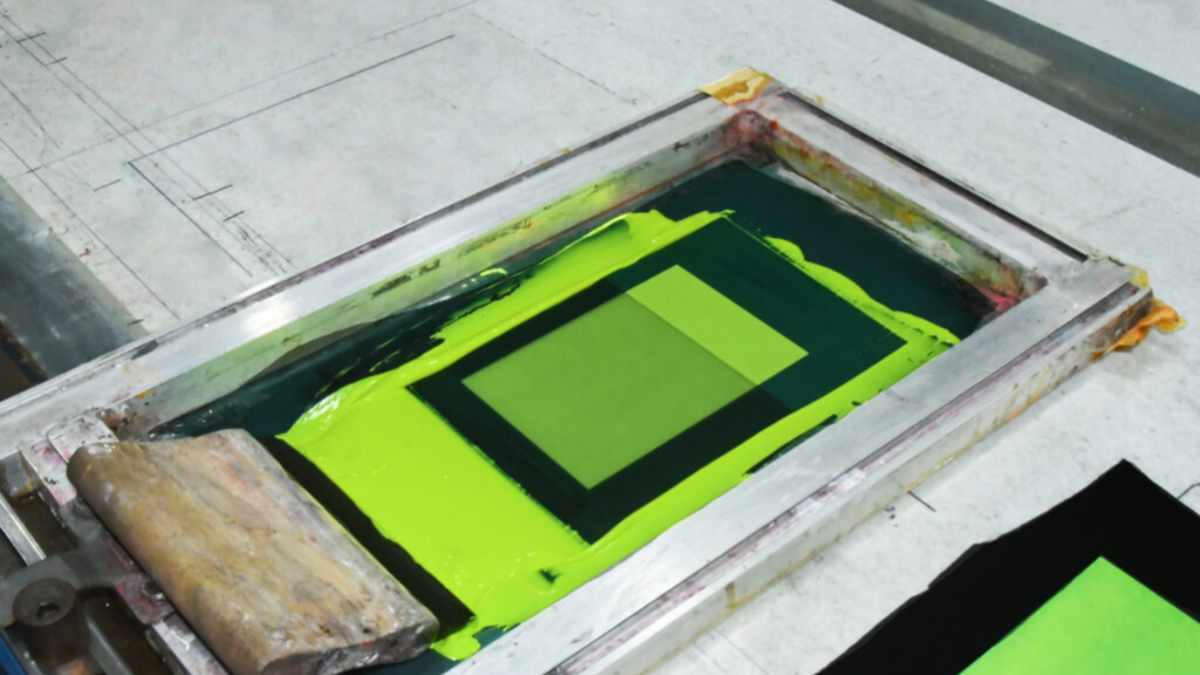
2. La regla de oro: La base es tu religión.
Sigue mi consejo: si omites la base blanca en telas oscuras, es como tirar el dinero a la secadora y ver cómo se quema.
Las telas azul marino y negras absorben la pintura con avidez; devorarán esos pigmentos neón semitransparentes en un abrir y cerrar de ojos. Sin una base, tu amarillo vibrante se convierte en un verde oliva apagado y sin brillo que no pasaría la prueba en una clase de gimnasia de secundaria. Necesitas una base de maquillaje. Yo siempre opto por una de alta gama. Tinta plastisol blanca para serigrafía para actuar como “impresor”.”
La estrategia del “sándwich de la base inferior”
-
Sentar las bases: Utilice una malla de 86 o 110 para la base blanca.
-
El beso relámpago: No lo hornees. Simplemente dale un toque rápido hasta que esté apenas seco al tacto.
-
La capa de neón: Utilice una malla más alta (156 o 200) para colocar una capa lisa y nítida como un láser. Amarillo fluorescente arriba.
| Estrategia | Resultado sobre tela negra | Rentabilidad de la tienda |
| Impresión directa | Amarillo fangoso e "invisible" | Alto (Pérdida de cliente) |
| Base blanca | Pop deslumbrante y profesional | Alto (Pedidos repetidos) |
3. Especificaciones técnicas: El hardware importa
Imprimir con neón no se trata solo de la tinta; se trata de las herramientas que uses para aplicarla. Si usas la pantalla equivocada o una espátula desafilada, tendrás una tarde desastrosa.
Recuento de mallas
-
Malla 156: Esta es mi herramienta indispensable para la ropa deportiva. Deja suficiente tinta para soportar la elasticidad y el tirón de una camiseta de poliéster.
-
Malla 230: Utilice esto para logotipos de líneas finas. Dado que su base blanca está haciendo el trabajo pesado, Amarillo fluorescente Se puede imprimir de forma fina y limpia.
La lógica del limpiacristales
No uses una espátula blanda. Recomiendo una Dureza triple 70/90/70. Necesitas ese centro rígido de 90 Shore para que la tinta se extienda limpiamente a través de la malla, mientras que las capas exteriores más suaves evitan que queden marcas en el depósito de tinta. Dale un toque firme: la tinta neón requiere una pincelada decidida y contundente.
Curación: Donde ocurre la magia (o el desastre)
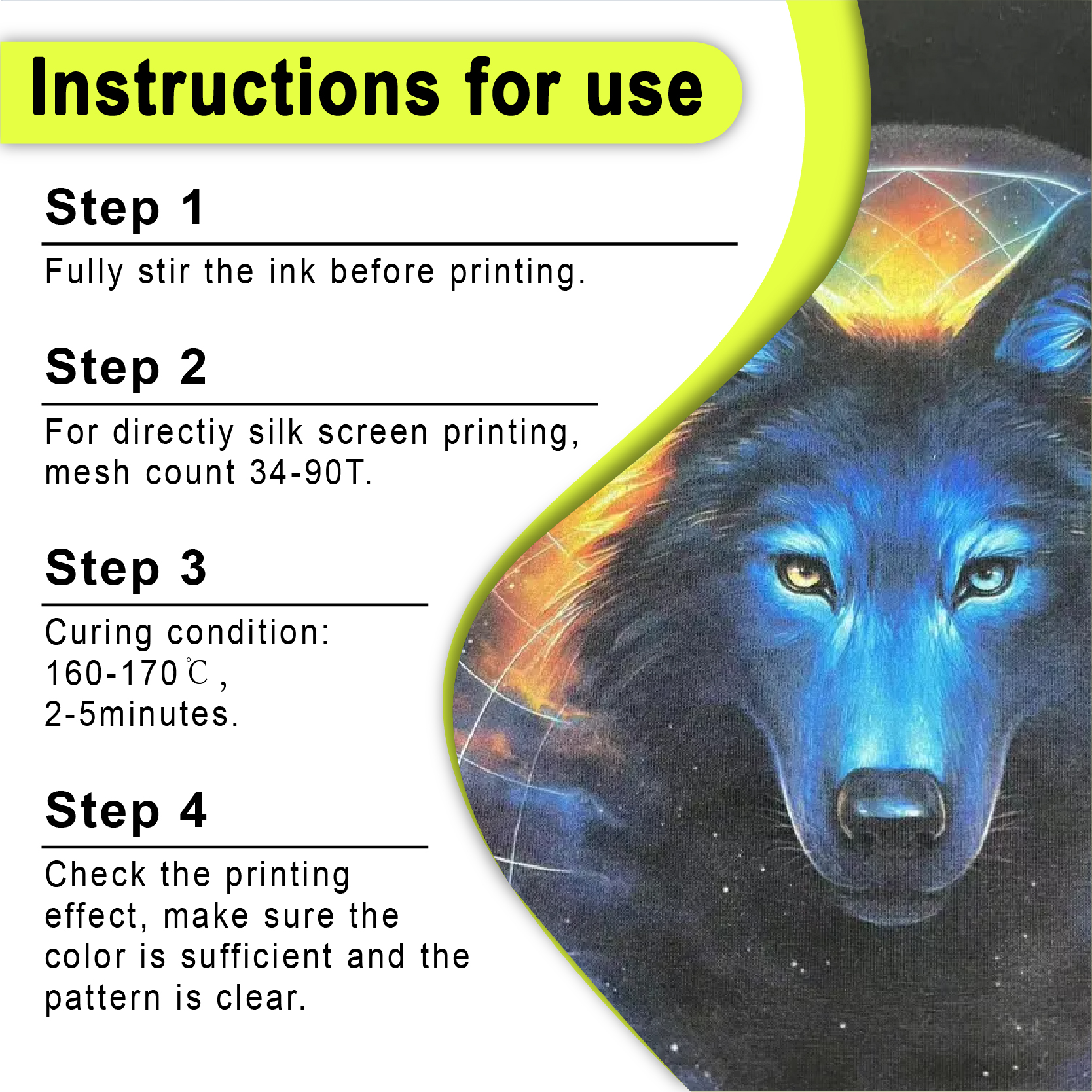
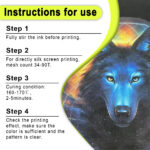
El plastisol no se seca como una capa de pintura; experimenta una fusión química total. La mayoría Tiendas de tinta plastisol te diré que golpees 320 °F (160 °C).
-
Si tienes demasiado frío: La tinta se desprenderá al lavarla y tendrás que pasar la mañana del sábado gestionando solicitudes de reembolso.
-
Si tienes demasiado calor: El neón se quemará. El calor intenso puede destruir el pigmento fluorescente, convirtiendo el amarillo brillante en un tono tostado apagado. Además, provoca la liberación de gases en los poliésteres.
Consejo de experto: Compra un termómetro láser. Cuesta veinte dólares y te ahorrará miles en inventario arruinado.
4. El giro ecológico: Llega el PVC-Free
Seamos realistas: el plastisol de antaño olía a planta química y no era mucho mejor para los pulmones. Pero la industria finalmente ha madurado.
He estado trasladando mi tienda hacia Tinta plastisol sin PVC. Específicamente, el Amarillo fluorescente sin PVC De Shaliteink. ¿Por qué? Porque mis clientes de alta gama —los estudios de yoga y las startups tecnológicas con conciencia ecológica— lo exigen. Ofrece el mismo brillo intenso sin ftalatos ni residuos tóxicos.
La ventaja “verde”
-
Seguridad: Tu tienda no olerá a refinería.
-
Blandura: Las tintas sin PVC suelen tener un tacto más suave, lo que significa que la impresión se siente como parte de la tela en lugar de una lámina de madera contrachapada pegada al pecho.
-
Cumplimiento: Si quieres imprimir para grandes marcas, debe usar Tinta plastisol sin ftalatos.
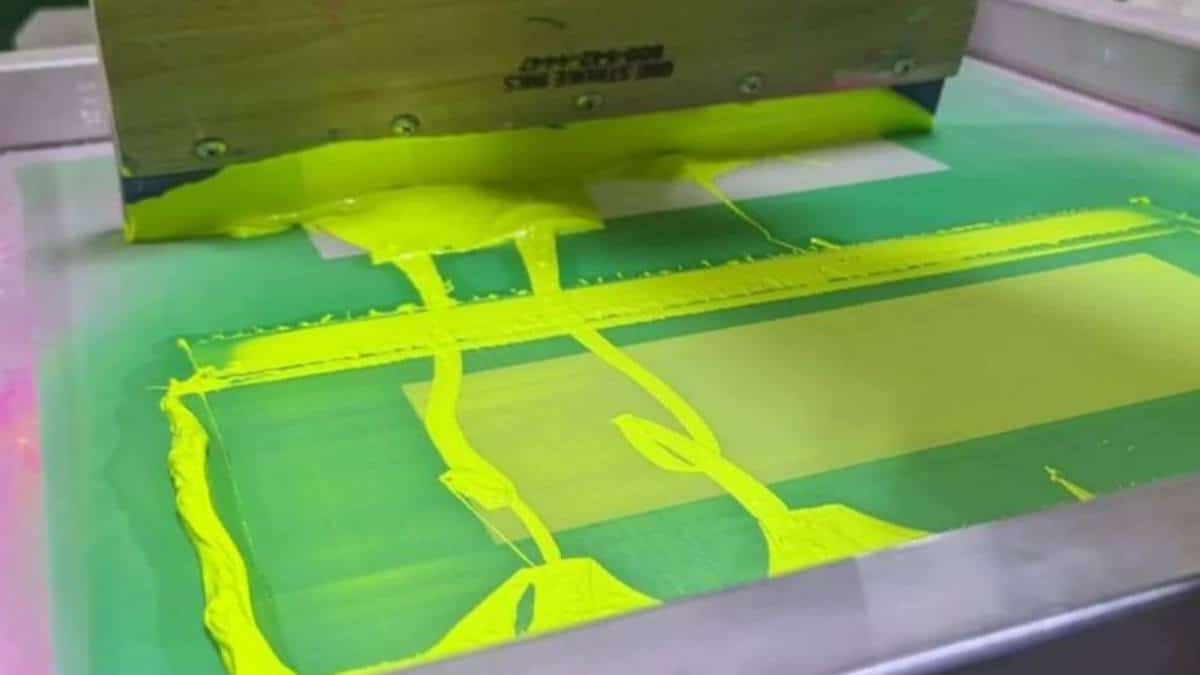
5. Estudio de caso: El milagro de la “Glow Run”
El verano pasado, una organización benéfica local me pidió 500 camisetas para una "Carrera Luminosa". Tenían un plazo ajustado de una semana y un sueño: camisetas negras con amarillo fluorescente y Tinta de serigrafía plateada para un borde metálico.
El flujo de trabajo:
-
Base: Tinta plastisol blanca (Malla 110).
-
Neón: Amarillo fluorescente (Malla 156).
-
Detalle: Plata metalizado (Malla 200) para el texto fino.
¿El resultado? Esas camisetas eran tan llamativas que prácticamente iluminaban el camino para correr. Los organizadores del evento retiraron todas las camisetas antes de que el primer corredor cruzara la meta. No solo entregamos productos; les entregamos un artículo de colección que la gente se sentía orgullosa de llevarse a casa.
Preguntas frecuentes: Respuestas directas y sin rodeos
P1: ¿Puedo mezclar el amarillo neón con mis otras tintas estándar?
Es posible, pero no me culpes si el brillo desaparece. Añadir pigmentos estándar al neón es como mezclar un whisky de primera calidad con agua del grifo: simplemente estás destruyendo lo que lo hace especial. Si necesita un neón personalizado, busque un proveedor especializado. Tinta Plastisol CMYK colocar.
P2: ¿Se agrietará la tinta después de tres lavados?
Solo si no cuidas bien el secado. Cuando la tinta alcanza los 160 °C, se convierte en una unión plástica flexible que durará más que la propia camiseta. Si se agrieta, es porque la secadora va demasiado rápido o porque hay un punto frío en la resistencia.
P3: ¿Puedo lograr esto con una prensa de fabricación casera?
No necesitas una enorme instalación industrial para producir impresiones de primera clase. Si tienes una forma de alcanzar esa temperatura mágica de curado, ya sea una prensa de calor o un flash confiable, puedes producir camisetas listas para la venta con un equipo básico. Kit de iniciación para serigrafía.
P4: ¿Funciona con poliéster 100%?
Sí, pero debes tener cuidado con la “migración de tinte” (donde el color de la camisa se mezcla con la tinta). Usa un Tinta de serigrafía antimigración como barrera si imprimes sobre camisetas de poliéster rojas o de color oscuro.
P5: ¿Por qué es más caro que el amarillo “estándar”?
Porque los pigmentos están diseñados específicamente para ofrecer un rendimiento excepcional. Estás pagando por la química que les da ese brillo. Pero aquí viene lo interesante: normalmente puedes cobrar 201 TP3T más por las impresiones de la "Edición Neón".
El veredicto: ¡Arriésgate o vete a casa!
Mira, el mundo ya está lleno de diseños aburridos, seguros y monótonos. Tus clientes están cansados de eso. Quieren destacar. Quieren energía.
Cuando domines Tinta plastisol para serigrafía amarilla fluorescente, No eres solo un tipo con una espátula, eres un especialista. Ya sea que imprimas para un equipo de construcción que necesita sobrevivir o para un promotor de fiestas que quiere llenar un estadio, esta tinta es tu arma secreta.
Si estás listo para dejar de ir a lo seguro, acude a un proveedor que sepa lo que hace. Yo compro mis productos a granel en Shaliteink porque su Tinta para serigrafía al por mayor Los precios me permiten mantener mis márgenes altos mientras que mi calidad se mantiene en lo más alto.
Deja de leer. Empieza a imprimir. La secadora ya está caliente.
| Tamaño |
8 onzas ,16 onzas ,32 onzas |
|---|
2 valoraciones en Fluorescent Yellow Screen Printing Plastisol Ink
Borrar filtrosSolo los usuarios registrados que hayan comprado este producto pueden hacer una valoración.
Productos relacionados
Tinta plastisol para serigrafía negra
Deja de conformarte con el "gris oscuro" y llamarlo negro. Nuestro Tinta plastisol negra Esta tinta está diseñada para impresores cansados de lidiar con tintas espesas y pegajosas que obstruyen las pantallas y dejan un aspecto apagado en la prenda. Su consistencia cremosa y suave permite que se deslice fácilmente a través de mallas de alta densidad, manteniendo la opacidad suficiente para cubrir completamente el color de la prenda en una sola pasada. Ya sea que imprimas una camiseta de algodón 100% o una mezcla compleja, esta tinta se cura con un acabado mate flexible de color "medianoche" que no se agrieta ni se descascara después del primer lavado. Es el negro profesional de calidad comercial que tus clientes realmente esperan.
La seguridad no tiene por qué significar un sacrificio en el rendimiento. Nuestra fórmula está completamente libre de ftalatos (con Opciones sin PVC Disponible) para que puedas imprimir para marcas de alta gama sin complicaciones químicas. Se seca rápidamente, permanece visible en la pantalla y conserva detalles nítidos sin acumulación excesiva. Si buscas una tinta resistente que optimice tu taller y dé a tus impresiones un aspecto profesional, esta es la tinta ideal.
Tinta plastisol para serigrafía azul
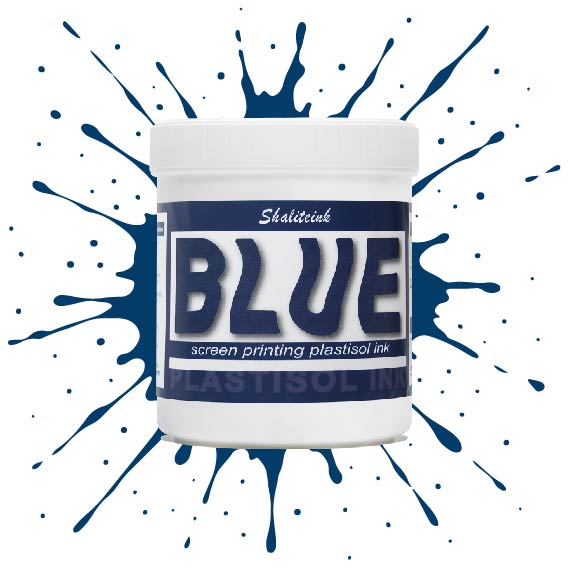
Deja de luchar con azules finos y transparentes que desaparecen en el momento en que tocan la tela. Nuestra tinta plastisol azul para serigrafía está diseñada para ser cremosa desde el primer momento y te brinda ese corte perfecto a través de la malla sin cansar tus brazos. Ya sea que estés usando un azul marino profundo o un azul chillón Azul brillante, Esta tinta mantiene su viveza y se seca por completo, pero no se seca en la pantalla mientras haces una pausa.
Está diseñado para durar: lavado tras lavado, no se agrietará ni se pelará siempre que mantengas la temperatura adecuada. Hemos eliminado los ftalatos dañinos para que sea seguro para cualquier uso, desde ropa de trabajo resistente hasta suaves mamelucos para bebés. Es el azul confiable y de alta opacidad que todo taller necesita cuando lo "suficientemente bueno" no es suficiente.
Tinta plastisol para serigrafía azul brillante
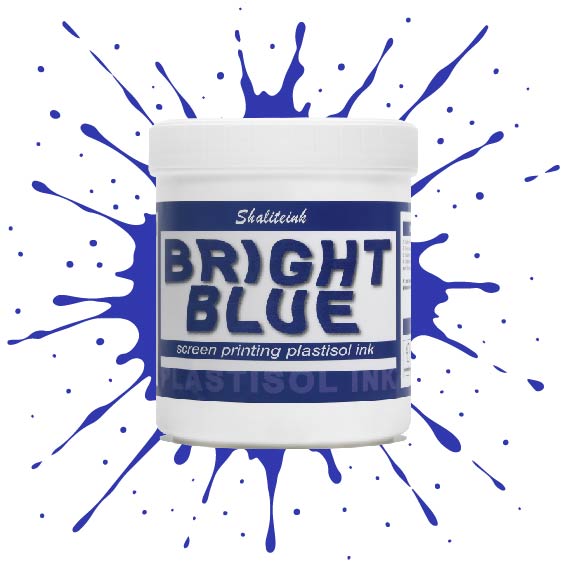
Deja de conformarte con azules apagados como alfombras de oficina y elige la tinta plastisol azul brillante de Shaliteink para darle a tus camisetas un toque veraniego mediterráneo. Su textura es tan cremosa como una bechamel fina, pero se mantiene tan resistente como una vieja bota de cuero una vez terminada la impresión. Como esta tinta no se seca en la pantalla mientras trabajas, por fin podrás concentrarte en tu arte sin prisas.
Sabemos que probablemente imprimes desde un estudio casero o un pequeño taller, por eso hemos creado esta fórmula para que sea a la vez de alta opacidad y ecológica. Nuestra línea 'NB' no contiene ftalatos y cumple con los estándares de seguridad más exigentes del mundo, como OEKO-TEX. Solo tienes que darle un curado adecuado a 160 °C (320 °F) y tendrás una camiseta con colores vibrantes que no se desteñirán después del primer lavado.
Tinta plastisol para serigrafía extra verde
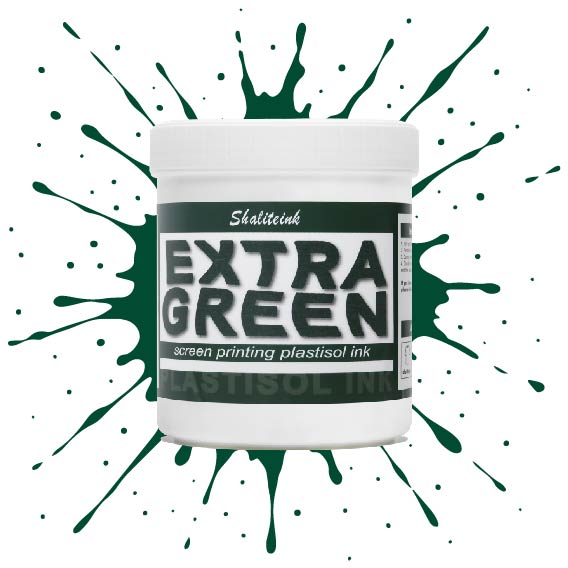
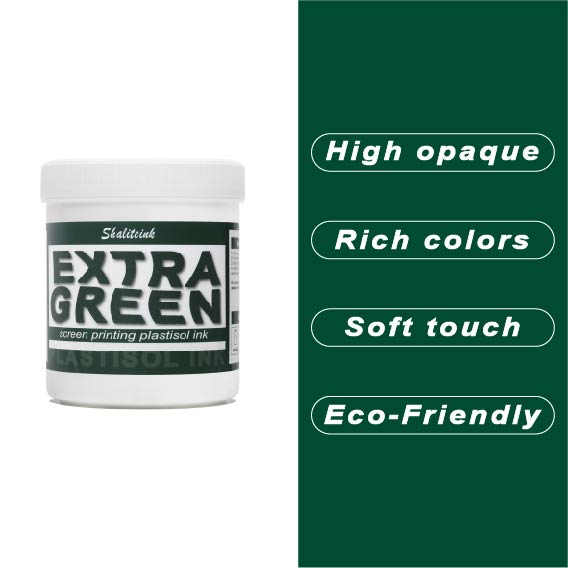
¿Cansado de los verdes que desaparecen en la tela o parecen agua de pantano turbia en una sudadera oscura? Nuestra Tinta plastisol verde extra Es la solución ideal para impresores que buscan un color vibrante y llamativo sin la sensación pesada de una "armadura". Tiene una textura suave y cremosa a temperatura ambiente que se desliza con facilidad bajo la espátula, lo que significa que se acabaron las agotadoras sesiones de remover o las mallas obstruidas. Con solo una pasada a través de una malla de 156, notará la diferencia: es vibrante, increíblemente opaca y lo suficientemente flexible como para superar la prueba de estiramiento extremo sin agrietarse.
Ya sea que seas un entusiasta del bricolaje o que manejes una prensa automática de alta velocidad, esta es la tinta que debes mantener en el estante superior. Maneja el curado rápido y se adhiere a la camiseta, no a tu pantalla, por lo que puedes dejar de desperdiciar dinero en inventario arruinado y comenzar a entregar impresiones que hagan que los clientes pregunten, ""¿Cómo conseguiste que brillara tanto?"" No te conformes con un verde "aceptable": opta por la fórmula de calidad profesional diseñada para ofrecer durabilidad y un color intenso.
Tinta plastisol para serigrafía verde
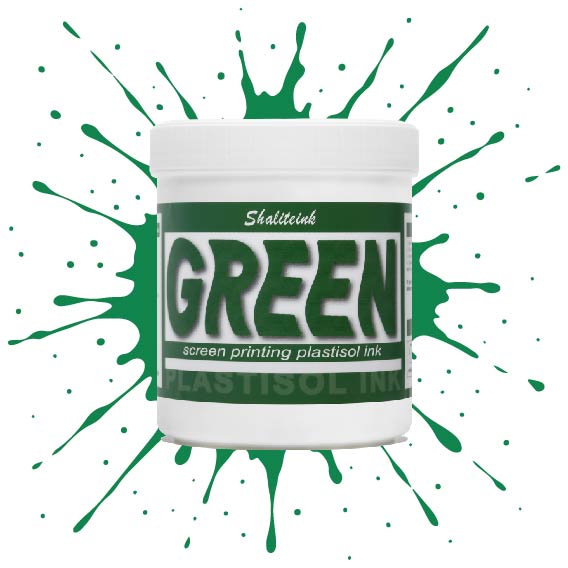
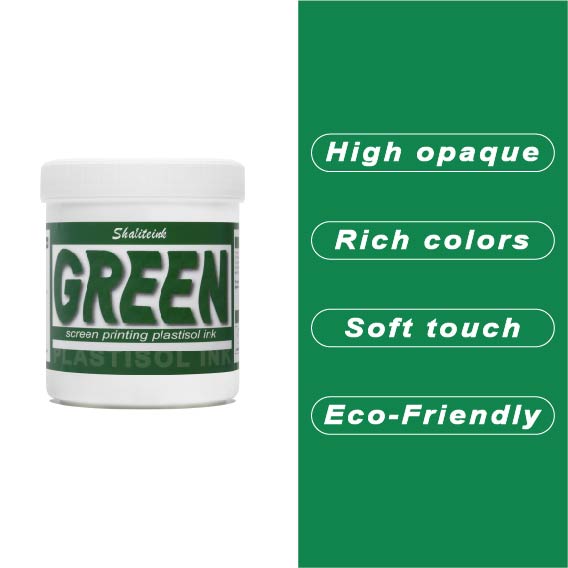
Pasé demasiadas noches en vela respirando vapores irritantes en mi garaje, pero finalmente lo solucioné con la tinta verde de Shaliteink. No es de esas tintas tóxicas de antaño, ya que es segura para tu taller doméstico y se mantiene 100% libre de PVC. Obtienes un color vibrante que se siente menos como un trabajo industrial y más como extender una generosa capa de glaseado sobre un pastel recién hecho.
Esta tinta se seca a tan solo 127 °C, lo que te permite ahorrar en electricidad y evita que tus camisetas se encojan. Se adhiere al algodón oscuro con un tacto suave y conserva su brillo durante más de cincuenta lavados. Olvídate de los vapores tóxicos y empieza a crear prendas profesionales desde tu propia cocina.
Tinta plastisol para serigrafía rosa
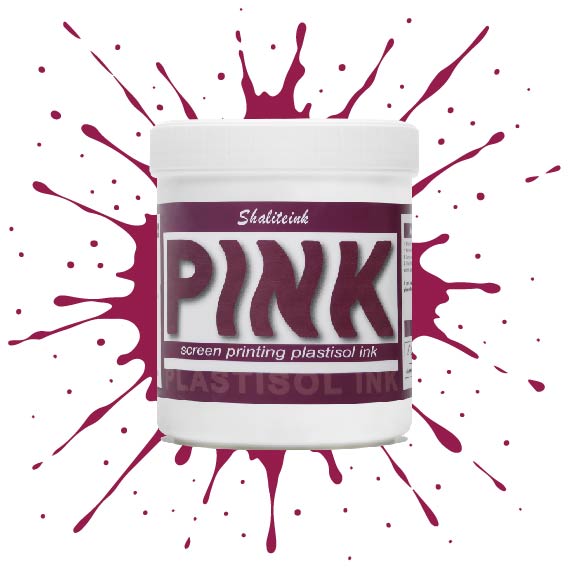
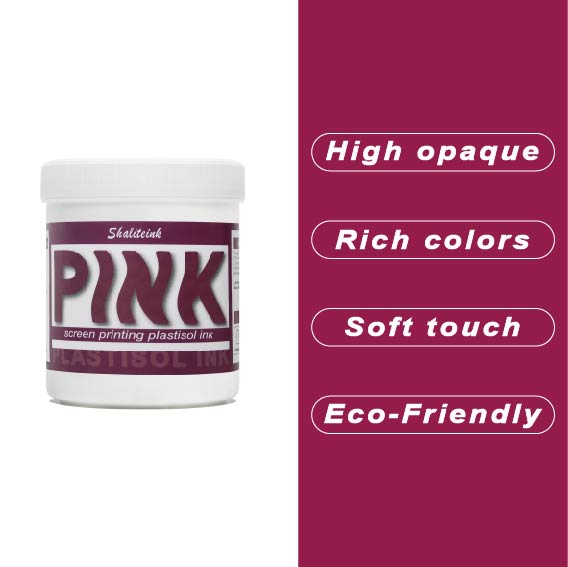
Deja de conformarte con rosas que parecen un moretón en telas oscuras. El plastisol rosa de Shaliteink es la solución de alta saturación para impresores que buscan un color vibrante y duradero. Diseñada con una concentración de pigmentos ultra alta, esta tinta está diseñada para resistir los tintes oscuros de las prendas, adhiriéndose perfectamente a las fibras para un acabado vibrante y de calidad superior. Es cremosa desde el primer momento y prácticamente indestructible en la pantalla: no se secará en la malla durante una pausa, pero ofrecerá un color nítido y llamativo cada vez que uses la rasqueta.
Diseñada para durar, nuestra fórmula sin ftalatos se fusiona en una película a prueba de balas a 160 °C, asegurando que tus diseños sobrevivan a más de cincuenta lavados sin agrietarse ni desteñirse. Ya sea que imprimas ropa urbana resistente o mezclas de algodón suave, Shaliteink te brinda la opacidad de calidad profesional que necesitas sin la rigidez de una esterilla de yoga congelada. No imprimas una camiseta más; dales a tus clientes una razón para admirar tu trabajo con un rosa que por fin se comporta como debe.
Tinta plastisol para serigrafía roja
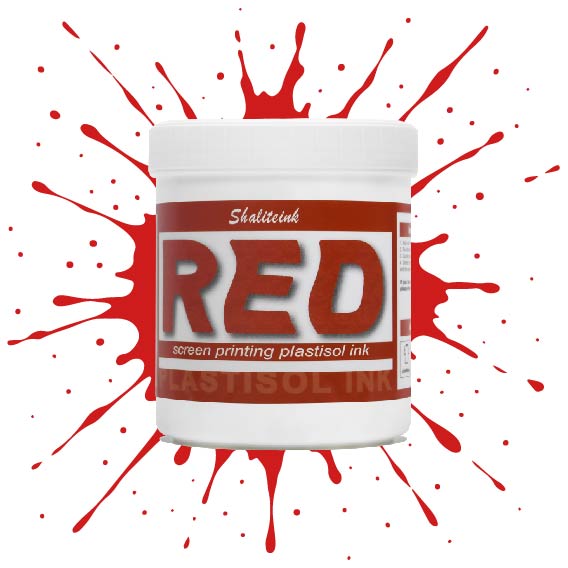
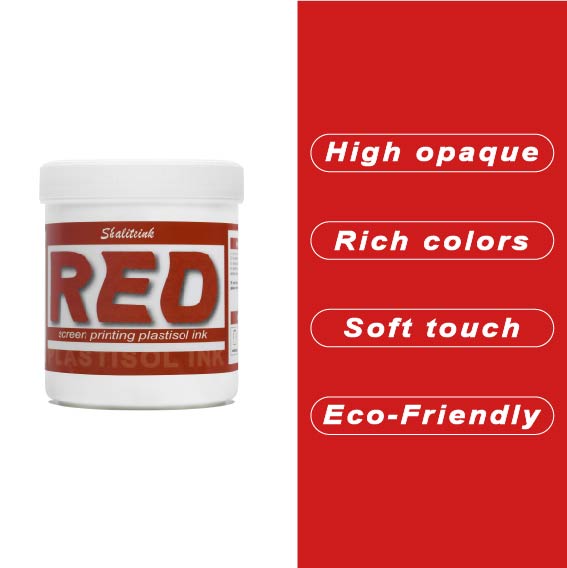
Deja de luchar con rojos que parecen manchas descoloridas en sudaderas oscuras. Si has pasado la mañana viendo cómo un rojo brillante se convierte en un marrón opaco porque la tinta no tiene cuerpo, necesitas este producto. Tiene una opacidad intensa que destaca sobre telas negras, manteniendo un tono cremoso y listo para usar durante toda la jornada. Se acabaron las manchas y el pánico en la secadora: solo un rojo limpio y vibrante que realmente vale la pena.
Da igual si imprimes sobre una base o directamente sobre algodón; este plastisol permanece abierto en la malla hasta que estés listo para el curado. Está diseñado para el impresor que está cansado de lo mediocre y busca un rojo que llame la atención y se mantenga en la camiseta lavado tras lavado. Deja de perder el tiempo con tintas aguadas y diluidas y consigue un rojo que dé en el clavo a la primera.
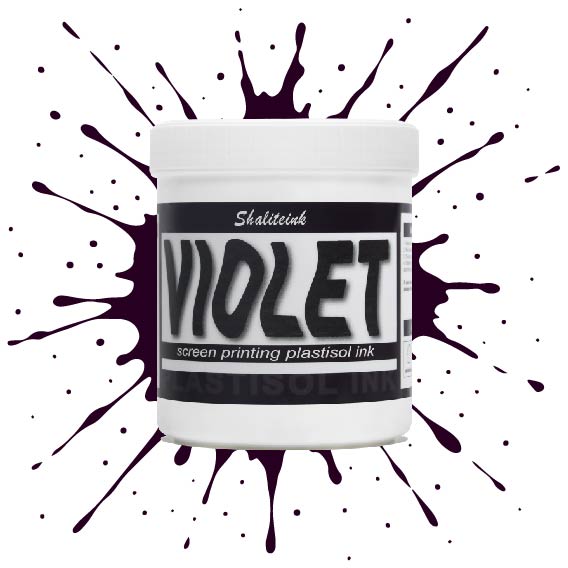
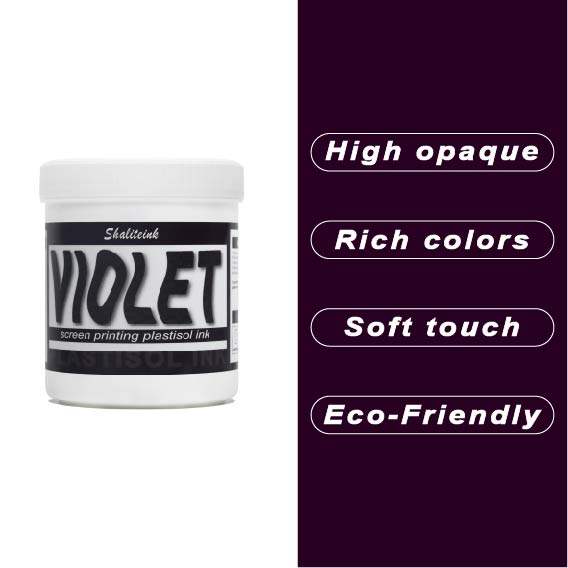
Tinta plastisol para serigrafía violeta
Deja de conformarte con morados apagados y sin vida que desaparecen en cuanto tocan telas oscuras. Nuestros Tinta plastisol para serigrafía violeta Contiene una alta concentración de pigmentos para garantizar que tus diseños resalten con un acabado vibrante y elegante. A diferencia de las tintas económicas que se sienten como arrastrar mantequilla de maní fría sobre la pantalla, esta fórmula se desliza suavemente a través de la malla, brindando bordes nítidos y una opacidad uniforme, ya sea que uses algodón grueso o mezclas oscuras.
Todo se basa en la química: esta tinta está diseñada para adherirse a las fibras y lograr el máximo brillo, a la vez que mantiene la flexibilidad necesaria para resistir el agrietamiento tras varios lavados. Si has tenido problemas con estampados que se ven apagados y pierden su brillo en la secadora, esta es la solución de alta concentración de sólidos que necesitas para obtener el color perfecto a la primera. Es un violeta vibrante y fiable que transforma una camiseta común en una prenda excepcional.
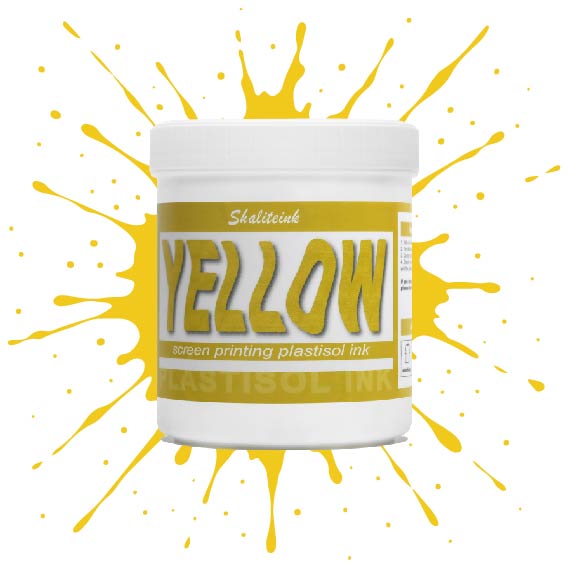
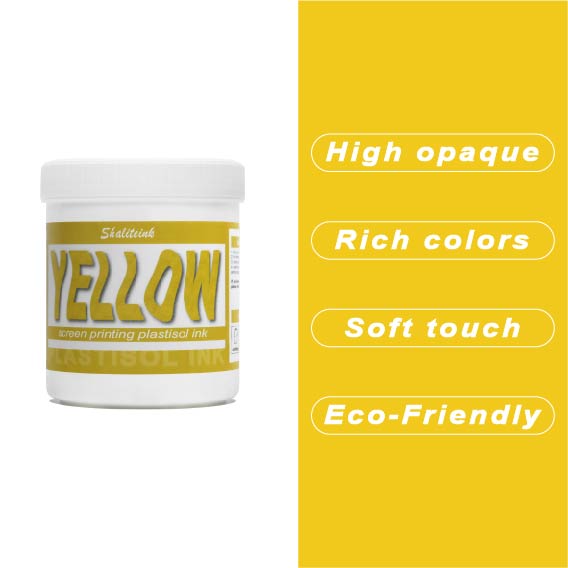
Tinta plastisol amarilla para serigrafía
Deja de conformarte con estampados de color verde pantano cuando buscas un efecto de explosión de color. El amarillo es el color estrella de las tintas: es naturalmente translúcido y notoriamente difícil de imprimir sobre telas oscuras sin que se vea apagado o débil. Por eso, diseñamos la tinta plastisol amarilla de Shaliteink con una alta concentración de pigmento. Está específicamente diseñada para adherirse perfectamente a una base blanca, ofreciendo una viveza impactante que se ve desde lejos y que, además, se mantiene brillante incluso después de secarla en la secadora.
Tanto si buscas el vibrante y eléctrico amarillo limón como la calidez de nuestro amarillo dorado, estas tintas son increíblemente suaves y no se secan en la malla a mitad de la impresión. Hemos perfeccionado la fórmula para eliminar las rayas y la cobertura fina, ofreciéndote una consistencia cremosa que te garantiza una impresión perfecta. Si quieres camisetas listas para la venta que no se agrieten ni se decoloren tras unos pocos lavados, este es el amarillo que tu espátula estaba esperando.
 EN
EN  DE
DE  ES
ES  PT
PT  JA
JA
Peter Fischer –
Leicht zu nutzen und konstante Ergebnisse. Leicht zu nutzen und konstante Ergebnisse. Lecht zu nutz
Laura Wagner –
Hochwertige Qualität und schnelle Lieferung. Sehr gutes Preis‑Leistungs‑Verhältnis. Sehr gutes Preis‑Leistungs‑Verhältnis. Hochwertige Qualität und schnelle Lieferung. Leicht zu nutzen und konstante E