
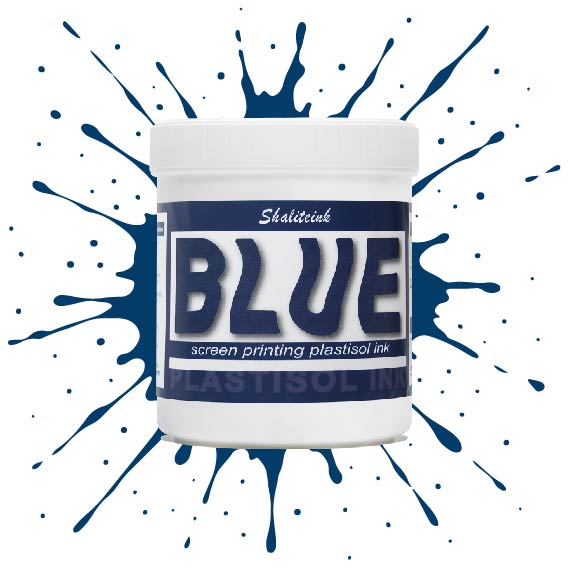
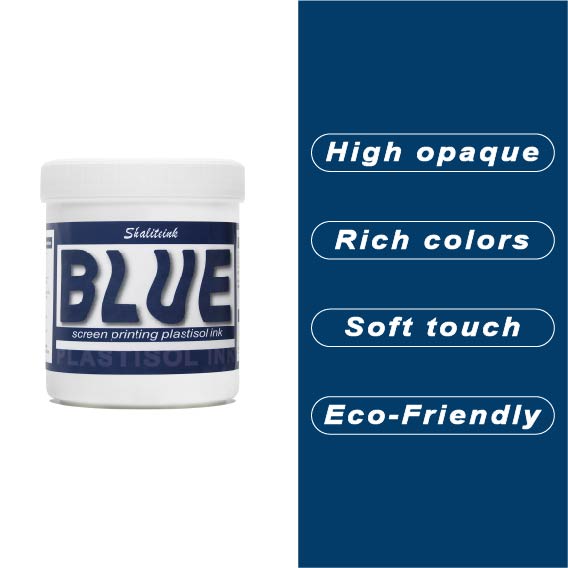
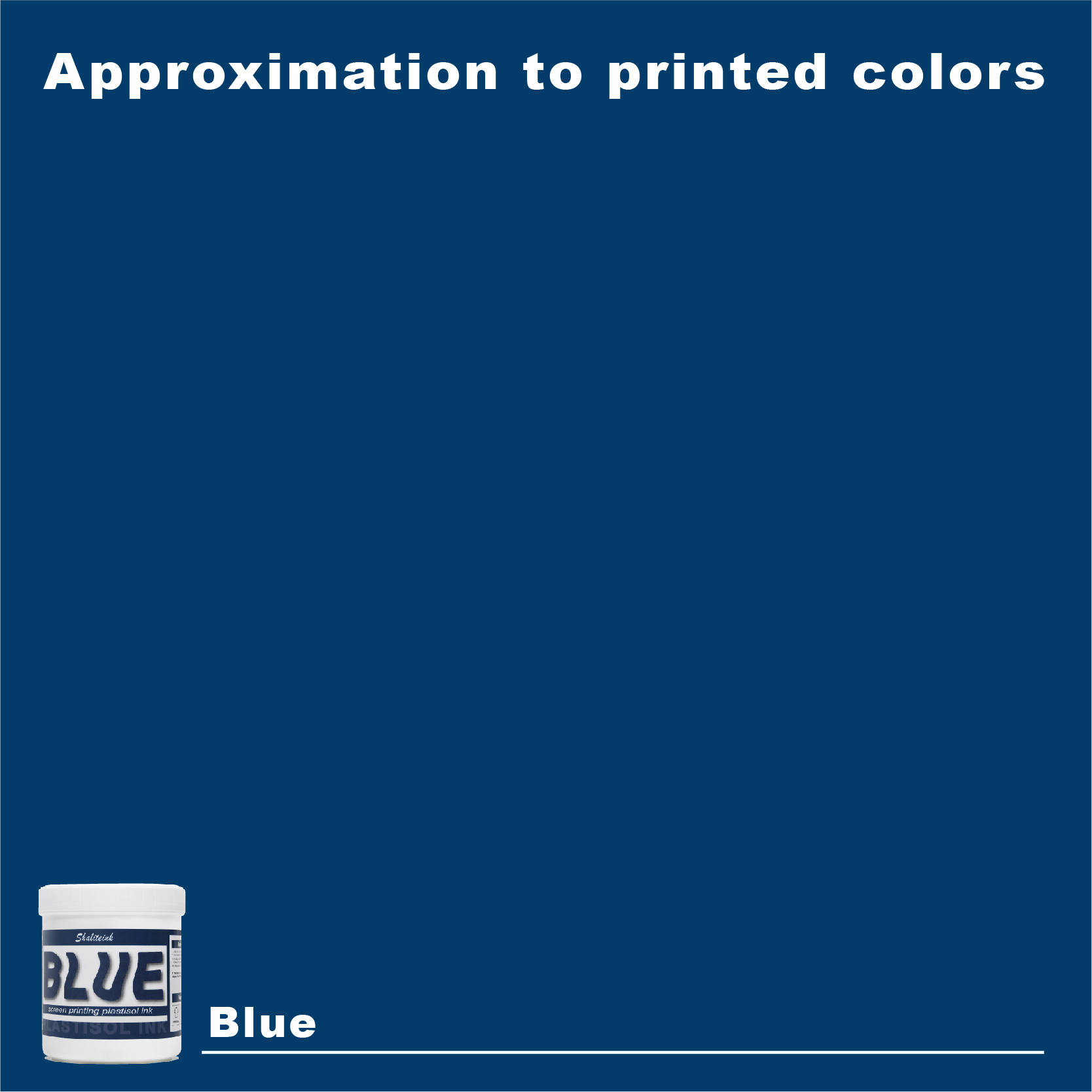
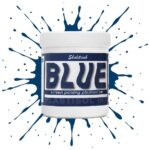
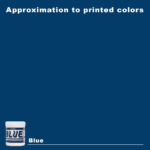
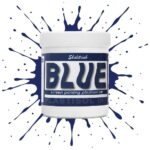
Blue Screen Printing Plastisol Ink
价格范围:$14.99 至 $30.99
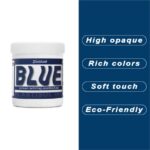
Stop fighting with thin, transparent blues that disappear the moment they hit the fabric. Our Blue Screen Printing Plastisol Ink is built to be creamy right out of the bucket and gives you that perfect shear through the mesh without wearing out your arms. Whether you are pushing a deep Navy or a screaming Bright Blue, this ink stays punchy and cures solid yet it won’t dry out in the screen while you are taking a break.
It is made for the long haul—wash after wash, it won’t crack or peel as long as you hit your temps. We have stripped out the nasty phthalates to keep it safe for every job from heavy-duty workwear to soft baby onesies. It is the reliable and high-opacity blue every shop needs on their shelf when “good enough” simply won’t cut it.
The Master’s Blueprint for Blue: How to Print Blue Plastisol Ink Like a Pro (And Keep Your Sanity)
Let me tell you a secret about the color blue. In the world of screen printing blue is the king of the mountain. Walk into any t-shirt shop from New York to Paris and you will see racks filled with navy hoodies or royal blue tees. It is the color of trust and the color of the sky but for a printer it can be a color of absolute frustration if you don’t respect the chemistry.
I have spent decades behind a squeegee. I have ruined more shirts than most people own and I have learned that Plastisol Ink is both your best friend and your harshest critic. If you treat it right it stays open in the screen forever. If you mess up the cure it peels off in the wash like a bad sunburn. Today I am pulling back the curtain on everything I know about Blue Screen Printing Plastisol Ink. Grab a coffee because we are going deep.
Why Blue Ink is the “Safe Bet” That Isn’t Always Safe
Everyone loves blue. It is statistically the most popular favorite color in the world. When a client walks in and doesn’t know what they want they usually pick blue. It feels professional yet relaxed. However as a printer you know that “blue” is a broad term. Are we talking about a Bright Blue Screen Printing Plastisol Ink that pops off a white shirt? Or are we talking about a Navy Blue that needs to look sophisticated on a dark garment?
The chemistry of blue is fascinating. Most blue pigments are made from phthalocyanine. It is a stable pigment but it can be transparent. This is the first hurdle. If you print blue directly onto a black shirt it will vanish. It will look like a muddy ghost of a print. To get that “wow” factor you need to understand opacity and underbasing.
The Spectrum of Blue Shades
Not all blues are created equal. In my shop I keep a shelf dedicated just to the blue family. Here is how I break them down:
-
Royal Blue: This is the standard. It is bright and punchy. It screams “team sports.”
-
Navy Blue: The corporate favorite. It is dark and needs to stay dark.
-
Process Blue (Cyan): This is for your CMYK printing. It is thin and transparent by design. If you want to print a photo of a landscape you need Process Blue Screen Printing Plastisol Ink.
-
Specialty Blues: These include your Fluorescent Blue for that 90s retro look or a Silver Screen Printing Ink Plastisol mixed with blue for a metallic finish.
The Technical Reality: How to Manage Blue Ink
You can’t just throw ink on a screen and hope for the best. Success in this business is 90% preparation and 10% perspiration. You need the right tools and you need the right settings.
Choosing Your Mesh Count
I see beginners make this mistake all the time. They use a 230 mesh for a high-opacity blue and wonder why the print looks grey. Or they use a 110 mesh for fine halftones and end up with a blurry mess.
| Blue Ink Type | Mesh Count | Best Use Case |
| Opaque Royal Blue | 110 – 156 | Dark cotton garments with a white base. |
| Navy Blue | 156 – 196 | Corporate logos on light-colored shirts. |
| Process Blue (CMYK) | 305 – 355 | High-detail photographic prints. |
| Metallic/Shimmer Blue | 60 – 86 | Big flakes that need a wide door to pass through. |
The Squeegee Strategy
I prefer a 70-durometer squeegee for most blue plastisol work. It is firm enough to shear the ink cleanly but soft enough to lay down a decent deposit. If you are printing a Deep Blue on a white shirt you want a sharp edge. If you are printing over a white underbase you might want a slightly rounded edge to push more ink.
The Underbase: The Secret to True Blue
If you are printing blue on a black hoodie you absolutely must use a white underbase. Think of it like a primer for a wall. Without it the black fabric will “eat” the blue pigment.
I always tell my students to “print-flash-print.” You print your white base and you hit it with a Flash Dryer for a few seconds. Then you print your blue on top. This makes the blue look exactly like it does in the bucket. If you use a high-quality White Screen Printing Plastisol Ink as your base the blue will be vibrant and clean.

Curing: Where Most Printers Fail
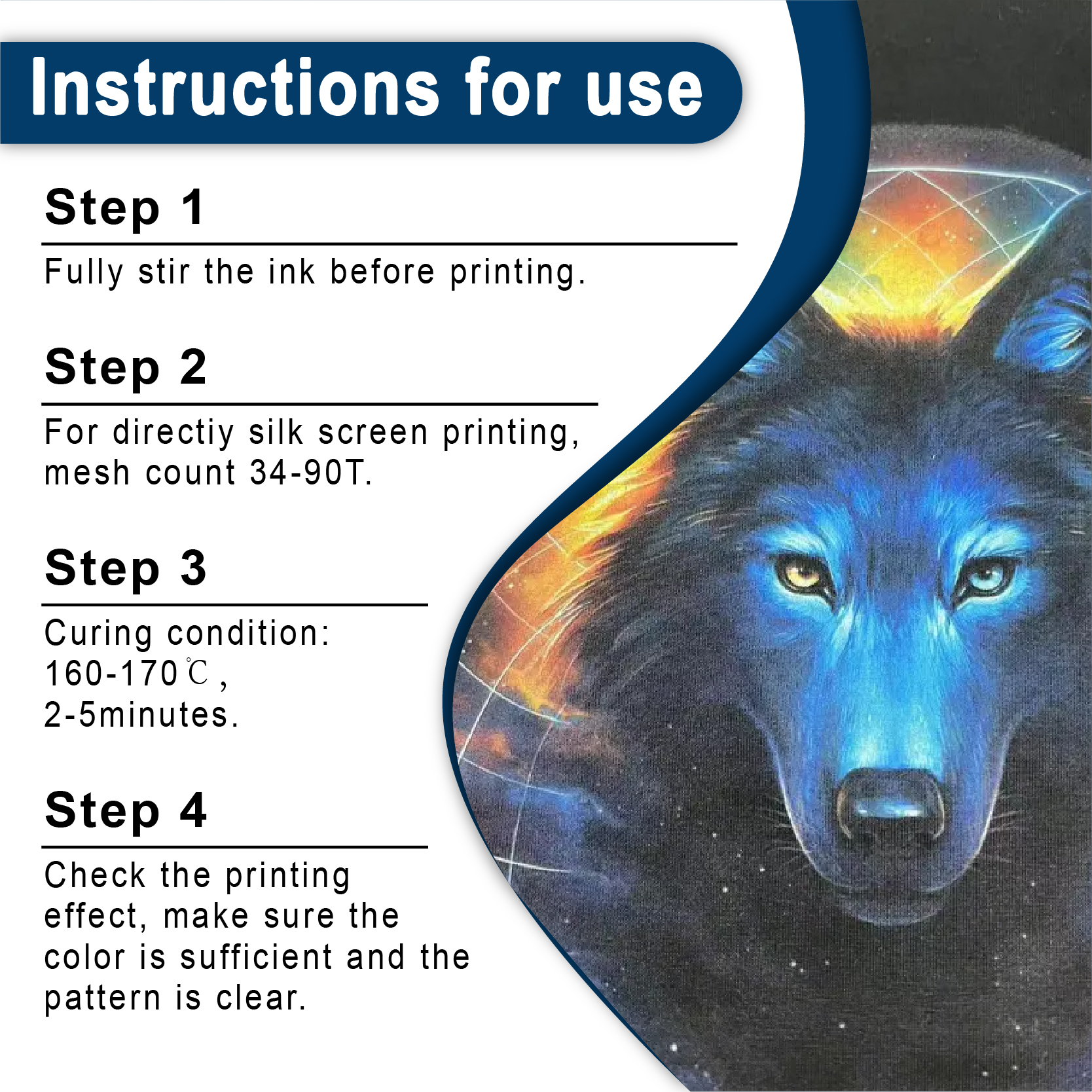
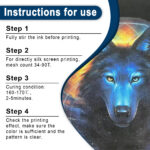
Plastisol ink is basically liquid plastic. It doesn’t “dry” like water-based ink. It “cures.” This means every single molecule of the ink must reach a specific temperature (usually 320°F or 160°C) to fuse with the fabric.
I once did a massive order of 500 navy shirts for a local marathon. I rushed the dryer settings and I didn’t test the cure. Three days later the client called me. After one wash the blue logos were cracking and falling off. I had to reprint the whole job for free. That was a $2,000 lesson.
Pro Tip: Use a laser temperature gun or better yet use “donuts” (thermal strips) to ensure the ink reaches the fusion point. Don’t just trust the dryer’s digital display. The ink temperature is what matters and not the air temperature.
Curing Reference Chart
| Ink Type | Flash Temp | Full Cure Temp | Time in Tunnel (Est.) |
| Standard Plastisol | 220°F (104°C) | 320°F (160°C) | 60 – 90 Seconds |
| Low-Bleed Blue | 180°F (82°C) | 280°F (138°C) | 60 – 90 Seconds |
| PVC Free NB Ink | 200°F (93°C) | 300°F (149°C) | 70 – 95 Seconds |
Troubleshooting: The Dreaded Dye Migration
I’ve seen it a thousand times. You print a stunning Royal Blue on a red polyester jersey and it looks perfect. You go home feeling like a hero. Then you walk into the shop the next morning and find your blue has turned into a sickly purple. That is dye migration and it will ruin your reputation faster than a bad Yelp review.
What happened? The heat from your dryer turned the red polyester dye into a gas. That gas floated right up into your blue ink and set up shop. To beat this you need a “No-Bleed” ink or an Anti Migration Screen Printing Ink Plastisol. Think of it as a physical wall between the fabric and your color. If you are printing on 100% polyester you simply cannot skip this step or you are just gambling with your profit.
The Eco-Friendly Shift: PVC-Free Blue Ink
The industry is moving away from the old-school heavy chemicals and customers are getting a lot pickier. They want shirts that don’t just look good but feel good and are safe. This is why I started leaning into PVC Free Plastisol Ink.
I recently swapped one of my top production lines over to Blue PVC Free NB Screen Printing Ink. Now listen when I say “NB” I’m talking about “Non-Bleed” and “No-Build.” It’s a total game changer for the “hand” of the shirt. You know that heavy plastic armor feeling on a cheap gym shirt? This is the opposite. It is soft and it breathes and it has enough stretch to keep up with an athlete. Plus since it’s phthalate-free I can print baby onesies or high-end eco-boutique gear without losing any sleep over safety regulations.
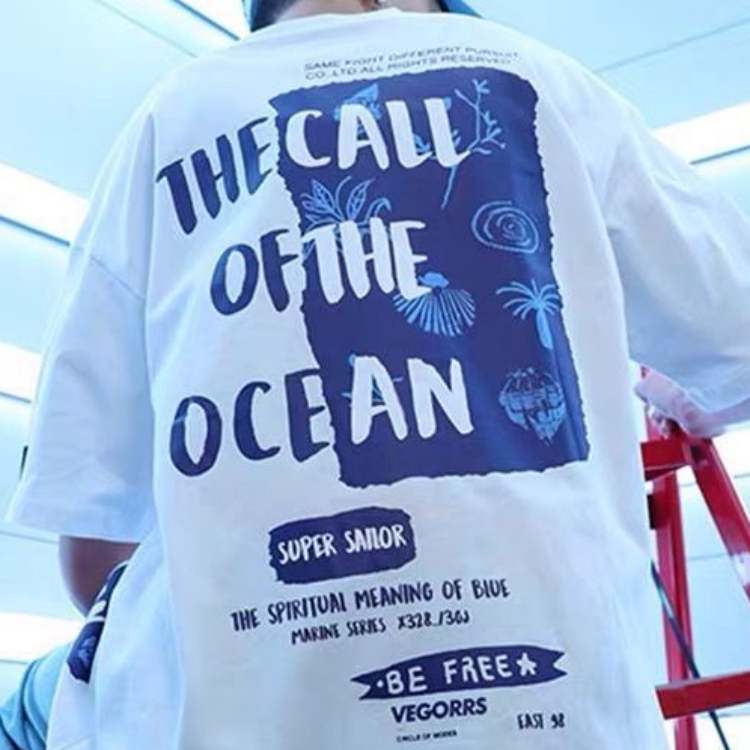
The Art of the Mix
Sometimes a client wants a very specific blue. They bring in a paint swatch or a piece of ribbon. This is where you become a scientist. You can use a mixing system to create any color.
Start with your Process Blue and add small amounts of Black to darken it or White to make it a pastel sky blue. Always mix more than you think you need. There is nothing worse than running out of a custom color with five shirts left to go.
Maintenance and Storage
Plastisol is hardy but it isn’t indestructible. Keep your blue ink in a cool and dry place. If it gets too hot in your shop the ink can “gel” in the bucket. That turns it into a giant blue rubber ball and it becomes useless.
Keep your lids tight. Dust is the enemy of a clean print. If a piece of lint gets in your Navy Blue bucket it will end up on a shirt and it will cause a “pinhole” or a streak. I treat my ink buckets like gold and you should too.
Case Study: The “Ocean Wave” Project
A local surf shop wanted a five-color blue gradient for their 10th anniversary. We used everything from Acid Blue to Deep Blue.
By using halftones and a wet-on-wet printing technique we created a realistic water effect. We used a 230 mesh count to keep the details sharp. The key was the ink consistency. We used a bit of ink reducer to make the plastisol flow like butter. The result was a shirt that sold out in two days. It proved that when you master the blue spectrum you can create art and not just apparel.
Conclusion: Why We Keep Printing
Let’s be honest. This job is messy and it is loud and on a July afternoon in a shop with no AC it is miserable. Your hands are always stained and your back always aches. But there is a specific kind of magic when you pull that squeegee across the mesh.
When you lift that screen and see a perfect solid layer of Vibrant Bright Blue hitting the fabric it feels like you’ve won. It’s a craft that rewards the obsessed and punishes the lazy. If you have the patience to dial in your heat and the eye to catch a bad underbase you will thrive. Blue isn’t just a color in this shop—it’s a statement of quality.
Frequently Asked Questions (FAQ)
1. Why is my blue plastisol ink transparent on dark shirts?
Most blue pigments are naturally semi-transparent. To get a bright result on dark fabric you must use a white underbase or choose a “High Opacity” blue ink designed for dark garments. You can find high-quality options at Shaliteink Plastisol Ink.
2. Can I make plastisol ink feel softer?
Yes! You can add a “Soft Hand Base” or a reducer to the ink. This thins the ink and allows it to sink into the fabric more. Alternatively you can switch to a PVC Free Plastisol Ink which naturally has a softer feel.
3. How long does blue plastisol ink take to dry?
Plastisol never truly “dries” at room temperature. It must be heated to 320°F (160°C) to cure. In a conveyor dryer this usually takes about 60 to 90 seconds depending on the belt speed and heater height.
4. What is the best mesh count for navy blue ink?
For most jobs a 156 or 160 mesh is perfect. It allows enough ink through for good coverage but it is fine enough to keep the edges of your text crisp and sharp.
5. How do I stop blue ink from turning purple on red shirts?
This is dye migration. Use a low-bleed white underbase or a specific Anti Migration Ink. Also try to keep your dryer temperature as low as possible while still achieving a full cure.
| Size |
8oz ,16oz ,32oz |
|---|
9 reviews for Blue Screen Printing Plastisol Ink
Clear filtersOnly logged in customers who have purchased this product may leave a review.
Related products
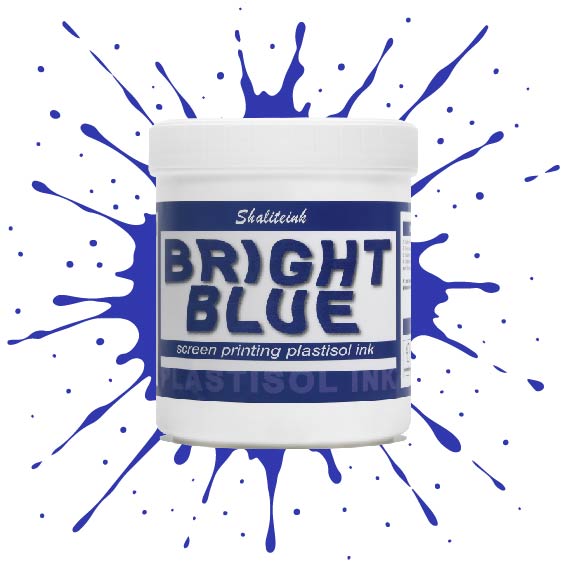
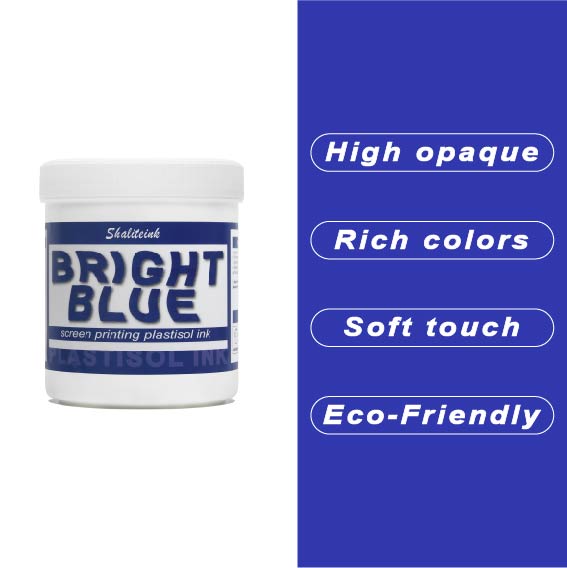
Bright Blue Screen Printing Plastisol Ink
Stop settling for blues that look like dull office carpet and grab Shaliteink's Bright Blue Plastisol Ink to give your shirts a Mediterranean summer sky vibe. It flows as creamy as a fine béchamel but it stays as tough as an old leather boot once you've finished your print. Since this ink won't dry in your screen while you're busy you can finally focus on your craft without rushing.
We know you're likely printing from a home studio or a small shop so we've made this formula both high-opacity and eco-friendly. Our 'NB' line is phthalate-free and it meets the world's toughest safety standards like OEKO-TEX. Just give it a proper cure at 320°F (160°C) and you'll have a vibrant shirt that won't flake off after the first wash.
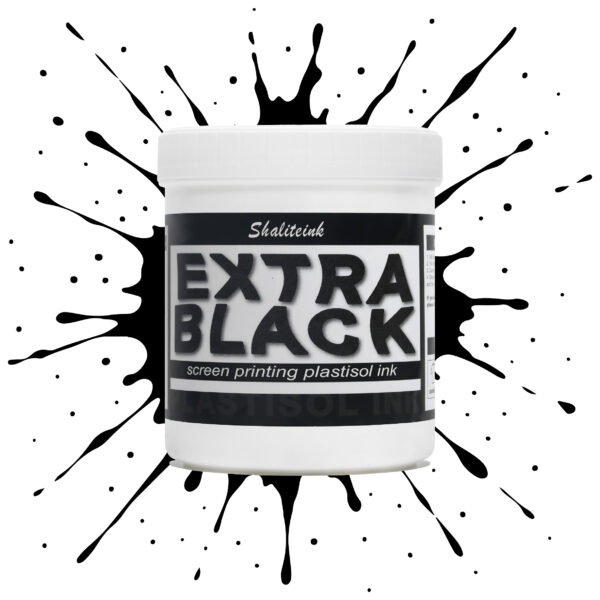
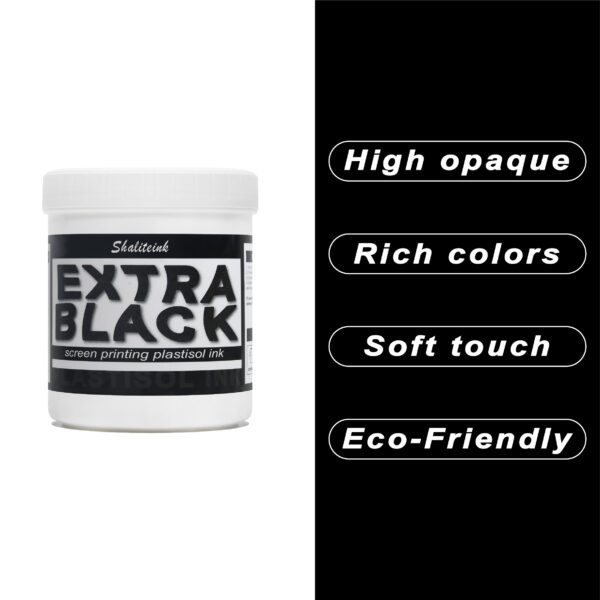
Extra Black Screen Printing Plastisol Ink
Stop settling for "charcoal" when your customers are asking for midnight. Shaliteink’s Extra Black isn't just another dark ink; it’s a high-pigment powerhouse designed to kill transparency in a single stroke. While budget blacks often look like faded espresso on dark cotton, our formula delivers a dense, "black hole" finish with a professional matte touch that feels as good as it looks.
It’s built for the daily grind—creamy enough to shear through fine mesh without a fight, yet bold enough to keep its depth after a hundred laundry cycles. If you’re tired of double-printing just to get a decent solid, this is the upgrade your press deserves. No fillers, no grey tones—just the deepest, most reliable black in the business.
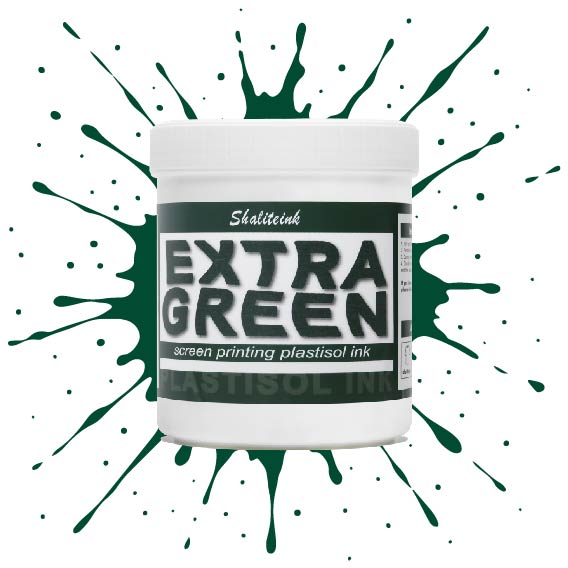
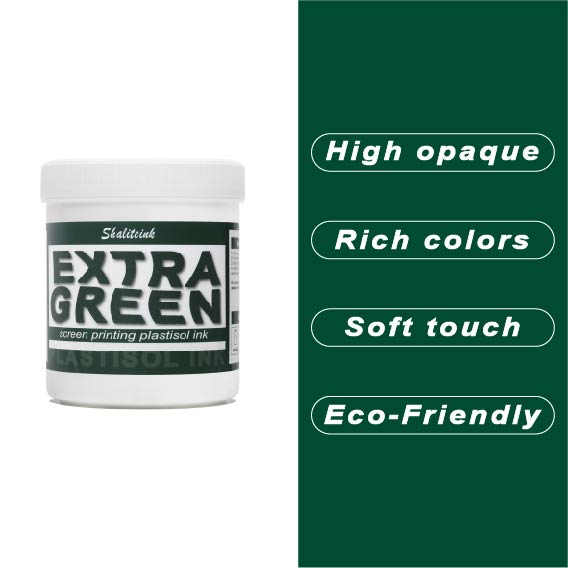
Extra Green Screen Printing Plastisol Ink
Tired of greens that disappear into the fabric or look like muddy swamp water on a dark hoodie? Our Extra Green Plastisol Ink is the real deal for printers who want a punchy, high-vis pop without that heavy "body armor" feel. It’s got a buttery, room-temperature texture that shears like a dream under the squeegee—meaning no more wrist-killing stirring sessions or clogged mesh. One hit through a 156-mesh and you’ll see the difference: it’s vibrant, insanely opaque, and stays flexible enough to survive the "Gorilla Stretch" test without cracking.
Whether you're a DIY enthusiast or running a high-speed auto press, this is the ink you keep on the top shelf. It handles the flash-cure quickly and sticks to the shirt, not your screen, so you can stop wasting money on ruined inventory and start delivering prints that make customers ask, "How'd you get it that bright?" Don't settle for "okay" green—go with the pro-grade formula that's built for durability and serious color.
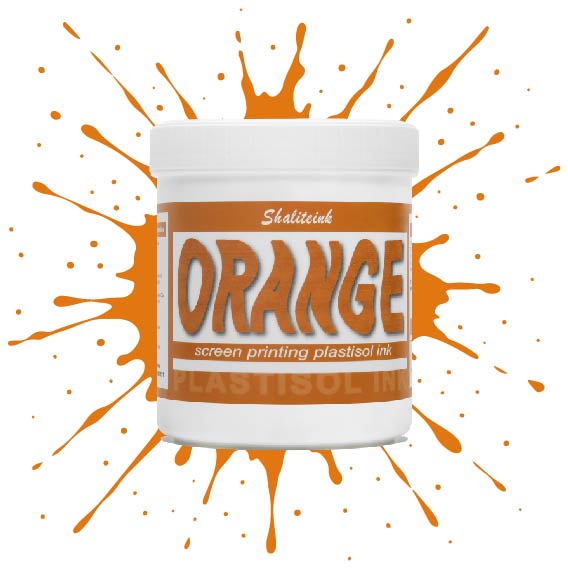
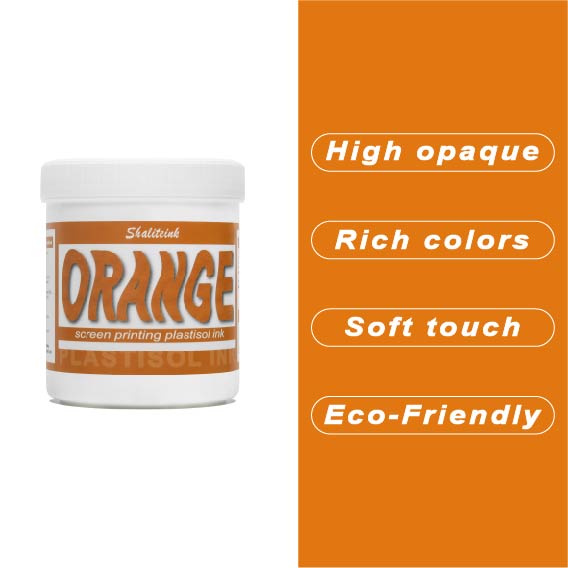
Orange Screen Printing Plastisol Ink
Looking for that perfect, high-energy "Orange Crush" that doesn't disappear into the fabric? Our Orange Plastisol Ink is a shop favorite for a reason. It’s got a creamy, press-ready consistency that glides through higher mesh counts while maintaining the heavy-hitting opacity you need for bold graphics. No more muddy prints—just a bright, citrus pop that stays vibrant from the first pull to the final cure.
Built for the long haul, this ink won’t dry on your screen mid-run but cures to a tough, flexible finish that survives the wildest laundry days. Whether you're hitting a crisp white underbase on dark hoodies or going direct on light cotton, Shaliteink gives you that professional, "retail-ready" look without the headache of constant thinning or ink clogging.
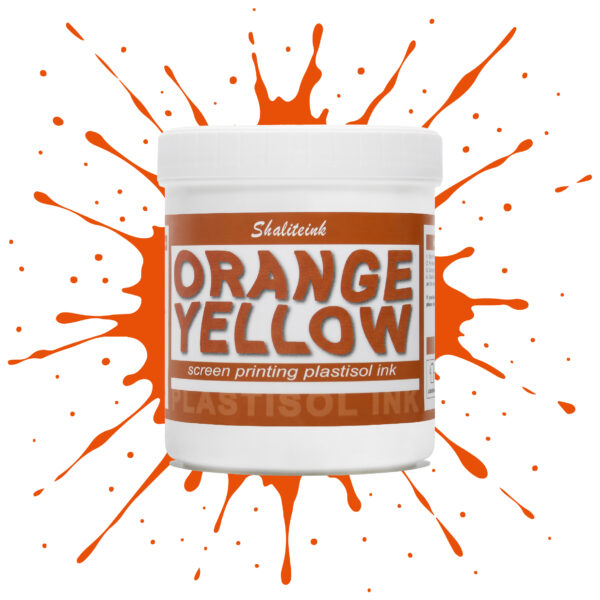
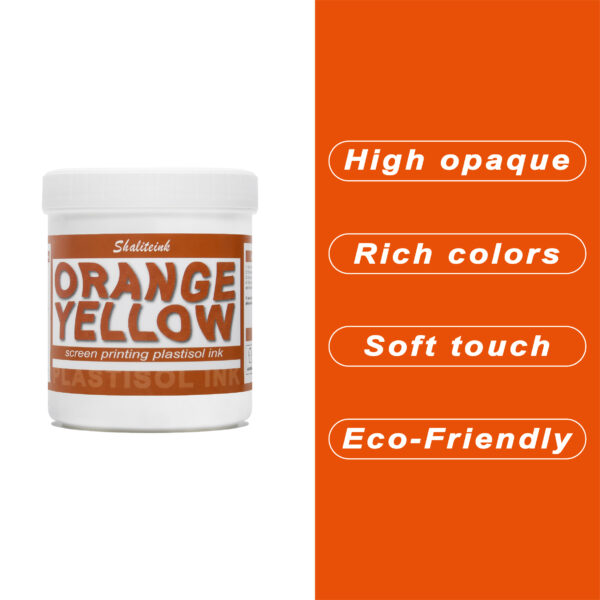
Orange Yellow Screen Printing Plastisol Ink
Stop settling for "muddy" yellows that disappear into dark fabric. I’ve found that the secret to a pop that actually turns heads is our Orange Yellow Screen Printing Plastisol Ink—a high-opacity powerhouse designed for printers who hate compromises. Whether you’re hitting athletic wear or retail tees, this ink stays vibrant thanks to its rich pigment loading. It is a bold, sun-soaked bridge between gold and orange that holds its own without feeling like a thick layer of plastic.
Safety shouldn't be a headache, so we made this formula entirely PVC-free and phthalate-free to keep your shop compliant and eco-friendly. Our Non-Bleed (NB) technology blocks dye migration on those tricky poly-blends, so your brights stay bright wash after wash. It’s smooth, easy to shear, and delivers a premium soft hand feel that will make your customers think you have a magic touch. Grab a jar and see why professionals trust Shaliteink to get the job done right.
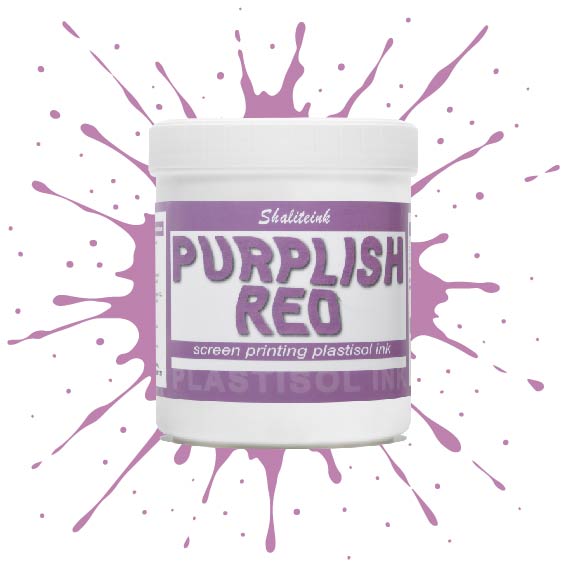
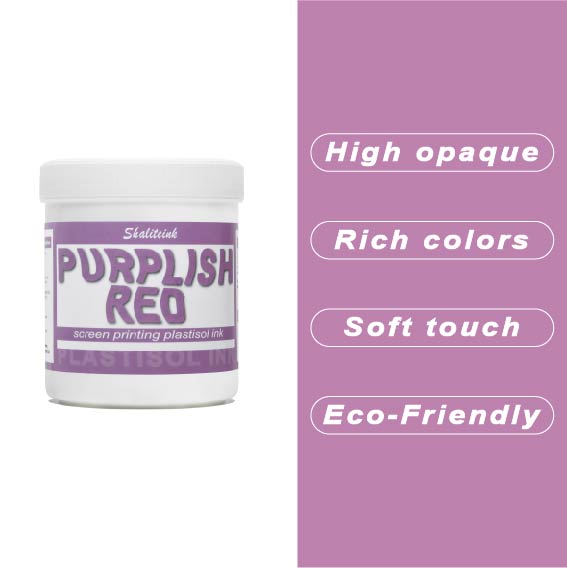
Purplish Red Screen Printing Plastisol Ink
Stop settling for those flat, boring reds that disappear the moment they hit a dark garment. Our Purplish Red Screen Printing Plastisol Ink is a deep, soulful shade that sits right between a regal violet and a high-energy crimson yet it maintains a soft-hand feel that won't turn your t-shirt into a plastic shield. It is the secret weapon for printers who want their designs to scream "luxury" without saying a word.
This professional-grade formula stays wet on the screen for hours so you can focus on the art instead of the clock. It is a high-opacity, non-toxic blend that delivers consistent vibrancy on everything from heavy cotton hoodies to lightweight synthetic tees. We built Shaliteink to survive the wash and the wear but most importantly we built it to help you stand out in a world of basic primary colors.
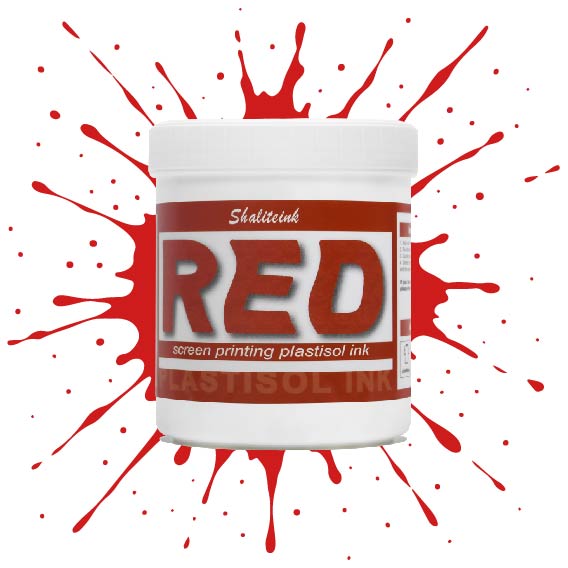
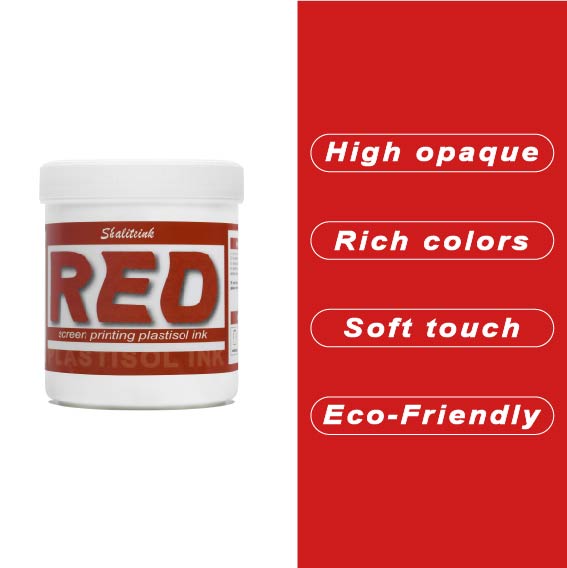
Red Screen Printing Plastisol Ink
Stop fighting with reds that look like a faded smudge on dark hoodies. If you've spent your morning watching a "bright" red turn into a muddy brown because the ink has no backbone, you need this stuff. It’s got the heavy-weight opacity to hold its own against black fabric while staying creamy and ready to pull all shift long. No more clogs, no more "emergency room panic" at the dryer—just a clean, punchy red that actually earns its keep.
It doesn't matter if you're hitting an underbase or going direct to cotton; this plastisol stays open on the mesh until you're ready to cure. It’s built for the printer who’s tired of "good enough" and wants a red that grabs attention and stays on the shirt, wash after wash. Stop wasting time with watery, thin inks and get a red that does the job the first time.
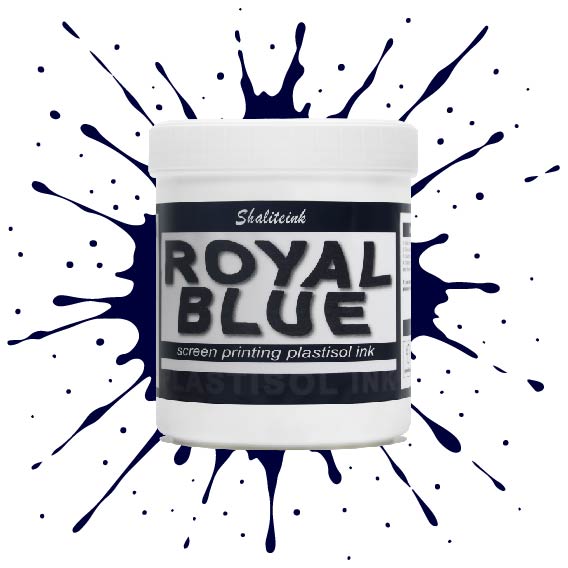
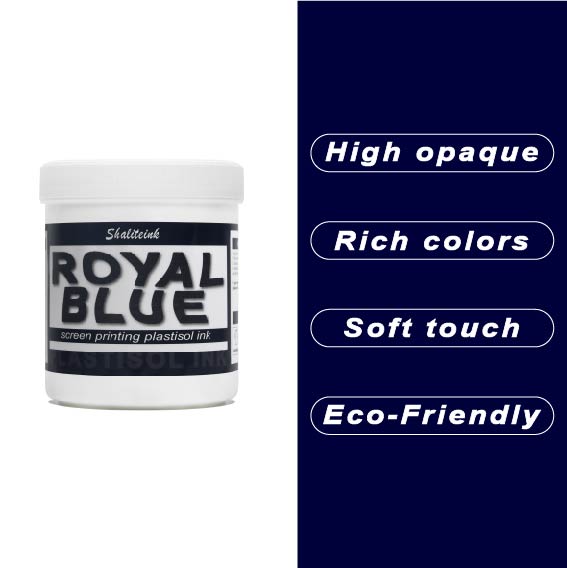
Royal Blue Screen Printing Plastisol Ink
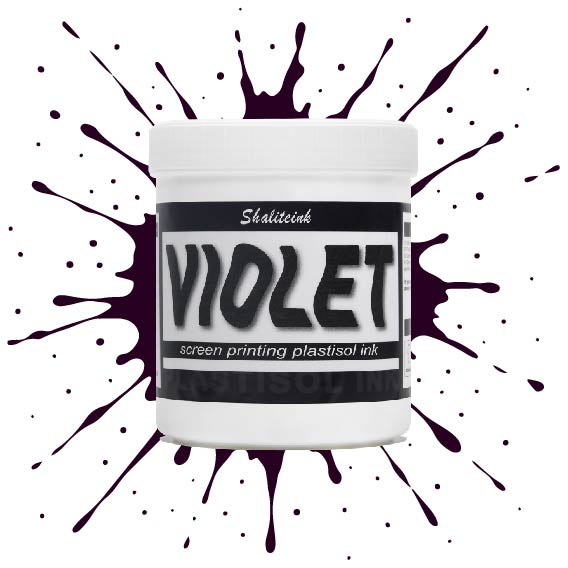
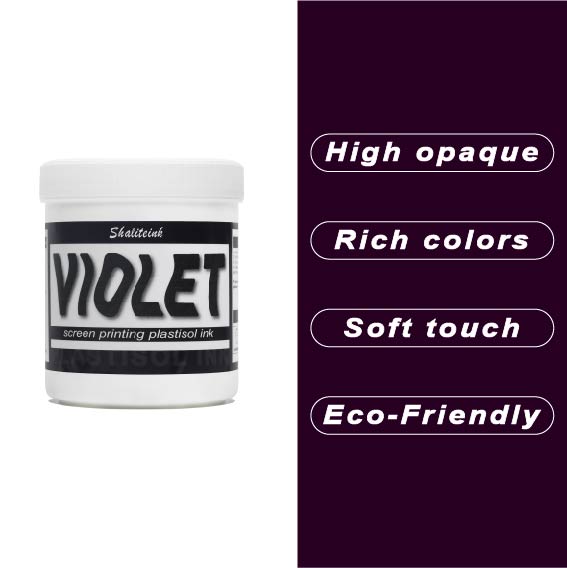
Violet Red Screen Printing Plastisol Ink
Honestly, most red inks look like they belong on a fast-food logo—loud, bright, and a bit cheap. But this Violet Red? It’s a whole different animal. It’s got that deep, moody wine tone that makes a basic $5 blank look like a $40 boutique piece. I've slapped this on pitch-black hoodies, and thanks to the heavy-duty opacity, the color actually stays true instead of turning into a dull, muddy bruise. It’s the "unfair advantage" you need when a client wants something that looks sophisticated rather than just another gym shirt.
Stop wrestling with ink that feels like cold peanut butter. This stuff is buttery right out of the bucket—no heavy-duty stirring or thinning required. You can go grab a coffee or deal with a delivery, and it won't scab over or ruin your screen while you're gone. And let's be real: nothing kills a brand faster than a print that cracks the second someone actually wears it. This formula moves with the fabric, stays soft to the touch, and survives the "hot wash" test without flaking off. It just works, so you can spend less time scrubbing screens and more time actually printing.
 EN
EN  DE
DE  ES
ES  PT
PT  JA
JA
Beatriz Rocha –
Fácil de usar e resultados con
Anna Nowak –
Łatwa aplikacja i niezawodne działanie. Działa bardzo dobrze na co dzień. Łatwa aplikacja i niezawodne działanie. Przekroczyło moje oczekiwania. Bardzo dobry stosunek jakości do ceny. Działa bardzo dobrze na co dzień. Działa bardzo dobrze na co dzień. Przekroczyło moje oczekiwania. Łatwa aplikacja i
Piotr Zielinski –
Łatwa aplikacja i niezawodne działanie. Wysoka jakość i szybka dostawa. Łatwa aplikacja i niezawodne działanie. Wysoka jakość i szybka dostawa. Łatwa aplikacja i niezawodne działanie. Łatwa aplikacja i niezawodne działanie. Działa bardzo dobrze na co dzień. Działa bardzo dobrze na co dzień. Łatwa ap
Peter Fischer –
Leicht zu nutzen und konstante Ergebnisse. Hat meine Erwartungen übertroffen. Sehr gutes Preis‑Leist
Peter Fischer –
Leicht zu nutzen und konstante Ergebnisse. Einfache Anwendung und zuverlässige Leistung. Hochwertige Qualität und schnelle Lieferung. Leicht zu nutzen und konstante Ergebnisse. Einfache Anwendung und zuverlässige Leistung. Hochwertige Qualität und schnelle Lieferung. Hat meine Erwartungen übertroffe
Daniel Wilson –
Works extremely well for my daily tasks. Easy to use and consistent results. Quality feels premium and delivery was fast. Works extremely well for my
Anna Schmidt –
Leicht zu nutzen und konstante
Anna Schmidt –
Einfache Anwendung und zuverlässige Leistung. Einfache Anwendung und zuverlässige Leistung. Hochwertige Qualität und schnelle Lieferung. Leicht zu nutzen und konstante Ergebnisse. Einfache Anwendung und zuverlässige Leistung. Hochwertige Qualität und schnelle Lieferung. Hat meine Erwartungen übertro
Anna Nowak –
Działa bardzo dobrze na co dzi