
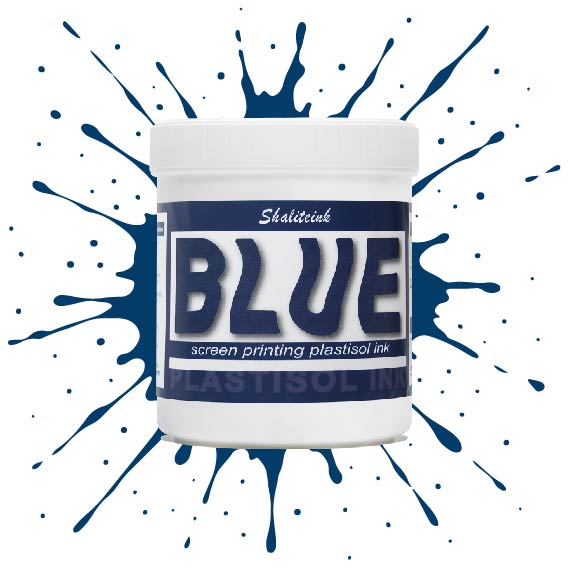
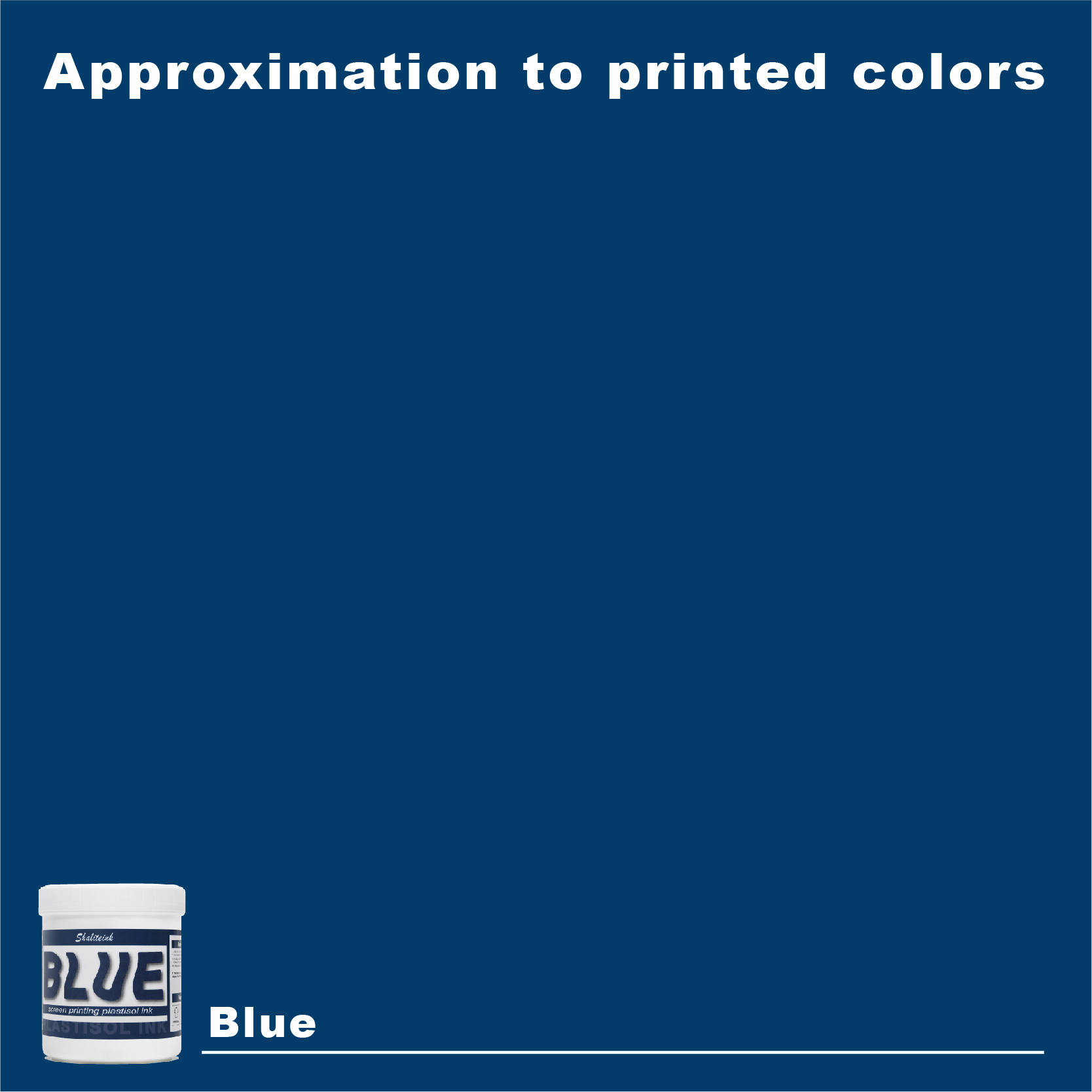
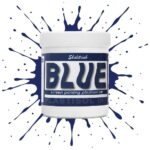
Tinta Plastisol para Serigrafia Azul
Faixa de preço: $14.99 a $30.99
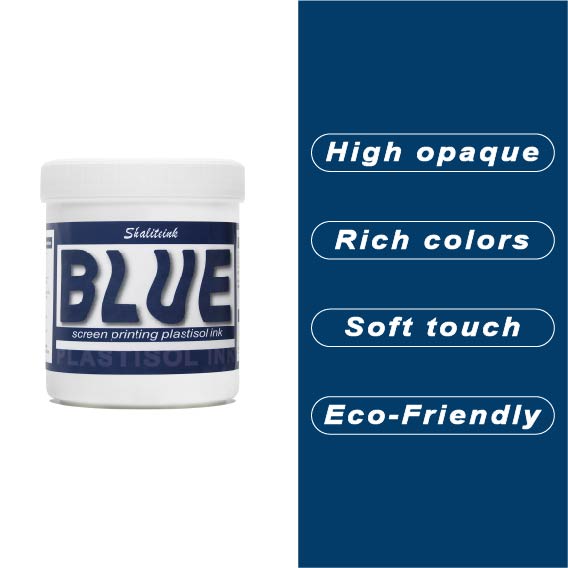
Pare de lutar com azuis finos e transparentes que desaparecem assim que tocam o tecido. Nossa tinta plastisol azul para serigrafia foi desenvolvida para ser cremosa desde o primeiro uso, proporcionando uma transição perfeita através da tela sem cansar seus braços. Seja para um azul marinho profundo ou um azul vibrante... Azul brilhante, Essa tinta mantém a vivacidade das cores e cura de forma sólida, sem secar na tela enquanto você faz uma pausa.
Feito para durar muito tempo — lavagem após lavagem, não racha nem descasca, desde que as temperaturas sejam mantidas. Removemos os ftalatos nocivos para torná-lo seguro para qualquer trabalho, desde roupas de trabalho pesadas até bodies macios para bebês. É o azul confiável e de alta opacidade que toda loja precisa ter em estoque quando o "bom o suficiente" simplesmente não basta.
O Guia Definitivo para Imprimir em Azul: Como Imprimir com Tinta Plastisol Azul como um Profissional (e Manter a Sanidade)
Deixe-me contar um segredo sobre a cor azul. No mundo da serigrafia, o azul é o rei das montanhas. Entre em qualquer loja de camisetas, de Nova York a Paris, e você verá araras cheias de moletons azul-marinho ou camisetas azul-royal. É a cor da confiança e a cor do céu, mas para um impressor, pode ser a cor da frustração absoluta se você não respeitar a química envolvida.
Passei décadas atrás de um rodo. Estraguei mais camisas do que a maioria das pessoas possui e aprendi que Tinta Plastisol É ao mesmo tempo seu melhor amigo e seu crítico mais severo. Se você cuidar bem dele, ele permanece aberto na tela para sempre. Se você errar na cura, ele descasca na lavagem como uma queimadura solar grave. Hoje, vou revelar tudo o que sei sobre Tinta Plastisol para Serigrafia Azul. Pegue um café porque vamos nos aprofundar no assunto.
Por que a tinta azul é a "aposta segura" que nem sempre é segura
Todo mundo adora azul. Estatisticamente, é a cor favorita mais popular do mundo. Quando um cliente entra e não sabe o que quer, geralmente escolhe azul. Transmite uma sensação profissional, mas ao mesmo tempo descontraída. No entanto, como impressor, você sabe que "azul" é um termo amplo. Estamos falando de um... Tinta plastisol para serigrafia em azul brilhante que se destaca numa camisa branca? Ou estamos falando de um Azul-marinho que precisa ter um visual sofisticado em uma peça de roupa escura?
A química do azul é fascinante. A maioria dos pigmentos azuis é feita de ftalocianina. É um pigmento estável, mas pode ser transparente. Este é o primeiro obstáculo. Se você imprimir azul diretamente em uma camiseta preta, a cor desaparecerá. Ficará parecendo uma mancha borrada e fantasmagórica. Para obter aquele efeito "uau", você precisa entender opacidade e base.
O Espectro dos Tons de Azul
Nem todos os tons de azul são iguais. Na minha loja, tenho uma prateleira dedicada exclusivamente à família do azul. Eis como os classifico:
-
Azul Royal: Este é o padrão. É vibrante e impactante. Grita "esportes coletivos".“
-
Azul-marinho: O preferido das empresas. É escuro e precisa continuar escuro.
-
Azul Processo (Ciano): Este papel é para impressão CMYK. Ele é fino e transparente por natureza. Se você quiser imprimir uma foto de paisagem, precisa... Processo de serigrafia azul com tinta plastisol..
-
Blues Especializado: Isso inclui o seu Azul fluorescente para aquele visual retrô dos anos 90 ou um Tinta para serigrafia em prata Plastisol misturado com azul para um acabamento metálico.
A realidade técnica: como gerenciar a tinta azul
Não dá para simplesmente jogar tinta na tela e esperar pelo melhor. O sucesso neste ramo exige preparação impecável e muito trabalho. Você precisa das ferramentas certas e do ambiente ideal.
Como escolher a sua contagem de malha
Vejo iniciantes cometendo esse erro o tempo todo. Eles usam uma malha 230 para um azul de alta opacidade e se perguntam por que a impressão fica cinza. Ou usam uma malha 110 para meios-tons finos e acabam com uma imagem borrada.
| Tipo de tinta azul | Contagem de malha | Melhor caso de uso |
| Azul Royal Opaco | 110 – 156 | Peças de vestuário em algodão escuro com base branca. |
| Azul-marinho | 156 – 196 | Logotipos corporativos em camisas de cores claras. |
| Azul Processo (CMYK) | 305 – 355 | Impressões fotográficas de alta definição. |
| Azul Metálico/Brilhante | 60 – 86 | Flocos grandes que precisam de uma porta larga para passar. |
A estratégia do rodo
Para a maioria dos trabalhos com plastisol azul, prefiro um rodo de dureza 70. Ele é firme o suficiente para remover a tinta com precisão, mas macio o bastante para depositar uma camada uniforme. Se você estiver imprimindo um Azul profundo Em uma camiseta branca, você precisa de uma borda nítida. Se estiver imprimindo sobre uma base branca, talvez prefira uma borda levemente arredondada para permitir maior penetração da tinta.
A Base Inferior: O Segredo para o Azul Verdadeiro
Se você for estampar azul em um moletom preto, é imprescindível usar uma base branca. Pense nisso como um primer para parede. Sem ela, o tecido preto vai absorver o pigmento azul.
Sempre digo aos meus alunos para "imprimir-se rapidamente-imprimir". Você imprime a base branca e depois aplica um flash. Secador instantâneo Por alguns segundos. Em seguida, imprima a tinta azul por cima. Isso fará com que o azul fique exatamente igual à cor original no balde. Se você usar uma impressora de alta qualidade... Tinta plastisol branca para serigrafia Como base, o azul ficará vibrante e nítido.

Correção: Onde a maioria das impressoras falha
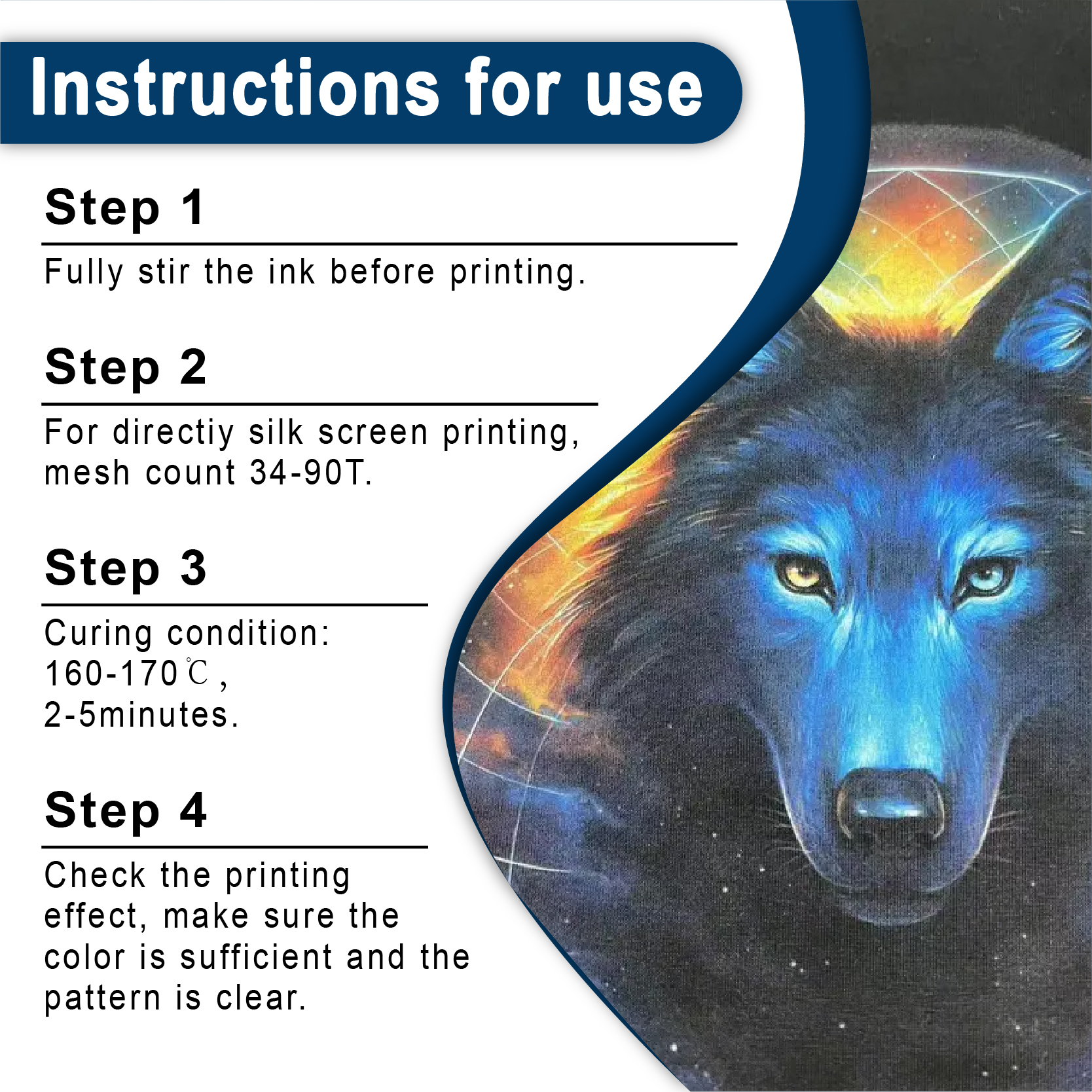
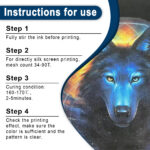
A tinta plastisol é basicamente plástico líquido. Ela não "seca" como a tinta à base de água. Ela "cura". Isso significa que cada molécula da tinta precisa atingir uma temperatura específica (geralmente 160°C ou 320°F) para se fundir ao tecido.
Certa vez, fiz um pedido enorme de 500 camisetas azul-marinho para uma maratona local. Apressei-me com as configurações da secadora e não testei a cura da cor. Três dias depois, o cliente me ligou. Após uma lavagem, os logotipos azuis estavam rachando e se soltando. Tive que reimprimir tudo de graça. Foi uma lição valiosa.
Dica profissional: Use um termômetro a laser ou, melhor ainda, fitas térmicas para garantir que a tinta atinja o ponto de fusão. Não confie apenas no visor digital da secadora. O que importa é a temperatura da tinta, e não a do ar.
Tabela de Referência de Cura
| Tipo de tinta | Temperatura de flash | Temperatura de cura total | Tempo no túnel (estimado) |
| Plastisol padrão | 220°F (104°C) | 320°F (160°C) | 60 a 90 segundos |
| Azul de baixa dispersão | 180°F (82°C) | 280°F (138°C) | 60 a 90 segundos |
| Tinta NB sem PVC | 200°F (93°C) | 300°F (149°C) | 70 a 95 segundos |
Solução de problemas: a temida migração de corante
Já vi isso mil vezes. Você imprime uma imagem deslumbrante. Azul Royal Você pinta uma camisa vermelha de poliéster e fica perfeita. Volta para casa se sentindo um herói. Aí, na manhã seguinte, entra na loja e descobre que seu azul virou um roxo doentio. Isso é migração de corante, e vai arruinar sua reputação mais rápido do que uma avaliação ruim no Yelp.
O que aconteceu? O calor da sua secadora transformou o corante vermelho do poliéster em gás. Esse gás subiu e se depositou na sua tinta azul. Para evitar isso, você precisa de uma tinta "anti-sangramento" ou de um produto específico para evitar esse problema. Tinta plastisol antimigração para serigrafia. Considere isso como uma barreira física entre o tecido e a sua tinta. Se você estiver imprimindo em poliéster 100%, simplesmente não pode pular esta etapa, ou estará arriscando seu lucro.
A mudança para um estilo de vida ecológico: tinta azul sem PVC.
A indústria está abandonando os produtos químicos pesados do passado e os clientes estão ficando muito mais exigentes. Eles querem camisetas que não apenas tenham boa aparência, mas que também sejam confortáveis e seguras. É por isso que comecei a me dedicar a isso. Tinta Plastisol sem PVC.
Recentemente, troquei uma das minhas principais linhas de produção para Tinta de serigrafia NB azul sem PVC. Agora, escute bem: quando digo "NB", estou me referindo a "Não Desbotar" e "Não Acumular". É uma mudança radical na sensação ao toque da camiseta. Sabe aquela sensação de armadura de plástico pesada em camisetas de academia baratas? Esta é o oposto. É macia, respirável e tem elasticidade suficiente para acompanhar o ritmo de um atleta. Além disso, como é livre de ftalatos, posso estampar bodies de bebê ou peças de alta qualidade para boutiques ecológicas sem me preocupar com regulamentações de segurança.
A Arte da Mixagem
Às vezes, um cliente quer um azul muito específico. Ele traz uma amostra de tinta ou um pedaço de fita. É aí que você se transforma em um cientista. Você pode usar um sistema de mistura para criar qualquer cor.
Comece com o seu Processo Azul e adicione pequenas quantidades de Preto para escurecê-lo ou Branco Para obter um azul celeste pastel. Misture sempre mais tinta do que você acha que precisa. Não há nada pior do que ficar sem tinta personalizada quando faltam cinco camisetas para terminar.
Manutenção e armazenamento
O plastisol é resistente, mas não indestrutível. Guarde a tinta azul em local fresco e seco. Se a temperatura na sua oficina ficar muito alta, a tinta pode "gelificar" no balde. Isso a transforma em uma enorme bola de borracha azul, tornando-a inutilizável.
Mantenha as tampas bem fechadas. Poeira é inimiga de uma impressão limpa. Se um fiapo entrar no seu... Azul-marinho Se você usar um balde de tinta, a tinta vai acabar na camisa e causar um pequeno furo ou uma mancha. Eu trato meus baldes de tinta como ouro, e você também deveria.
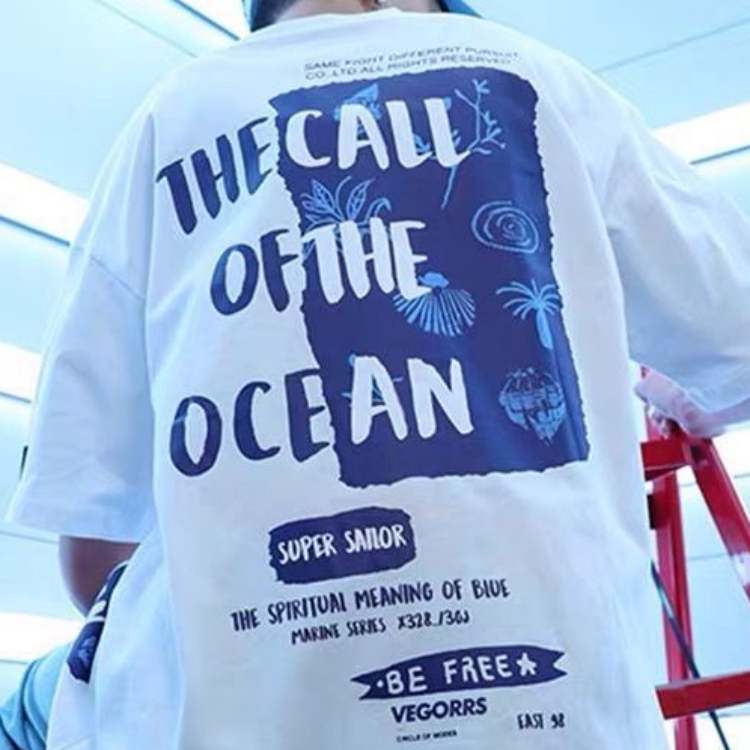
Estudo de Caso: O Projeto “Onda do Oceano”
Uma loja de surf local queria um degradê azul de cinco cores para o seu 10º aniversário. Usamos de tudo, desde... Azul Ácido para Azul profundo.
Utilizando meios-tons e a técnica de impressão úmido sobre úmido, criamos um efeito de água realista. Usamos uma tela com 230 fios por polegada para manter os detalhes nítidos. A chave foi a consistência da tinta. Usamos um pouco de diluente para que o plastisol fluísse como manteiga. O resultado foi uma camiseta que esgotou em dois dias. Isso provou que, ao dominar o espectro azul, é possível criar arte e não apenas roupas.
Conclusão: Por que continuamos imprimindo?
Sejamos honestos. Este trabalho é sujo, barulhento e, numa tarde de julho, numa oficina sem ar condicionado, é insuportável. As mãos ficam sempre manchadas e as costas sempre doem. Mas existe uma espécie de magia especial quando se passa o rodo na tela.
Quando você levanta aquela tela e vê uma camada sólida perfeita de Azul vibrante e brilhante Ao atingir o tecido, a sensação é de vitória. É uma arte que recompensa os obcecados e pune os preguiçosos. Se você tiver paciência para ajustar a temperatura e o olhar atento para identificar uma base ruim, você prosperará. Azul não é apenas uma cor nesta loja — é uma declaração de qualidade.
Perguntas frequentes (FAQ)
1. Por que minha tinta plastisol azul fica transparente em camisetas escuras?
A maioria dos pigmentos azuis são naturalmente semitransparentes. Para obter um resultado vibrante em tecidos escuros, você deve usar uma base branca ou escolher uma tinta azul de "Alta Opacidade" desenvolvida para peças de roupa escuras. Você pode encontrar opções de alta qualidade em [inserir link aqui]. Tinta plastisol Shaliteink.
2. Posso fazer com que a tinta plastisol fique mais macia ao toque?
Sim! Você pode adicionar uma "Base Suave ao Toque" ou um redutor à tinta. Isso dilui a tinta e permite que ela penetre melhor no tecido. Como alternativa, você pode optar por uma... Tinta Plastisol sem PVC que naturalmente tem um toque mais macio.
3. Quanto tempo leva para a tinta plastisol azul secar?
O plastisol nunca seca completamente à temperatura ambiente. Ele precisa ser aquecido a 160°C (320°F) para curar. Em um secador de esteira, isso geralmente leva de 60 a 90 segundos, dependendo da velocidade da esteira e da altura do aquecedor.
4. Qual é a melhor contagem de malha para tinta azul marinho?
Para a maioria dos trabalhos, uma peneira de malha 156 ou 160 é perfeita. Ela permite a passagem de tinta suficiente para uma boa cobertura, mas é fina o bastante para manter as bordas do texto nítidas e definidas.
5. Como faço para evitar que a tinta azul manche camisas vermelhas de roxo?
Isso é migração de corante. Use uma base branca com baixa transferência de corante ou um produto específico para esse fim. Tinta antimigração. Além disso, tente manter a temperatura da secadora o mais baixa possível, sem comprometer a cura completa.
| Tamanho |
8 onças ,16 onças ,32 onças |
|---|
9 avaliações para Blue Screen Printing Plastisol Ink
Limpar filtrosApenas clientes conectados que compraram este produto podem deixar uma avaliação.
Produtos relacionados
Tinta plastisol para serigrafia em azul brilhante
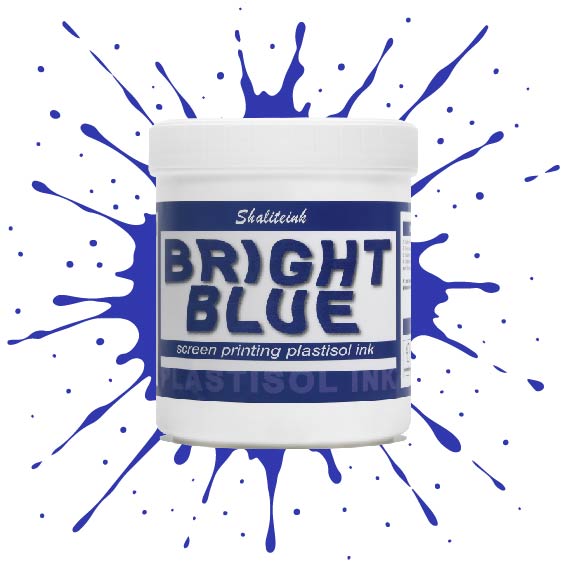
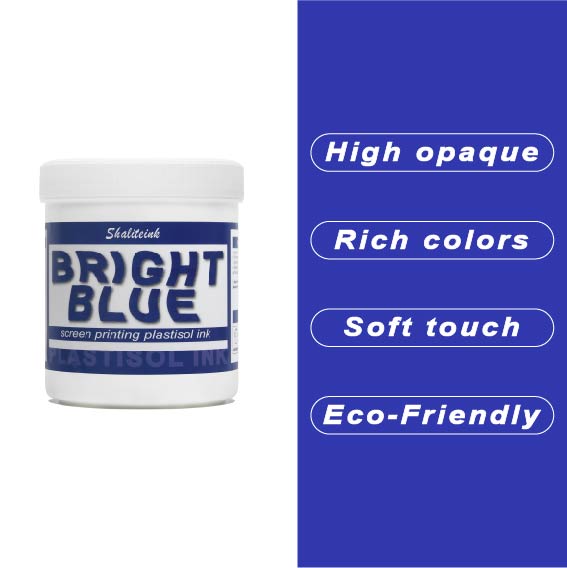
Pare de se contentar com azuis que parecem carpete de escritório sem graça e use a tinta plastisol azul brilhante da Shaliteink para dar às suas camisetas uma vibe de céu de verão mediterrâneo. Ela flui tão cremosa quanto um bom molho bechamel, mas permanece resistente como uma bota de couro velha depois que você termina a impressão. Como essa tinta não seca na tela enquanto você está trabalhando, você finalmente pode se concentrar no seu trabalho sem pressa.
Sabemos que você provavelmente imprime em um estúdio doméstico ou em uma pequena loja, por isso desenvolvemos esta fórmula com alta opacidade e respeito ao meio ambiente. Nossa linha 'NB' é livre de ftalatos e atende aos mais rigorosos padrões de segurança do mundo, como o OEKO-TEX. Basta garantir a cura adequada a 160 °C (320 °F) e você terá uma camiseta vibrante que não descascará após a primeira lavagem.
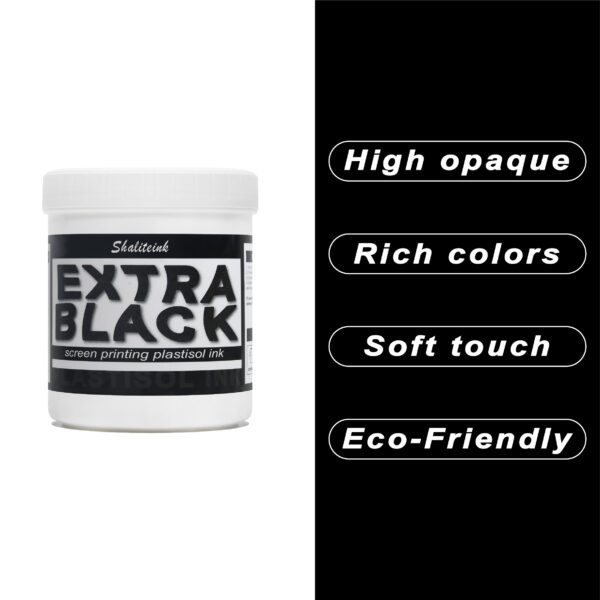
Tinta Plastisol para Serigrafia Preta Extra
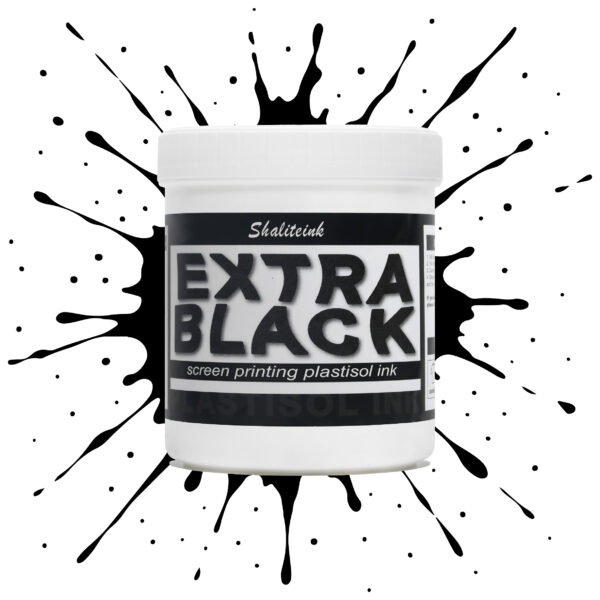
Pare de se contentar com um preto "carvão" quando seus clientes pedem um preto profundo. A tinta Extra Black da Shaliteink não é apenas mais uma tinta escura; é uma potência de alta pigmentação, projetada para eliminar a transparência em uma única pincelada. Enquanto tintas pretas mais baratas muitas vezes parecem café expresso desbotado em algodão escuro, nossa fórmula oferece um acabamento denso e "preto como um buraco negro", com um toque fosco profissional que é tão bom quanto parece.
É feita para o uso diário intenso — cremosa o suficiente para cortar telas finas sem esforço, mas intensa o bastante para manter a profundidade mesmo após centenas de lavagens. Se você está cansado de imprimir duas vezes só para conseguir uma cor sólida decente, esta é a atualização que sua impressora merece. Sem enchimentos, sem tons acinzentados — apenas o preto mais profundo e confiável do mercado.
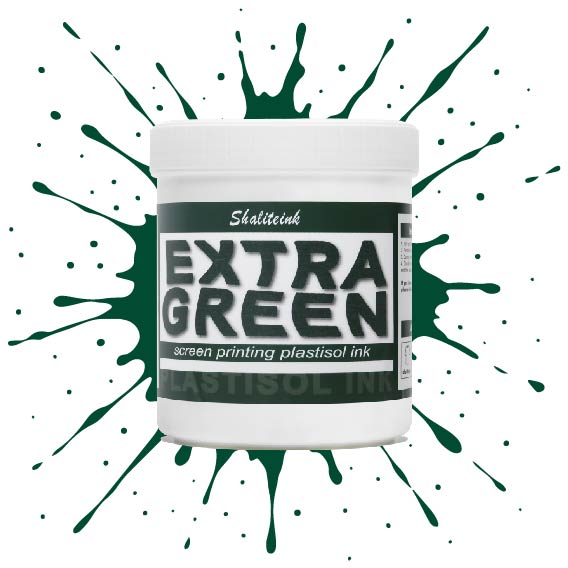
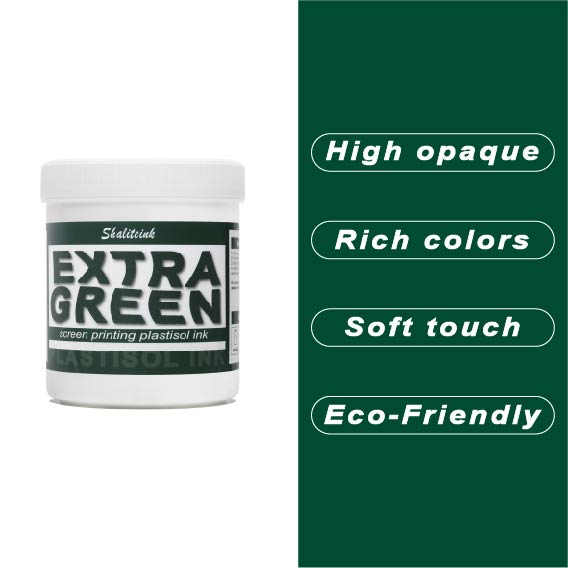
Tinta Plastisol para Serigrafia Extra Verde
Cansado de tons de verde que desaparecem no tecido ou que parecem água barrenta de pântano em um moletom escuro? Nossos Tinta plastisol verde extra É a solução ideal para impressores que desejam cores vibrantes e de alta visibilidade sem aquela sensação pesada de "armadura". Possui uma textura macia e suave à temperatura ambiente que desliza perfeitamente sob o rodo — o que significa que você não precisa mais se preocupar com sessões exaustivas de mistura ou telas entupidas. Basta uma passada por uma tela de 156 mesh para notar a diferença: as cores são vibrantes, a opacidade é incrível e a flexibilidade é suficiente para resistir ao teste de "esticamento de gorila" sem rachar.
Seja você um entusiasta do faça-você-mesmo ou opere uma impressora automática de alta velocidade, esta é a tinta que você deve manter na prateleira de cima. Ela realiza a cura instantânea rapidamente e adere à camiseta, não à tela, para que você possa parar de desperdiçar dinheiro com estoque danificado e começar a entregar estampas que despertam a curiosidade dos clientes., ""Como você conseguiu deixar tão brilhante?"" Não se contente com um verde "mais ou menos" — escolha a fórmula de nível profissional, desenvolvida para durabilidade e cores vibrantes.
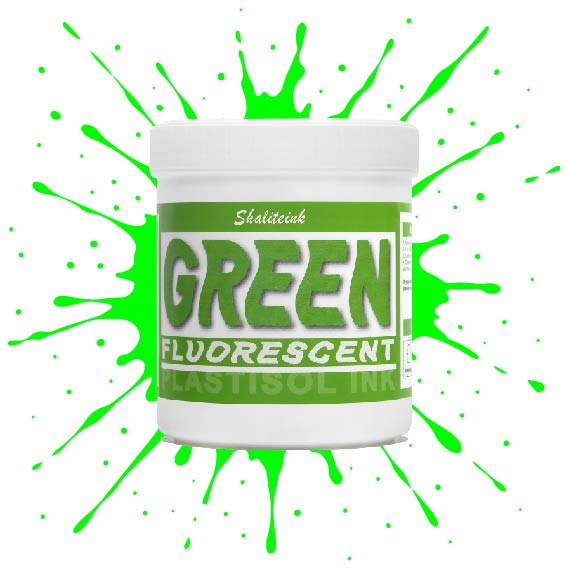
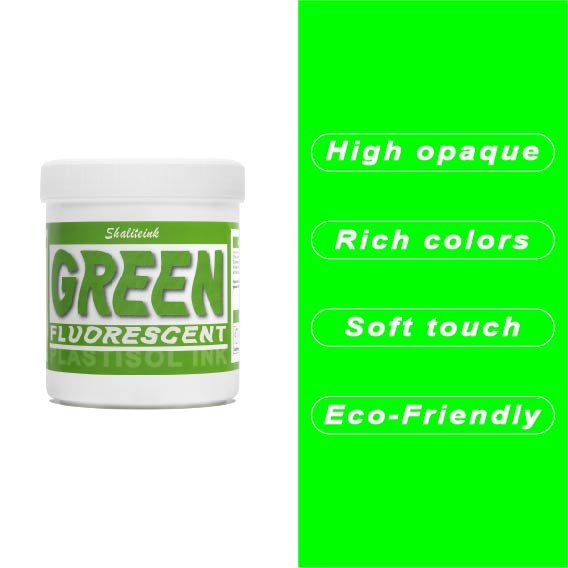
Tinta plastisol para serigrafia verde fluorescente
Shaliteink Verde Fluorescente: Eletricidade Vestível
Esqueça o "verde segurança" — isso é física pura. Nosso Verde Fluorescente foi formulado para captar a luz UV e refletir, fazendo com que suas estampas pareçam estar ligadas diretamente na tomada. É a "arma secreta" definitiva para streetwear e merchandising de eventos, porque não apenas fica na camiseta; ela se destaca. Ajustamos a concentração de pigmento para que ele se espalhe perfeitamente por telas de 110 a 156 fios, proporcionando aquele efeito vibrante sem os típicos problemas de "entupimento" das cores neon.
O sucesso com neon depende da base. Aplique esta camada sobre uma base branca sólida e pronto! 320°F (160°CA cura da tinta Shaliteink garante uma impressão à prova de falhas na lavagem e vibrante sob luz negra. Seja em uma impressora manual ou automática de alta velocidade, a Shaliteink mantém sua consistência cremosa, permitindo que você cobre o preço premium de uma "tinta especial" com total confiança. Pare de ser apenas mais um na multidão e comece a dar aos seus clientes um motivo para olhar duas vezes.
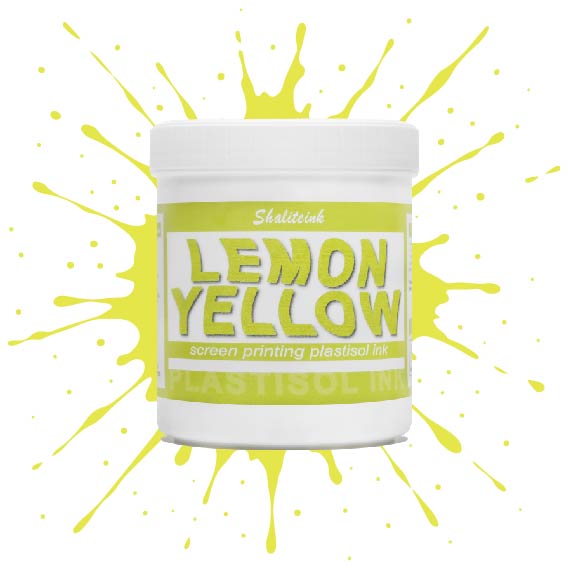
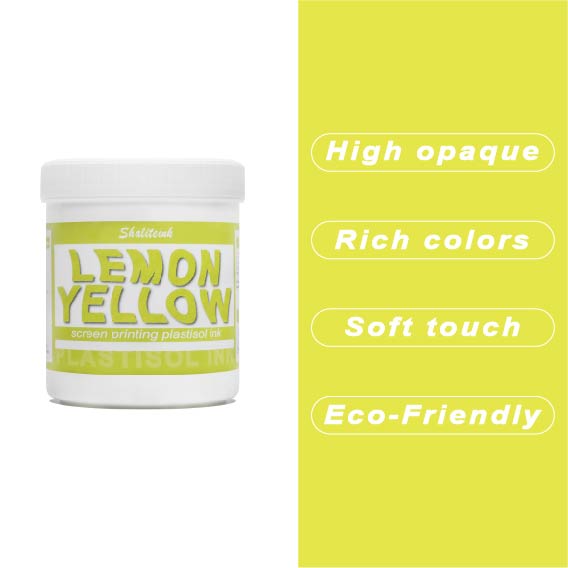
Tinta de plastisol para serigrafia amarelo limão
Se você já teve uma tinta amarela que desapareceu no tecido ou ficou transparente em um moletom escuro, sabe a frustração. Nós criamos isso. Tinta de plastisol para serigrafia amarelo limão Para resolver exatamente esse problema. É repleto de pigmento suficiente para proporcionar um acabamento vibrante e intenso sobre uma base, mas ainda assim desliza facilmente por uma tela de malha fina. É o tipo de cor brilhante que chama a atenção do outro lado da rua e permanece assim, lavagem após lavagem.
O que realmente faz desta tinta a favorita da loja é a sua fórmula que não mancha — uma verdadeira salvação para aquelas misturas de poliéster complicadas que geralmente transformam o amarelo em um verde doentio. O resultado é uma estampa macia e flexível, sem a sensação de um plástico grosso no peito. É uma tinta profissional e confiável que faz todo o trabalho pesado para você, permitindo que você aproveite a impressão em vez de lutar com o equipamento.
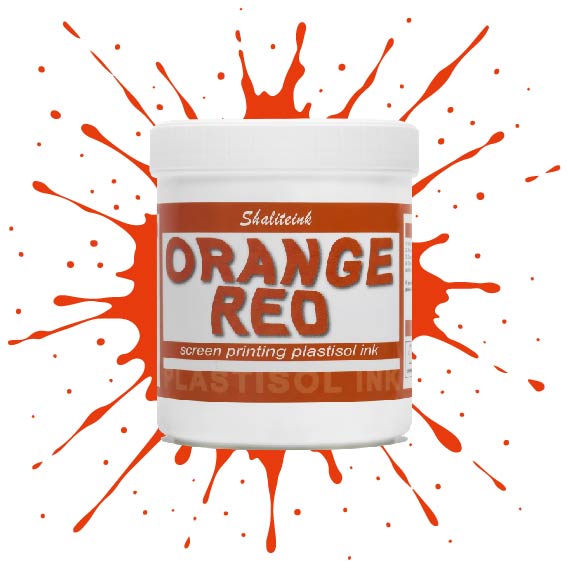
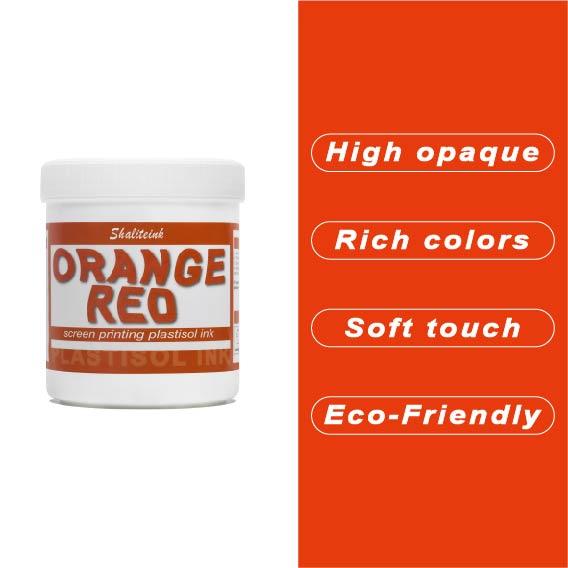
Tinta de plastisol para serigrafia laranja vermelha
Cansada de vermelhos sem graça e previsíveis que simplesmente não se destacam no tecido? Nossos Tinta de plastisol para serigrafia laranja vermelha A tinta atinge o ponto ideal entre lava derretida e um clássico carro esportivo italiano. É incrivelmente espessa e cremosa, mas não seca na tela se você precisar se ausentar para o almoço. Seja para estampar peças de verão vibrantes em algodão branco ou para aplicar sobre uma base branca em moletons pretos, essa cor praticamente vibra. Ela proporciona aquele "toque" impactante que as marcas de streetwear desejam, sem a dor de cabeça de misturar cores personalizadas.
Criamos esta tinta para ser à prova de balas na lavagem, mas também segura para sua loja. Ela cura a 160°C (320°F) e é completamente livre de ftalatos nocivos. Flui perfeitamente em telas de 110 a 156 fios, proporcionando uma cobertura ampla com um toque surpreendentemente macio após a secagem. Pare de se contentar com estampas "boas o suficiente" e pegue um balde de tinta para fazer suas peças se destacarem da multidão.
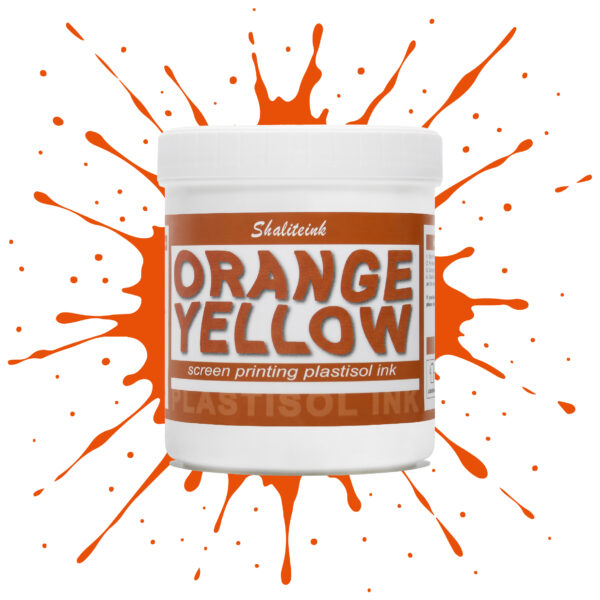
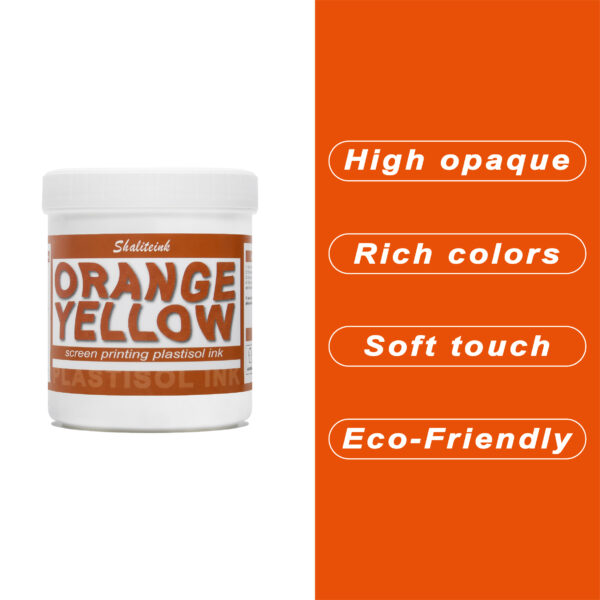
Tinta de plastisol para serigrafia laranja-amarela
Pare de se contentar com amarelos "apagados" que desaparecem em tecidos escuros. Descobri que o segredo para uma cor vibrante que realmente chama a atenção é a nossa tinta plastisol para serigrafia amarelo-alaranjado — uma tinta poderosa de alta opacidade, criada para estampadores que não abrem mão da qualidade. Seja para estampar roupas esportivas ou camisetas para o varejo, essa tinta mantém a vivacidade graças à sua alta concentração de pigmentos. É um amarelo vibrante e ensolarado, uma ponte entre o dourado e o laranja, que se destaca sem parecer uma camada grossa de plástico.
Segurança não precisa ser um problema, por isso criamos esta fórmula totalmente livre de PVC e ftalatos para manter sua loja em conformidade com as normas e ecologicamente correta. Nossa tecnologia Non-Bleed (NB) impede a migração de corantes em tecidos de poliéster mais difíceis, garantindo que suas cores vibrantes permaneçam vibrantes lavagem após lavagem. É suave, fácil de cortar e proporciona um toque macio e de alta qualidade que fará seus clientes pensarem que você tem um toque mágico. Pegue um pote e veja por que os profissionais confiam na Shaliteink para fazer o trabalho direito.
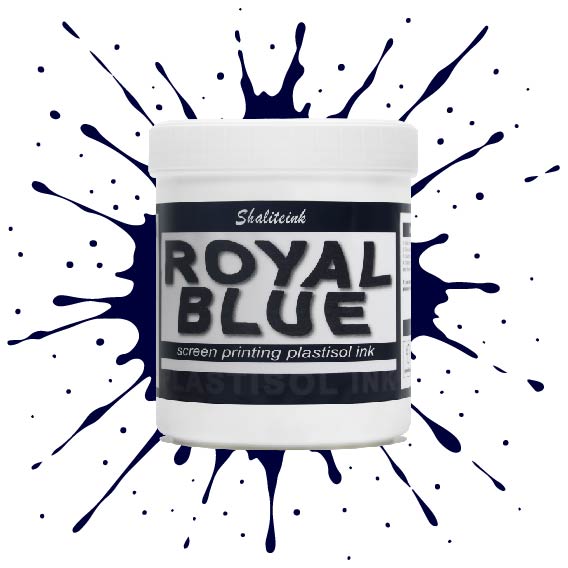
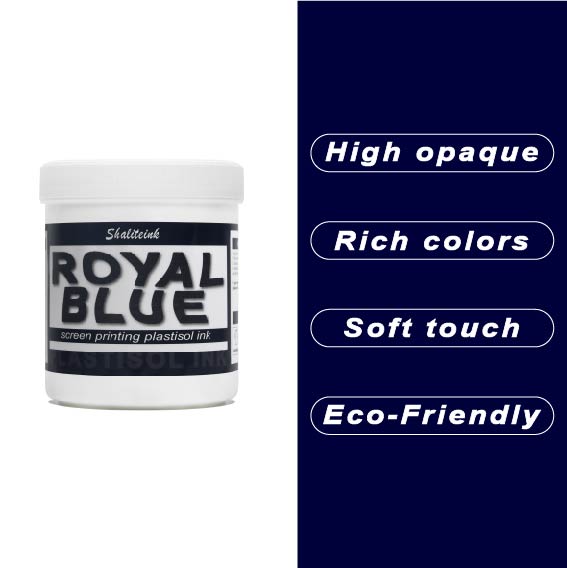
Tinta plastisol azul royal para serigrafia
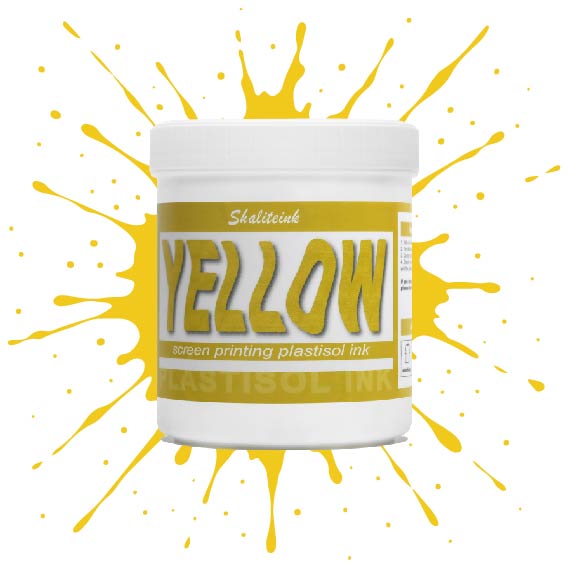
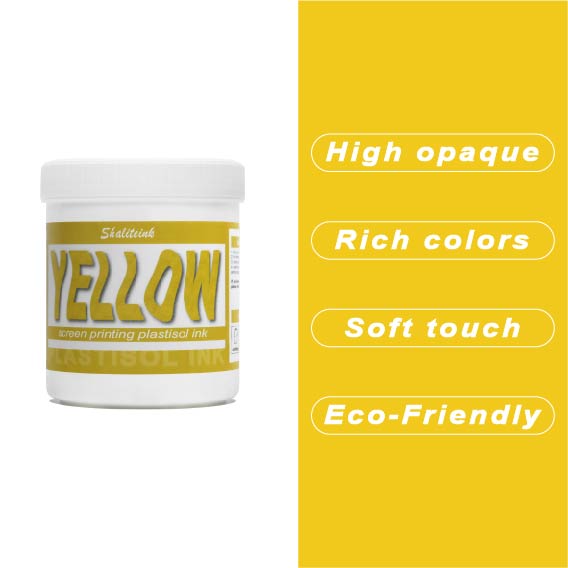
Tinta de plastisol para serigrafia amarela
Pare de se contentar com estampas "verde-pântano" quando o que você quer é um efeito de raio de sol. O amarelo é a cor mais difícil de estampar em tecidos escuros — naturalmente translúcido e notoriamente difícil de imprimir sem que a cor fique opaca ou sem vida. É por isso que desenvolvemos o Plastisol Amarelo da Shaliteink com uma alta concentração de pigmento. Ele foi especialmente projetado para aderir perfeitamente a uma base branca, proporcionando uma vibração intensa, visível a quilômetros de distância, que permanece vibrante mesmo depois de secar na secadora.
Seja para obter o brilho vibrante e intenso do Amarelo Limão ou o calor aconchegante do Amarelo Dourado, perfeito para jaquetas universitárias, estas tintas são extremamente macias e não secam na tela durante a impressão. Aperfeiçoamos a fórmula para eliminar a cobertura fina e irregular, proporcionando uma consistência cremosa que torna cada passada da tinta uma vitória. Se você quer camisetas prontas para venda que não rachem ou desbotem após algumas lavagens, este é o amarelo que sua espátula estava pedindo.
 EN
EN  DE
DE  ES
ES  PT
PT  JA
JA
Beatriz Rocha –
Fácil de usar e resultados com
Anna Nowak –
Este aplicativo é niezawodne działanie. Działa bardzo dobrze na co dzień. Este aplicativo é niezawodne działanie. Przekroczyło moje oczekiwania. Bardzo dobry stosunek jakości do ceny. Działa bardzo dobrze na co dzień. Działa bardzo dobrze na co dzień. Przekroczyło moje oczekiwania. Aplicativo Łatwa e
Piotr Zielinski –
Este aplicativo é niezawodne działanie. Wysoka jakość e szybka dostawa. Este aplicativo é niezawodne działanie. Wysoka jakość e szybka dostawa. Este aplicativo é niezawodne działanie. Este aplicativo é niezawodne działanie. Działa bardzo dobrze na co dzień. Działa bardzo dobrze na co dzień. Łatwa ap
Peter Fischer –
Leicht zu nutzen und konstante Ergebnisse. Hat meine Erwartungen übertroffen. Sehr gutes Preis‑Leist
Peter Fischer –
Leicht zu nutzen und konstante Ergebnisse. Einfache Anwendung und zuverlässige Leistung. Alta qualidade e excelente qualidade. Leicht zu nutzen und konstante Ergebnisse. Einfache Anwendung und zuverlässige Leistung. Alta qualidade e excelente qualidade. Hat meine Erwartungen übertroffe
Daniel Wilson –
Funciona extremamente bem para as minhas tarefas diárias. Fácil de usar e com resultados consistentes. A qualidade é excelente e a entrega foi rápida. Funciona extremamente bem para o meu
Anna Schmidt –
Leicht zu nutzen und konstante
Anna Schmidt –
Einfache Anwendung und zuverlässige Leistung. Einfache Anwendung und zuverlässige Leistung. Alta qualidade e excelente qualidade. Leicht zu nutzen und konstante Ergebnisse. Einfache Anwendung und zuverlässige Leistung. Alta qualidade e excelente qualidade. Hat meine Erwartungen übertro
Anna Nowak –
Działa bardzo dobrze na co dzi