
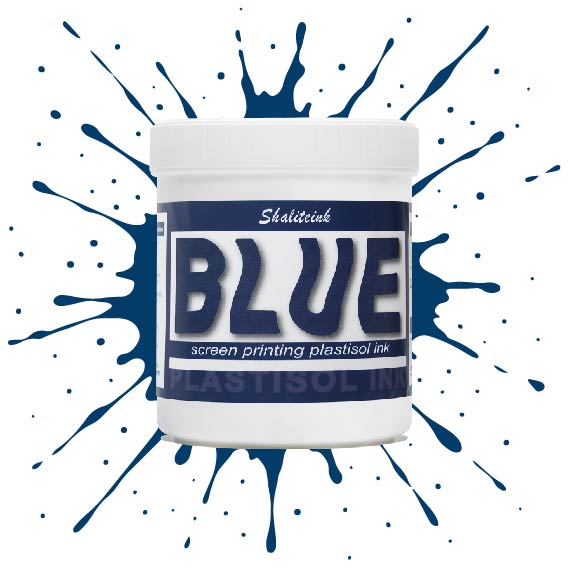
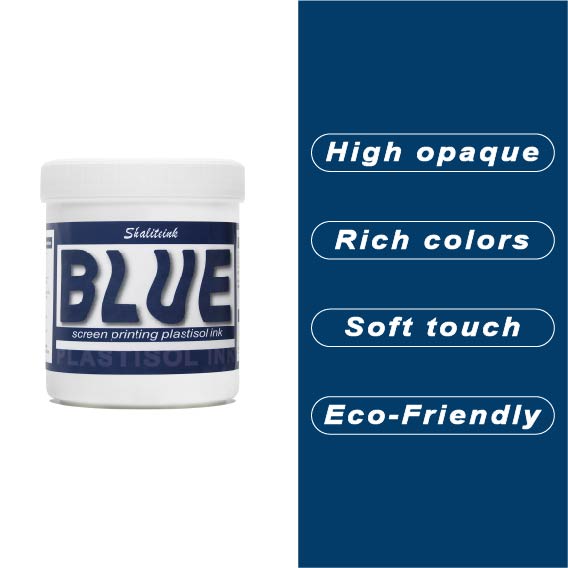
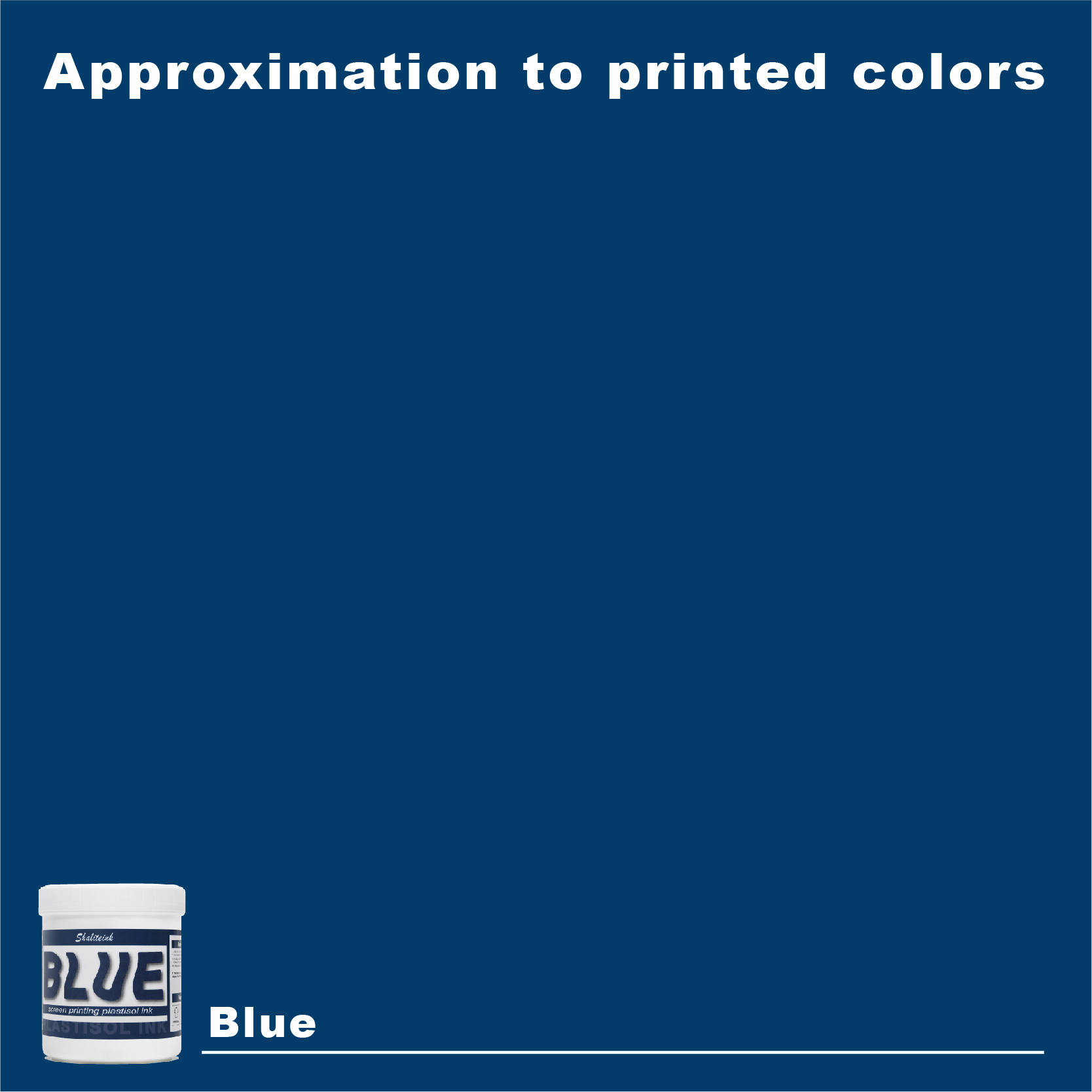
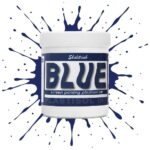
Blaue Plastisol-Tinte für Siebdruck
Preisspanne: $14.99 bis $30.99
Schluss mit dem Kampf gegen dünne, transparente Blautöne, die sofort auf dem Stoff verschwinden! Unsere blaue Plastisolfarbe für den Siebdruck ist von Anfang an cremig und sorgt für einen perfekten Siebdruck, ohne Ihre Arme zu ermüden. Egal, ob Sie ein tiefes Marineblau oder ein kräftiges Blau verwenden möchten – unsere Farbe ist die perfekte Lösung. Hellblau, Diese Tinte behält ihre Farbkraft und härtet fest aus, trocknet aber auch während einer Pause nicht im Sieb aus.
Es ist extrem strapazierfähig – auch nach vielen Wäschen reißt oder blättert es nicht ab, solange die Temperaturvorgaben eingehalten werden. Wir haben schädliche Phthalate entfernt, damit es für alle Anwendungen geeignet ist, von robuster Arbeitskleidung bis hin zu weichen Babybodys. Es ist das zuverlässige und blickdichte Blau, das in keiner Werkstatt fehlen sollte, wenn “gut genug” einfach nicht ausreicht.
Der Meisterplan für Blau: So drucken Sie blaue Plastisolfarbe wie ein Profi (und behalten dabei den Verstand)
Ich verrate Ihnen ein Geheimnis über die Farbe Blau. In der Welt des Siebdrucks ist Blau die unangefochtene Nummer eins. Gehen Sie in einen beliebigen T-Shirt-Laden, von New York bis Paris, und Sie werden Regale voller marineblauer Hoodies oder königsblauer T-Shirts sehen. Es ist die Farbe des Vertrauens und die Farbe des Himmels, aber für einen Drucker kann sie zur absoluten Frustration führen, wenn man die chemischen Eigenschaften nicht beachtet.
Ich habe Jahrzehnte hinter dem Abzieher verbracht. Ich habe mehr Hemden ruiniert, als die meisten Leute besitzen, und ich habe gelernt, dass Plastisol-Tinte Es ist gleichzeitig dein bester Freund und dein schärfster Kritiker. Bei richtiger Behandlung bleibt es für immer im Sieb offen. Bei Fehlern bei der Aushärtung löst es sich beim Waschen ab wie ein starker Sonnenbrand. Heute lüfte ich den Vorhang und verrate alles, was ich darüber weiß. Blaue Plastisol-Tinte für Siebdruck. Holt euch einen Kaffee, denn wir gehen in die Tiefe.
Warum blaue Tinte die “sichere Wahl” ist, die nicht immer sicher ist
Jeder liebt Blau. Statistisch gesehen ist es die beliebteste Farbe der Welt. Wenn ein Kunde hereinkommt und noch nicht genau weiß, was er möchte, wählt er meist Blau. Es wirkt professionell und gleichzeitig entspannt. Als Drucker wissen Sie jedoch, dass “Blau” ein sehr weit gefasster Begriff ist. Sprechen wir von … Leuchtend blaue Plastisol-Tinte für Siebdruck Das sticht von einem weißen Hemd hervor? Oder sprechen wir von einem Marineblau Das soll auf einem dunklen Kleidungsstück elegant aussehen?
Die Chemie der Farbe Blau ist faszinierend. Die meisten blauen Pigmente bestehen aus Phthalocyanin. Es ist ein stabiles Pigment, kann aber transparent sein. Das ist die erste Hürde. Druckt man Blau direkt auf ein schwarzes T-Shirt, verschwindet es. Es sieht aus wie ein verschwommener Schatten des Drucks. Um den gewünschten Wow-Effekt zu erzielen, muss man Deckkraft und Grundierung verstehen.
Das Spektrum der Blautöne
Blau ist nicht gleich Blau. In meinem Laden habe ich ein ganzes Regal nur für Blautöne reserviert. So gehe ich dabei vor:
-
Königsblau: Das ist der Standard. Er ist leuchtend und ausdrucksstark. Er schreit förmlich nach “Mannschaftssport”.”
-
Marineblau: Der Favorit der Unternehmen. Es ist düster und muss düster bleiben.
-
Prozessblau (Cyan): Dies ist für Ihren CMYK-Druck. Es ist absichtlich dünn und transparent. Wenn Sie ein Landschaftsfoto drucken möchten, benötigen Sie Prozessblaue Siebdruckfarbe aus Plastisol.
-
Spezial-Blues: Dazu gehören Ihre Fluoreszierendes Blau für den Retro-Look der 90er oder einen Silberne Siebdruckfarbe Plastisol Mit Blau gemischt für einen metallischen Effekt.
Die technische Realität: Wie man blaue Tinte handhabt
Man kann nicht einfach Tinte auf einen Sieb kippen und auf das Beste hoffen. Erfolg in diesem Geschäft erfordert 90% Vorbereitung und 10% Schweiß. Man braucht das richtige Werkzeug und die richtigen Einstellungen.
Auswahl Ihrer Maschenzahl
Ich sehe Anfänger diesen Fehler immer wieder machen. Sie verwenden ein 230er-Sieb für ein hochdeckendes Blau und wundern sich, warum der Ausdruck grau aussieht. Oder sie verwenden ein 110er-Sieb für feine Halbtonabstufungen und erhalten am Ende ein verschwommenes Ergebnis.
| Blaue Tinte | Maschenzahl | Bester Anwendungsfall |
| Undurchsichtiges Königsblau | 110 – 156 | Dunkle Baumwollkleidungsstücke mit weißem Grund. |
| Marineblau | 156 – 196 | Firmenlogos auf hellen Hemden. |
| Prozessblau (CMYK) | 305 – 355 | Hochdetaillierte Fotoabzüge. |
| Metallic-/Schimmerblau | 60 – 86 | Große Flocken, die eine breite Tür zum Durchpassen benötigen. |
Die Abzieherstrategie
Für die meisten Arbeiten mit blauem Plastisol bevorzuge ich einen Rakel mit einer Härte von 70 Shore A. Er ist fest genug, um die Farbe sauber abzustreifen, aber weich genug, um einen guten Farbauftrag zu gewährleisten. Wenn Sie drucken, Tiefblau Auf einem weißen T-Shirt ist eine scharfe Kante erwünscht. Beim Bedrucken eines weißen Untergrunds empfiehlt sich hingegen eine leicht abgerundete Kante, um mehr Farbe aufzutragen.
Die Unterbasis: Das Geheimnis des wahren Blau
Wenn Sie Blau auf einen schwarzen Hoodie drucken, müssen Sie unbedingt eine weiße Grundierung verwenden. Stellen Sie sich das wie eine Grundierung für eine Wand vor. Ohne sie “saugt” der schwarze Stoff das blaue Pigment auf.
Ich sage meinen Studenten immer: “Drucken-Blitzen-Drucken”. Man druckt die weiße Basis und belichtet sie dann mit einem Blitzgerät. Blitztrockner Warten Sie einige Sekunden. Dann drucken Sie Ihre blaue Farbe darüber. Dadurch sieht das Blau genauso aus wie im Eimer. Wenn Sie einen hochwertigen Drucker verwenden, ... Weiße Plastisol-Tinte für den Siebdruck Als Grundfarbe wird das Blau lebendig und klar wirken.

Aushärtung: Wo die meisten Drucker versagen
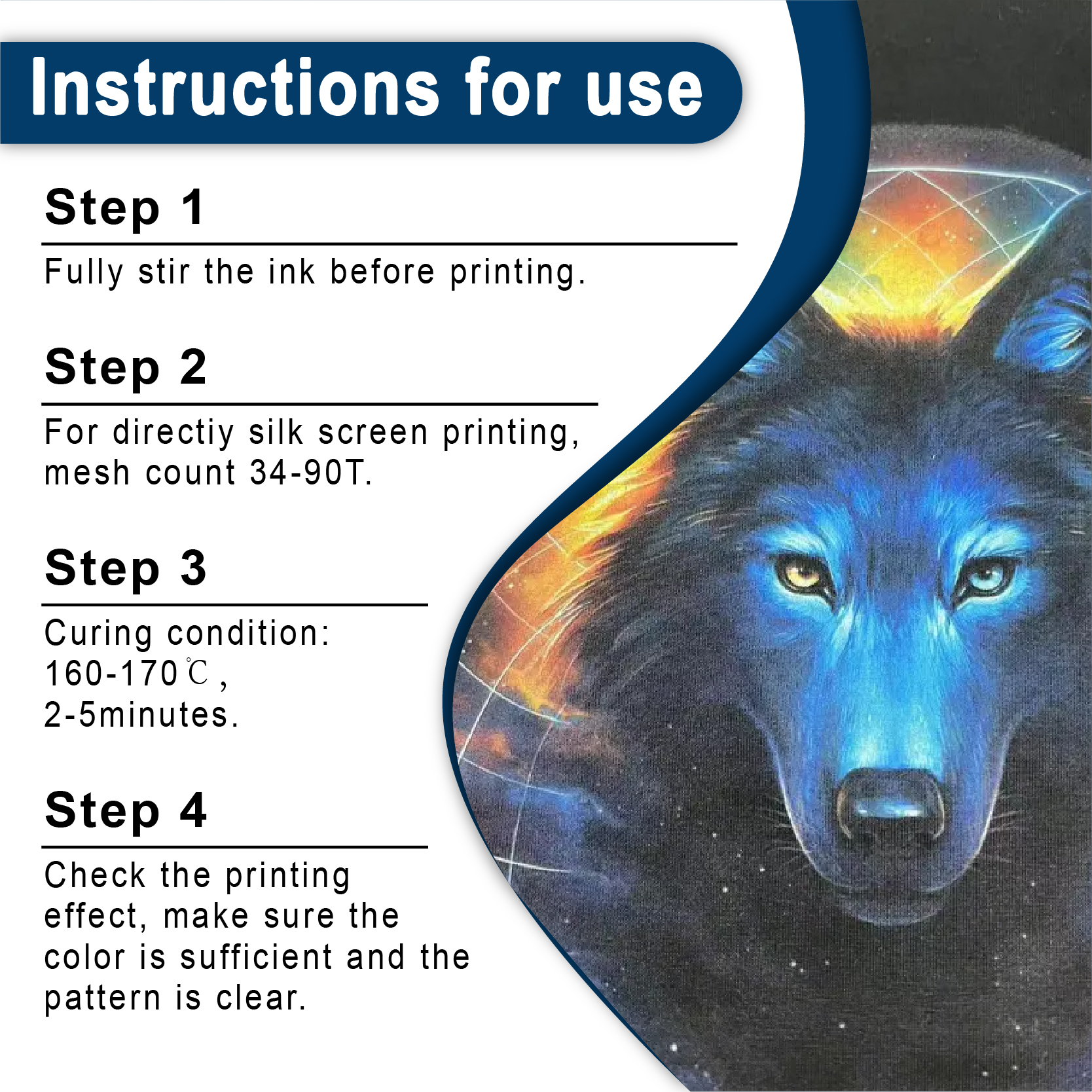
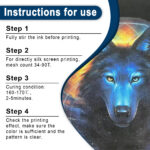
Plastisolfarbe ist im Grunde flüssiger Kunststoff. Sie trocknet nicht wie wasserbasierte Farbe, sondern härtet aus. Das bedeutet, dass jedes einzelne Molekül der Farbe eine bestimmte Temperatur (üblicherweise 160 °C) erreichen muss, um sich mit dem Stoff zu verbinden.
Ich hatte mal einen Großauftrag über 500 marineblaue T-Shirts für einen lokalen Marathonlauf. Ich habe die Trocknereinstellungen zu schnell eingestellt und die Trocknung nicht getestet. Drei Tage später rief mich der Kunde an. Nach nur einem Waschgang waren die blauen Logos rissig und fielen ab. Ich musste den gesamten Auftrag kostenlos neu drucken. Das war eine Lektion fürs Leben.
Profi-Tipp: Verwenden Sie ein Laser-Thermometer oder besser noch Heizstreifen, um sicherzustellen, dass die Tinte den Schmelzpunkt erreicht. Verlassen Sie sich nicht allein auf die Digitalanzeige des Trockners. Entscheidend ist die Tintentemperatur, nicht die Lufttemperatur.
Aushärtungsreferenztabelle
| Tintenart | Blitztemperatur | Vollständige Aushärtungstemperatur | Zeit im Tunnel (geschätzt) |
| Standard-Plastisol | 220°F (104°C) | 320°F (160°C) | 60 – 90 Sekunden |
| Niedrigblutiges Blau | 180°F (82°C) | 280°F (138°C) | 60 – 90 Sekunden |
| PVC-freie NB-Tinte | 200°F (93°C) | 300°F (149°C) | 70 – 95 Sekunden |
Fehlerbehebung: Die gefürchtete Farbstoffmigration
Ich habe es schon tausendmal gesehen. Du druckst ein atemberaubendes Königsblau Auf einem roten Polyester-Trikot sieht es perfekt aus. Du gehst nach Hause und fühlst dich wie ein Held. Doch am nächsten Morgen stellst du im Laden fest, dass sich dein Blau in ein kränkliches Lila verwandelt hat. Das ist Farbstoffmigration, und sie wird deinen Ruf schneller ruinieren als eine schlechte Yelp-Bewertung.
Was ist passiert? Die Hitze Ihres Trockners hat den roten Polyesterfarbstoff verdampft. Dieses Gas ist in Ihre blaue Tinte aufgestiegen und hat sich dort festgesetzt. Um das zu verhindern, benötigen Sie eine auslaufsichere Tinte oder eine andere geeignete Farbe. Antimigrations-Siebdruckfarbe Plastisol. Stellen Sie sich das wie eine physische Barriere zwischen dem Stoff und Ihrer Farbe vor. Wenn Sie auf 100%-Polyester drucken, dürfen Sie diesen Schritt auf keinen Fall auslassen, sonst riskieren Sie Ihren Gewinn.
Der umweltfreundliche Wandel: PVC-freie blaue Tinte
Die Branche verabschiedet sich von den altbewährten, aggressiven Chemikalien, und die Kunden werden immer anspruchsvoller. Sie wollen Hemden, die nicht nur gut aussehen, sondern sich auch gut anfühlen und sicher sind. Deshalb habe ich angefangen, mich verstärkt darauf zu konzentrieren. PVC-freie Plastisol-Tinte.
Ich habe vor Kurzem eine meiner wichtigsten Produktionslinien umgestellt auf Blaue PVC-freie NB-Siebdruckfarbe. Also, wenn ich “NB” sage, meine ich “nicht ausblutend” und “druckfest”. Das ist ein absoluter Gamechanger für das Tragegefühl des Shirts. Kennst du dieses schwere Plastikgefühl von billigen Sportshirts? Dieses hier ist das genaue Gegenteil. Es ist weich, atmungsaktiv und dehnbar genug für sportliche Aktivitäten. Und da es phthalatfrei ist, kann ich Babybodys oder hochwertige Öko-Kleidung bedrucken, ohne mir wegen Sicherheitsbestimmungen Sorgen machen zu müssen.
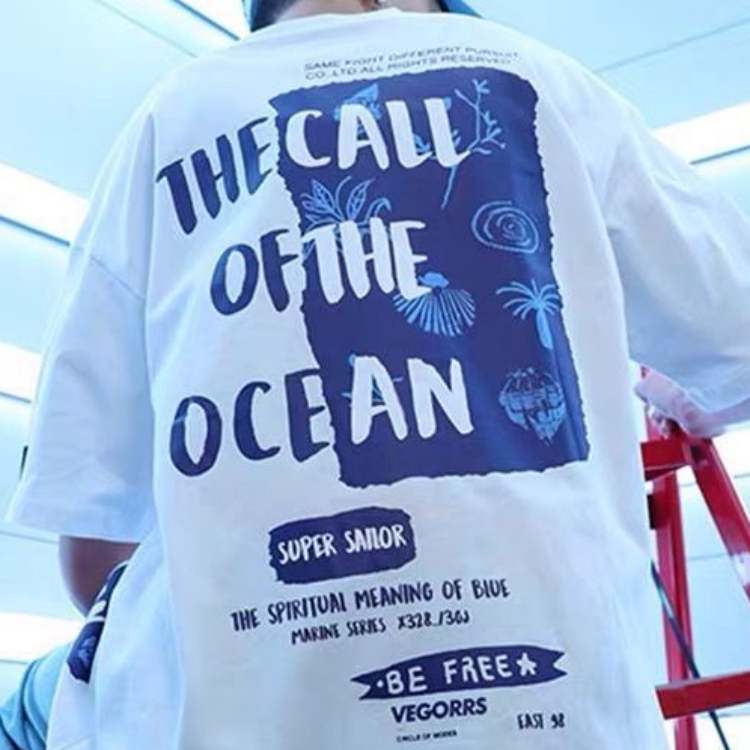
Die Kunst des Mischens
Manchmal wünscht sich ein Kunde einen ganz bestimmten Blauton. Er bringt eine Farbprobe oder ein Stück Farbband mit. Hier kommt Ihr Fachwissen zum Tragen. Mithilfe eines Mischsystems können Sie jede beliebige Farbe herstellen.
Beginnen Sie mit Ihrem Prozessblau und fügen Sie kleine Mengen hinzu Schwarz um es zu verdunkeln oder Weiß Um ein pastellfarbenes Himmelblau zu erhalten. Mischen Sie immer mehr Farbe an, als Sie denken. Es gibt nichts Ärgerlicheres, als wenn die Wunschfarbe ausgeht, kurz bevor noch fünf Shirts fertiggestellt werden müssen.
Wartung und Lagerung
Plastisol ist zwar robust, aber nicht unzerstörbar. Bewahren Sie Ihre blaue Tinte an einem kühlen und trockenen Ort auf. Wenn es in Ihrer Werkstatt zu warm wird, kann die Tinte im Eimer gelieren. Dadurch verwandelt sie sich in einen großen blauen Gummiklumpen und ist unbrauchbar.
Halten Sie die Deckel fest verschlossen. Staub ist der Feind eines sauberen Ausdrucks. Wenn ein Fussel in Ihren Ausdruck gerät, ... Marineblau Wenn du einen Eimer voll Tinte benutzt, landet sie auf dem Hemd und verursacht ein kleines Loch oder einen Streifen. Ich behandle meine Tinteneimer wie Gold, und das solltest du auch tun.
Fallstudie: Das Projekt “Ozeanwelle”
Ein lokaler Surfshop wünschte sich zu seinem 10-jährigen Jubiläum einen fünffarbigen blauen Farbverlauf. Wir verwendeten alles von Säureblau Zu Tiefblau.
Durch den Einsatz von Halbtonbildern und einer Nass-in-Nass-Drucktechnik erzielten wir einen realistischen Wassereffekt. Für scharfe Details verwendeten wir ein 230-Mesh-Sieb. Entscheidend war die Konsistenz der Farbe. Mit etwas Verdünner sorgten wir dafür, dass das Plastisol butterweich floss. Das Ergebnis war ein T-Shirt, das innerhalb von zwei Tagen ausverkauft war. Es bewies: Wer das blaue Farbspektrum beherrscht, kann nicht nur Kleidung, sondern auch Kunstwerke erschaffen.
Fazit: Warum wir immer noch drucken
Seien wir ehrlich. Dieser Job ist schmutzig und laut, und an einem Julinachmittag in einer Werkstatt ohne Klimaanlage ist er einfach nur furchtbar. Die Hände sind ständig schmutzig und der Rücken schmerzt. Aber es liegt ein ganz besonderer Zauber darin, wenn man den Abzieher über das Sieb zieht.
Wenn Sie den Bildschirm anheben und eine perfekte, feste Schicht sehen Leuchtendes Hellblau Wenn man den Stoff trifft, fühlt es sich an wie ein Sieg. Es ist ein Handwerk, das die Besessenen belohnt und die Faulen bestraft. Wer die Geduld hat, die richtige Temperatur einzustellen, und ein Auge für schlechte Unterlage besitzt, wird Erfolg haben. Blau ist in diesem Laden nicht einfach nur eine Farbe – es ist ein Statement für Qualität.
Häufig gestellte Fragen (FAQ)
1. Warum ist meine blaue Plastisolfarbe auf dunklen Hemden transparent?
Die meisten blauen Pigmente sind von Natur aus halbtransparent. Um auf dunklem Stoff ein leuchtendes Ergebnis zu erzielen, benötigen Sie eine weiße Grundierung oder eine hochdeckende blaue Tinte, die speziell für dunkle Textilien entwickelt wurde. Hochwertige Produkte finden Sie bei Shaliteink Plastisol-Tinte.
2. Kann ich Plastisolfarbe weicher machen?
Ja! Sie können der Tinte eine “Soft Hand Base” oder einen Verdünner hinzufügen. Dadurch wird die Tinte verdünnt und dringt besser in den Stoff ein. Alternativ können Sie auf eine andere Tinte umsteigen. PVC-freie Plastisol-Tinte wodurch es sich naturgemäß weicher anfühlt.
3. Wie lange braucht blaue Plastisolfarbe zum Trocknen?
Plastisol trocknet bei Raumtemperatur nie vollständig aus. Es muss auf 160 °C (320 °F) erhitzt werden, um auszuhärten. In einem Durchlauftrockner dauert dies in der Regel etwa 60 bis 90 Sekunden, abhängig von der Bandgeschwindigkeit und der Heizhöhe.
4. Welche Maschenweite ist für marineblaue Tinte am besten geeignet?
Für die meisten Anwendungen ist ein Sieb mit 156 oder 160 Maschenweite ideal. Es lässt genügend Farbe durch für eine gute Deckkraft, ist aber gleichzeitig fein genug, um die Textkanten scharf und klar zu halten.
5. Wie kann ich verhindern, dass blaue Tinte auf roten Hemden lila wird?
Das ist Farbstoffmigration. Verwenden Sie eine weiße Unterlackierung mit geringer Farbausblutung oder eine spezielle Antimigrations-Tinte. Versuchen Sie außerdem, die Temperatur Ihres Trockners so niedrig wie möglich zu halten, um dennoch eine vollständige Aushärtung zu erreichen.
| Größe |
8 Unzen ,16 Unzen ,32 Unzen |
|---|
9 Rezensionen für Blue Screen Printing Plastisol Ink
Filter löschenNur angemeldete Kunden, die dieses Produkt gekauft haben, dürfen eine Rezension abgeben.
Ähnliche Produkte
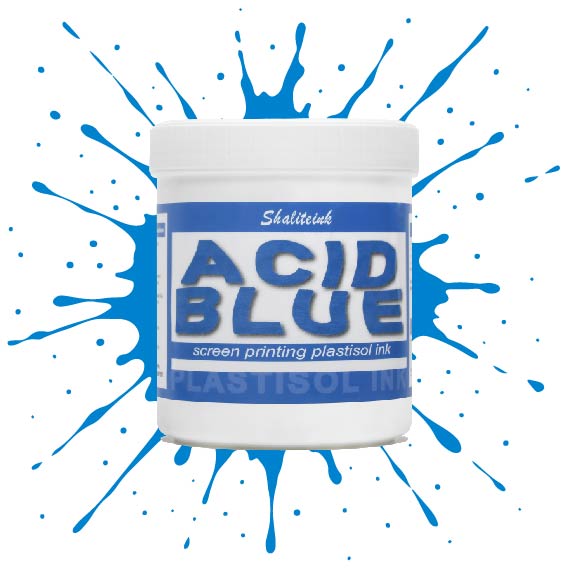
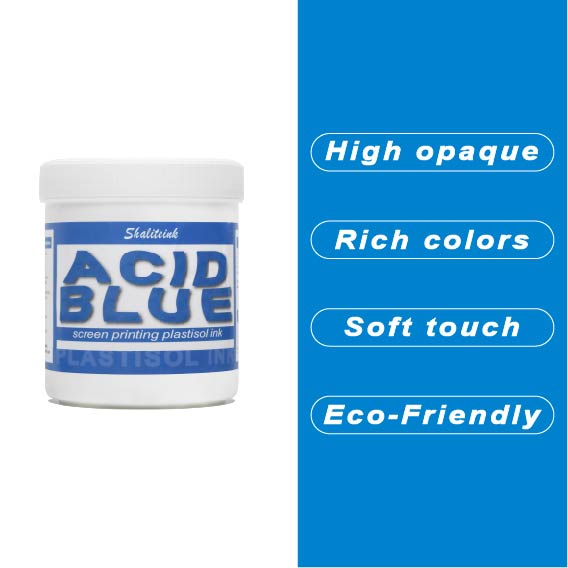
Säureblaue Plastisol-Siebdrucktinte
Geben Sie sich nicht länger mit diesen flachen, trüben Blautönen zufrieden, die im Moment des Auftreffens auf den Stoff verschwinden. Unser Säureblaue Plastisol-Siebdrucktinte Diese Farbe wurde für Drucker entwickelt, die ein farbintensives, auffälliges Ergebnis erzielen möchten. Die cremige, hochpigmentierte Formel lässt sich mühelos durch das Sieb verarbeiten und bleibt auf dem Sieb feucht – nicht darin –, sodass Sie unbesorgt arbeiten können, ohne sich mit einer verstopften Schablone herumschlagen zu müssen.
Ob du nun mit einem feinen 230er-Sieb Details herausarbeitest oder einen kräftigen 110er-Block auf einen Hoodie druckst – diese Tinte liefert professionelle Deckkraft und ein butterweiches Tragegefühl. Sie ist die Art von Geheimwaffe, die Trockner und Waschmaschine unbeschadet übersteht, ohne zu reißen oder abzublättern. Wenn du deinen Streetwear-Style mit einem Blau aufpeppen willst, das auch nach vielen Wäschen leuchtend bleibt, hast du es jetzt gefunden.
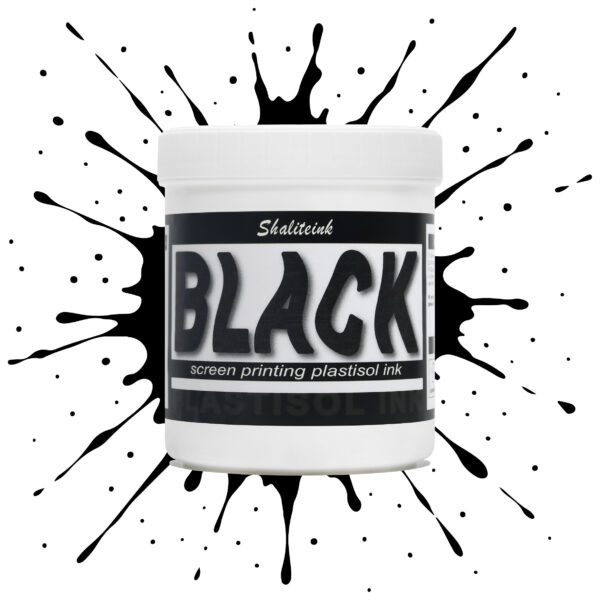
Schwarze Plastisol-Tinte für Siebdruck
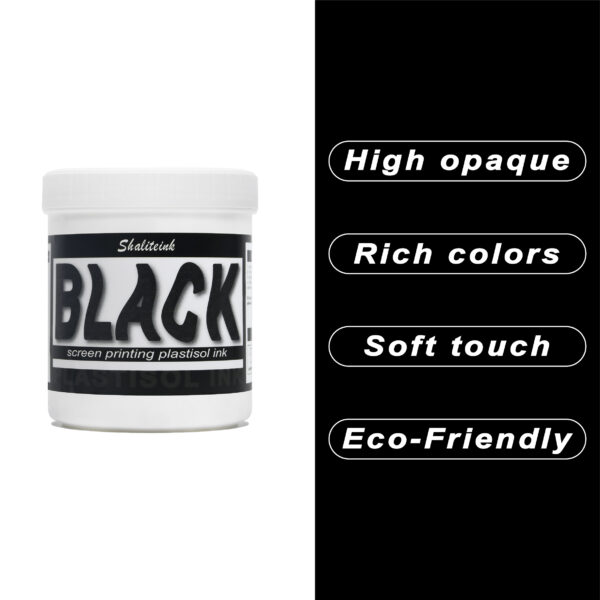
Hört auf, euch mit "Dunkelgrau" zufriedenzugeben und es Schwarz zu nennen. Unser Schwarze Plastisol-Tinte Diese Tinte wurde speziell für Drucker entwickelt, die genug von dickflüssigen, klebrigen Farben haben, die Siebe verstopfen und auf dem Shirt stumpf wirken. Ihre buttrige, cremige Konsistenz ermöglicht ein müheloses Auftragen auch auf feinmaschige Siebe und sorgt gleichzeitig für absolute Deckkraft, sodass die Farbe des Kleidungsstücks bereits beim ersten Druckvorgang vollständig abgedeckt wird. Ob Sie nun ein T-Shirt aus 100%-Baumwolle oder ein anspruchsvolles Mischgewebe bedrucken – diese Tinte trocknet zu einem flexiblen, matten "Mitternachtsschwarz", das auch nach dem ersten Waschen nicht reißt oder abblättert. Es ist das professionelle Schwarz in Einzelhandelsqualität, das Ihre Kunden erwarten.
Sicherheit muss nicht zwangsläufig Leistungseinbußen bedeuten. Unsere Formel ist komplett phthalatfrei (mit PVC-freie Optionen Mit dieser Tinte können Sie für Premiummarken drucken, ohne sich Gedanken um die Chemie machen zu müssen. Sie trocknet schnell, bleibt auf dem Sieb gleichmäßig und liefert gestochen scharfe Details ohne dickflüssigen Farbauftrag. Wenn Sie eine zuverlässige Tinte suchen, die Ihre Druckerei effizienter macht und Ihren Drucken einen exklusiven Look verleiht, ist dieser Farbbehälter die perfekte Wahl für Ihre Druckmaschine.
Tiefgoldgelbe Plastisol-Siebdrucktinte
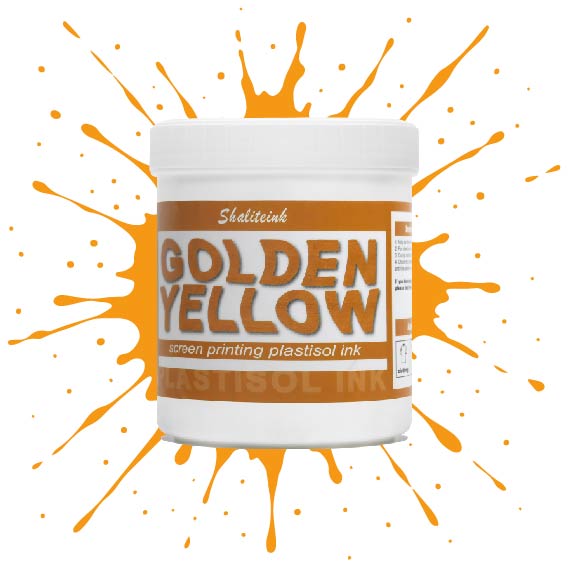
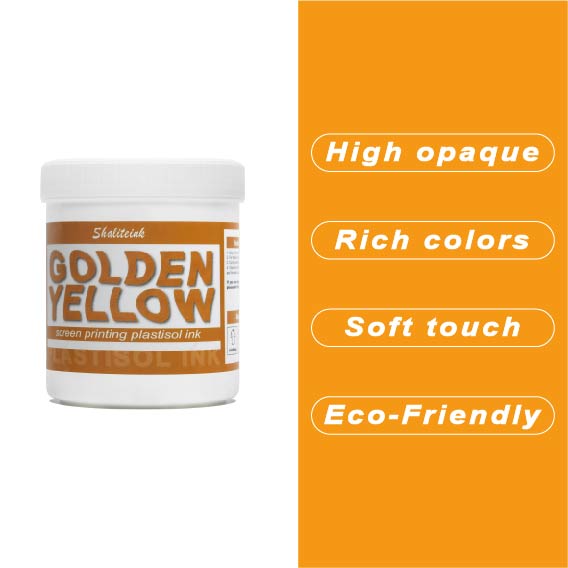
Hören Sie auf, sich mit billig wirkenden, schnell verblassenden Gelbtönen wie bei Sicherheitswesten zufriedenzugeben. Unser Tiefgoldgelbe Plastisol-Tinte Dieses Garn verleiht Ihren Designs einen satten, sonnenverwöhnten Look und sorgt für einen hochwertigen College-Stil, der auch nach dem ersten Waschen seine Leuchtkraft behält. Es ist ein hochdeckendes Kraftpaket mit einer butterweichen, idealen Konsistenz – geschmeidig genug, um sanft über das Gewebe zu gleiten, ohne die Handgelenke zu reizen, und gleichzeitig dick genug, um perfekt auf dunklen Stoffen zu haften.
Egal ob robuste Hoodies oder detailreiche Streetwear – diese Tinte bleibt im Sieb flüssig und verarbeitbar, härtet aber bei 160 °C zu einem widerstandsfähigen, professionellen Finish aus. Sie ist die zuverlässige, phthalatfreie Tinte, die Ihr Unternehmen für hochwertige Bekleidung braucht, die sich so gut anfühlt, wie sie aussieht. Schluss mit unschönen, matschigen Oberflächen und verschwommenen Drucken – nur noch pure, flüssige Qualität für Ihre Druckmaschine.
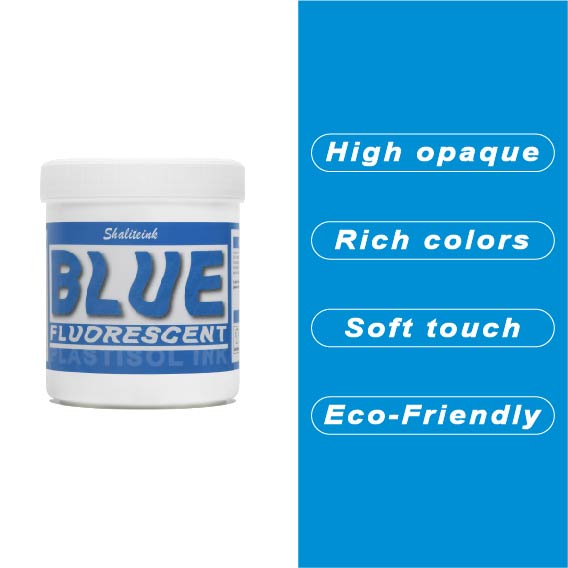
Fluoreszierende blaue Plastisol-Siebdrucktinte
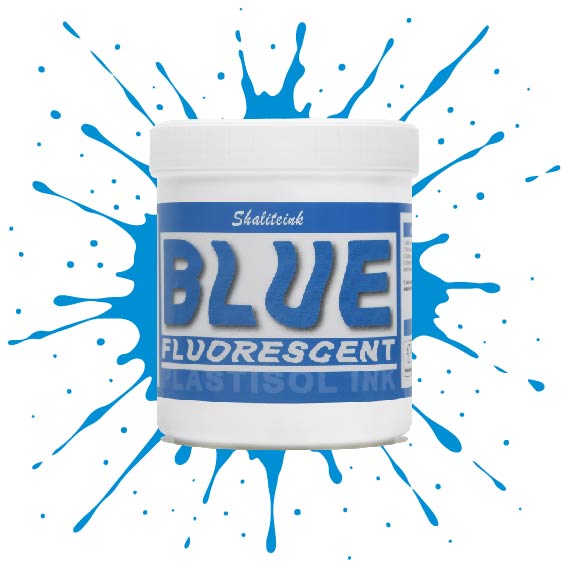
Hören Sie auf, sich mit "helleren" Blautönen zufriedenzugeben und verleihen Sie Ihren Designs den elektrisierenden Touch, den sie verdienen. Fluoreszierende blaue Plastisol-Tinte Es handelt sich im Grunde um geballte Farbkraft – eine hochpigmentierte, UV-reaktive Formel, die unter Schwarzlicht strahlt und bei Tageslicht den Raum dominiert. Sie ist von Anfang an butterweich, sodass kein lästiges "Tinten-Kämpfen" mehr vor dem ersten Druckauftrag nötig ist. Und da sie komplett phthalatfrei ist, können Sie bedenkenlos für jeden Kunden drucken.
Für einen atemberaubenden Farbeffekt auf dunklen Textilien einfach eine strahlend weiße Grundierung auftragen und die blaue Farbe ihre volle Wirkung entfalten lassen. Egal ob Sie mit einem 110er Sieb für einen satten, deckenden Farbauftrag oder mit einem 156er Sieb für schärfere Details arbeiten – die Farbe lässt sich perfekt verarbeiten und härtet zu einem strapazierfähigen, professionellen Finish aus, das weder abblättert noch verblasst. Wenn Sie von einer Druckerei unter vielen zu einer Druckerei werden wollen, über die jeder spricht, ist diese Farbe der Schlüssel zum Erfolg.
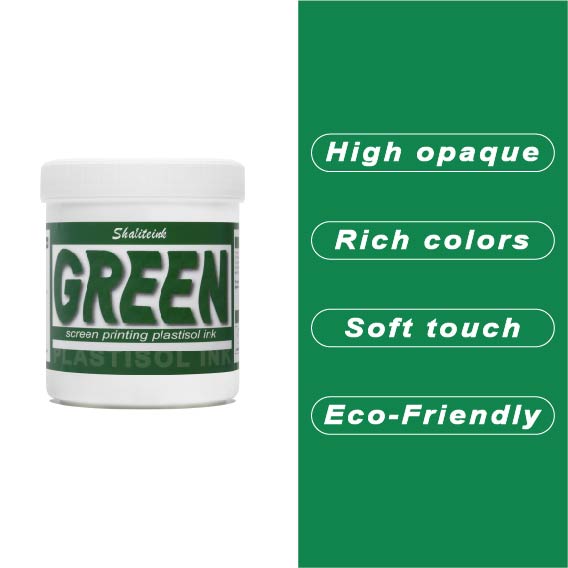
Grüne Plastisol-Tinte für den Siebdruck
Ich habe unzählige Nächte in meiner Garage verbracht und dabei giftige Dämpfe eingeatmet, aber mit der grünen Tinte von Shaliteink habe ich endlich Abhilfe geschaffen. Sie ist nicht mehr so giftig wie früher, sondern unbedenklich für die Heimwerkstatt und bleibt frei von schädlichem PVC. Das Ergebnis ist eine kräftige Farbe, die sich weniger nach harter Arbeit anfühlt, sondern eher wie das Verzieren eines frischen Kuchens mit Zuckerguss.
Diese Tinte härtet bei niedrigen 127 °C aus, sodass Sie Stromkosten sparen und Ihre Shirts nicht einlaufen. Sie haftet auf dunkler Baumwolle, fühlt sich weich an und behält ihre Leuchtkraft auch nach über fünfzig Wäschen. Schluss mit den Dämpfen – gestalten Sie Ihre professionelle Ausrüstung ganz einfach selbst in Ihrer Küche.
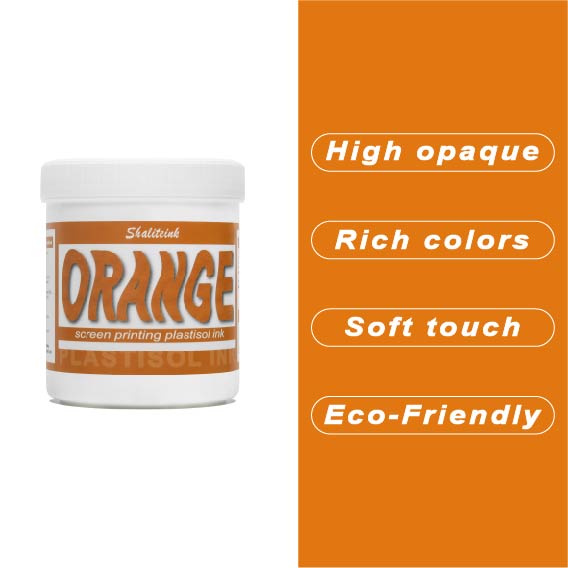
Orange Plastisol-Siebdrucktinte
Suchen Sie nach dem perfekten, leuchtenden "Orange Crush"-Ton, der nicht im Stoff verschwindet? Unsere orangefarbene Plastisolfarbe ist aus gutem Grund ein absoluter Favorit. Sie hat eine cremige, druckfertige Konsistenz, die auch durch feinere Siebe gleitet und gleichzeitig die hohe Deckkraft bietet, die Sie für ausdrucksstarke Grafiken benötigen. Schluss mit verwaschenen Drucken – nur noch ein leuchtender Zitruston, der vom ersten Druck bis zur finalen Aushärtung strahlend bleibt.
Diese Tinte ist für den Dauereinsatz konzipiert und trocknet nicht während des Druckvorgangs auf dem Sieb, sondern ergibt eine robuste und flexible Oberfläche, die auch häufiges Waschen unbeschadet übersteht. Ob Sie eine strahlend weiße Grundierung auf dunklen Hoodies oder direkt auf heller Baumwolle drucken möchten – Shaliteink liefert Ihnen ein professionelles, verkaufsfertiges Ergebnis ohne lästiges Verdünnen oder Verstopfen der Tinte.
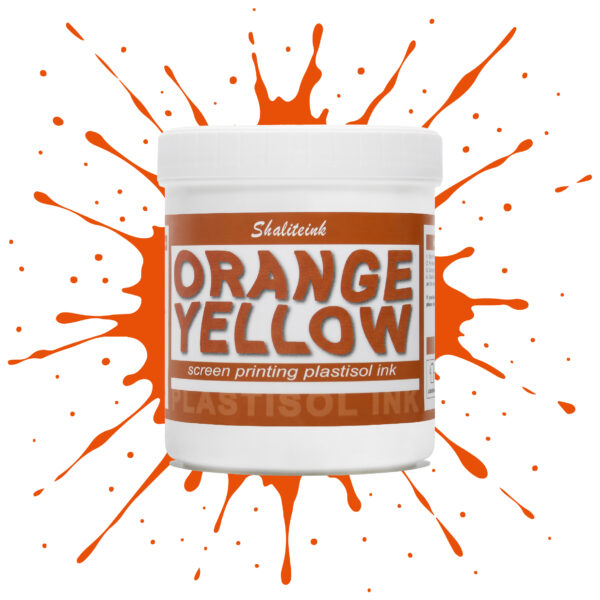
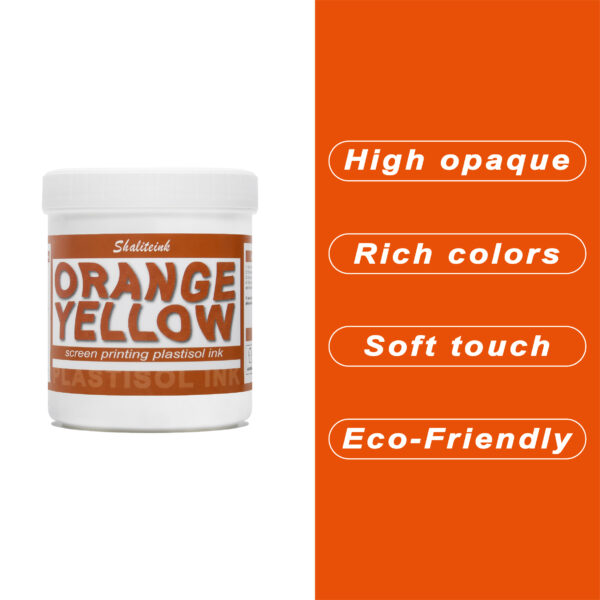
Orange-gelbe Plastisol-Siebdrucktinte
Schluss mit trüben Gelbtönen, die auf dunklem Stoff verschwinden! Der Schlüssel zu einem leuchtenden Farbton, der alle Blicke auf sich zieht, ist unsere orange-gelbe Siebdruck-Plastisolfarbe – eine hochdeckende Kraft, entwickelt für alle, die keine Kompromisse eingehen wollen. Ob Sportbekleidung oder T-Shirts für den Einzelhandel: Dank ihrer hohen Pigmentkonzentration bleibt diese Farbe strahlend. Sie bildet eine kräftige, sonnendurchflutete Brücke zwischen Gold und Orange, die sich durch ihre Leuchtkraft auszeichnet, ohne sich wie eine dicke Plastikschicht anzufühlen.
Sicherheit sollte kein Problem sein. Deshalb ist diese Formel komplett PVC- und phthalatfrei, damit Ihr Geschäft alle Vorschriften einhält und umweltfreundlich ist. Unsere Non-Bleed (NB)-Technologie verhindert das Ausbluten der Farbe bei anspruchsvollen Mischgeweben, sodass Ihre leuchtenden Farben auch nach vielen Wäschen strahlend bleiben. Das Garn ist geschmeidig, lässt sich leicht schneiden und fühlt sich angenehm weich an – Ihre Kunden werden begeistert sein. Probieren Sie es aus und überzeugen Sie sich selbst, warum Profis auf Shaliteink vertrauen.
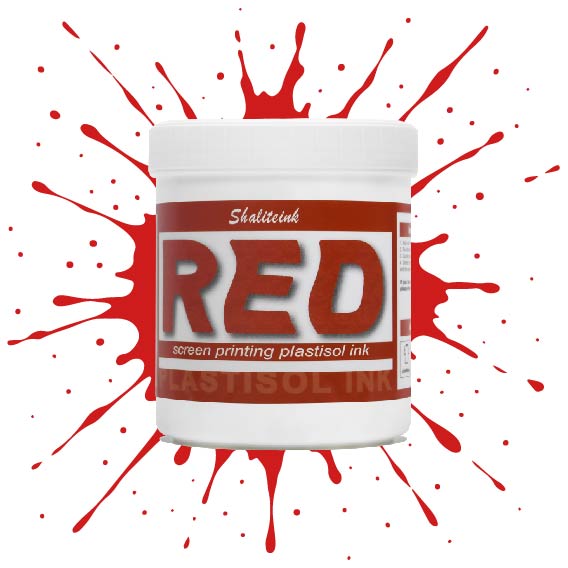
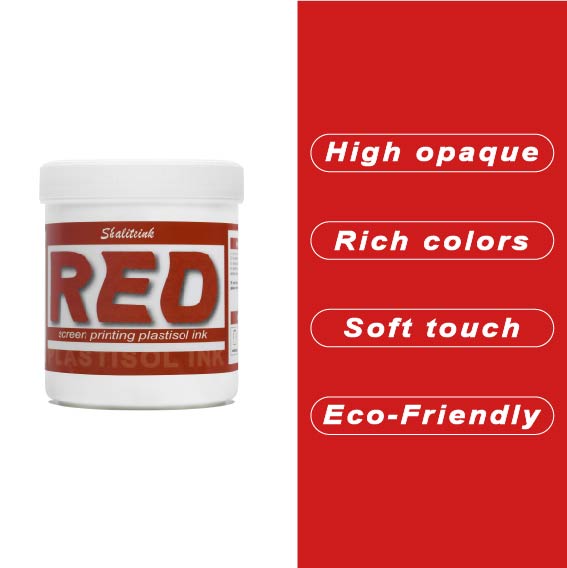
Rote Plastisol-Siebdrucktinte
Schluss mit dem Ärger über Rottöne, die auf dunklen Hoodies wie ein verblasster Fleck aussehen! Wenn du schon mal den ganzen Morgen damit verbracht hast, zuzusehen, wie ein leuchtendes Rot zu einem schlammigen Braun wird, weil die Farbe nicht richtig deckt, brauchst du dieses Produkt. Es ist so deckend, dass es selbst auf schwarzem Stoff noch gut aussieht und dabei cremig bleibt – perfekt für die ganze Schicht. Keine verstopften Stellen mehr, keine Panik mehr am Trockner – nur noch ein klares, kräftiges Rot, das wirklich hält, was es verspricht.
Egal ob Untergrund oder Direktdruck auf Baumwolle – diese Plastisolfarbe bleibt auf dem Sieb luftdicht, bis sie ausgehärtet wird. Sie ist ideal für alle, die genug von "gut genug" haben und ein leuchtendes Rot wollen, das auch nach vielen Wäschen beständig ist. Schluss mit dünnflüssigen, wässrigen Farben – sichern Sie sich ein Rot, das auf Anhieb perfekt hält.
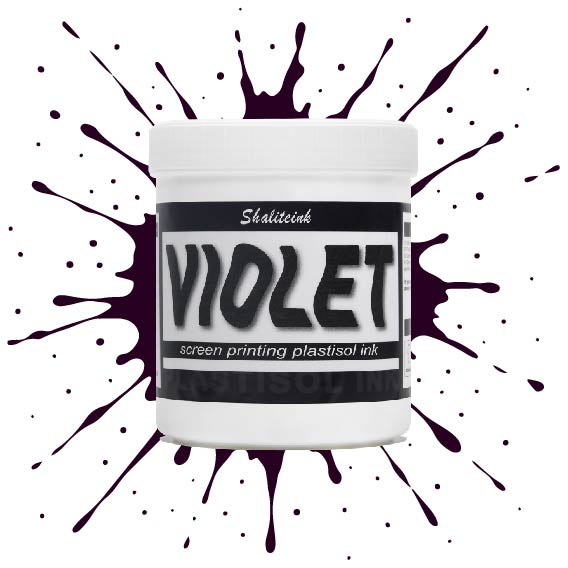
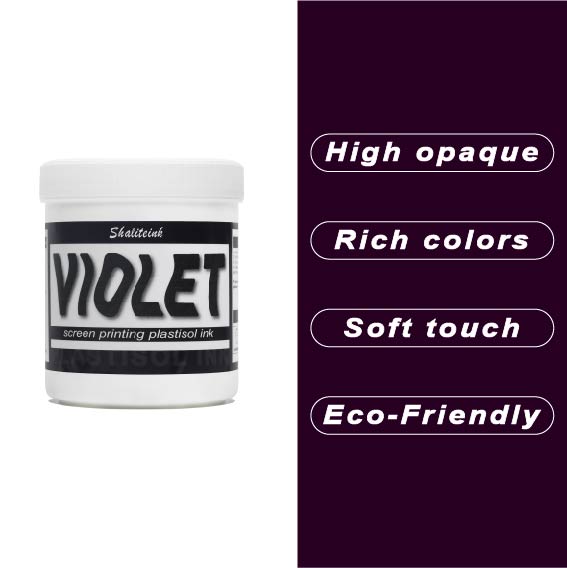
Violett-rote Siebdruck-Plastisolfarbe
Ehrlich gesagt, die meisten Rottöne sehen aus, als gehörten sie auf ein Fast-Food-Logo – grell, knallig und ein bisschen billig. Aber dieses Violettrot? Das ist etwas ganz anderes. Es hat diesen tiefen, stimmungsvollen Weinrotton, der einen einfachen $5-Rohling wie ein exklusives $40-Teil wirken lässt. Ich habe es auf pechschwarze Hoodies gedruckt, und dank der hohen Deckkraft bleibt die Farbe tatsächlich erhalten, anstatt zu einem stumpfen, trüben Fleck zu werden. Es ist der entscheidende Vorteil, den man braucht, wenn ein Kunde etwas Elegantes und nicht nur ein weiteres Sportshirt möchte.
Schluss mit Tinte, die sich wie kalte Erdnussbutter anfühlt! Diese Tinte ist direkt aus dem Eimer butterweich – kein aufwendiges Rühren oder Verdünnen nötig. Sie können sich in Ruhe einen Kaffee holen oder eine Lieferung entgegennehmen, ohne dass die Tinte verkrustet oder Ihren Siebdruckrahmen beschädigt. Und mal ehrlich: Nichts schadet einer Marke mehr als ein Druck, der sofort Risse bekommt, sobald ihn jemand trägt. Diese Formel passt sich dem Stoff an, bleibt weich und übersteht sogar den Heißwaschtest, ohne abzublättern. Sie funktioniert einfach, sodass Sie weniger Zeit mit dem Reinigen der Siebe und mehr Zeit mit dem Drucken verbringen können.
 EN
EN  DE
DE  ES
ES  PT
PT  JA
JA
Beatriz Rocha –
Einfache Bedienung und Ergebnisse
Anna Nowak –
Łatwa aplikacja i niezawodne działanie. Działa bardzo dobrze na co dzień. Łatwa aplikacja i niezawodne działanie. Przekroczyło moje oczekiwania. Bardzo war schon lange nicht mehr in der Lage, Ceny zu erreichen. Działa bardzo dobrze na co dzień. Działa bardzo dobrze na co dzień. Przekroczyło moje oczekiwania. Łatwa aplikacja i
Piotr Zielinski –
Łatwa aplikacja i niezawodne działanie. Wysoka jakość i szybka dostawa. Łatwa aplikacja i niezawodne działanie. Wysoka jakość i szybka dostawa. Łatwa aplikacja i niezawodne działanie. Łatwa aplikacja i niezawodne działanie. Działa bardzo dobrze na co dzień. Działa bardzo dobrze na co dzień. Łatwa ap
Peter Fischer –
Leicht zu nutzen und konstante Ergebnisse. Hat meine Erwartungen übertroffen. Sehr guter Preis-Leist
Peter Fischer –
Leicht zu nutzen und konstante Ergebnisse. Einfache Anwendung und zuverlässige Leistung. Hochwertige Qualität und schnelle Lieferung. Leicht zu nutzen und konstante Ergebnisse. Einfache Anwendung und zuverlässige Leistung. Hochwertige Qualität und schnelle Lieferung. Hat meine Erwartungen übertroffen
Daniel Wilson –
Funktioniert hervorragend für meine täglichen Aufgaben. Einfache Bedienung und gleichbleibende Ergebnisse. Die Qualität ist erstklassig und die Lieferung erfolgte schnell.
Anna Schmidt –
Leicht zu nutzen und konstant
Anna Schmidt –
Einfache Anwendung und zuverlässige Leistung. Einfache Anwendung und zuverlässige Leistung. Hochwertige Qualität und schnelle Lieferung. Leicht zu nutzen und konstante Ergebnisse. Einfache Anwendung und zuverlässige Leistung. Hochwertige Qualität und schnelle Lieferung. Hat meine Erwartungen übertro
Anna Nowak –
Działa bardzo dobrze na co dzi