
Blog
¿Por qué tus impresiones se ven baratas? Y cómo una mejor tinta puede solucionarlo.

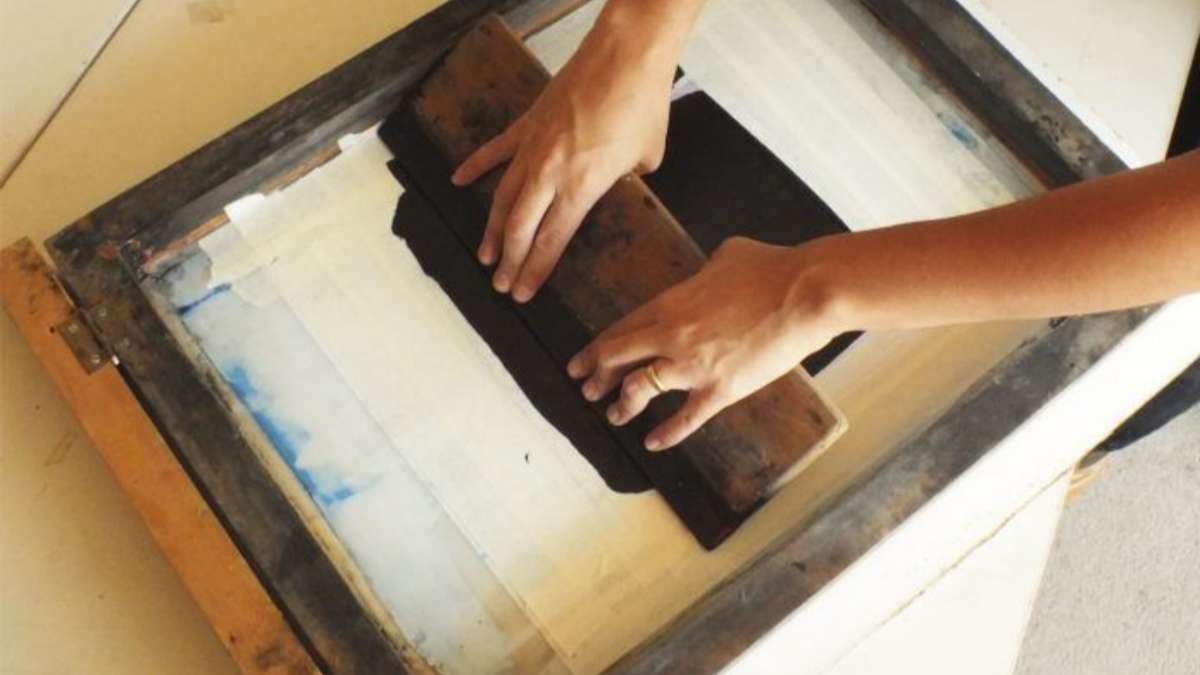
Tabla de contenido
Seamos realistas. Nada arruina la imagen de una marca más rápido que una camiseta de aspecto barato. Inviertes horas en un diseño espectacular, pero al plasmarlo en la tela, se ve de mala calidad. Quizás los colores se ven apagados o la tinta blanca se torna rosa porque el tinte de la camiseta traspasó. Es una pesadilla para cualquier diseñador.
Si quieres la respuesta corta de por qué tus estampados se ven baratos, aquí la tienes: Tu tinta carece de la densidad de pigmento y la estabilidad química necesarias para resistir el desgaste de la prenda. Cambiar a una química de grado profesional desbloquea instantáneamente la opacidad y la durabilidad al lavado de calidad comercial. Shaliteink Hemos visto a miles de creadores lidiar con este problema, pero la solución es en realidad más sencilla de lo que piensas.
El “olor visual” de las impresiones baratas
Cuando un cliente toma una camiseta, puede sentir la calidad de inmediato. Las impresiones baratas suelen presentar tres problemas principales. Primero, la opacidad deficiente, donde la tinta es tan fina que se ven las fibras de la camiseta a través de ella. Segundo, la migración del tinte, donde el logotipo blanco nítido en una sudadera roja se convierte en un rosa pálido en 24 horas. Finalmente, está la decoloración y el agrietamiento, donde el diseño parece tener diez años después de solo tres lavados.
Por qué utilizamos la química del plastisol
Para resolver estos problemas nos centramos en los sólidos de alto contenido. tinta plastisol. A diferencia de las tintas a base de agua que penetran en las fibras para lograr un aspecto vintage, nuestro plastisol se deposita directamente sobre la tela. Esto crea una capa sólida y vibrante, mucho más resistente a la intemperie. Se prevé que para 2026 el mercado de tintas para serigrafía alcance los 4740 millones de dólares, ya que las marcas buscan la repetibilidad que la impresión digital aún no puede igualar.
El asesino silencioso: la migración de tintes
Si imprime sobre poliéster o mezclas, el calor es su enemigo. Las tintas estándar requieren un curado a 160 °C (320 °F), pero a esta temperatura los tintes de la tela se convierten en gas y migran a la tinta. Recomendamos una estrategia de "bloqueo". Utilizando un Tinta de serigrafía antimigración plastisol Como base, crea un escudo químico que mantiene el tinte de la camisa en su lugar.
Consejo de experto: Baja la temperatura de tu secadora. Las tintas modernas de curado lento se pueden fusionar entre 132 °C y 149 °C, por lo que te mantendrás por debajo del "punto de gas" de la mayoría de los tintes de poliéster.
Cómo mejorar tus impresiones hoy mismo
1. Dominar los fundamentos
Para obtener impresiones de calidad, el resultado comienza incluso antes de usar la espátula. Si la plantilla no está bien definida, la impresión se verá borrosa. El uso de una emulsión fotosensible de alta calidad garantiza que hasta las líneas más finas queden nítidas.
2. Añade un toque de lujo.
A veces, “mejor” no significa más colores, sino más textura. Para una marca premium, nada supera el factor reflectante de una tinta de serigrafía metálica. Si quieres un aspecto 3D, prueba con una Tinta de serigrafía plastisol. Añade una dimensión extra que hace que la prenda parezca ropa urbana de alta gama.
3. Sé ecológico
Los clientes de hoy son inteligentes y se preocupan por el planeta. Utilizando un Tinta plastisol sin PVC Te ofrece ese mismo estilo llamativo, pero es mucho más seguro para el medio ambiente.
Análisis de datos: Tintas económicas frente a tintas profesionales
| Métrica de rendimiento | Tinta económica/genérica | Plastisol Profesional Shaliteink |
| Carga de pigmento | Bajo (Requiere 3 o más pasadas) | Alto (a menudo 1-2 pases) |
| Horario abierto | Se seca en la pantalla (¡Estresante!) | Nunca se seca en la pantalla |
| Solidez al lavado | Se desvanece después de 30 lavados. | Dura más que la prenda (más de 100 días). |
| Opacidad en tela oscura | Transparente / Lodoso | Cobertura total |
Preguntas frecuentes (FAQ)
Q1. ¿Por qué mi tinta blanca parece un ladrillo?
Esto suele ocurrir por un sobrecalentamiento. Si se deja secar la primera capa de tinta demasiado tiempo antes de imprimir la segunda, las capas no se unirán correctamente. La tinta solo debe estar seca al tacto, pero no completamente seca antes de la siguiente pasada.
Q2. ¿Es segura la tinta plastisol para mi estudio casero?
Sí, pero la ventilación es fundamental. Aunque ofrecemos tinta plastisol ecológica sin PVC, todas las tintas plastisol liberan una pequeña cantidad de vapor durante el curado térmico. Trabaje siempre en un espacio con buena ventilación.
Q3. ¿Puedo dejar la tinta en la pantalla durante la noche?
¡Ese es el superpoder del plastisol! A diferencia de la tinta a base de agua, no se seca a temperatura ambiente. Puedes tomarte un descanso o incluso dejarlo hasta mañana y seguirá listo para imprimir.
Q4. ¿Cómo puedo evitar que mis impresiones se agrieten?
El agrietamiento se produce porque la tinta no alcanza su temperatura de fusión óptima. Si solo la capa superior está seca, pero la inferior está húmeda, la impresión se agrietará al estirarse la prenda. Utilice un termómetro láser para comprobar la superficie de la tinta.
Q5. ¿Cuál es la mejor tinta para camisetas deportivas?
Necesitas una base antimigración y un blanco de baja decoloración. Esta combinación evita que el tinte de la camiseta convierta tus números blancos en un color gris opaco.
 EN
EN  DE
DE  ES
ES  PT
PT  JA
JA