
Blog
Impresiones gruesas frente a impresiones suaves: ¿Qué prefieren los clientes?

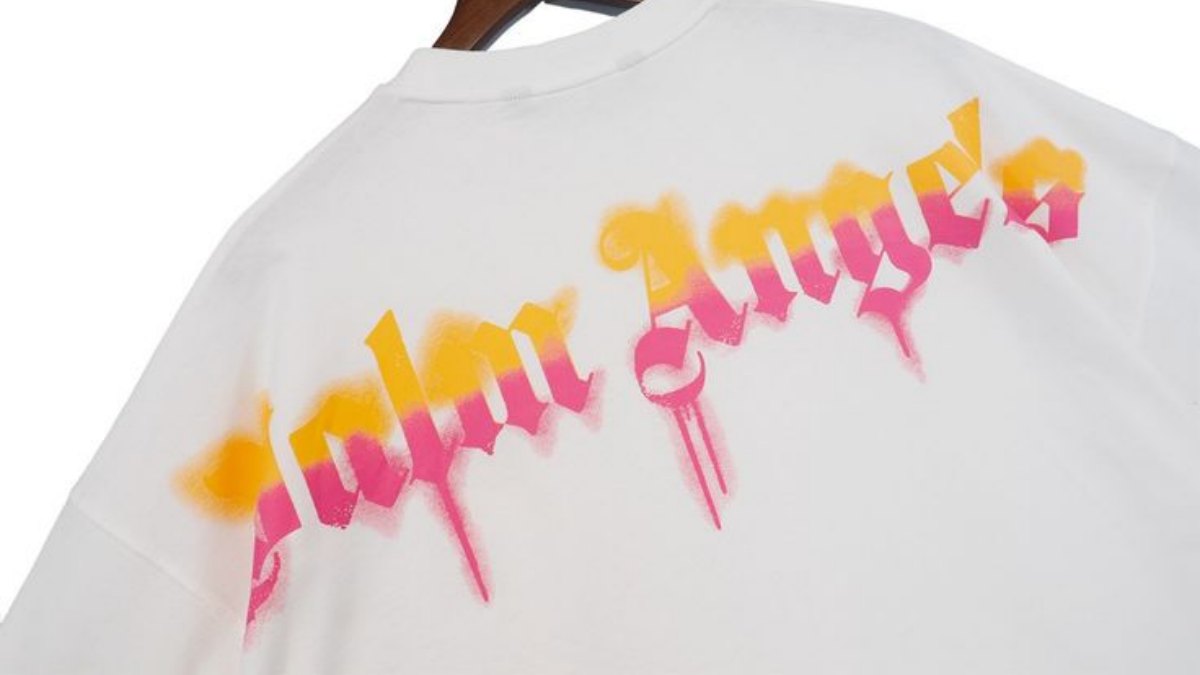
Tabla de contenido
Escucha, he pasado más tiempo cerca de una secadora de ropa que la mayoría de la gente en sus propias salas de estar. He olido el dulce aroma del curado. Tinta plastisol A las 3 de la mañana, más veces de las que me gustaría admitir. Con los años he aprendido una cosa con certeza: a tus clientes no les importa tu "proceso", sino cómo se sienten al ponérsela.
Soy un experto en soluciones aquí en Shaliteink He visto imprentas quebrar porque no daban con la impresión adecuada. Imprimían una enorme plancha de tinta a prueba de balas sobre una camiseta fina y luego se preguntaban por qué nadie la compraba. O imprimían un estilo vintage suave y desteñido para una marca de ropa deportiva que buscaba colores vivos y llamativos.
Es la clásica batalla: Estampados gruesos contra estampados suaves.
¿Qué es lo que realmente quieren tus clientes? Tómate un café y analicemos en detalle qué hace que una impresión se venda o fracase.
El chaleco antibalas: Entendiendo los estampados gruesos
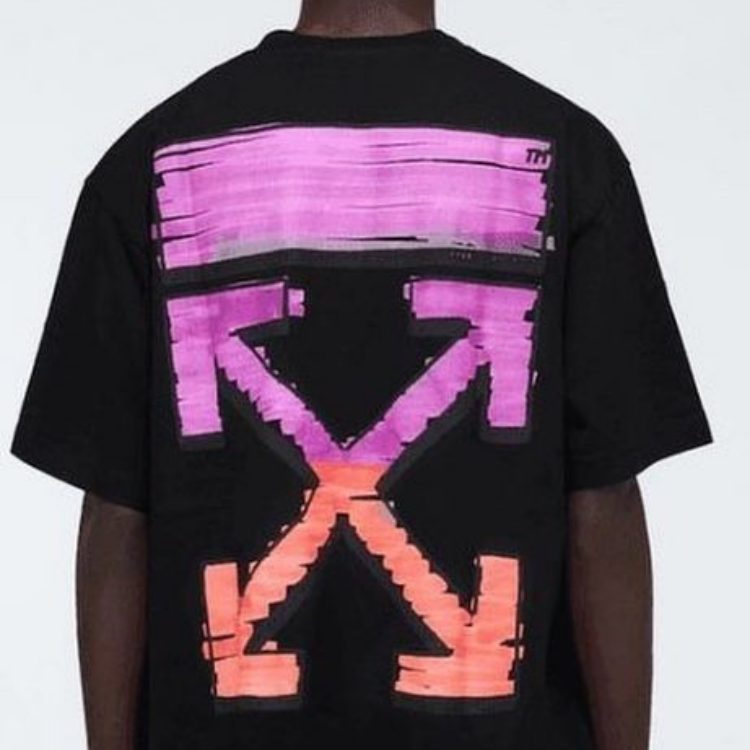
Cuando hablamos de estampados gruesos, solemos referirnos a los de alta densidad (HD) o con efecto relieve. Son los más llamativos. Los vemos en marcas de ropa urbana de alta gama como Supreme u Off-White.
¿Por qué a los clientes les encantan las impresiones gruesas?
Existe un efecto psicológico cuando un cliente toca una impresión 3D. Transmite una sensación de exclusividad. Una impresión gruesa con tinta plastisol de serigrafía de alta densidad grita "personalizado". No parece una camiseta de recuerdo barata. Parece una obra de arte.
Los beneficios:
- Durabilidad: Estos estampados son muy resistentes. No se decoloran fácilmente y conservan su viveza durante años.
- Pop visual: En una sudadera con capucha negra, nada supera los bordes nítidos y definidos de una Tinta plastisol blanca para serigrafía Construido con varias capas.
- Textura: Añade un elemento táctil que las impresiones planas simplemente no pueden igualar.
El inconveniente:
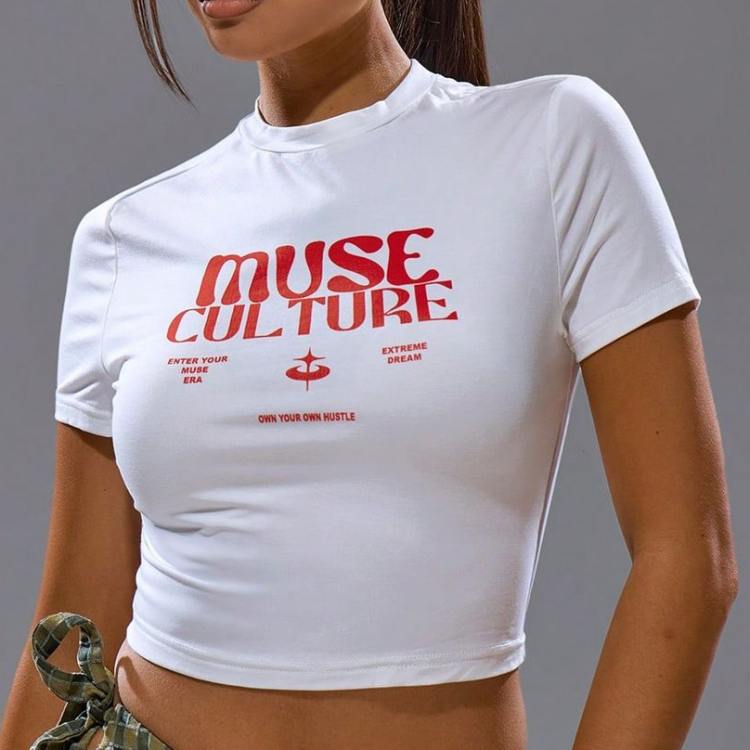
Si lo haces mal, acabarás con una mancha de sudor. Si imprimes un círculo sólido de 25 cm de tinta espesa sobre una camiseta ligera, la tela no transpirará. Tu cliente andará con una especie de escudo de plástico en el pecho y sudará muchísimo.
La “segunda piel”: El auge de los estampados suaves
En el otro lado del anillo tenemos impresiones Soft Hand. Esta es la “sensación de venta al por menor”. Si entras en una tienda como Lululemo o una boutique de alta gama, no sentirás la tinta en absoluto. Esto se logra a menudo utilizando Tinta plastisol sin PVC o añadiendo diluyentes de “tacto suave” a las tintas estándar.
¿Por qué los clientes prefieren las impresiones en papel?
La comodidad es primordial. En la era moderna del "athleisure", la gente quiere ropa cómoda para el día a día. En los últimos cinco años, la demanda de ropa suave al tacto en el sector minorista ha aumentado en más de 15%.
Los beneficios:
- Transpirabilidad: La tinta se queda en las fibras en lugar de en a ellos.
- Flexibilidad: El estampado no se agrietará al estirarse la tela. Por eso, nuestra tinta plastisol para serigrafía elástica es un éxito de ventas en ropa de yoga y gimnasio.
- Imagen ecológica: Los estampados suaves suelen asociarse con marcas de alta calidad y respetuosas con el medio ambiente. Utilizar tinta de serigrafía ecológica contribuye a transmitir ese mensaje.
Los datos: Comparación entre materiales gruesos y blandos
No me guío solo por las "sensaciones". Analizo los datos. Aquí les presento un desglose de cómo se comparan estos dos estilos en la práctica.
| Característica | Impresiones gruesas/de alta densidad | Impresión suave al tacto/para venta al por menor |
| Segmento de mercado | Ropa urbana, ropa de trabajo, ropa de abrigo | Moda, ropa deportiva, ropa para bebés |
| Mejor número de malla | 86 – 110 (Malla baja para mayor cantidad de tinta) | 230 – 305 (Malla alta para capas delgadas) |
| Transpirabilidad | Bajo (en bloque) | Alto (Poroso) |
| Valor percibido | Alto (Sensación de “lujo” intenso) | Alto (Comodidad/Sensación de marca) |
| La mejor opción de tinta | Plastisol de alta densidad | Tinta de serigrafía NB sin PVC |
Cómo elegir el adecuado para su cliente.
Siempre les digo a los dueños de las tiendas que hagan una pregunta: "¿Adónde va a parar esta camisa?"“
Caso práctico: La marca de gimnasios frente a la tienda de patines
El año pasado ayudé a un cliente que tenía problemas con un pedido grande para un gimnasio local de CrossFit. Estaban usando tinta plastisol negra de alta densidad para serigrafía en camisetas de poliéster de alto rendimiento. A los atletas no les gustaban nada. ¿Por qué? Porque la tinta era demasiado espesa y la tela no se estiraba.
Cambiamos a tinta plastisol azul real sin PVC mezclada con un poco de diluyente. Usamos una malla de 280. ¿El resultado? Una impresión que se sentía como si fuera parte de la tela. El dueño del gimnasio duplicó su siguiente pedido.
Mientras tanto, una tienda de skate de la calle quería que sus logotipos parecieran grabados en las sudaderas. Nosotros hicimos lo contrario. Usamos tinta plastisol para serigrafía con efecto relieve para darle ese aspecto retro 3D de los 90. A los chicos les encantó porque les pareció "indie" y "resistente".“
Consejos técnicos: Cómo conseguir un acabado perfecto
Para un aspecto más grueso:
- Utilice la emulsión adecuada: Necesitas una plantilla gruesa. Busca una emulsión fotosensible de alta densidad.
- Múltiples pases: No intentes alcanzar toda la altura de una sola vez. Imprime, flashea y vuelve a imprimir.
- Malla inferior: Utilice una malla de 86 o 110. Esto permite que esas partículas de tinta grandes (especialmente en Tinta de serigrafía metálica) para pasar fácilmente.
Para un look suave:
- La malla de alta densidad es clave: Utilice una malla de 230 a 305.
- Presión de la escobilla: Usa una espátula afilada y un movimiento rápido. El objetivo es arrancar la tinta de la pantalla, no estamparla contra la camiseta.
- La tinta importa: Comience con una base suave como nuestra tinta plastisol azul suave al tacto, libre de PVC.
Resolviendo la pesadilla de la “migración”
Aquí tienes un consejo profesional que te ahorrará miles de dólares. Al imprimir con tinta plastisol espesa sobre poliéster o mezclas de tejidos, corres un gran riesgo de que se produzca una migración de tinte. Esto ocurre cuando el tinte de la camiseta se filtra en la tinta y convierte la impresión blanca en un tono rosa o gris apagado.
Si vas a estampar diseños gruesos en sudaderas con capucha, debes usar una tinta plastisol antimigración para serigrafía como capa base. Actúa como un escudo. He visto tiradas enteras de 500 camisetas arruinadas porque la imprenta se saltó este paso. No cometas ese error.
Preguntas frecuentes: ¿Qué me preguntan siempre las imprentas?
Q1. ¿Puedo lograr que la tinta espesa se sienta suave?
En realidad no. El grosor se debe al contenido sólido de la tinta. Sin embargo, puedes usar tinta con relieve, que es espesa pero muy ligera porque está rellena de aire.
Q2. ¿La tinta de tacto suave es menos duradera?
Si utiliza una tinta plastisol de alta calidad de un fabricante como Shaliteink, la durabilidad es la misma. La clave está en el proceso de curado. Siempre que la tinta alcance los 160 °C (320 °F) en toda su extensión, no se borrará.
Q3. ¿Cuál es mejor para principiantes?
La técnica de tacto suave es en realidad más difícil porque requiere mucha precisión con la malla y la presión. Recomiendo empezar con un kit de tintas para serigrafía para familiarizarse primero con la viscosidad estándar.
Q4. ¿Por qué se está agrietando mi impresión gruesa?
Es probable que no esté completamente curada. La tinta espesa tarda más en calentarse. Imagínalo como un filete: puedes dorar la parte exterior, pero el interior podría quedar crudo. Usa un termómetro infrarrojo y comprueba que la base de la capa de tinta alcance la temperatura de curado.
Q5. ¿La tinta sin PVC se siente diferente al tacto?
Sí. La tinta plastisol sin PVC suele tener un tacto mucho más suave y es más ecológica. Actualmente es el estándar de oro en la alta costura.
El veredicto: ¿Quién gana?
En la batalla entre lo grueso y lo blando, no hay un único ganador. Pero si quieres mi opinión experta para 2024 y 2025: el dinero está en la "mano blanda".“
Los consumidores habituales se están alejando de los estampados pesados y llamativos. Buscan camisetas que puedan usar para ir al supermercado, al gimnasio o a la oficina. Si dominas el arte de la impresión suave con tinta plastisol Shaliteink, tendrás éxito a largo plazo.
Sin embargo, ten siempre a mano un bote de tinta de alta densidad para esas marcas especializadas de ropa urbana. Pagarán un precio elevado por ese efecto 3D y es una excelente manera de demostrar tus habilidades técnicas.
¿Listo para mejorar tus habilidades de impresión? Ya sea que prefieras un estilo intenso y llamativo o uno sutil y delicado, tenemos todo lo que necesitas. Visita nuestra tienda de tintas para serigrafía y ¡comencemos a imprimir!.
 EN
EN  DE
DE  ES
ES  PT
PT  JA
JA