
ブログ
なぜあなたのプリントは安っぽく見えるのか ― そして、より良いインクでそれを解決する方法

目次
正直に言って、安っぽいTシャツほどブランドのイメージを台無しにするものはありません。何時間もかけて素晴らしいデザインを作ったのに、生地にプリントすると薄っぺらく見えてしまう。色が濁っていたり、シャツの染料が染み込んで白いインクがピンク色になっていたりすることもあるでしょう。クリエイターにとって、これは悪夢です。.
プリントが安っぽく見える理由を簡潔に説明すると、インクの顔料濃度と化学的安定性が不足しているため、衣類に負けてしまうのです。プロ仕様の薬品に切り替えることで、小売店品質の不透明度と洗濯耐久性をすぐに実現できます。 シャリテインク 何千人ものクリエイターがこの問題で苦労しているのを見てきましたが、解決策は実はあなたが思っているよりも簡単です。.
安っぽいプリントの「視覚的な匂い」
お客様がシャツを手に取った瞬間、その品質をすぐに実感できます。安価なプリントには、主に3つの問題点があります。1つ目は、インクの不透明度が低いことです。インクが薄すぎて、シャツの繊維が透けて見えてしまいます。2つ目は、染料のにじみです。赤いパーカーにプリントされた鮮やかな白いロゴが、乾燥後24時間以内にくすんだピンク色になってしまいます。そして3つ目は、色あせとひび割れです。たった3回洗濯しただけで、デザインが10年前のように見えてしまいます。.
なぜプラスチゾル化学を用いるのか
これらの問題を解決するために、高固形分に注目します。 プラスチゾルインク. 水性インクは繊維に染み込んで「ビンテージ」な風合いを出しますが、当社のプラスチゾルインクは生地の表面に直接付着します。これにより、丈夫で鮮やかな層が形成され、風雨に対する耐性が大幅に向上します。スクリーン印刷インク市場は、デジタル印刷ではまだ実現できない再現性を求めるブランドのニーズに応えるため、2026年までに1,474億ドル規模に達すると予想されています。.
静かなる殺人者:染料の移動
ポリエステルや混紡素材に印刷する場合、熱は天敵です。標準インクは320°F(160°C)で硬化する必要がありますが、この温度では生地の染料が気化してインクに移行します。そのため、「ブロッキング」戦略をお勧めします。 移行防止スクリーン印刷インクプラスチゾル 下地は化学的な遮蔽層を作り出し、シャツの染料が本来あるべき場所に留まるようにする。.
専門家のアドバイス: 乾燥機の温度を下げてください。最新の低温硬化型インクは270°F~300°Fで融着するため、ほとんどのポリエステル染料の「ガス点」を下回る温度で乾燥できます。.
今日からプリントのレベルを上げる方法
1. 基礎をマスターする
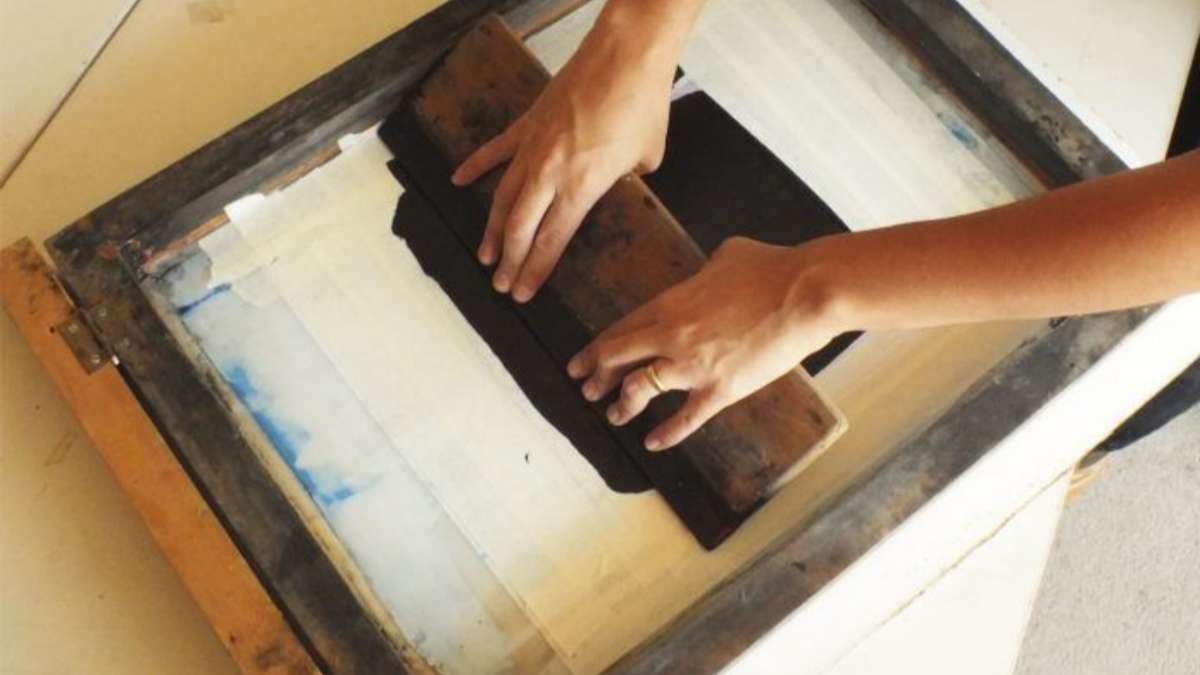
素晴らしいプリントは、スキージに触れる前から始まっています。ステンシルが鮮明でないと、プリントはぼやけてしまいます。高品質の感光乳剤を使用することで、最も細い線でも鮮明に仕上がります。.
2. 高級感をプラスする
「より良い」とは、必ずしも色の多さではなく、質感の豊かさを意味することもあります。プレミアムなブランディングには、メタリックなスクリーン印刷インクの反射効果に勝るものはありません。3Dのような見た目を求めるなら、 パフスクリーン印刷インクプラスチゾール. それによって、衣服に高級感のあるストリートウェアのような立体感が加わります。.
3. 環境に配慮する
今日の顧客は賢く、地球環境にも関心を持っています。 PVCフリープラスチゾールインク 同じように大胆な印象を与えつつ、環境への負荷ははるかに少ない。.
データ分析:安価なインクとプロ用インクの比較
| パフォーマンス指標 | 低価格/汎用インク | Shaliteink プロフェッショナル プラスチゾル |
| 色素負荷 | 低(3回以上のパスが必要) | 高い(通常1~2回のパス) |
| 営業時間 | スクリーン上で乾燥する(ストレス!) | スクリーン内で乾燥しない |
| 洗濯堅牢度 | 30回洗濯すると色落ちする | 衣服よりも長持ちする(100年以上) |
| 暗い生地の不透明度 | 透明/濁っている | 完全なカバー範囲 |
よくある質問(FAQ)
Q1. なぜ私の白いインクはレンガのように見えるのですか?
これは通常、「過硬化」が原因で起こります。インクの最初の層を印刷する前に長時間硬化させすぎると、層同士が適切に接着しません。インクは触ると乾いている程度で、完全に硬化させない状態で次の印刷工程に進むのが理想的です。.
Q2. プラスチゾルインクは自宅スタジオでの使用に安全ですか?
はい、しかし換気は非常に重要です。弊社では環境に優しいPVCフリーのプラスチゾルインクを提供していますが、すべてのプラスチゾルインクは熱硬化時に微量の蒸気を放出します。必ず換気の良い場所で作業してください。.
Q3. インクをスクリーンに一晩つけたままにしておいても大丈夫ですか?
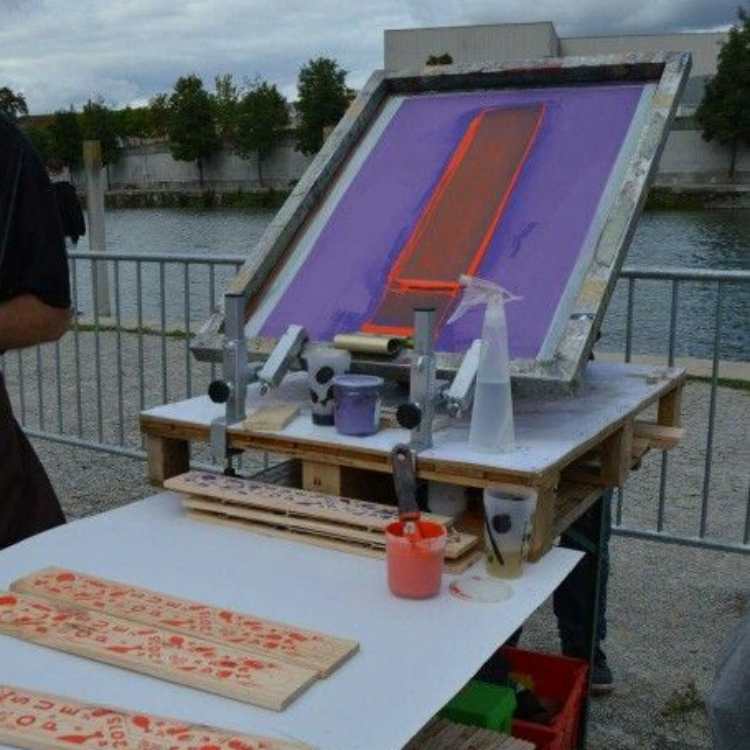
それがプラスチゾルインクの最大の強みです!水性インクとは異なり、室温では乾燥しません。休憩を取ったり、翌日まで放置しても、印刷できる状態を保っています。.
Q4. プリントのひび割れを防ぐにはどうすればよいですか?
インクが完全な「融点」に達していないために、ひび割れが発生します。上層だけが乾いていて下層が湿っている場合、シャツが伸びるとプリントにひび割れが生じます。レーザー温度計を使用して、インクの表面温度を確認してください。.
Q5. スポーツジャージに最適なインクは何ですか?
色移り防止加工を施した下地と、色落ちしにくい白色のユニフォームが必要です。この組み合わせにより、ジャージの染料が白い背番号を濁った灰色に変えるのを防ぐことができます。.
 EN
EN  DE
DE  ES
ES  PT
PT  JA
JA