
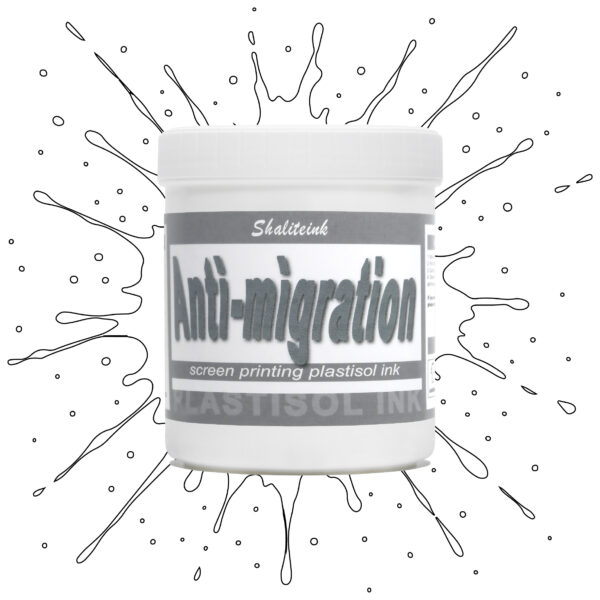
移行防止スクリーン印刷インクプラスチゾル
価格帯: $20.99 – $50.88
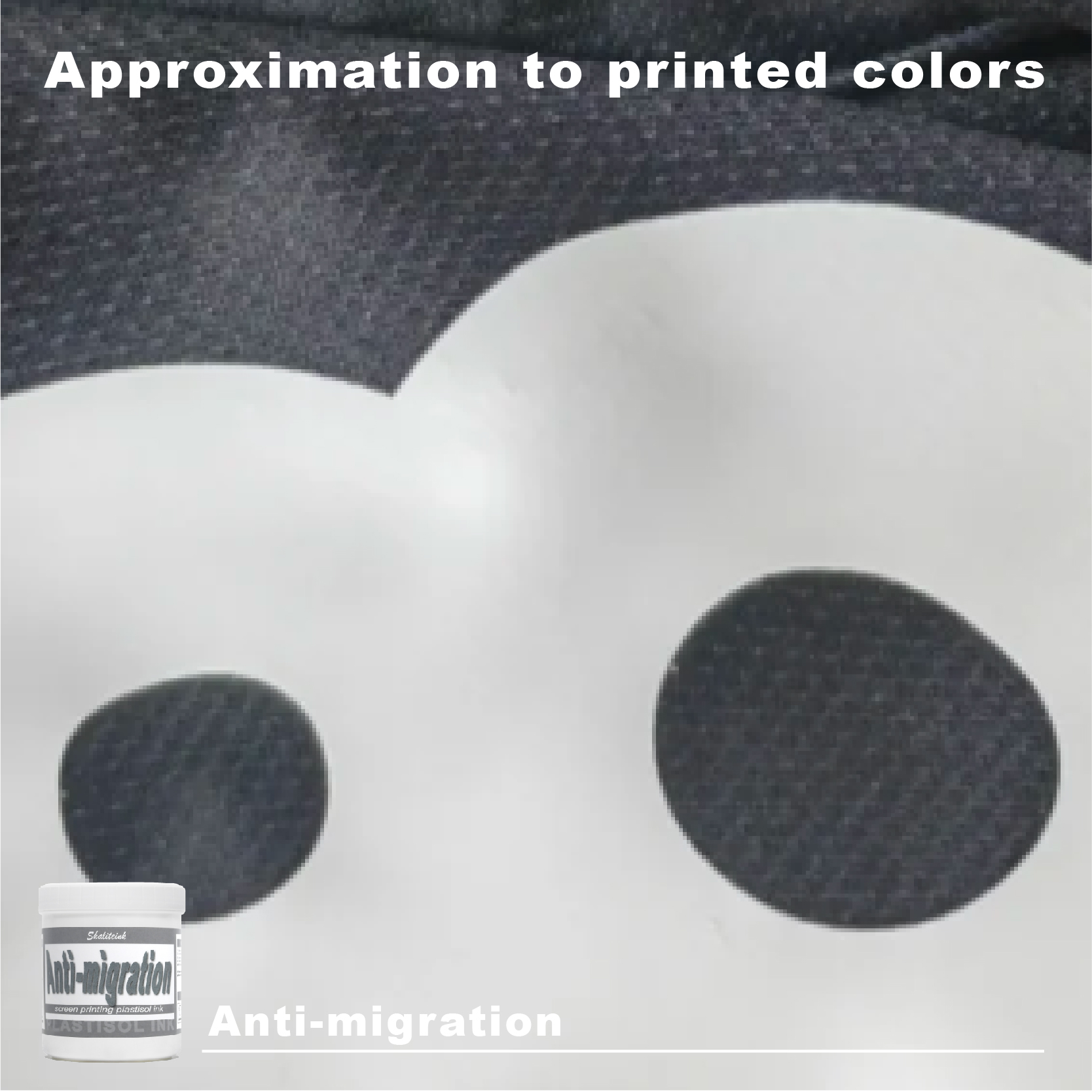
染料の移行によって、せっかくの鮮やかな白いロゴが濁ったピンク色になってしまうのを防いでください。100%ポリエステルや昇華プリントの高性能ウェアといった、厳しい環境下での使用を想定して開発されたShaliteinkのアンチマイグレーションスクリーン印刷インクプラスチゾルは、高密度のバリアとして機能し、生地のガスがトップコートに到達する前に捕捉します。特に、生地の温度が265°F(約130℃)に達すると始まる昇華プリントの「危険ゾーン」を回避するように設計されており、最も揮発性の高い生地でも、色褪せを防ぎ、不透明度をしっかりと維持します。.
難易度の高い昇華プリントの迷彩柄でも、標準的なスポーツジャージでも、このフォーミュラはプロ仕様のにじみ防止性能を提供し、お客様の評判と収益を守ります。滑らかで印刷しやすい質感で、十分な定着率を維持し、最大限のカバー力を実現します。パフォーマンスアパレルにおいて完璧を追求するあらゆるショップにとって、まさに究極の保険となるでしょう。.
ポリエステルに潜む幽霊:抗移行性プラスチゾルを用いた染料移行防止の極意
いいかい、私は君たちの中には生まれる前から報道関係者の一人としてこの業界にいるんだ。500枚の昇華プリントパーカーが「アークティックホワイト」から「プードルピンク」に一夜にして変色してしまい、大人の男たちが泣き出すのを見たことがある。これは業界版のホラー映画みたいなもので、その悪役は染料移行という厄介な現象なんだ。.
納品から3日後にクライアントから電話がかかってきて、ロゴの色が変わっているのはなぜかと聞かれたことがあるなら、胃がキリキリする感覚がわかるでしょう。でも今日、私たちはそんな状況に終止符を打ちます。ロゴの色合いにこだわり、それを生きがいとするスペシャリストとして、 プラスチゾルインク, そこで、私は業界の秘訣を皆さんと共有したいと思います。「危険地帯」の化学的性質から、デザインをケブラーベストのように保護する特殊なアンチマイグレーションスクリーン印刷インク(プラスチゾル)まで、すべてお伝えします。.
1. 「にじみ」の科学:ポリエステルが気難しい理由
この問題を解決するには、物理学を理解する必要があります。ポリエステルは分散染料で染色されます。生地を一定の温度(通常は華氏265度(摂氏130度)前後)まで加熱すると、染料が気化します。これが「昇華点」です。.
ガスはただ消えるのではなく、行き場を探します。貴社のプラスチゾルインク工場では、インクを硬化時に多孔質にするように設計しているため、ガスはインク層を通り抜けて上昇します。美しい白いインクはスポンジのように働き、生地から赤や青のガスを吸収します。シャツがコンベアの終端に到達する頃、あるいはさらに悪いことに、48時間後に顧客の箱に届く頃には、色の変化は完了しています。.
移住の閾値
| ファブリックコンポーネント | 移住リスク | 温度感度 |
|---|---|---|
| 100% コットン | ゼロ | 低温(320°Fまで安全) |
| 50/50ブレンド | 適度 | 中温(開始温度280°F) |
| 100% ポリエステル | 高い | 高温(開始温度265°F) |
| 昇華プリント迷彩柄 | 致命的 | 極限(250°Fから開始) |
2. 第一防衛線:専門的な下層基地
パフォーマンスウェアを扱う場合、ただ標準的な白いダウンを被せてあとは運任せにするだけではダメです。遮蔽物が必要です。.
私はいつも弟子たちに「銃撃戦にナイフを持っていくな」と言っています。昇華プリントの迷彩柄ジャージにプリントする場合は、グレーブロッカーインクまたはカーボンベースのバリアが必要です。これらのインクには、ガス分子が上色の部分に到達する前に物理的に捕捉する特殊な化学物質が含まれています。.
環境意識を保ちつつ性能を犠牲にしたくない方には、以下を強くお勧めします。 PVCフリープラスチゾルインク. 2026年には、技術が大幅に進歩し、PVCフリーのプラスチゾルインクショップのオプションであるホワイトPVCフリーNBスクリーン印刷インクは、従来の化学薬品と同等、あるいはそれ以上のにじみ耐性を提供します。.
3. 2026年に向けた包括的なツールキット
この業界で成功するには、インクの量が全てではありません。重要なのはシステムです。私が長年スクイージー(インク拭き)の仕事をしてきた経験に基づき、高生産性の店舗に必要な備品をご紹介します。.
Shaliteinkの「マストハブアイテム」
-
パフォーマンスウェア向け: 絶対に必要なのは、アンチマイグレーションスクリーン印刷インク(プラスチゾル)です。ポリエステルガスを遮断する上で、これは最高水準の製品です。.
-
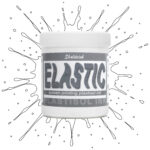
柔軟性のために: 伸縮性の高い生地には、アスリートの動きによってデザインがひび割れるのを防ぐために、伸縮性のあるスクリーン印刷用インクであるプラスチゾルが必要です。.
-
「エコ」な選択: ナイキやアディダスなど、厳格なRSL(制限物質リスト)要件を持つブランドと取引する場合は、フタル酸エステル不使用のプラスチゾルインクまたは環境に優しいスクリーン印刷インクを選択してください。.
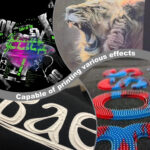
高度な特殊効果
顧客によっては、単なる平面印刷以上のものを求める場合があります。工夫次第で、ポリエステル素材でもそれを実現することは可能です。.
-
次元性: 立体感を出すには、高密度スクリーン印刷インク(プラスチゾル)を使用してください。.
-
触感: パフスクリーン印刷インクのプラスチゾルが再び流行していますが、フラッシュタイムには注意してください!
-
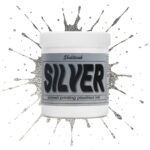
高級感あふれる仕上がり: 高級感を出すために、, メタリックスクリーン印刷インク 使用可能です。ただし、信頼できるメタリックインク専門店から入手するようにしてください。個人的には、完全な安全性を確保するため、ブロッカーベースよりもゴールドスクリーン印刷インク(プラスチゾル)またはシルバースクリーン印刷インク(プラスチゾル)を好んで使用しています。.
4. 「ブライ」メソッド:段階的な予防
もし私があなたの印刷会社向けに営業レターを書くとしたら、一つだけ強調したいことがあります。 信頼性。. すべてのシャツを傑作に仕上げる方法をご紹介します。.
ステップ1:基質の特定
タグを確認してください。「100% ポリエステル」または「吸湿発散性」と記載されている場合は、要注意です。「昇華プリント」の衣類(柄が生地に直接プリントされているもの)の場合は、最もリスクの高いカテゴリーに属します。.
ステップ2:障壁の選択
ほとんどのポリエステル混紡素材には、にじみの少ない高品質の白色スクリーン印刷用プラスチゾルインクで十分でしょう。しかし、より難溶性の素材の場合は、まずはアンチマイグレーションスクリーン印刷用プラスチゾルインクから始めるべきです。.
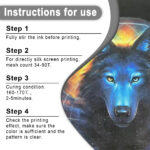
ステップ3:スクリーンメッシュと乳剤
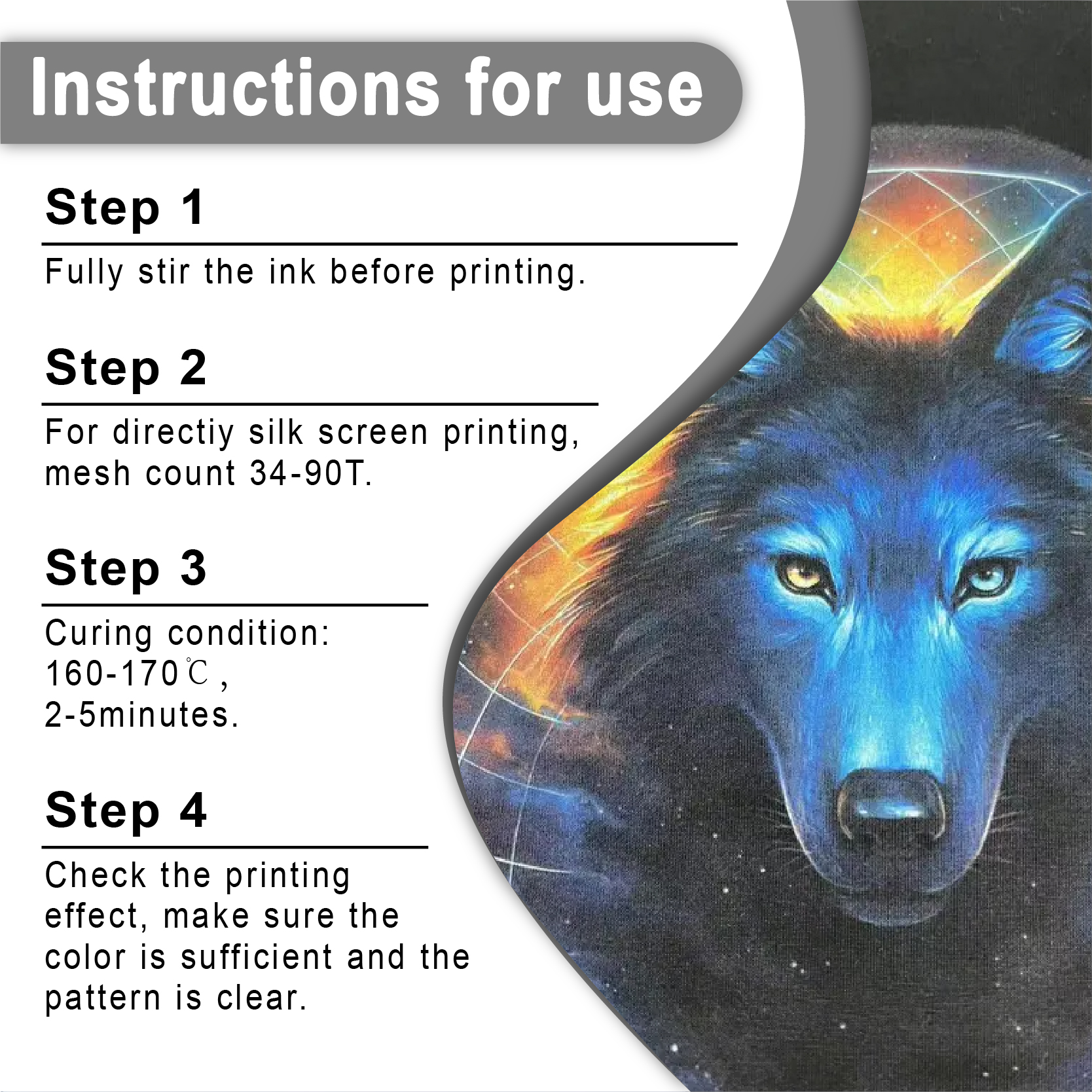
ブロッカーには細かいメッシュを使用しないでください。「厚めの塗布」が必要です。86~110メッシュをお勧めします。信頼できる写真乳剤サプライヤーから高品質のスクリーン印刷用乳剤を使用していることを確認してください。私はよく、ステンシルが厚いインクに耐えられるように、高密度感光性乳剤を使用しています。.
ステップ4:低硬化の秘密
90% のプリンターが失敗するのはここです。彼らは「昔からそうしてきたから」という理由で乾燥機を 320°F で運転しています。やめてください。2026 年、私たちは低硬化インクを使用します。次のような製品を使用することで シャライトインク プラスチゾルインク, 多くの場合、260°F~270°Fで完全硬化させることができます。これにより、生地の温度が「ガス発生」温度以下に保たれます。.
5. 技術仕様表:硬化とメッシュ
| インクカテゴリー | メッシュ数 | フラッシュ温度 | 硬化温度 | アンカーリンク |
|---|---|---|---|---|
| メタリック | 86~110 | 220°F | 300°F | 金と銀のスクリーン印刷インク |
| NBシリーズ | 110~156 | 200°F | 270°F | バイオレット PVCフリー NB スクリーン印刷インク |
| CMYK | 230~305 | 180°F | 320°F | プラスチゾールCMYKインク |
| ブロッカー | 86 | 190°F | 265°F | アンチマイグレーションスクリーン印刷インク(プラスチゾル) |
6.事例研究:「予熱」の落とし穴
以前、ポリエステルジャージの不良で週に14,000ドルの損失を出していた店のコンサルタントをしたことがありました。その店の「主任印刷担当者」は、シャツを乾燥機にかけることを主張していました。 前に 印刷して「縮小する」。“
間違い! マイク・ウケナ氏のような業界ベテランの研究によると、予熱は実際には染料分子を「励起」させ、インク塗布後に染料が移動しやすくなるという。そこで、低硬化触媒を提供する専用のプラスチゾルインク供給業者から、標準的なプラスチゾルスクリーン印刷インクのワークフローに切り替えたところ、染料の移動はすぐに止まった。.
7. トラブルシューティング:なぜ私の白いものがピンク色になるのですか?
色の変化が見られた場合は、次の3つの質問を自問してみてください。
-
私のインクは華氏320度に達したのでしょうか? もしそうなら、おそらく布地の染料の昇華を引き起こしてしまったのでしょう。.
-
インクの定着が薄すぎるのでしょうか? 薄い層の白色PVCフリーNBスクリーン印刷インクは、厚い層よりもガスが浸透しやすい。.
-
ブロッカーを使いましたか? 100%ポリエステル生地の場合、「低滲み」の白色インクでは不十分な場合が多いです。アンチマイグレーションスクリーン印刷インク(プラスチゾル)が必要です。.
8. 武器の調達
初心者の方は、5ガロンのバケツを買う必要はありません。まずはスクリーン印刷インクキット、または初心者向けスクリーン印刷キットから始めましょう。これなら、鮮やかなブライトブルーのPVCフリーNBスクリーン印刷インクやレモンイエローのPVCフリーNBスクリーン印刷インクなど、さまざまな色を大きな投資をすることなく試すことができます。.
大量生産を行う印刷会社にとって、プラスチゾルインクの卸売は、利益率を健全に保つ唯一の方法です。エクストラブラックのスクリーン印刷用プラスチゾルインクが必要な場合でも、4色印刷用の特定のプロセスイエローのスクリーン印刷用プラスチゾルインクが必要な場合でも、Shaliteinkのようなスクリーン印刷用インクの直接メーカーから調達することで、品質の一貫性を確保できます。.
よくある質問(FAQ)
Q1:100%コットンにアンチマイグレーションインクを使用できますか?
技術的には可能ですが、お金の無駄です。綿はインクが移行しません。コストを節約するには、綿用の標準的なプラスチゾルスクリーン印刷インクを使用してください。.
Q2:「低出血」と「抗移行」の違いは何ですか?
“「ローブリード」はレインジャケットのようなもので、小雨程度なら対応できます(50/50混紡)。「アンチマイグレーション」はダイビングスーツのようなもので、100%ポリエステルの「ガス」に完全に浸かることを想定して設計されています。.
Q3:PVCフリーインクは印刷が難しいですか?
以前はそうでしたが、現代のPVCフリープラスチゾルインクは非常に滑らかです。アパレルショップ向けのPVCフリープラスチゾルインク「ブライトブルー」を見てください。従来のインクと同じくらい滑らかに印刷できます。.
Q4:インクが本当ににじみにくいかどうかをテストするにはどうすればよいですか?
「クロックテスト」または「過剰硬化テスト」。サンプルを印刷し、硬化させた後、300°F(約150℃)のヒートプレスで30秒間加熱します。そこでピンク色になった場合は、箱に入れても確実にピンク色になります。.
Q5:ブロッカーベースに色を混ぜて使うことはできますか?
一般的には、いいえ。ブロッカーベース(灰色のものなど)は 下 お好みの色にしてください。蛍光オレンジのスクリーン印刷用プラスチゾルインクをグレーのブロッカーに混ぜると、濁った色になってしまいます。.
報道陣からの最終的な感想
結局のところ、シルクスクリーン印刷は、芸術、化学、そして運の要素が混ざり合ったものです。しかし、適切なアンチマイグレーション・スクリーン印刷インク(プラスチゾル)を使えば、運の要素を排除できます。.
染料のにじみでお店が悩まされるのは避けましょう。高品質のスクリーン印刷用インクを卸売業者から購入し、乾燥機の温度に注意し、そして必ず、必ず、1,000枚すべてを印刷する前にテスト印刷を行いましょう。そうすれば、あなたの評判(そしてあなたの精神衛生)がきっと感謝するでしょう。.
さあ、外に出て何か素敵なものをプリントしてみましょう。もしそれがポリエステル素材なら…まあ、どうすればいいかはお分かりですよね。.
| サイズ |
8オンス ,16オンス ,32オンス |
|---|
Anti-migration Screen Printing Ink Plastisol に対するレビュー5件
フィルターをクリア以前にこの商品を購入したことのあるログイン済みのユーザーのみレビューを残すことができます。
関連商品
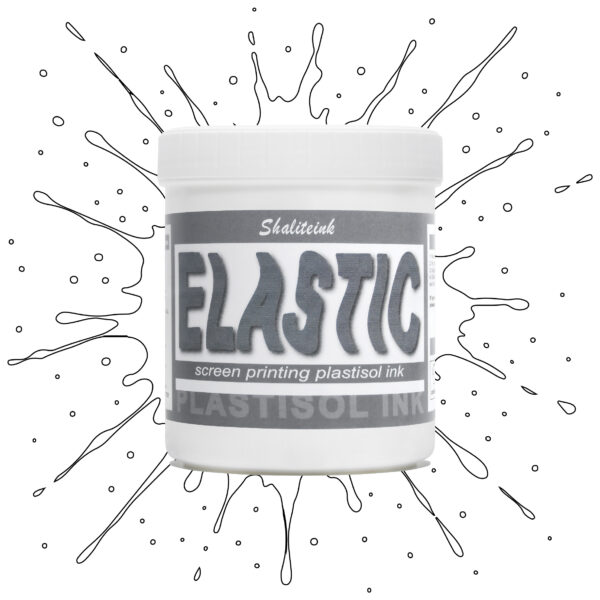
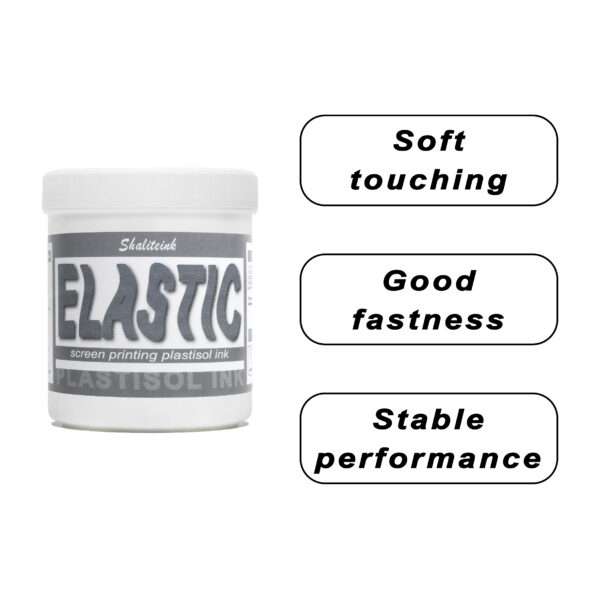
弾性スクリーン印刷インクプラスチゾル
顧客がウェアを引っ張った瞬間に破れてしまうような「硬い」プリントで妥協するのはやめましょう。高価なレギンスのロゴが割れてしまうほど、店の評判を落とすものはありません。パフォーマンスウェアに標準的なインクを使用しているなら、その苦労は既にご存知でしょう。. シャライトインクのエラスティックプラスチゾルインク この製品は、そんな悩みを完全に解消するために開発されました。生地の上にただ乗るだけではなく、まるで第二の皮膚のように伸縮し、最大200%まで伸び、ひび割れ一つなく元の状態に戻ります。スパンデックス、ライクラ、そして「硬さ」が許されない扱いの難しいポリエステル混紡素材へのプリントに最適な、まさに秘密兵器です。.
印刷機にかけた瞬間に違いがわかるでしょう。このインクはメッシュをスムーズに通過し、毎回「スクワットテスト」に耐える柔らかくゴムのような仕上がりになります。地元のマラソン大会用のジャージを大量生産する場合でも、ブティックブランド向けのカスタムヨガウェアを生産する場合でも、この高伸長性フォーミュラは、ジムでのトレーニングや洗濯を繰り返してもデザインが鮮やかで劣化しないことを保証します。お客様がシャツを伸ばすたびに祈る必要はもうありません。 シャライトインク エラスティックインク そして、あなたの作品はそれを身に着けるアスリートたちと同じくらいタフだという自信を持って、印刷を始めましょう。.
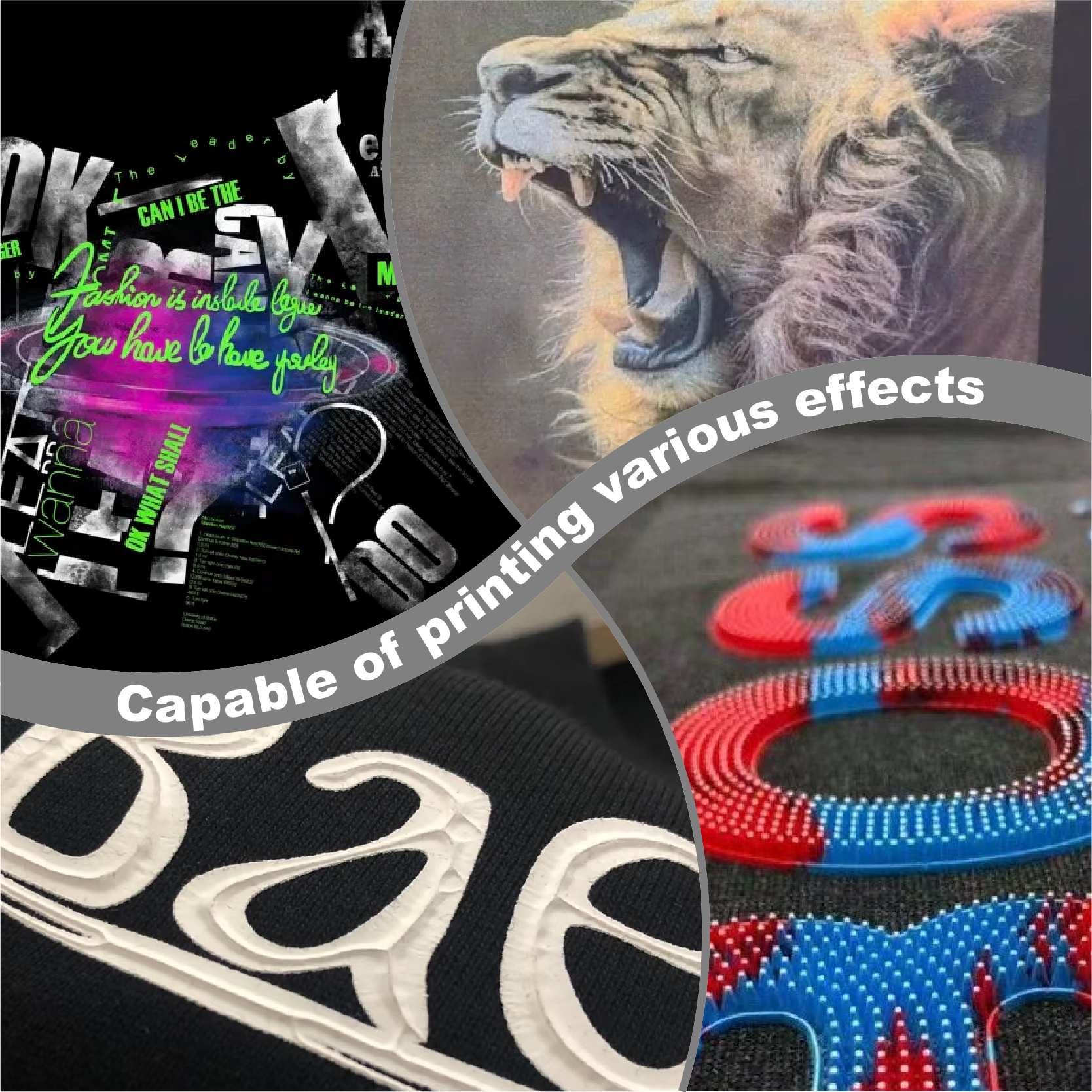
高密度スクリーン印刷インクプラスチゾル
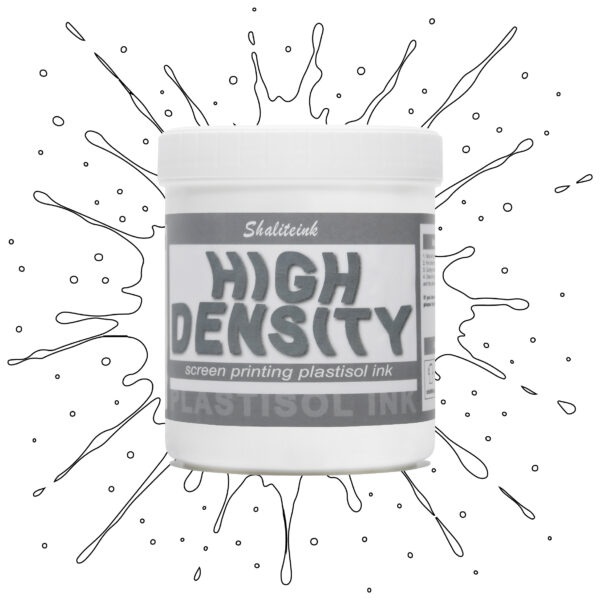
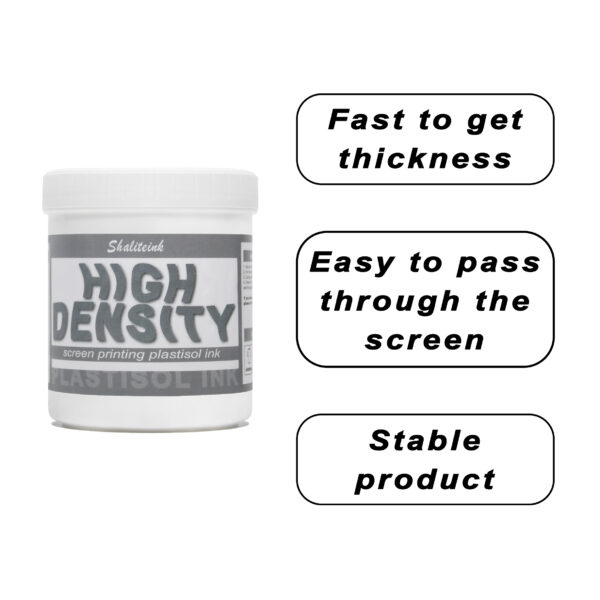
見てください、もし最近プリントが少し平坦に感じられるなら、こうすれば直せます。 高密度プラスチゾル この素材は、ストリートウェアを本格的に見せる、シャープで立体的な「レンガ」のような質感を実現するために特別に開発されました。粘度が非常に高く、サラサラとした液体というよりは、むしろ濃いパテのような質感なので、垂れ下がったり、エッジが失われることなく、高く積み上げることができます。デザインには、光を反射する、くっきりとした垂直の壁面が生まれます。シンプルな$10のTシャツを、高級ブティックに並ぶようなアイテムに変身させる最も簡単な方法です。.
高さだけが重要なのではなく、仕上がりが重要なのです。この素材は非常に不透明で、何度洗ってもひび割れたり剥がれたりしません。手動印刷機でも大型自動印刷機でも、オフコンタクトを適切に調整すればスクリーンから完璧に剥がれます。実際に人々に見せたいなら 感じる 彼らが衣服に触れたとき、あなたの仕事の質、 高密度インク まさにあなたが使うべきものです。.
パフスクリーン印刷インクプラスチゾル
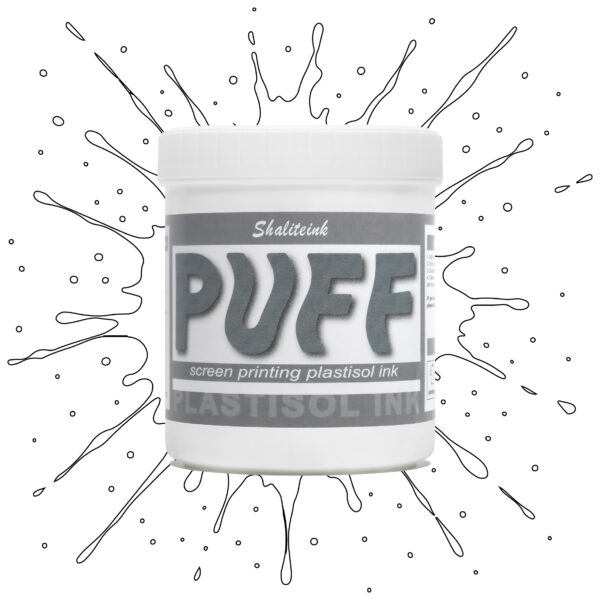
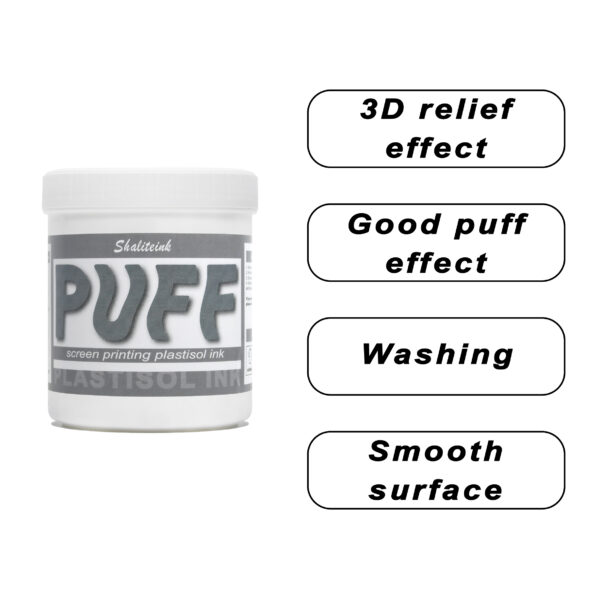
退屈で平坦なプリントに甘んじるのはやめて、デザインに真の「力強さ」を与えましょう。" Shaliteinkのパフスクリーン印刷インク(プラスチゾル) これは、高級ストリートウェアブティックで見られるような、あの象徴的な立体的な「盛り上がった」質感を生み出すための究極の秘密兵器です。通常のインクのように滑らかで平らに塗布できますが、乾燥機で160℃に達すると、お客様が思わず触れたくなるような、柔らかくふっくらとした傑作へと生まれ変わります。.
化学薬品による面倒な作業なしにプロフェッショナルな結果を求めるプリンター向けに設計されたこの製品は シャライトインク プラスチゾルインク フタル酸エステル不使用で、非常に扱いやすい素材です。86メッシュまたは110メッシュのスクリーンに通すだけで、ボリュームが最大になり、仕上がりの価値が飛躍的に向上します。カスタムパーカーでもブティックTシャツでも、当社のパフインクは、圧力や洗濯にも耐える、プレミアムで耐久性のある仕上がりを実現します。.
 EN
EN  DE
DE  ES
ES  PT
PT  JA
JA
ローラ・ワグナー –
Sehr グーテス Preis‑Leistungs‑Ver
ブライアン・クーパー –
ほとんどの場合、期待を上回りました。使いやすく、仕上がりも安定しています。使いやすく、仕上がりも安定しています。スムーズな塗布と確実なパフォーマンス
ベアトリス・ロシャ –
ユーザーと結果の一貫性を維持します。安全な情報を提供します。 Superou minhas 期待しています。優れた評価と迅速な取り組み。 Superou minhas 期待しています。安全な情報を提供します。 Superou minhas 期待しています。ユーザーと結果の一貫性を維持します。ファンシオナ・ムイット
アンナ・ノワク –
プゼクロチウォ・モジェ・オチェキワニア。.
ローラ・ワグナー –
Hat meine Erwartungen übertroffen。 Hochwertige Qualität und Schnelle Lieferung。アインファチェ・アンウェンドゥン u