
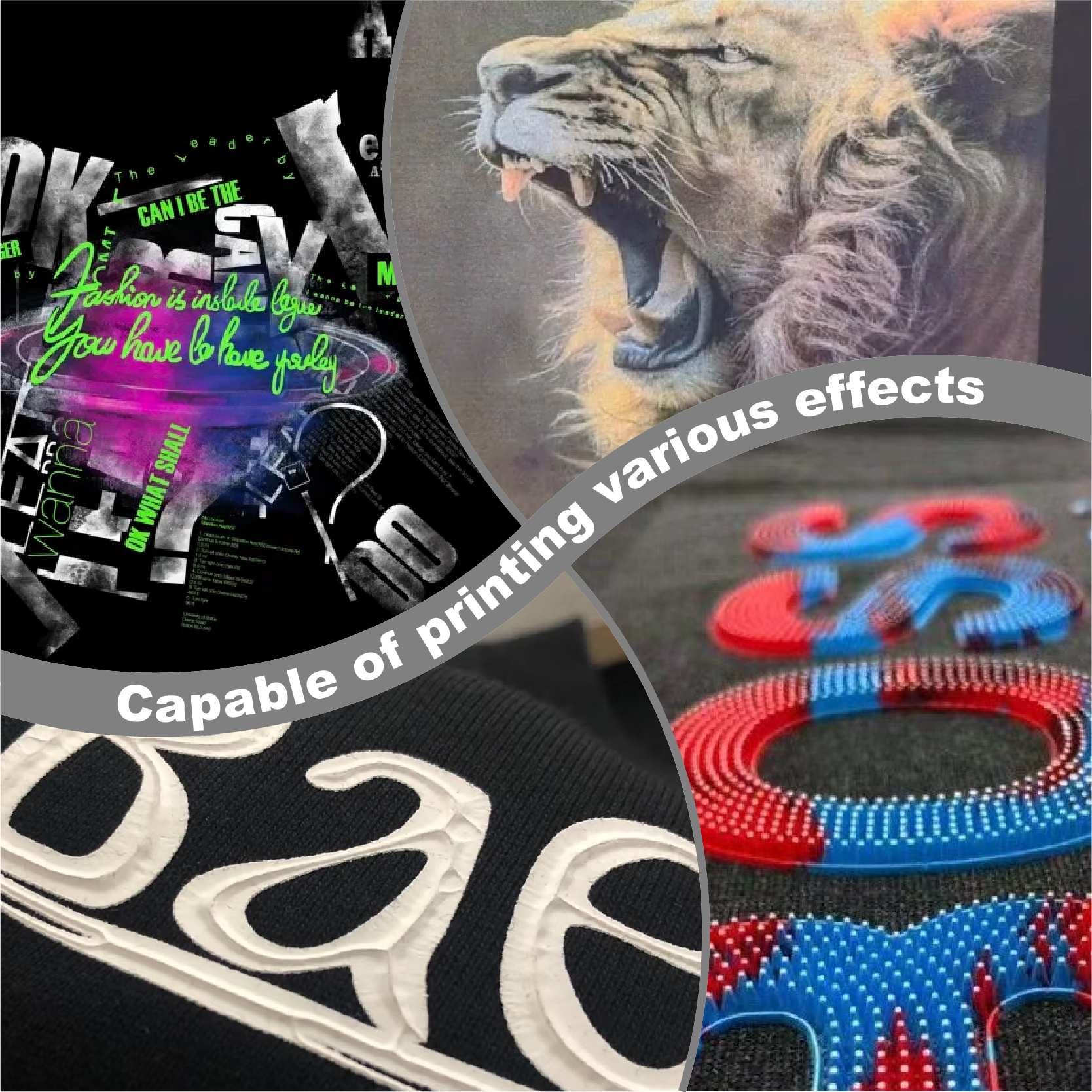
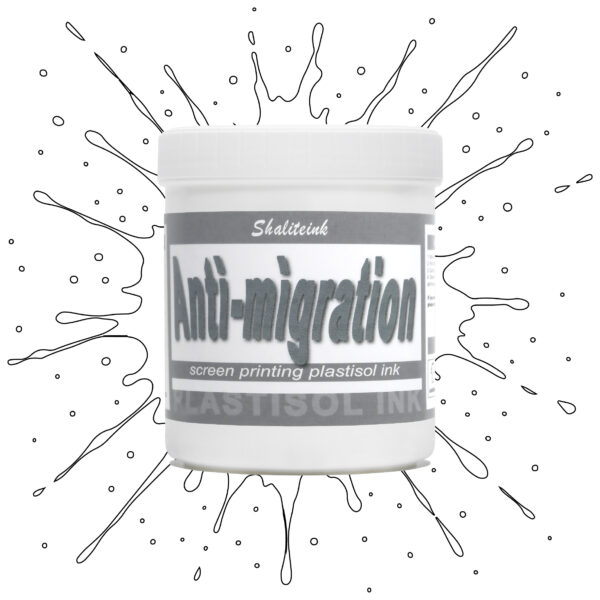
Tinta de serigrafia anti-migração Plastisol
Faixa de preço: $20.99 a $50.88
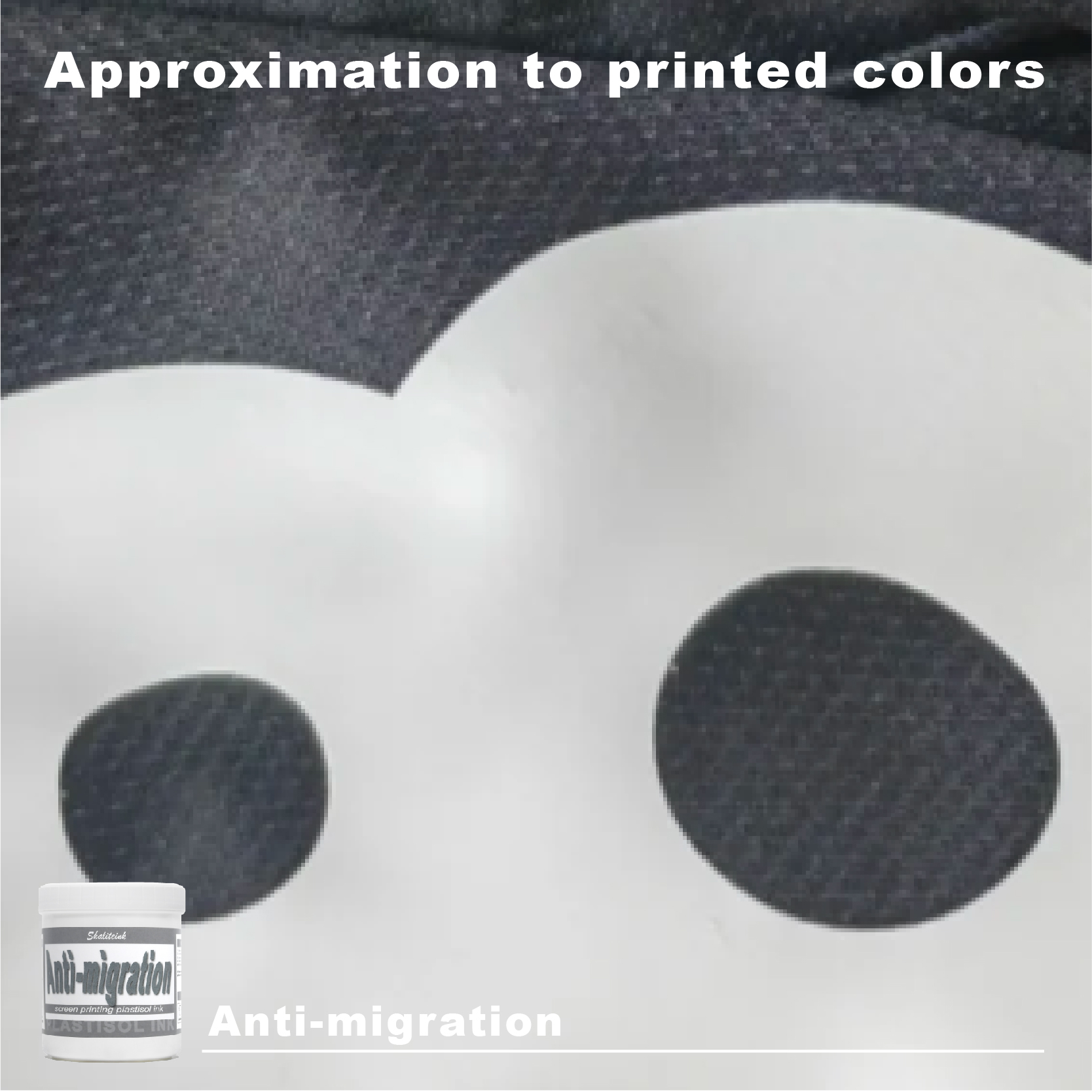
Pare de deixar a migração de corante transformar seus logotipos brancos e nítidos em um pesadelo rosa desbotado. Projetada para o exigente mundo do poliéster 100% e roupas de alta performance sublimadas, a tinta plastisol antimigração para serigrafia da Shaliteink age como uma barreira de alta densidade que retém os gases do tecido antes mesmo que eles atinjam a camada superior. Ela foi desenvolvida especificamente para contornar a "zona de perigo" da sublimação de corante — que normalmente começa quando a temperatura do tecido atinge 129°C — garantindo que suas cores permaneçam fiéis e a opacidade seja inabalável, mesmo nos tecidos mais sensíveis.
Seja para estampas camufladas sublimadas complexas ou para camisetas esportivas padrão, esta fórmula oferece a resistência ao sangramento de nível profissional necessária para proteger sua reputação e seus resultados financeiros. Ela proporciona uma consistência suave e fácil de imprimir, mantendo uma alta densidade de tinta para máxima cobertura, servindo como a garantia definitiva para qualquer empresa que se recusa a aceitar qualquer coisa menos que a perfeição em vestuário de alta performance.
O Fantasma no Poliéster: Uma Aula Magistral para Eliminar a Migração de Corantes com Plastisol Antimigração
Olha, eu trabalho na sala de imprensa há mais tempo do que alguns de vocês estão vivos. Já vi marmanjos chorando por causa de um lote de 500 moletons sublimados que mudaram de "Branco Ártico" para "Rosa Poodle" da noite para o dia. É a versão da indústria para um filme de terror, e o vilão é um processo sorrateiro chamado migração de corante.
Se você já recebeu uma ligação de um cliente três dias após a entrega, perguntando por que o logotipo está mudando de cor, sabe bem o que é essa sensação ruim. Mas hoje, vamos acabar com isso. Como especialistas que vivem e respiram... Tinta Plastisol, Vou compartilhar os segredos do ofício — da química da "zona de perigo" à tinta plastisol antimigração específica para serigrafia que age como um colete à prova de balas para seus designs.
1. A Ciência do "Sangramento": Por que o poliéster é uma diva
Para resolver o problema, é preciso entender a física. O poliéster é tingido com corantes dispersos. Quando o tecido é aquecido a uma determinada temperatura — geralmente em torno de 130 °C (265 °F) — esses corantes se transformam em gás. Esse é o "ponto de sublimação".
O gás não desaparece simplesmente; ele procura um lugar para ir. Como a sua loja de tinta plastisol projetou a tinta para ser porosa durante a cura, o gás atravessa a camada de tinta. Sua linda tinta branca age como uma esponja, absorvendo o gás vermelho ou azul do tecido. Quando a camiseta chega ao final da linha de produção, ou pior, 48 horas depois na caixa do cliente, a mudança de cor já está completa.
O Limiar de Migração
| Componente de tecido | Risco de migração | Sensibilidade à temperatura |
|---|---|---|
| Algodão 100% | Zero | Baixa (Segura a 320°F) |
| Misturas 50/50 | Moderado | Médio (Começa a 280°F) |
| Poliéster 100% | Alto | Alta (começa em 265°F) |
| Camuflagem sublimada | Crítico | Extremo (Começa a 250°F) |
2. Sua primeira linha de defesa: a base subterrânea especializada
Quando se trata de roupas de alta performance, você não pode simplesmente jogar uma camiseta branca comum por cima e esperar que tudo dê certo. Você precisa de uma barreira protetora.
Sempre digo aos meus aprendizes: "Não vá para uma guerra de armas com uma faca". Se você estiver imprimindo em uma camisa camuflada sublimada, precisará de uma tinta bloqueadora de cinza ou uma barreira à base de carbono. Essas tintas contêm substâncias químicas especiais que prendem fisicamente as moléculas de gás antes que elas atinjam as cores da sua estampa.
Para quem deseja manter uma postura ecologicamente consciente sem sacrificar o desempenho, recomendo fortemente que considere a seguinte opção: Tinta Plastisol sem PVC. Em 2026, a tecnologia avançou tanto que opções como a tinta plastisol sem PVC, disponível em lojas especializadas, como a tinta branca para serigrafia NB sem PVC, oferecem a mesma resistência ao sangramento, ou até melhor, que os produtos químicos tradicionais.
3. O Conjunto de Ferramentas Abrangente para 2026
O sucesso neste ramo não se resume a um balde de tinta; trata-se do sistema. Com base nos meus anos de experiência com rodo, aqui está o inventário essencial para uma gráfica de alto volume.
Os itens essenciais da Shaliteink
-
Para vestuário de alta performance: Você precisa absolutamente da tinta plastisol antimigração para serigrafia. É a melhor opção para bloquear gases em poliéster.
-
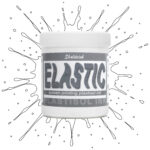
Para maior flexibilidade: Tecidos com alta elasticidade exigem tinta plastisol para serigrafia elástica para evitar que o desenho rache quando o atleta se movimenta.
-
A opção “ecológica”: Se você trabalha com marcas como Nike ou Adidas, que têm requisitos rigorosos de RSL (Lista de Substâncias Restritas), opte por tinta plastisol sem ftalatos ou tinta de serigrafia ecológica.
Efeitos Especiais Avançados
Às vezes, um cliente quer algo mais do que uma simples impressão plana. Mesmo assim, é possível conseguir esse resultado em poliéster, se você usar a criatividade.
-
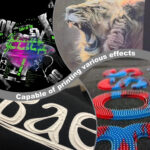
Dimensionalidade: Use tinta plastisol de alta densidade para serigrafia para obter aquele efeito 3D.
-
Sensação tátil: A tinta plastisol para serigrafia puff está de volta à moda, mas tenha cuidado com o tempo de secagem!
-
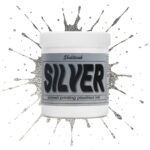
Acabamento de alta qualidade: Para um visual sofisticado, Tinta de serigrafia metálica Pode ser usado. Apenas certifique-se de comprar de uma loja de tintas metálicas de boa reputação. Pessoalmente, prefiro uma tinta plastisol dourada ou prateada para serigrafia em vez de uma base bloqueadora para total segurança.
4. O Método “Bly”: Prevenção passo a passo
Se eu estivesse escrevendo uma carta de vendas para sua gráfica, enfatizaria uma coisa: Confiabilidade. Eis como garantir que cada camisa seja uma obra-prima.
Etapa 1: Identificação do substrato
Verifique a etiqueta. Se estiver escrito “100% Poliéster” ou “Absorção de Umidade”, fique atento. Se for uma peça “sublimada” (onde a estampa é impressa diretamente no tecido), você está no grupo de maior risco.
Etapa 2: Selecionando a Barreira
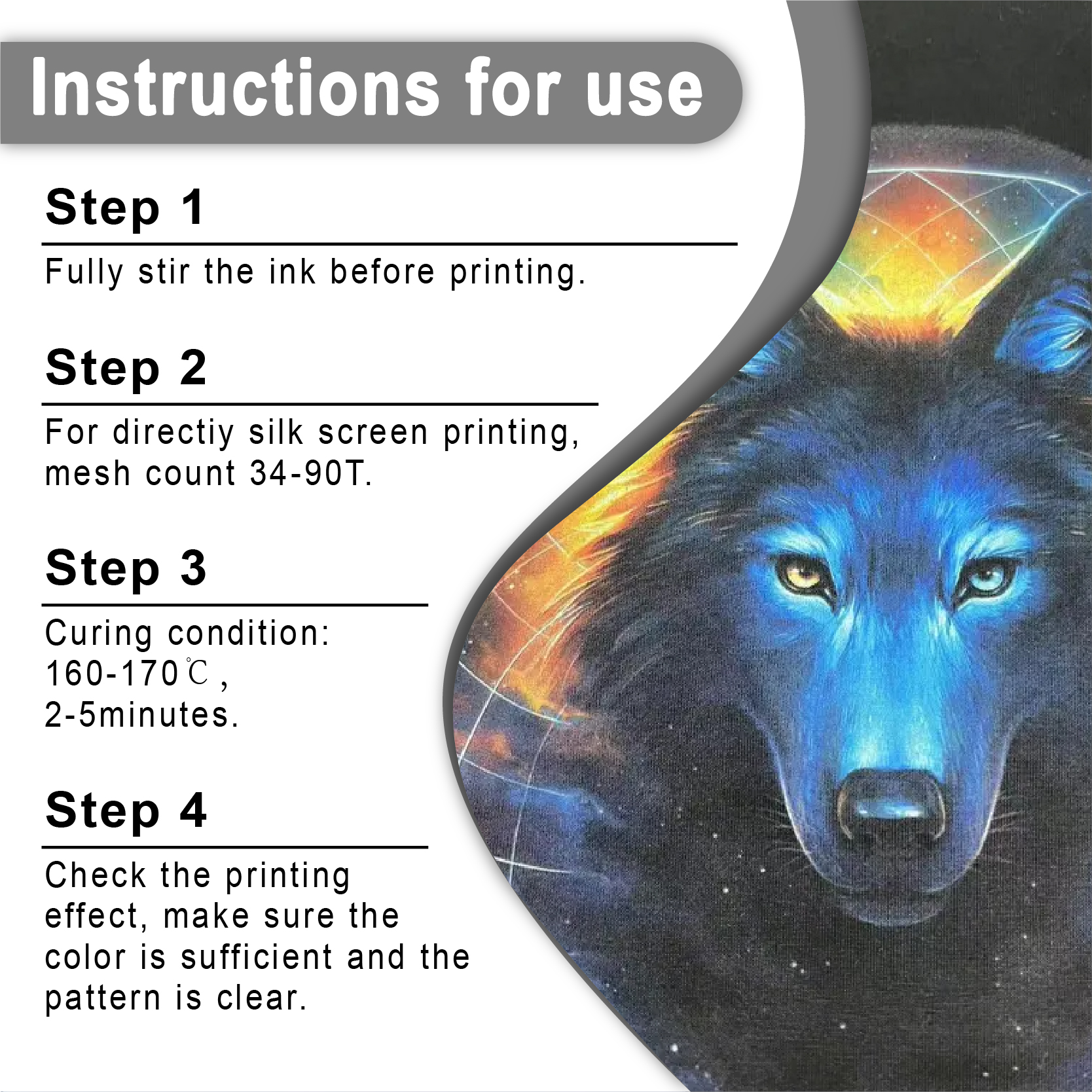
Para a maioria das misturas de poliéster, uma tinta plastisol branca de alta qualidade para serigrafia, com baixa tendência ao sangramento, pode ser suficiente. Mas para materiais mais resistentes, o ideal é começar com uma tinta plastisol antimigração para serigrafia.
Etapa 3: Tela de malha e emulsão
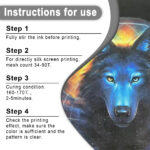
Não use uma tela fina para o seu bloqueador. Você precisa de uma "deposição espessa". Sugiro uma tela com contagem de 86 a 110 fios. Certifique-se de usar uma emulsão para serigrafia de alta qualidade de um fornecedor confiável de emulsões fotográficas. Minha escolha geralmente é uma emulsão fotossensível de alta densidade para garantir que o estêncil resista à tinta espessa.
Passo 4: O Segredo da Cura Suave
É aqui que a impressora 90% falha. Elas operam o secador a 160°C porque "sempre fizemos assim". Parem com isso. Em 2026, usaremos tintas de baixa temperatura de cura. Ao usar produtos como Tinta plastisol Shaliteink, você geralmente consegue uma cura completa a 260°F – 270°F. Isso mantém o tecido abaixo da temperatura de “liberação de gás”.
5. Tabela de Especificações Técnicas: Cura e Malha
| Categoria de tinta | Contagem de malha | Temperatura de flash | Temperatura de cura | Link de âncora |
|---|---|---|---|---|
| Metálico | 86 – 110 | 220°F | 300°F | Tinta para serigrafia dourada e prateada |
| Série NB | 110 – 156 | 200°F | 270°F | Tinta de serigrafia NB sem PVC violeta |
| CMYK | 230 – 305 | 180°F | 320°F | Tinta Plastisol CMYK |
| Bloqueador | 86 | 190°F | 265°F | Tinta plastisol antimigração para serigrafia |
6. Estudo de Caso: A Armadilha de “Pré-Aquecimento”
Certa vez, prestei consultoria para uma loja que estava perdendo £1.000 por semana em camisetas de poliéster estragadas. O "chefe da estamparia" insistia em colocar as camisetas na secadora. antes impressão para “encolhê-los”.”
Erro! De acordo com pesquisas de veteranos da indústria como Mike Ukena, o pré-aquecimento na verdade "excita" as moléculas de corante, tornando-as mais propensas a migrar após a aplicação da tinta. Mudamos o fluxo de trabalho para uma tinta serigráfica plastisol padrão, com um fornecedor especializado em tintas plastisol que nos forneceu um catalisador de baixa temperatura de cura. A migração cessou imediatamente.
7. Solução de problemas: Por que meu branco está rosa?
Se você notar uma mudança de cor, faça a si mesmo estas três perguntas:
-
A minha tinta atingiu 320°F? Se for esse o caso, você provavelmente provocou a sublimação da tinta do tecido.
-
A camada de tinta está muito fina? Uma camada fina de tinta serigráfica branca sem PVC permite a penetração de gases com mais facilidade do que uma camada espessa.
-
Eu usei algum bloqueador de anúncios? Em poliéster 100%, um branco com baixa dispersão de tinta geralmente não é suficiente. Você precisa da tinta plastisol antimigração para serigrafia.
8. Selecionando os fornecedores do seu arsenal
Se você está começando agora, não compre baldes de 20 litros. Comece com um kit de tinta para serigrafia ou um kit para iniciantes. Isso permite que você teste cores diferentes — como a tinta para serigrafia azul vibrante sem PVC ou a tinta para serigrafia amarelo limão sem PVC — sem um investimento muito grande.
Para gráficas de grande volume, a compra de tinta plastisol no atacado é a única maneira de manter margens de lucro saudáveis. Seja para tinta plastisol preta extra para serigrafia ou uma tinta plastisol amarela específica para trabalhos de quatro cores, comprar diretamente de um fabricante de tintas para serigrafia como a Shaliteink garante consistência.
Perguntas frequentes (FAQ)
P1: Posso usar tinta antimigração no algodão 100%?
Tecnicamente, sim, mas é um desperdício de dinheiro. O algodão não migra. Use uma tinta serigráfica plastisol padrão para algodão para economizar custos.
Q2: Qual a diferença entre “Baixo Sangramento” e “Antimigração”?
“"Low Bleed" é como uma jaqueta impermeável; aguenta uma garoa (misturas 50/50). "Anti-Migration" é como uma roupa de mergulho; foi projetada para imersão total no "gás" do poliéster 100%.
P3: A tinta sem PVC é mais difícil de imprimir?
Antigamente era assim. Mas a tinta plastisol moderna sem PVC é muito cremosa. Veja só a tinta plastisol azul brilhante sem PVC para lojas de vestuário — ela imprime tão suavemente quanto qualquer tinta tradicional.
Q4: Como posso testar se uma tinta é realmente resistente a borrões?
O “Teste de Cura” ou o “Teste de Cura Excessiva”. Imprima uma amostra, cure-a e, em seguida, coloque-a em uma prensa térmica a 150 °C por 30 segundos. Se ficar rosa lá, certamente ficará rosa na caixa.
Q5: Posso misturar cores com bases bloqueadoras?
Geralmente, não. As bases bloqueadoras (como as cinzentas) são feitas para serem sob Sua cor. Se você misturar tinta plastisol laranja fluorescente para serigrafia com um bloqueador cinza, o resultado será uma mistura indefinida e sem brilho.
Considerações finais da imprensa
No fim das contas, a serigrafia é parte arte, parte química e parte sorte. Mas com a tinta plastisol antimigração certa para serigrafia, você pode eliminar a sorte da equação.
Não deixe que a migração da tinta assombre sua oficina. Invista em suprimentos de tinta serigráfica de qualidade no atacado, fique atento à temperatura da sua secadora e sempre — sempre — faça um teste antes de imprimir as 1.000 peças. Sua reputação (e sua sanidade) agradecerão.
Agora, vá lá e imprima algo bonito. E se for poliéster… bem, você sabe o que fazer.
| Tamanho |
8 onças ,16 onças ,32 onças |
|---|
5 avaliações para Anti-migration Screen Printing Ink Plastisol
Limpar filtrosApenas clientes conectados que compraram este produto podem deixar uma avaliação.
Produtos relacionados
Tinta de Serigrafia Elástica Plastisol
Pare de se contentar com estampas "rígidas" que se rompem assim que o cliente veste a peça. Nada destrói a reputação de uma loja mais rápido do que um logotipo rachado em leggings caras, e se você já usou tinta comum em roupas esportivas, sabe bem o que é isso. Tinta plastisol elástica da Shaliteink Foi projetado para acabar de vez com essa dor de cabeça. Ele não apenas fica sobre o tecido; move-se como uma segunda pele, esticando até 200% e retornando à sua forma original sem uma única fissura. É a arma secreta absoluta para impressão em Spandex, Lycra e aquelas misturas de poliéster complicadas onde "rígido" simplesmente não é uma opção.
Você notará a diferença no momento em que a prensa for acionada — esta tinta penetra suavemente na malha e cura, resultando em um acabamento macio e emborrachado que resiste ao "teste do agachamento" todas as vezes. Seja para produzir camisetas para uma maratona local ou roupas de ioga personalizadas para uma marca boutique, esta fórmula de alta elasticidade garante que seus designs permaneçam vibrantes e intactos mesmo após inúmeras sessões de treino e lavagens. Pare de cruzar os dedos toda vez que um cliente estica a camiseta; mude para... Tinta elástica Shaliteink E comece a imprimir com a confiança de que seu trabalho é tão resistente quanto os atletas que o vestem.
Tinta de serigrafia de alta densidade Plastisol
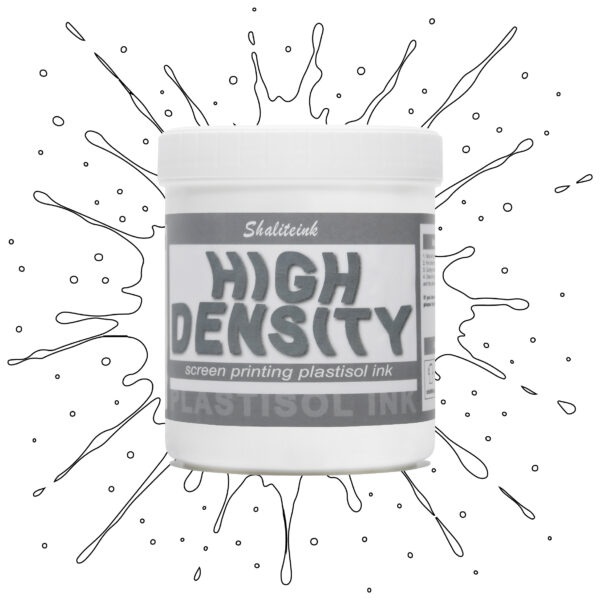
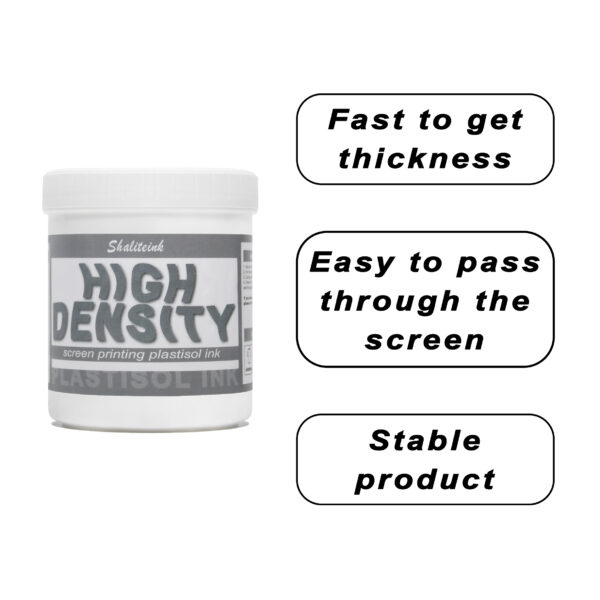
Olha, se suas impressões estão parecendo um pouco sem brilho ultimamente, é assim que você resolve isso. Nosso Plastisol de alta densidade É formulado especificamente para proporcionar aquela textura 3D nítida, tipo "tijolo", que dá um toque de sofisticação ao streetwear. Possui alta viscosidade — imagine algo mais parecido com massa de modelar espessa do que com um líquido fino — permitindo que se acumule em camadas sem deformar ou perder a nitidez. O resultado são paredes verticais definidas na sua estampa que captam a luz de forma incrível. É a maneira mais fácil de transformar uma camiseta básica $10 em algo com cara de peça de grife.
Não se trata apenas da altura, mas também do acabamento. Este material é extremamente opaco e resiste a inúmeras lavagens sem rachar ou descascar. Seja numa impressora manual ou numa grande impressora automática, ele se desprende perfeitamente da tela, desde que o ponto de contato esteja bem ajustado. Se você quer que as pessoas realmente... sentir a qualidade do seu trabalho quando eles tocam na peça de roupa, isso Tinta de alta densidade É exatamente o que você precisa usar.
Tinta para serigrafia puff plastisol
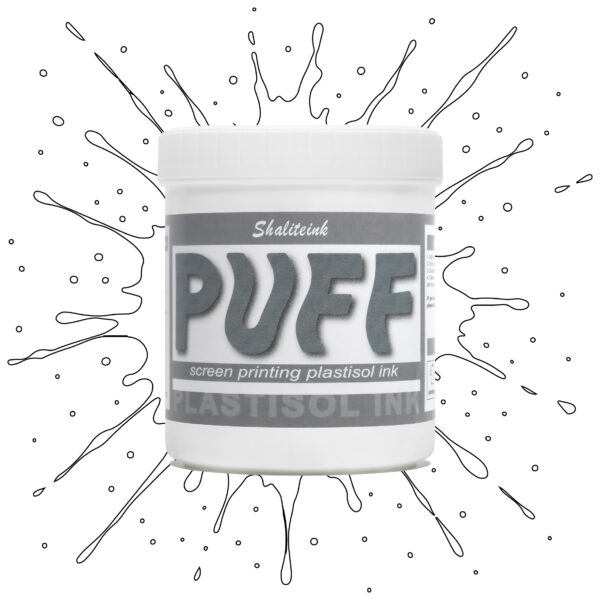
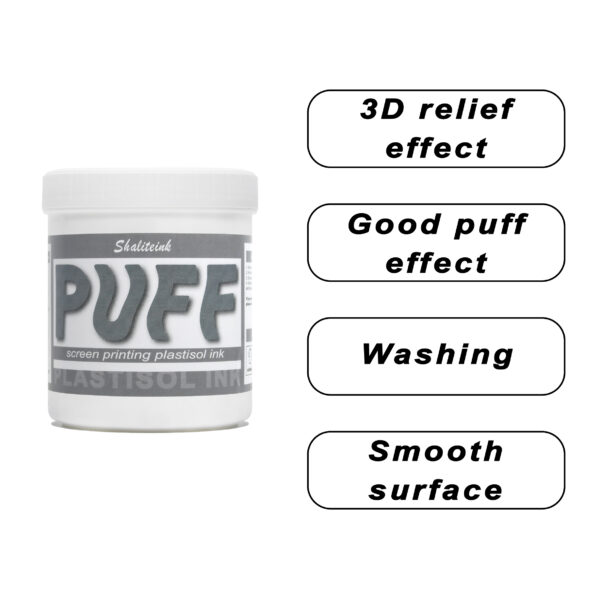
Pare de se contentar com estampas sem graça e sem personalidade e comece a dar mais "presença" aos seus designs." Tinta plastisol para serigrafia Puff da Shaliteink É a arma secreta definitiva para criar aquela textura icônica em 3D "em relevo" encontrada em boutiques de streetwear de alta qualidade. Ela se aplica de forma lisa e plana como uma tinta comum, mas no momento em que atinge 160°C na secadora, se transforma em uma obra-prima macia e aveludada que os clientes literalmente não conseguem parar de tocar.
Projetado para o impressor que exige resultados profissionais sem a dor de cabeça dos produtos químicos, este Tinta plastisol Shaliteink É livre de ftalatos e incrivelmente fácil de trabalhar. Basta passá-la por uma tela de 86 ou 110 mesh para obter o máximo volume e veja o valor percebido do seu produto disparar. Seja para um moletom personalizado ou uma camiseta de boutique, nossa tinta puff oferece um acabamento premium e durável que não racha sob pressão — nem na lavagem.
 EN
EN  DE
DE  ES
ES  PT
PT  JA
JA
Laura Wagner –
Sehr gutes Preis‑Leistungs‑Ver
Brian Cooper –
Superou minhas expectativas na maioria dos casos. Fácil de usar e com resultados consistentes. Aplicação suave e desempenho confiável.
Beatriz Rocha –
Fácil de usar e resultados consistentes. Aplicação suave e desempenho confiável. Superou minhas expectativas. Qualidade excelente e entrega rápida. Superou minhas expectativas. Aplicação suave e desempenho confiável. Superou minhas expectativas. Fácil de usar e resultados consistentes. Funciona muito
Anna Nowak –
Przekroczyło moje oczekiwania.
Laura Wagner –
Hat meine Erwartungen übertroffen. Alta qualidade e excelente qualidade. Einfache Anwendung você