
High-Density Screen Printing Ink Plastisol
价格范围:$20.99 至 $39.99
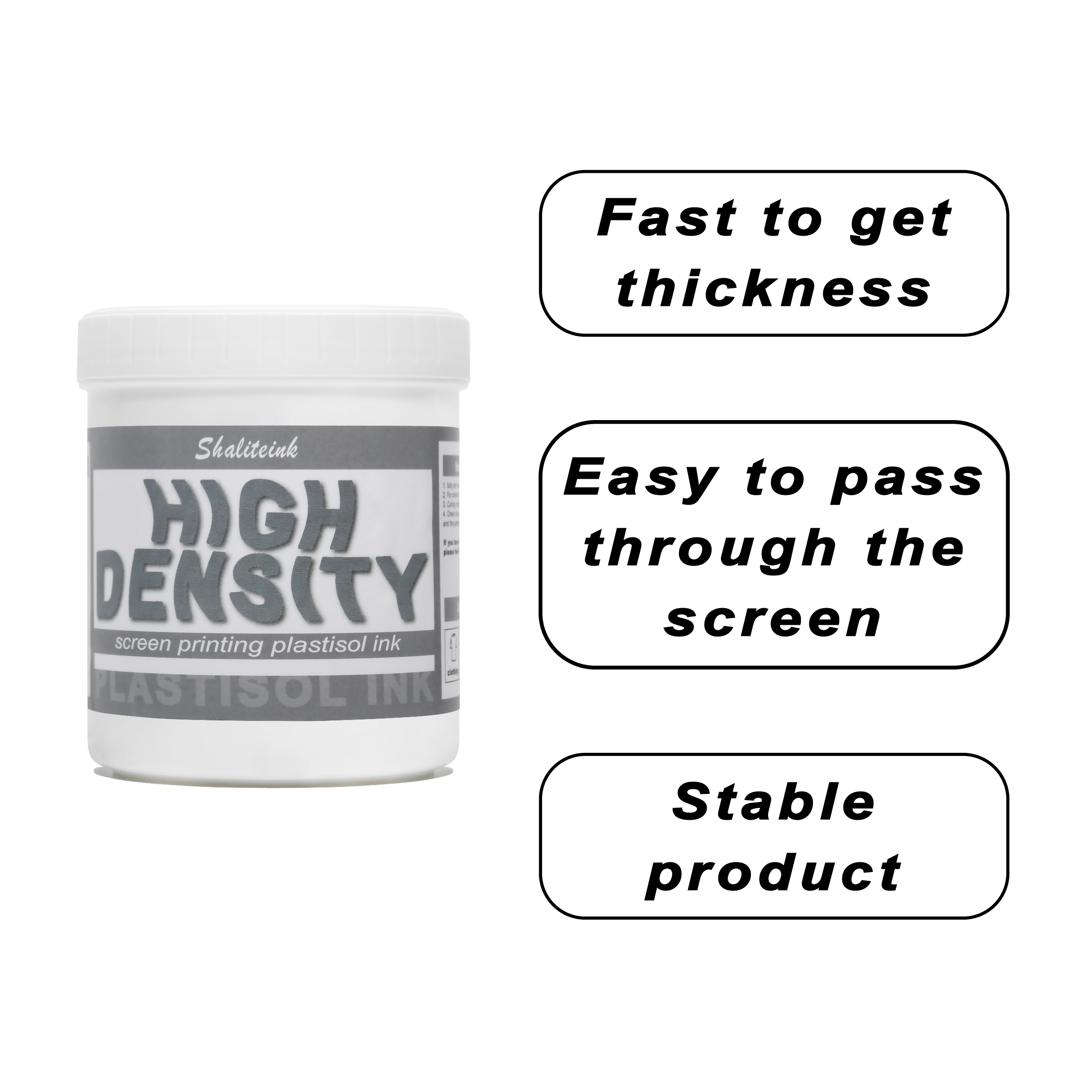
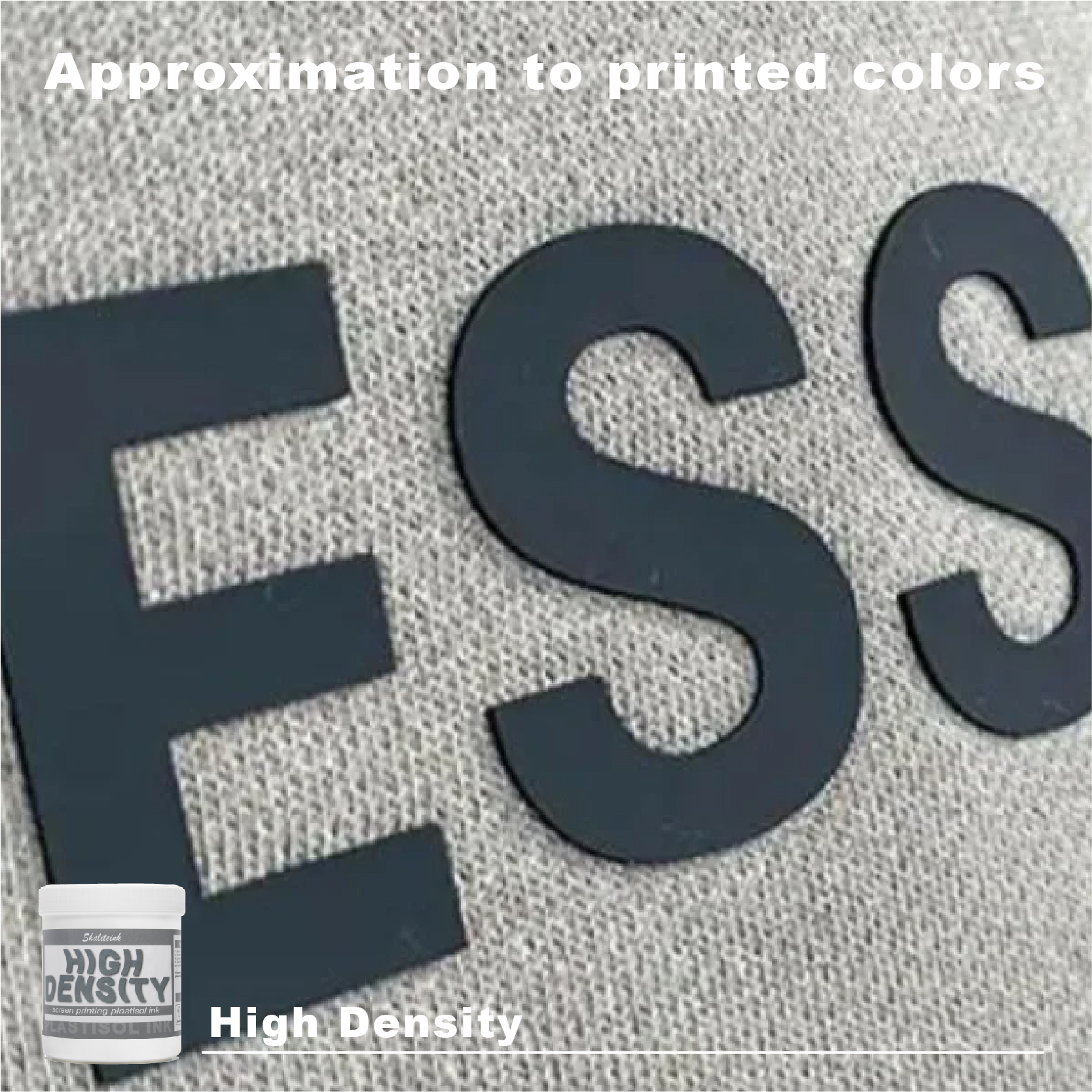
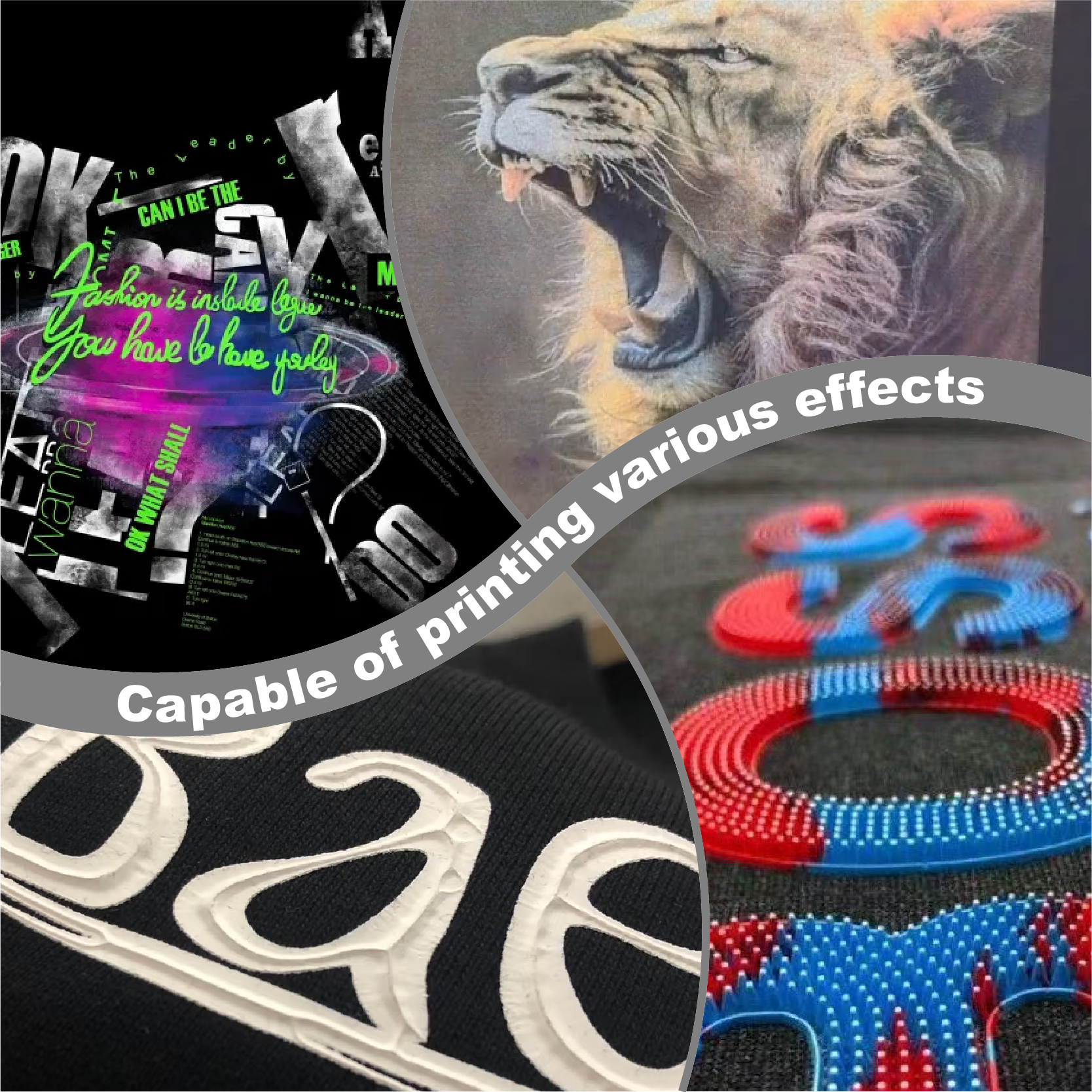
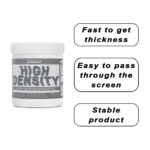
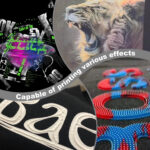
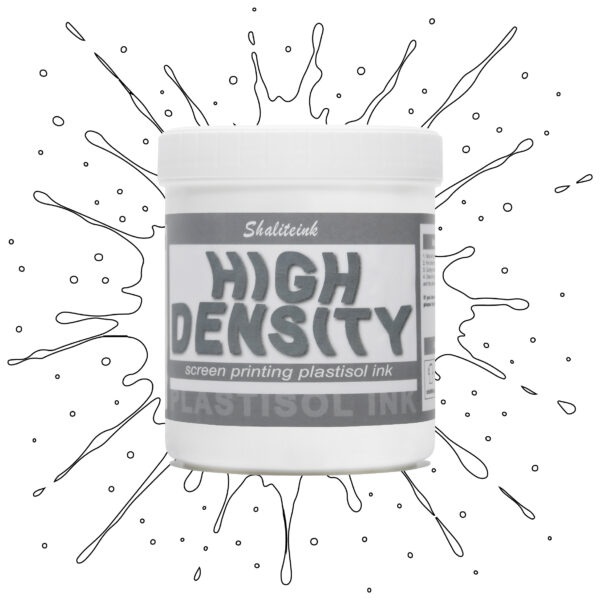
Look, if your prints are feeling a bit flat lately, this is how you fix it. Our High Density Plastisol is built specifically to give you that sharp, “brick” 3D texture that makes streetwear look legit. It’s got a really high viscosity—think of it more like thick putty than thin liquid—so it stacks up tall without slumping or losing its edge. You get these clean, vertical walls on your design that actually catch the light. It’s the easiest way to turn a basic $10 tee into something that looks like it belongs in a high-end boutique.
It isn’t just about the height, though; it’s about the finish. This stuff is opaque as hell and holds up through endless wash cycles without cracking or peeling off. Whether you’re printing on a manual press or a big auto-line, it shears off the screen perfectly as long as you’ve got your off-contact dialed in. If you want people to actually feel the quality of your work when they touch the garment, this High Density Ink is exactly what you need to be using.
The 3D Revolution: Why Your T-Shirts Look Flat and How High Density Plastisol Fixes That
I remember the first time I saw a shirt that didn’t just sit there. It literally jumped out at me. I was walking through a trade show in Long Beach and I saw a booth where every garment looked like it was made of LEGO bricks and soft rubber. No, it wasn’t a magic trick. It was High Density (HD) screen printing.
If you’re still printing flat, boring designs, you’re leaving money on the table. Your customers want texture. They want to touch the print. They want that premium feel that says “I paid $80 for this streetwear hoodie.” Today, I’m going to pull back the curtain on High Density Screen Printing Ink Plastisol and show you why it’s the secret weapon for any serious shop.
What on Earth is High Density Plastisol?
Let’s get the technical jargon out of the way. High density ink is essentially a super-viscous Plastisol Ink formulated to stand tall. Imagine normal ink as water and HD ink as thick, cold peanut butter. It doesn’t spread out; it stacks up.
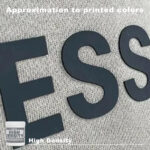
When you use Shaliteink Plastisol Ink, specifically the HD variety, you’re creating a “brick” effect. The edges stay sharp. The top stays flat. It creates a 3D silhouette that standard inks simply can’t achieve. If you try to stack regular ink that high, it just turns into a slumped, messy mountain of goo. HD ink has “short” body characteristics. That’s fancy talk for “it stays where you put it.”
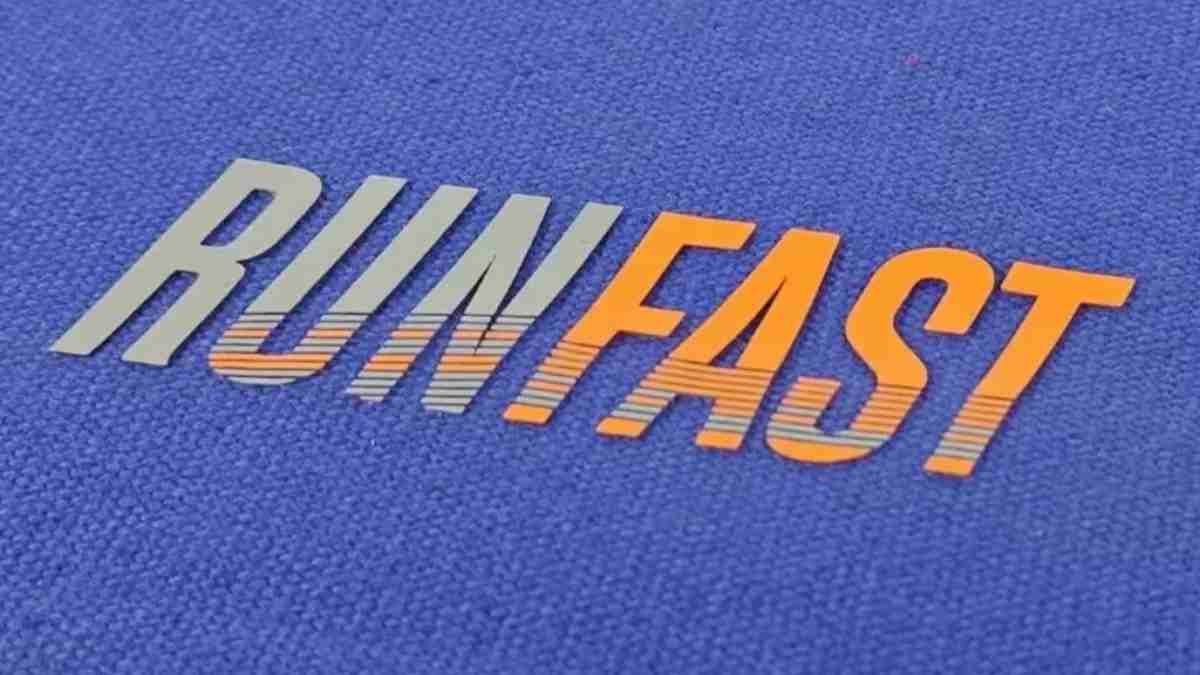
The Science of the Stack
Why does it work? It’s all about the rheology. Most Screen Printing Ink Shop options focus on “soft hand” (making the ink feel like nothing). HD does the opposite. It’s designed to have a high “yield value.” You need a certain amount of force to move it and once that force stops, the ink stops flowing immediately.
Why You Should Care (The Profit Angle)
I’ve been in this game a long time. Selling a standard white-ink-on-black-T-shirt is a race to the bottom. You’re competing on price and you’ll eventually lose to some guy in a garage who doesn’t know his overhead.
But when you offer Screenprinting Ink Special Effects, you’re an artist. You’re a consultant. You can charge 2x or 3x the price for an HD print because it looks “expensive.” Brands like Nike and Adidas have used this for years to justify their premium price points. According to industry reports from Grand View Research, the demand for specialty textile inks is growing at a CAGR of 4.5% because consumers are tired of fast fashion that looks cheap.
The Secret Sauce: It’s All in the Stencil
You can’t just throw HD ink on a standard screen and hope for the best. That’s a recipe for a bad Saturday. The real magic happens in the Photosensitive Emulsion stage.
To get that 3D look, you need a “bucket” for the ink to sit in. This means you need a thick stencil. We’re talking 200 to 400 microns thick. For context, a normal stencil is about 10-15 microns. You’re building a literal wall of emulsion.
How to Build a Mega-Stencil:
-
Choose the right mesh: You need something wide open. Use an 80 or 110 mesh.
-
Coat, dry, repeat: Use a High Density Photosensitive Emulsion. You might need to coat the “print side” of the screen 10 or 15 times.
-
The Drying Game: Dry the screen flat, print-side down. This lets gravity pull the emulsion to the side where it matters.
| Component | Standard Printing | High Density Printing |
| Mesh Count | 160 – 230 | 80 – 110 |
| Emulsion Thickness | 10 – 15 Microns | 200 – 400 Microns |
| Squeegee Durometer | 70 (Medium) | 70/90/70 (Triple Durometer) |
| Off-Contact | 1/16th inch | 1/8th inch or more |
The “Oops” Factor: Avoiding Common Mistakes
I’ve ruined more shirts than I care to admit. Learn from my pain. The biggest mistake with Plastisol Ink Wholesale HD printing is the “slump.”
If you heat the ink too fast during the “flash” process, the outside skins over but the inside stays liquid. It’s like a molten lava cake. If you then hit it with another color or press it, the “walls” of your 3D print will collapse.
Pro Tip: Use a “low and slow” approach. You want the heat to penetrate all the way through those 400 microns of ink. If you don’t cure it properly, the whole “brick” will peel off in the first wash. That’s a phone call from a client you don’t want to take.
Essential Gear for the HD Artist
If you’re going to do this right, you need the right supplies. Don’t try to “hack” it with cheap stuff.
-
The Ink: Get a dedicated High Density Screen Printing Ink Plastisol. It’s pre-thickened and ready for battle.
-
The Base: Sometimes I like to print a PVC Free Plastisol Ink White as a base layer if I’m working on dark polyester to prevent dye migration.
-
The Squeegee: Use a hard squeegee. You aren’t trying to push the ink into the fabric; you’re trying to shear it off the screen. A 80-durometer blade is your best friend here.
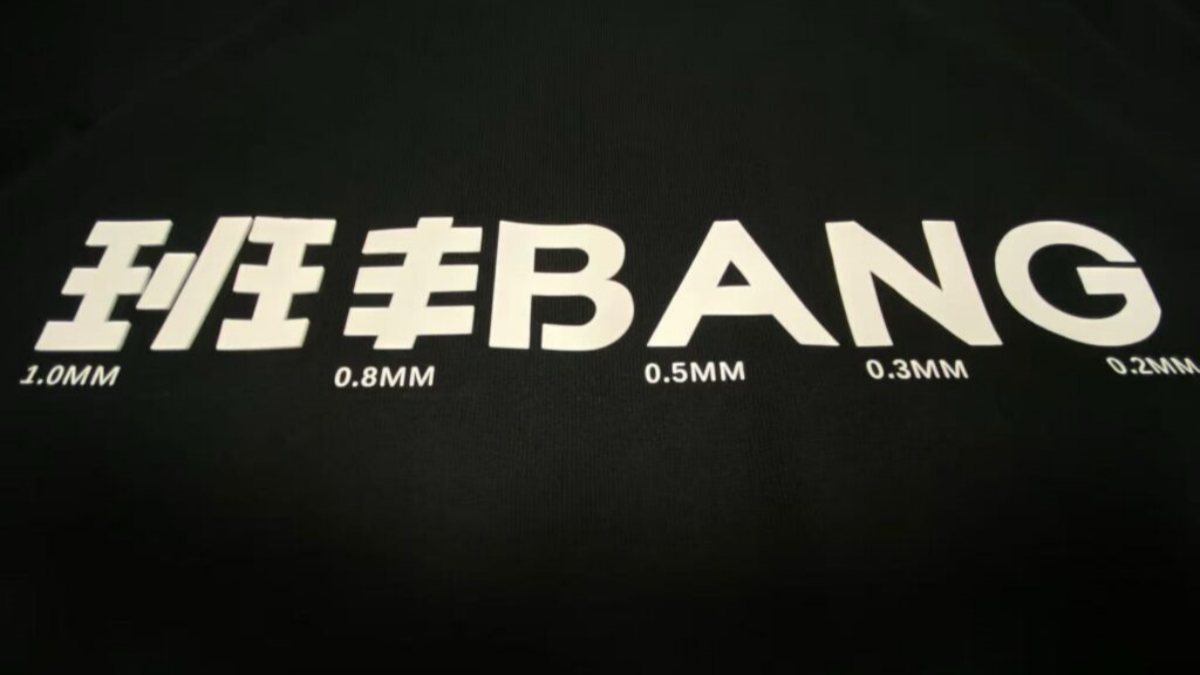
The Comparison: HD vs. Puff Ink
A lot of newbies confuse HD with Puff Screen Printing Ink Plastisol. They aren’t the same.
-
Puff Ink expands in the dryer. It looks rounded, like a marshmallow. It’s soft and often loses detail.
-
HD Ink is printed at its final height. It has sharp, 90-degree edges. It looks like a molded piece of plastic.
Step-by-Step: My Personal Workflow
I’ll walk you through a job I did last week for a local skate shop. They wanted a “concrete” look for their logo.
Step 1: Design. I kept the lines thick. HD printing doesn’t like tiny, hairline details. If the line is too thin, it doesn’t have enough surface area to stick to the shirt and it’ll pop off.
Step 2: Screen Prep. I used a 110 mesh and High Resolution Photosensitive Emulsion. I did a “round” of coating every 2 hours until the stencil was as thick as a credit card.
Step 3: Setup. I set the off-contact high. You need enough space so the screen snaps away from the ink immediately. If the screen sticks to the ink, it’ll pull the “brick” up and leave a textured, “hairy” surface. We want it smooth.
Step 4: The Print. One slow, heavy stroke. I let the ink flood the massive stencil cavity first. Then, boom—one pass.
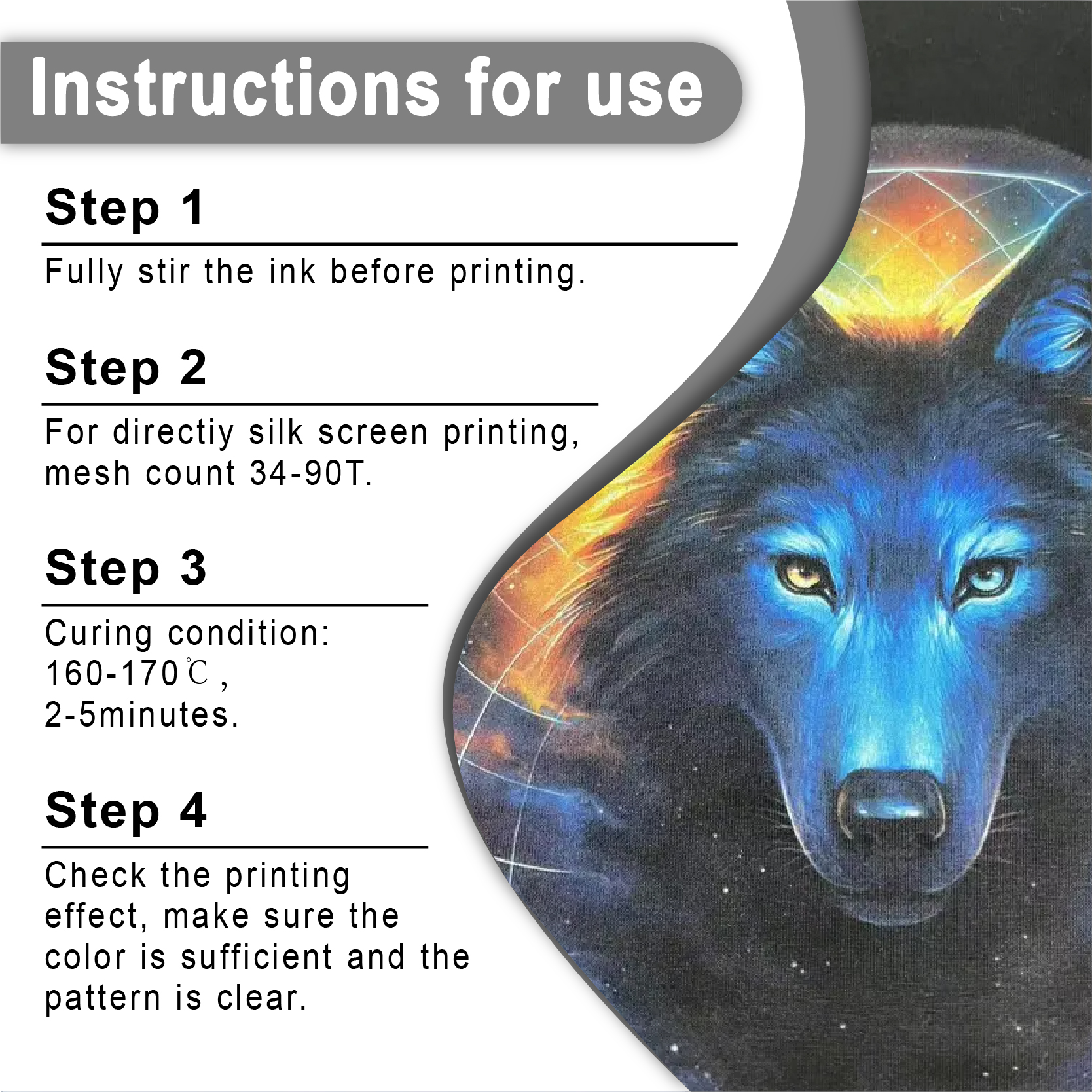
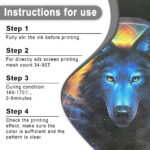
Step 5: Curing. This is the clincher. I ran the dryer at a slower belt speed. I used a laser thermometer to make sure the entire ink film hit 320°F (160°C).
Beyond White: Adding Color and Shine
Once you master the clear or white HD print, you can get creative. You can print a clear HD “brick” and then print a Metallic Screen Printing Ink on top of it.
The result? It looks like a solid piece of gold or silver is bolted onto the shirt. My personal favorite is using Silver Screen Printing Ink Plastisol over an HD base. It’s a head-turner.
The Environmental Shift
I should mention that many big-name brands now require Eco-Friendly Screen Printing Ink. If you’re pitching to high-end boutiques, mention that you use Phthalate Free Plastisol Ink. It shows you know your stuff and you care about the planet (and the wearer’s skin).
Data and Reliability: What the Numbers Say
Screen printing isn’t just art; it’s industrial engineering. According to a study by the Printing United Alliance, specialty prints like High Density can increase the perceived value of a garment by up to 40%.
| Metric | Impact of HD Printing |
| Perceived Value | +35-50% |
| Durability | High (when cured correctly) |
| Production Time | +20% (due to drying/coating) |
| Profit Margin | +60-80% |
FAQs: Everything You’re Afraid to Ask
1. Can I do HD printing on a manual press?
Yes, but it’s a workout. You need consistent pressure. If you’re doing a run of 100, your arms will feel it. Automatic presses are better for HD because they don’t get tired and the pressure is always the same.
2. Why is my HD print cracking?
Two reasons: under-curing or no elasticity. Make sure you hit the right temp. If you’re printing on stretchy gym clothes, add some Elastic Screen Printing Ink Plastisol to the mix.
3. Do I need a special dryer?
Not necessarily, but you need one with good airflow. Forced air dryers are much better for thick plastisol films than simple IR panels.
4. Can I mix colors into HD base?
Absolutely. Use Plastisol CMYK Ink pigments or standard plastisol colors. Just don’t add too much (more than 10-15%) or you’ll lose the “standing” property of the ink.
5. How do I clean up?
Same as any plastisol. Use a standard ink degradant. But remember, there’s a lot more ink on the screen than usual. Don’t waste it! Scrape it back into the bucket.
The Bottom Line
High Density printing is the “level up” you’ve been looking for. It separates the pros from the hobbyists. It takes patience and a bit of a learning curve, but the first time you pull a 3D-printed shirt off the dryer, you’ll know it was worth it.
If you’re looking to start, go check out the Screen Printing Starter Kit or grab a tub of High Density Screen Printing Ink Plastisol from Shaliteink. Stop printing flat. Start building bricks.
Your customers will love it and your bank account will too. Now, go coat some screens!
| Size |
8oz ,16oz ,32oz |
|---|
6 reviews for High-Density Screen Printing Ink Plastisol
Clear filtersOnly logged in customers who have purchased this product may leave a review.
Related products
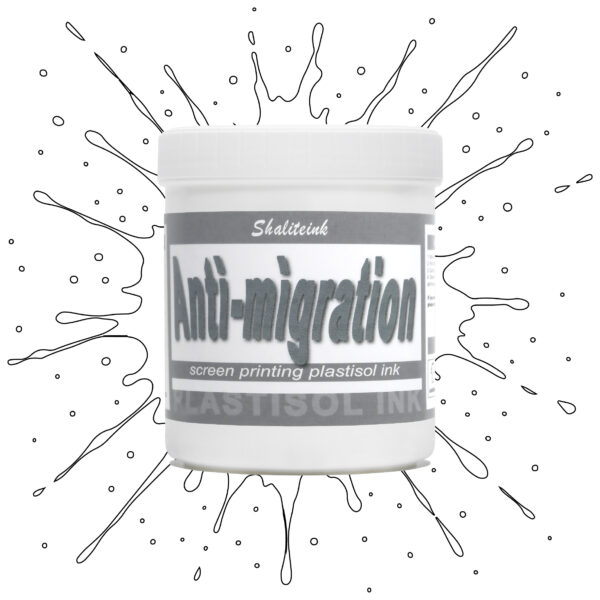
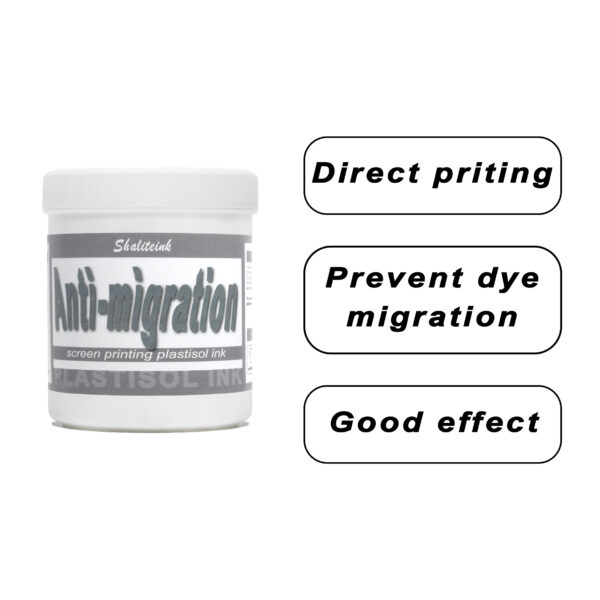
Anti-migration Screen Printing Ink Plastisol
Stop letting dye migration turn your crisp white logos into a muddy pink nightmare. Designed for the high-stakes world of 100% polyester and sublimated performance wear, Shaliteink’s Anti Migration Screen Printing Ink Plastisol acts as a high-density barrier that traps fabric gases before they can ever reach your top coat. It is specifically engineered to bypass the "danger zone" of dye sublimation—which typically begins once fabric temperatures hit 265°F—ensuring your colors stay true and your opacity stays rock-solid on even the most volatile fabrics.
Whether you are tackling tricky sublimated camo or standard athletic jerseys, this formula provides the professional-grade bleed resistance required to protect your reputation and your bottom line. It delivers a smooth, easy-to-print consistency that maintains a heavy deposit for maximum coverage, serving as the ultimate insurance policy for any shop that refuses to settle for anything less than perfection on performance apparel.
Elastic Screen Printing Ink Plastisol
Stop settling for "stiff" prints that snap the second a customer pulls on their gear. Nothing kills a shop’s reputation faster than a cracked logo on expensive leggings, and if you’ve been using standard ink on performance wear, you already know the struggle. Shaliteink’s Elastic Plastisol Ink is engineered to end that headache for good. It doesn't just sit on top of the fabric; it moves like a second skin, stretching up to 200% and snapping back without a single hairline fracture. It’s the absolute secret weapon for printing on Spandex, Lycra, and those tricky polyester blends where "rigid" just isn't an option.
You’ll notice the difference the moment you hit the press—this ink pulls through the mesh smoothly and cures into a soft, rubbery finish that survives the "squat test" every single time. Whether you’re cranking out jerseys for a local marathon or custom yoga wear for a boutique brand, this high-elongation formula ensures your designs stay vibrant and intact through endless gym sessions and wash cycles. Stop crossing your fingers every time a customer stretches their shirt; switch to Shaliteink Elastic Ink and start printing with the confidence that your work is as tough as the athletes wearing it.
Puff Screen Printing Ink Plastisol
Stop settling for boring, flat prints and start giving your designs some real "muscle." Shaliteink's Puff Screen Printing Ink Plastisol is the ultimate secret weapon for creating that iconic, 3D "raised" texture found in high-end streetwear boutiques. It lays down smooth and flat like a standard ink, but the moment it hits 320°F in your dryer, it blossoms into a soft, pillowy masterpiece that customers literally can't stop touching.
Engineered for the printer who demands professional results without the chemical headache, this Shaliteink Plastisol Ink is phthalate-free and incredibly forgiving to work with. Just pull it through an 86 or 110 mesh screen for maximum volume and watch your perceived value skyrocket. Whether you're hitting a custom hoodie or a boutique T-shirt run, our puff ink delivers a premium, durable finish that won't crack under pressure—or the wash.
 EN
EN  DE
DE  ES
ES  PT
PT  JA
JA
Olivia Harris –
Exceeded my expectations in most cases. Smooth application and reliable performance. Exceeded my expectations in most cases. Easy to use and consistent results. Works extremely well for my daily tasks. Very good value for the money. Works extremely well for my daily tasks. Very good value for the mo
Anna Schmidt –
Sehr gutes Preis‑Leistungs‑Verhältnis. Funktioniert sehr gut im Alltag. Funktioniert sehr gut im Alltag. Hochwertige Qualität und schnelle Lieferung. Einfache Anwendung und zuverlässige Leistung. Funktioniert sehr gut im Alltag. Leicht zu nutzen und konstante Ergebnisse. Einfache Anwendung und zuver
Maria Oliveira –
Qualidade excelente e entrega rápida. Ótimo custo‑benefício. Fácil de usar e resultados consistentes. Fácil de usar e resultados consistentes. Ótimo c
Pedro Souza –
Funciona muito bem no dia a dia. Superou minhas expectativas. Funciona muito bem no dia a dia. Funciona muito bem no dia a dia. Funciona muito bem no dia a dia. Ótimo custo‑benefício. Ótimo custo‑bene
Beatriz Rocha –
Superou minhas expectativas. Q
Jan Kowalski –
Trochę rozczarowujące. Chociaż jest wygodny i niezawodny w użyciu, rezultaty nie są tak dobre, jak się spodziewałem.