
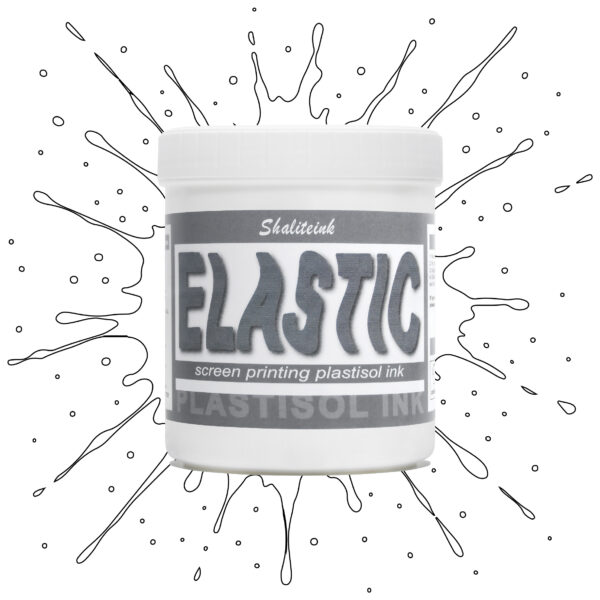
Elastic Screen Printing Ink Plastisol
价格范围:$21.90 至 $46.90
Stop settling for “stiff” prints that snap the second a customer pulls on their gear. Nothing kills a shop’s reputation faster than a cracked logo on expensive leggings, and if you’ve been using standard ink on performance wear, you already know the struggle. Shaliteink’s Elastic Plastisol Ink is engineered to end that headache for good. It doesn’t just sit on top of the fabric; it moves like a second skin, stretching up to 200% and snapping back without a single hairline fracture. It’s the absolute secret weapon for printing on Spandex, Lycra, and those tricky polyester blends where “rigid” just isn’t an option.
You’ll notice the difference the moment you hit the press—this ink pulls through the mesh smoothly and cures into a soft, rubbery finish that survives the “squat test” every single time. Whether you’re cranking out jerseys for a local marathon or custom yoga wear for a boutique brand, this high-elongation formula ensures your designs stay vibrant and intact through endless gym sessions and wash cycles. Stop crossing your fingers every time a customer stretches their shirt; switch to Shaliteink Elastic Ink and start printing with the confidence that your work is as tough as the athletes wearing it.
The “Stretch Test” Survival Guide: Why Your Prints Are Cracking and How Elastic Plastisol Ink Fixes It
My hands have been stained with every color of the rainbow for over twenty years now. I’ve lived through it all—the messy spills that ruin your favorite boots, the frantic midnight rush orders, and that gut-punch feeling when a regular brings back a stack of pricey yoga pants because the logo snapped during a single gym session.
It feels terrible yet it happens to the best of us. You put in the hours but the ink simply can’t keep up with the fabric.
Here is the cold truth. Standard ink works wonders for your everyday 100% cotton T-shirt but the game changes the moment you step into the world of Spandex and Lycra. High-performance polyesters demand something better. You need a layer of color that moves like a second skin and that is where Elastic Screen Printing Ink Plastisol saves your reputation.
In this guide I am pulling back the curtain on high-stretch printing. I’ll give you the hard-earned secrets from one printer to another without any “corporate speak” or fluff.
1. The Heartbreak of the “Cracked Logo”
Every printer has witnessed this tragedy. A design looks vibrant and perfect on a compression shirt while it sits on the drying rack. Then an athlete actually puts the shirt on. They pull the fabric to get it over their shoulders and suddenly pop. The ink shatters into a miniature version of the Grand Canyon right across the chest.
Why does this happen? Most Standard Plastisol Screen Printing Ink becomes a rigid sheet of plastic once it cures. That is fine for a stiff cotton shirt yet it is a disaster for leggings.
Think about it. That fabric is built to stretch 200% or more but your ink can only handle 20%. That math leads straight to a refund and a frustrated client.
I still remember my first big contract for a local CrossFit box. I tried to save a few bucks by using a cheap white ink I found on a clearance rack. That was a massive mistake. The gym owner called me two weeks later. He told me the shirts looked fifty years old already. I ended up reprinting 200 shirts out of my own pocket and that was the day I realized Plastisol Ink Wholesale isn’t a deal if the quality isn’t there.
2. What Exactly is Elastic Plastisol Ink?
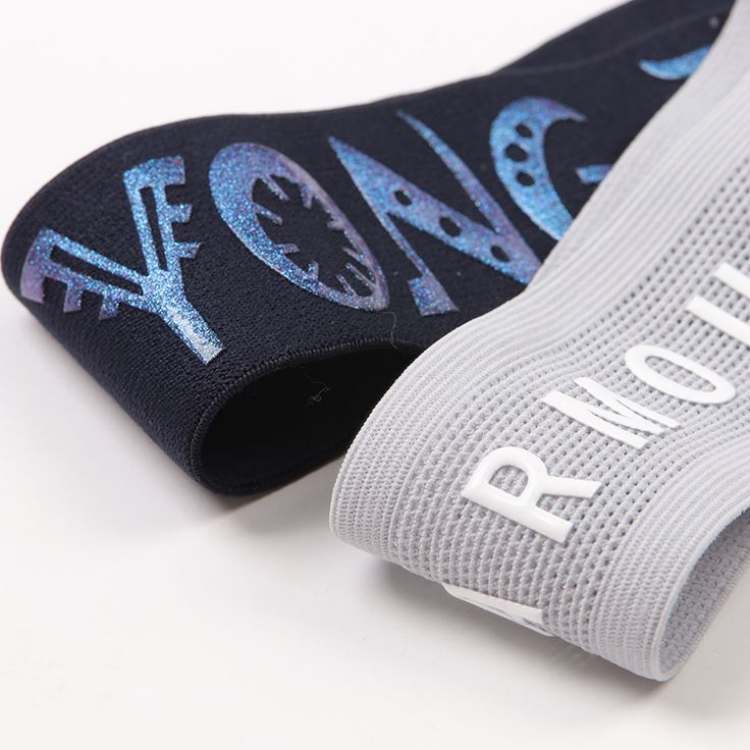
Imagine Elastic Screen Printing Ink Plastisol as the professional gymnast of the ink world. It is packed with special resins and high-elongation plasticizers that allow the cured print to expand and snap back without losing its grip on the fibers.
The Pasta Analogy
I like to explain it this way. Standard ink is like a piece of dry spaghetti. If you try to bend it even a little bit it snaps into pieces. Elastic ink is like a cooked noodle. You can pull it or twist it or bend it and it just stays flexible. One breaks but the other bends.
When you use a high-end product like White PVC Free NB Screen Printing Ink you are getting a chemical structure specifically engineered to bounce back every single time.
3. The Printer’s Playbook: How to Handle High-Stretch Jobs
You cannot just toss elastic ink onto any old screen and expect magic. It requires a bit of craft. Here is exactly how I set up my shop when a high-stretch job hits the table.
Mesh Count: The “Sweet Spot”
If your mesh is too tight—like a 230 or a 305—you won’t lay down enough ink “body” to create a flexible film. I stick to an 86 to 110 mesh for base layers. This puts enough ink on the garment to create a thick and rubbery layer that can actually handle being pulled.
Squeegee Choice: Firm but Forgiving
I’m a huge fan of a 65/75/65 triple durometer squeegee. You need enough stiffness to clear the ink from the screen but you also need enough “give” to push a healthy layer through the mesh. A squeegee that is too hard will shear the ink too thin and we all know that thin ink cracks much faster than a thick deposit.
The “Underbase” Secret
If you are printing on dark polyester you have to worry about “dye migration.” That is when the color of the shirt bleeds into your ink. I always start with a layer of Anti Migration Screen Printing Ink Plastisol. It acts like a shield so your whites stay white and your yellows stay bright.
4. Key Performance Data: Why Quality Matters
You don’t have to take my word for it because the numbers speak for themselves. High-quality elastic inks are put through the wringer in textile labs.
Comparative Elongation Chart
| Ink Type | Elongation Percentage | Best Use Case |
| Standard Plastisol | 15% – 40% | 100% Cotton T-shirts |
| Elastic Plastisol Ink | 150% – 300% | Yoga Pants, Swimwear, Jerseys |
| Puff Screen Printing Ink | 20% – 50% | Fashion/Specialty Apparel |
| High Density Ink | 30% – 60% | 3D Logos and Accents |
Standard ink is a joke when it comes to performance wear. If you want the print to survive a squat session you need that 150%+ elongation.
5. Curing: The Make-or-Break Moment
If I had a dollar for every time a printer blamed their ink when the real problem was their dryer I’d be retired on a beach somewhere.
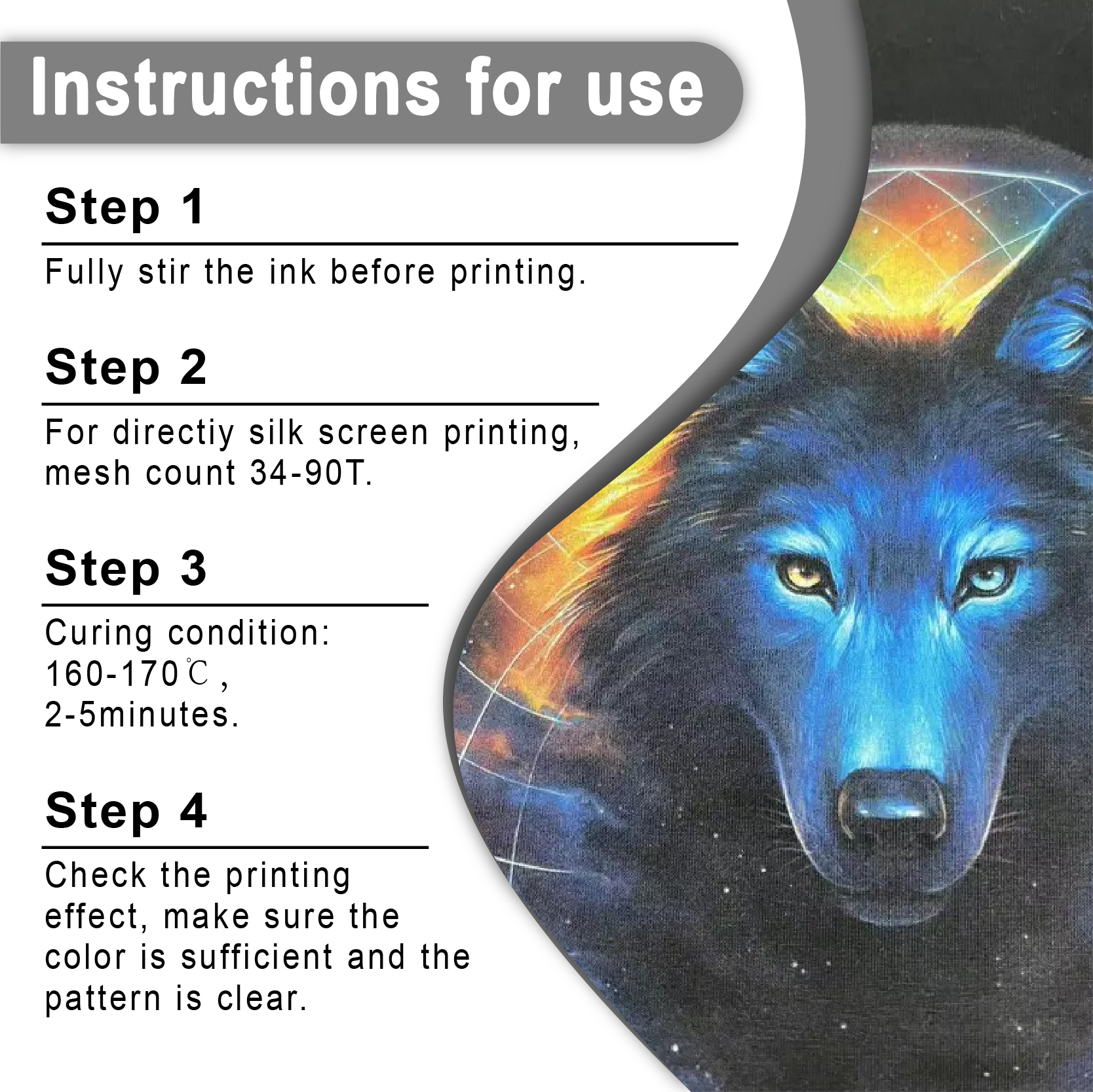
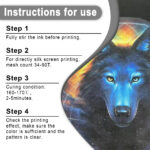
Elastic inks have to reach their full fusion temperature to work. This is usually between 300°F and 320°F (150°C – 160°C). If you “under-cure” the print the resins won’t actually lock together. It might feel dry when you touch it but it will fall apart the second it hits a washing machine or gets stretched.
Pro Tip: Stop trusting the digital display on your conveyor dryer. They are notorious liars. Use a donut probe or a reliable laser temp gun to check the actual temperature of the ink as it comes out. I’ve seen dryers that claim to be 330°F while the ink is barely hitting 280°F.
6. Going Green: The PVC-Free Revolution
The market is shifting fast. Big players like Nike and Adidas are not just looking for stretch but they are demanding safety. That is where PVC Free Plastisol Ink comes into play.
I’ve moved a massive part of my production to Eco-Friendly Screen Printing Ink for three reasons:
-
Safety: No phthalates means it is better for the person wearing it.
-
Softness: PVC Free Plastisol Ink Blue Soft Hand feels like part of the fabric rather than a thick sticker.
-
Compliance: You can’t print for major retailers or schools without Phthalate Free Plastisol Ink these days.
7. My Top Product Picks
If you are looking to restock your ink shelf here are the workhorses I trust from the Shaliteink Plastisol Ink collection:
-
For The Best White: White PVC Free NB Screen Printing Ink. It is bright and opaque and it stretches like crazy.
-
For Bold Athletics: The Vibrant Bright Blue is incredible for team jerseys.
-
For Specialty Gear: If a client wants something flashy I use Silver Screen Printing Ink Plastisol.
8. Case Study: The 50-Mile Ultramarathon
I once handled an order for a 50-mile ultramarathon. The shirts were high-end moisture-wicking jerseys. These shirts were going to be soaked in sweat and stretched for hours and then tossed into a heavy-duty wash cycle.
I used a 4-color process with Plastisol CMYK Ink. I chose Process Blue, Process Red, and Process Yellow.
I added a stretch additive and the results were flawless. That client came back every single year because the prints never cracked or faded. That is the true power of using the right tool for the job.
9. Troubleshooting Like a Pro
Even when you buy from the best Plastisol Ink Supplier you might hit a snag. Here is how I handle the common headaches.
The Sticky Problem
Issue: The ink feels tacky or sticky after it cools down.
Fix: You are likely under-curing the ink or your layer is way too thick. Crank up the heat slightly or slow down your belt speed and consider adding a tiny bit of reducer to the bucket.
The Dull Color Problem
Issue: Your bright colors look muddy on black fabric.
Fix: You need a stronger underbase. Lay down a high-opacity White Screen Printing Plastisol Ink first. Make sure you “flash” dry it until it is just dry to the touch before you print your colors on top.
The Ghosting Problem
Issue: You see a faint shadow of the design on the back of the shirt.
Fix: This is usually a chemical reaction with the polyester dyes. Switch to a PVC Free NB Screen Printing Ink to keep the fabric stable.
10. Frequently Asked Questions (FAQ)
Q: Can I use elastic plastisol on 100% cotton?
A: Absolutely. You will end up with a very soft and very durable print. It might be overkill for a basic tee but it feels great.
Q: Does elastic ink require a special screen?
A: No. However you do want a high-quality Photosensitive Emulsion that can handle the friction of a squeegee. I always suggest a High Density Photosensitive Emulsion if you are going for those thicker deposits.
Q: How do I wash garments printed with elastic ink?
A: Tell your customers to wash them inside out. They should use cold water and tumble dry on a low setting. But honestly high-quality Shaliteink Plastisol Ink is tough enough to survive standard commercial laundry.
Q: Is it harder to clean up?
A: Not at all. Your standard Screen Printing Ink Shop supplies like citrus wash or screen opener will work perfectly.
Q: Can I mix it with standard ink?
A: You can but you shouldn’t. You will just dilute the stretch. If a job needs 100% stretch then use 100% elastic ink.
The Bottom Line
Your reputation is only as good as the last shirt you handed to a customer. If you are charging premium prices for athletic gear then you cannot afford to use cheap ink that shatters.
Buying from Shaliteink Plastisol Ink is about more than just buying supplies. It is about buying the confidence that your work will last. Go grab some Elastic Screen Printing Ink Plastisol and see the difference for yourself.
| Size |
8oz ,16oz ,32oz |
|---|
6 reviews for Elastic Screen Printing Ink Plastisol
Clear filtersOnly logged in customers who have purchased this product may leave a review.
Related products
Anti-migration Screen Printing Ink Plastisol
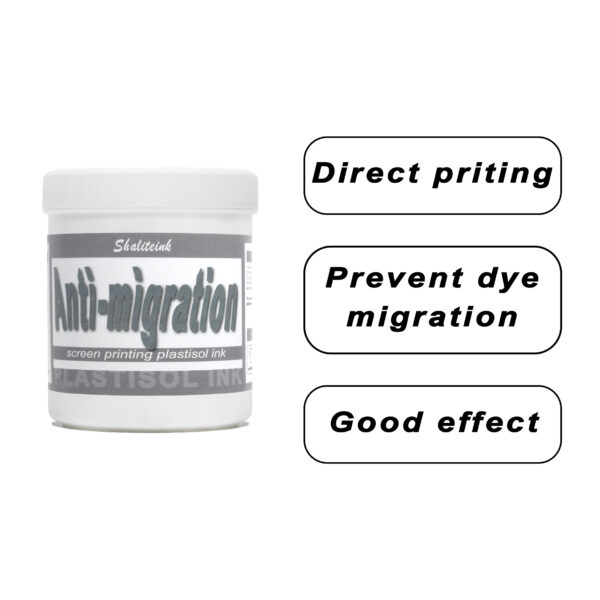
Stop letting dye migration turn your crisp white logos into a muddy pink nightmare. Designed for the high-stakes world of 100% polyester and sublimated performance wear, Shaliteink’s Anti Migration Screen Printing Ink Plastisol acts as a high-density barrier that traps fabric gases before they can ever reach your top coat. It is specifically engineered to bypass the "danger zone" of dye sublimation—which typically begins once fabric temperatures hit 265°F—ensuring your colors stay true and your opacity stays rock-solid on even the most volatile fabrics.
Whether you are tackling tricky sublimated camo or standard athletic jerseys, this formula provides the professional-grade bleed resistance required to protect your reputation and your bottom line. It delivers a smooth, easy-to-print consistency that maintains a heavy deposit for maximum coverage, serving as the ultimate insurance policy for any shop that refuses to settle for anything less than perfection on performance apparel.
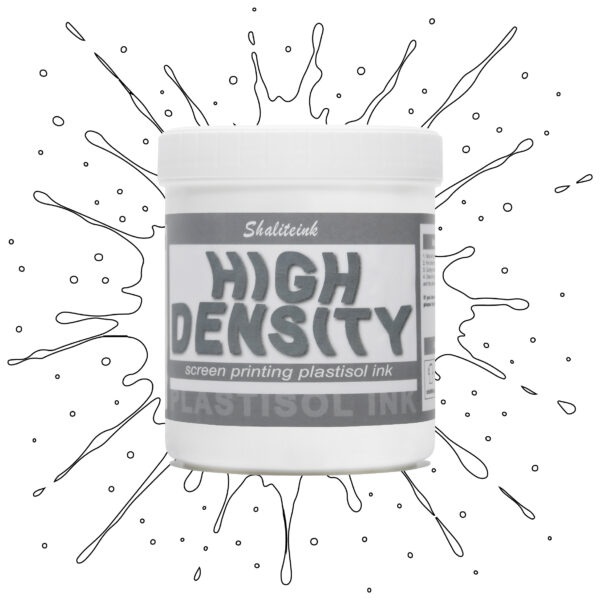
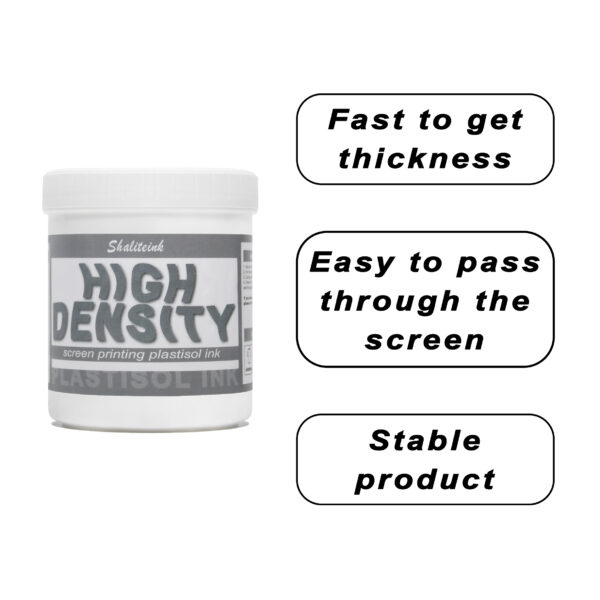
High-Density Screen Printing Ink Plastisol
Look, if your prints are feeling a bit flat lately, this is how you fix it. Our High Density Plastisol is built specifically to give you that sharp, "brick" 3D texture that makes streetwear look legit. It’s got a really high viscosity—think of it more like thick putty than thin liquid—so it stacks up tall without slumping or losing its edge. You get these clean, vertical walls on your design that actually catch the light. It’s the easiest way to turn a basic $10 tee into something that looks like it belongs in a high-end boutique.
It isn't just about the height, though; it’s about the finish. This stuff is opaque as hell and holds up through endless wash cycles without cracking or peeling off. Whether you’re printing on a manual press or a big auto-line, it shears off the screen perfectly as long as you’ve got your off-contact dialed in. If you want people to actually feel the quality of your work when they touch the garment, this High Density Ink is exactly what you need to be using.
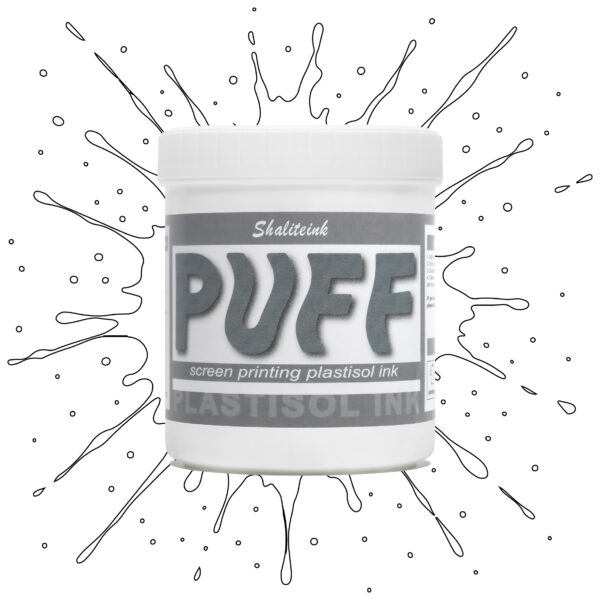
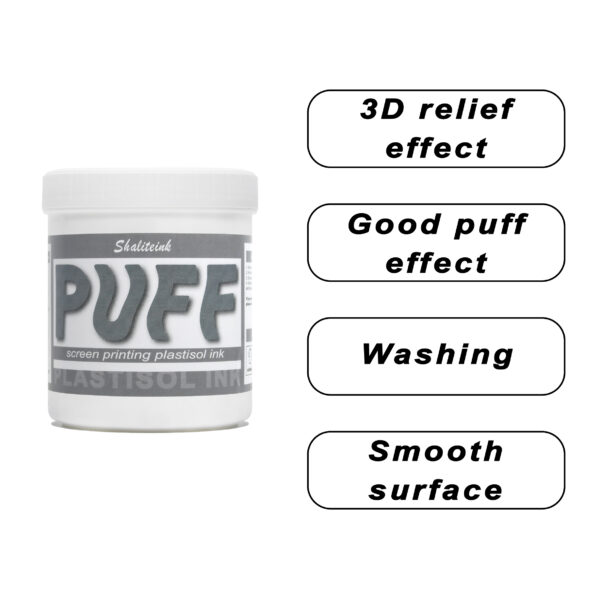
Puff Screen Printing Ink Plastisol
Stop settling for boring, flat prints and start giving your designs some real "muscle." Shaliteink's Puff Screen Printing Ink Plastisol is the ultimate secret weapon for creating that iconic, 3D "raised" texture found in high-end streetwear boutiques. It lays down smooth and flat like a standard ink, but the moment it hits 320°F in your dryer, it blossoms into a soft, pillowy masterpiece that customers literally can't stop touching.
Engineered for the printer who demands professional results without the chemical headache, this Shaliteink Plastisol Ink is phthalate-free and incredibly forgiving to work with. Just pull it through an 86 or 110 mesh screen for maximum volume and watch your perceived value skyrocket. Whether you're hitting a custom hoodie or a boutique T-shirt run, our puff ink delivers a premium, durable finish that won't crack under pressure—or the wash.
 EN
EN  DE
DE  ES
ES  PT
PT  JA
JA
Lucas Gomes –
Qualidade excelente e entrega
Laura Wagner –
Hochwertige Qualität und schnelle Lieferung. Funktioniert sehr gut im Alltag. Hat meine Erwartungen übertroffen. Hochwertige Qualität und schnelle Lieferung. Leicht zu nutzen und konstante Ergebnisse. Einfache Anwendung und zuverlässige Leistung. Einfache Anwendung und zuverlässige Leistung. Funktio
Michael Brown –
Quality feels premium and delivery was fast. Quali
Daniel Wilson –
Smooth application and reliable performance. Exceeded my expectations in most cases. Works extremely well for my daily tasks. Very good value for the money. Works extremely well for my daily tasks. Very good value for the money. Very good value for the money. Smooth application and reliable performa
Pedro Souza –
Superou minhas expectativas. Fácil de usar e resultados consistentes. Aplicação suave e desempenho c
Laura Wagner –
Leicht zu nutzen und konstante