
Blog
Best Plastisol Ink for Beginners (Easy to Use & Clean)

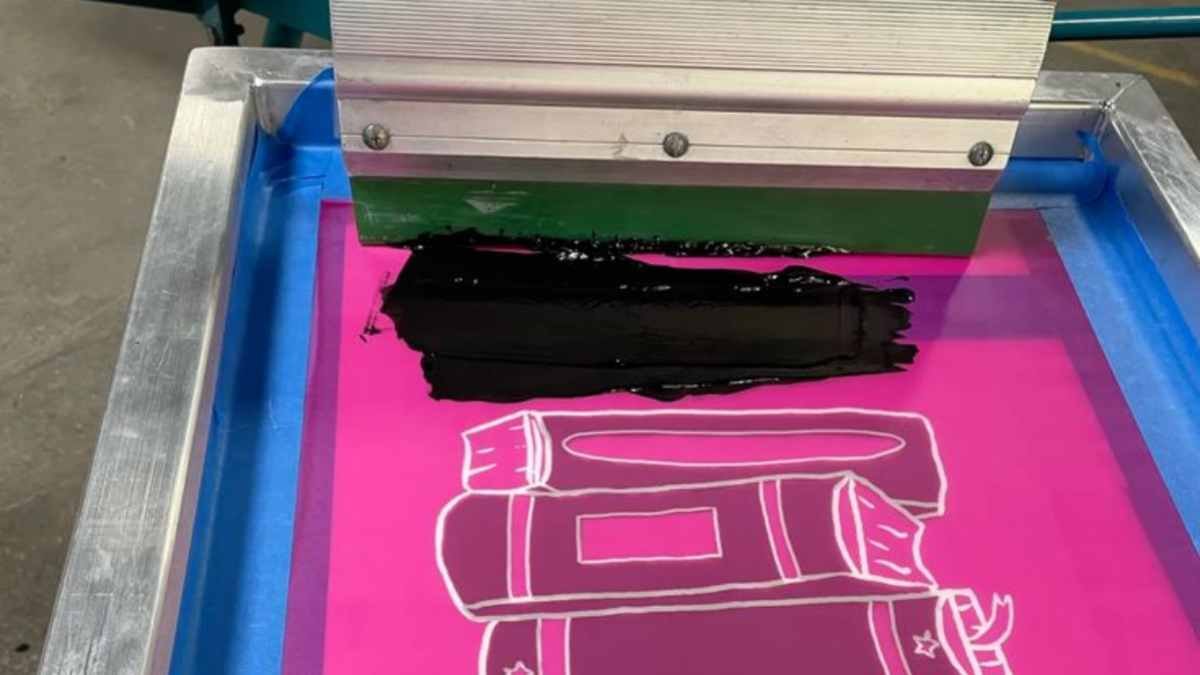
Table of Contents
I have spent plenty of years working in home garages and tight workshops where you mostly smell citrus cleaner and sticky ink. Getting started with screen printing usually feels like you are constantly rushing against time. I have watched countless beginners struggle with water-based inks that dry in the mesh before they can even finish ten shirts. It really sucks to ruin a nice shirt just because your ink hardened like a rock before you were ready. I think it is way smarter to keep things easy while you are still getting the hang of it. For most people starting out Plastisol Ink is the logical way to go because it actually lets you enjoy the process.
The “Magic” of Ink That Never Dries
The biggest headache for a rookie is ink clogging the mesh. Water-based inks dry as soon as they hit the air but plastisol ink is different. This stuff is a plastic-based liquid that won’t dry out at room temperature. You could spend twenty minutes on the phone or go grab a latte and that ink will still be ready to go when you return. It gives you some space to actually learn how to do this right. You get to focus on your squeegee angle or how hard you are pushing without the constant fear that your design is turning into a permanent clog in the mesh. We usually call this the forgiveness factor.
Bringing Industrial Quality to Home Shops
For a long time the best inks were only sold to large factories. My team at Shaliteink saw that individual crafters and small brands needed that same quality. We changed our focus from just selling to big businesses to offering products for the DIY market.
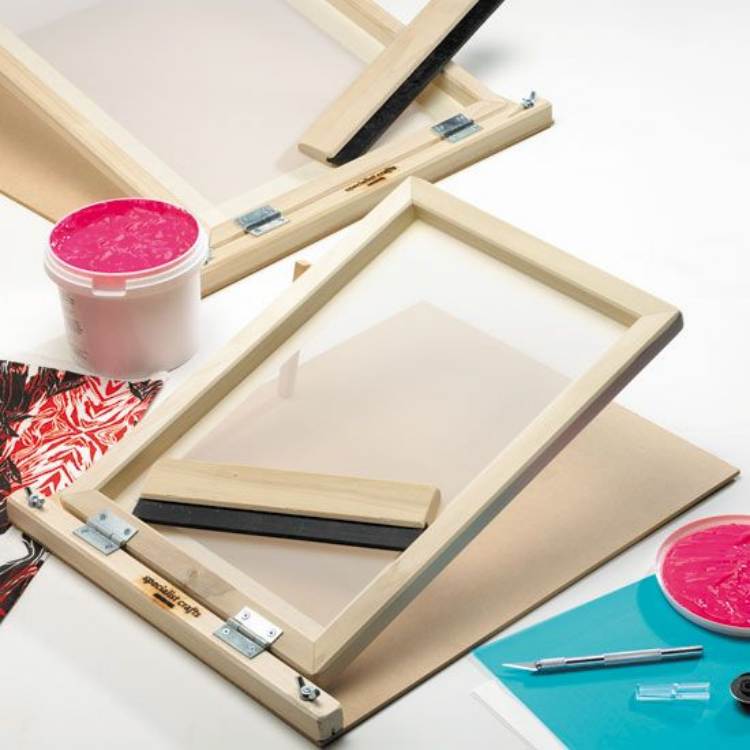
If you need a place to start the NB screen printing ink kit is a solid option. It has colors that look good and the formula is easy to handle. We made this kit specifically for people printing in spare rooms or small studios.
Keeping it Green in 2026
It is 2026 and most printers care a lot more about what is actually in their chemicals. People used to think plastisol was loaded with nasty stuff but things have changed quite a bit. Our PVC Free Plastisol Ink line follows global standards like OEKO-TEX Standard 100.
The White PVC Free NB Screen Printing Ink works well on dark fabrics. It covers the shirt color in just a couple of passes and stays soft. You get a durable print without using PVC.
Tips for Getting a Good Print
| Common Issue | Simple Fix |
| Ink is too thick to pull | Use a spatula to stir your ink for 2 minutes before starting. |
| Colors look dull on dark shirts | Print a “base” layer of White Screen Printing Plastisol Ink first. |
| The print washes off | You must hit 320°F (160°C) for a full cure. |
| Dye bleeding on polyester | Use an Anti Migration Screen Printing Ink Plastisol. |
Stirring the Ink
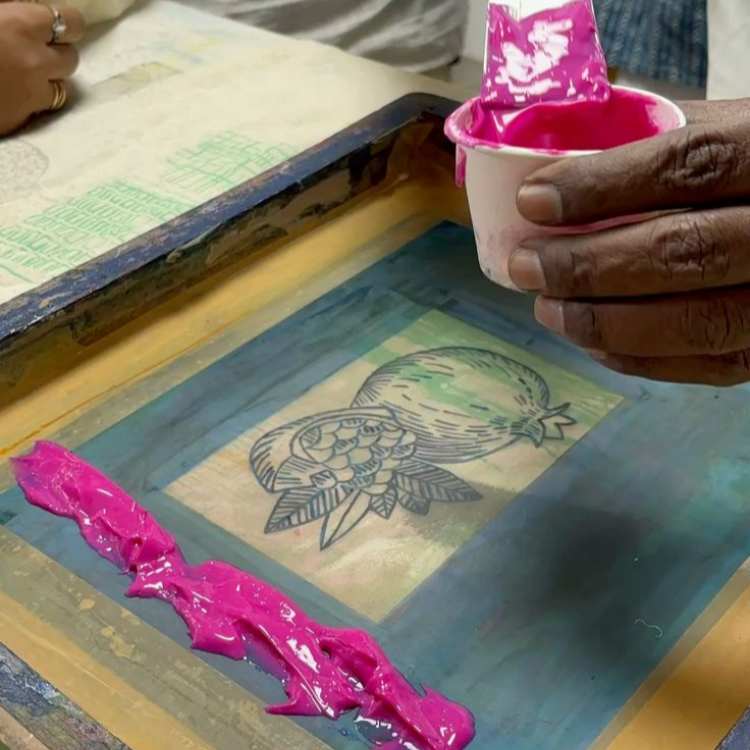
Plastisol can look like a solid block when you first open the container but it gets thinner and creamier once you move it around. I suggest stirring your Royal Blue Screen Printing Plastisol Ink until it feels smooth on the spatula.
Choosing the Mesh
If you use a thick ink like Gold Screen Printing Ink Plastisol you need a lower mesh count. Stick to a 110 mesh count so the glittery particles can actually pass through the holes. If you go too fine you will just end up with a clogged screen and a headache.
Curing the Ink
Keep in mind that plastisol isn’t going to dry by itself. Don’t bother with a hair dryer because it won’t provide enough heat to do anything. You really need a heat press or a flash dryer to hit that 320°F sweet spot. Once the ink hits that temperature it fuses to the fabric so it won’t wash away.
Moving Past the Basics
Once you are comfortable with standard colors like Red Screen Printing Plastisol Ink you can try other things.
- Metallic Screen Printing Ink gives a shiny look to your shirts.
- Puff Screen Printing Ink Plastisol expands when things get hot to create a 3D effect.
- Fluorescent Yellow Screen Printing Plastisol Ink is good for bright neon designs.
Cleaning up is usually the part people like the least. Since Shaliteink Plastisol Ink stays wet it can get on your hands and tools if you are not careful. A citrus-based cleaner works well for this yet it won’t make the room smell like a chemical plant.
Questions from New Printers
Q1: Can I print on 100% polyester?
A: Yes but you have to prevent dye migration. Use Anti Migration Screen Printing Ink Plastisol as a base so the shirt color doesn’t mix with your ink.
Q2: Is the ink safe for children’s clothes?
A: Definitely. Our Phthalate Free Plastisol Ink formulas are made to be non-toxic and skin-safe.
Q3: What if I make a mistake?
A: Messed up? No big deal. If you haven’t heated the ink yet you can usually just wipe the mistake away with some screen wash. This is why Plastisol Ink Wholesale products are so helpful for beginners.
Q4: Why does my white ink feel like thick clay?
A: White ink is packed with pigment to cover dark fabrics so it starts out quite heavy. Just give your White PVC Free NB Screen Printing Ink a good stir with a spatula for a minute or two. It will loosen up and flow much better once you start moving it around.
Q5.: How do I get those cool raised textures I see on streetwear?
A: That’s actually easier than it looks. You can use High Density Screen Printing Ink Plastisol to create those 3D effects. Just remember you might need a slightly thicker stencil using Photosensitive Emulsion to really make that height stand out.
Starting Your First Project
I have helped many people go from a small idea to a real business. Those first few prints are always the toughest. Try not to obsess over perfection yet focus on getting the right tools in your hands. Using a quality Screen Printing Ink Kit For T-Shirts makes the whole process much easier. Pick up a squeegee and a blank tee and see what you can create.
 EN
EN  DE
DE  ES
ES  PT
PT  JA
JA