
Posts by kelseyy
How to Make Your Prints Last 50+ Washes
If you want the short answer to how we make prints stay vibrant after 50 trips through the laundry, it’s this: reach a total ink film cure of 320°F (160°C). Doing this right doesn't just stop the design from cracking but it creates a professional-grade mechanical bond between the fibers and the ink. This bond stays soft and looks premium for years.

Thick Prints vs Soft Prints: What Customers Prefer
It is the classic battle: Thick Prints vs. Soft Prints.
Which one do your customers actually want? Grab a coffee and let’s get into the nitty-gritty of what makes a print sell or fail.
Plastisol Ink Problems Beginners Face (And Easy Fixes)
1. The Cracking Catastrophe: Why Your Art Falls Off2. The "Pink Panther" Problem (Dye Migration)3. The "Bulletproof Vest" Hand Feel2026 Curing & Fabric StandardsHow to Start Your Shop Like a ProFAQ: Real Answers for ...
How to Print on Polyester Without Ruining Your Design
What you're looking at is dye migration. It’s the biggest headache in the garment printing business, but you don't have to let it ruin you. At Shaliteink, we’ve spent a lot of time figuring out the chemistry of Plastisol Ink so you can avoid what I call the Pink Disaster. I want to show you exactly how to print on these synthetic fabrics without losing your mind or your money.
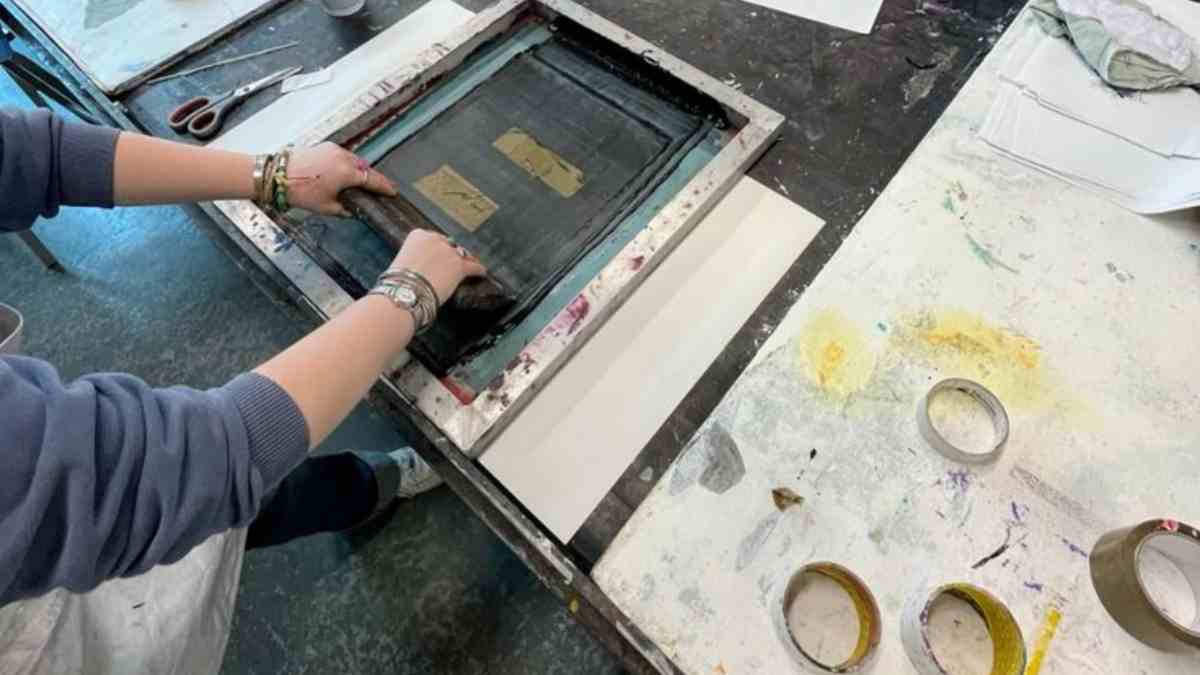
Kit Serigrafia Barato: Qué Necesitas Realmente (Guía Real)
Si quieres la respuesta rápida para no perder tiempo ni dinero: no compres los maletines de manualidades de Amazon. La mayoría de esos kits "todo en uno" traen tintas que se secan en la malla y marcos de madera que se doblan a la semana. Lo que realmente necesitas para montar un taller de serigrafía barato y funcional es comprar cuatro piezas clave por separado: un marco de aluminio de 43T, una buena rasqueta de 70 shores, photosensitive emulsion de calidad y, lo más importante, botes de plastisol ink profesional.
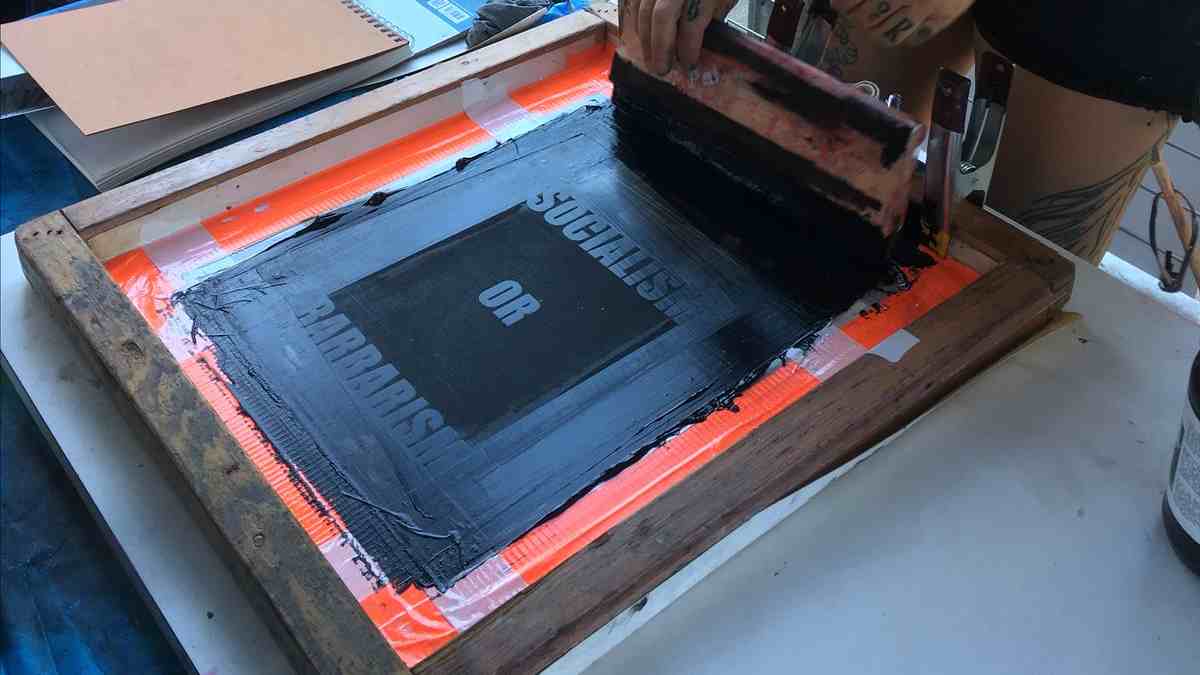
Plastisol Tinta vs Otras Tintas: ¿Cuál es Mejor?
Si buscas la respuesta corta, aquí la tienes: la tinta plastisol es la mejor opción para la mayoría de los negocios de serigrafía que buscan rentabilidad, facilidad de uso y colores que resalten. Elegir plastisol te ahorra tiempo porque no se seca en la malla, te permite recuperar tinta sobrante y garantiza que tus diseños aguanten años de lavadas sin perder intensidad.
En Shaliteink, como expertos en soluciones de impresión, hemos visto a cientos de clientes frustrados con tintas al agua que se secan a mitad de un pedido grande. Si quieres producir más rápido, con menos errores y resultados profesionales constantes, el plastisol es tu aliado.
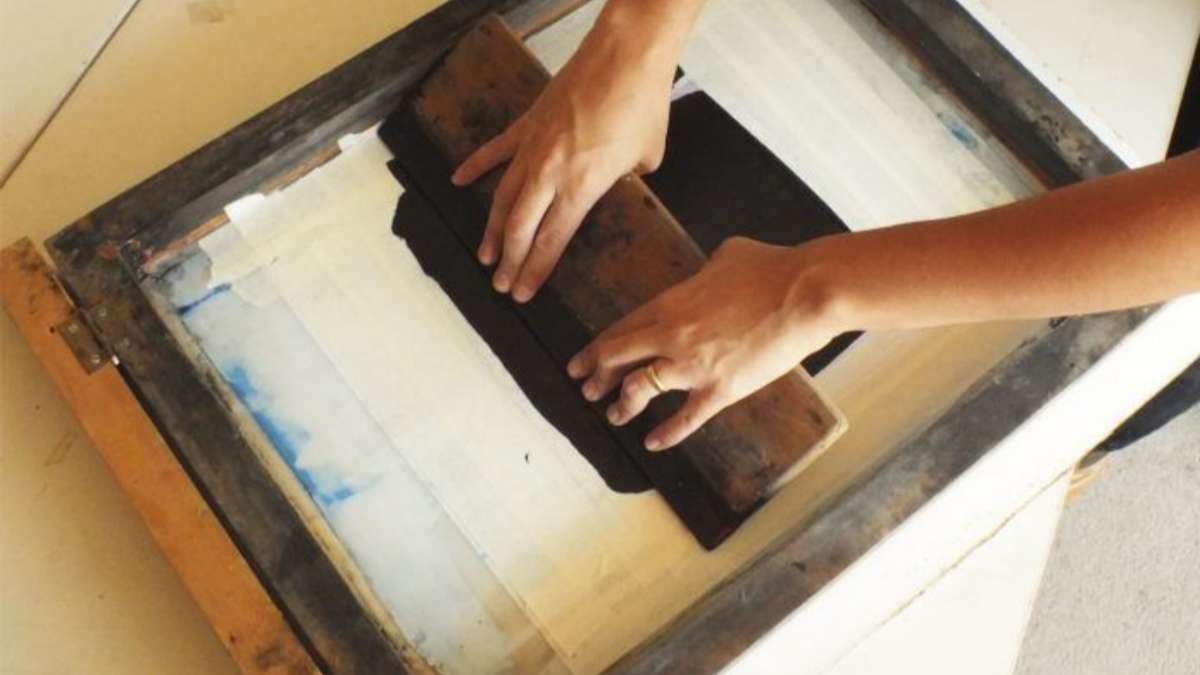
Why Your Prints Look Cheap — And How Better Ink Fixes It
If you want the short answer to why your prints look cheap here it is: Your ink lacks the pigment density and chemical stability to fight back against the garment. Switching to professional-grade chemistry instantly unlocks retail-quality opacity and wash durability. At Shaliteink we’ve seen thousands of creators struggle with this but the fix is actually simpler than you think.
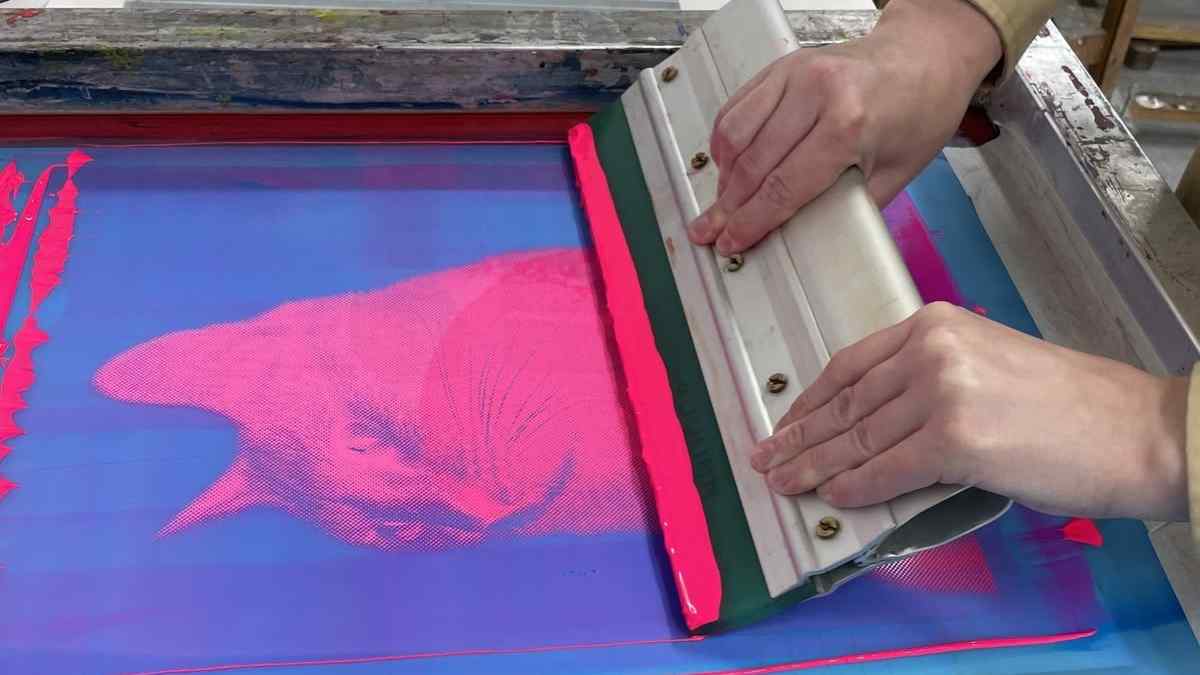
Common Screen Printing Mistakes Beginners Must Avoid
The fastest way to stop ruining t-shirts and start making money is to master three things: mesh selection, exposure timing, and the final cure. If you get these right, your prints won't wash off, your details will stay sharp, and you'll stop throwing away "blanks" that eat into your profit. At Shaliteink, we’ve seen that using a high-quality plastisol ink is only half the battle; the other half is avoiding the technical traps that catch every beginner.
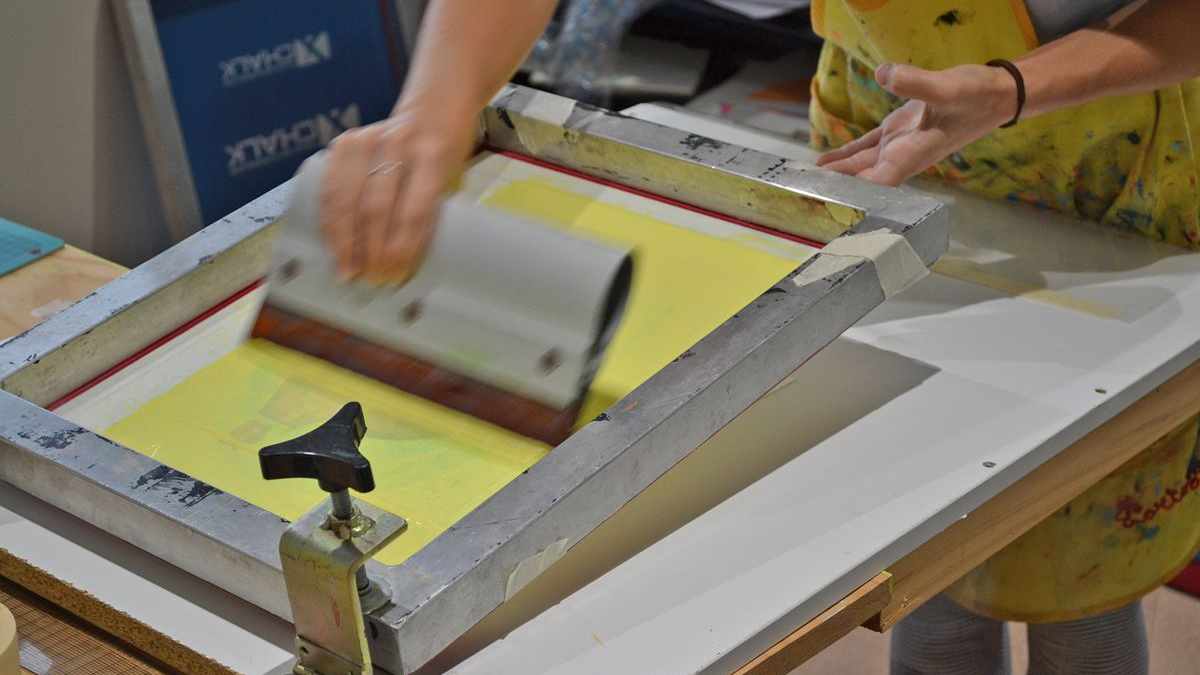
Siebdruck Set für Anfänger: Günstig starten ohne Fehler
Willst du endlich deine eigenen T-Shirts bedrucken, ohne hunderte Euro aus dem Fenster zu werfen? Hier ist die direkte Antwort: Starte mit einem kompletten Set, das speziell auf Plastisol-Tinte abgestimmt ist.
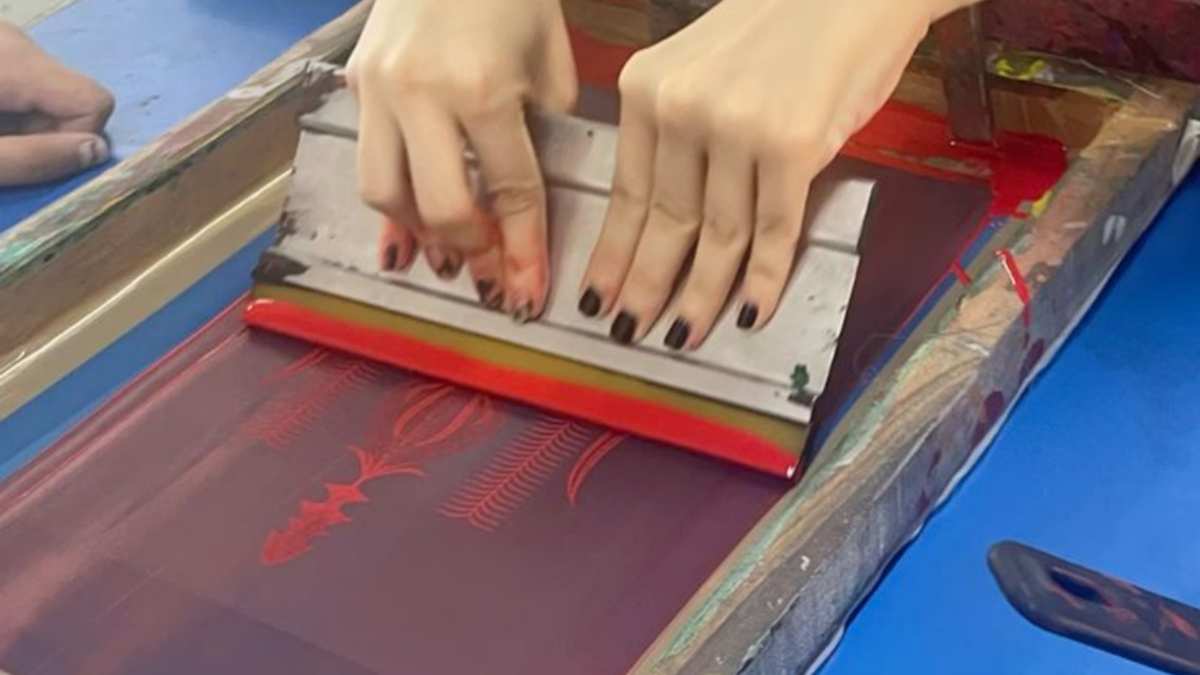
Why Plastisol Ink Feels Sticky After Curing (Quick Fix Guide)
At Shaliteink, we talk to printers every day who face this exact "sticky" nightmare. If your Plastisol Ink is sticky after it comes out of the dryer it’s not just a small annoyance. It’s a sign that your print is failing.
 EN
EN  DE
DE  ES
ES  PT
PT  JA
JA