
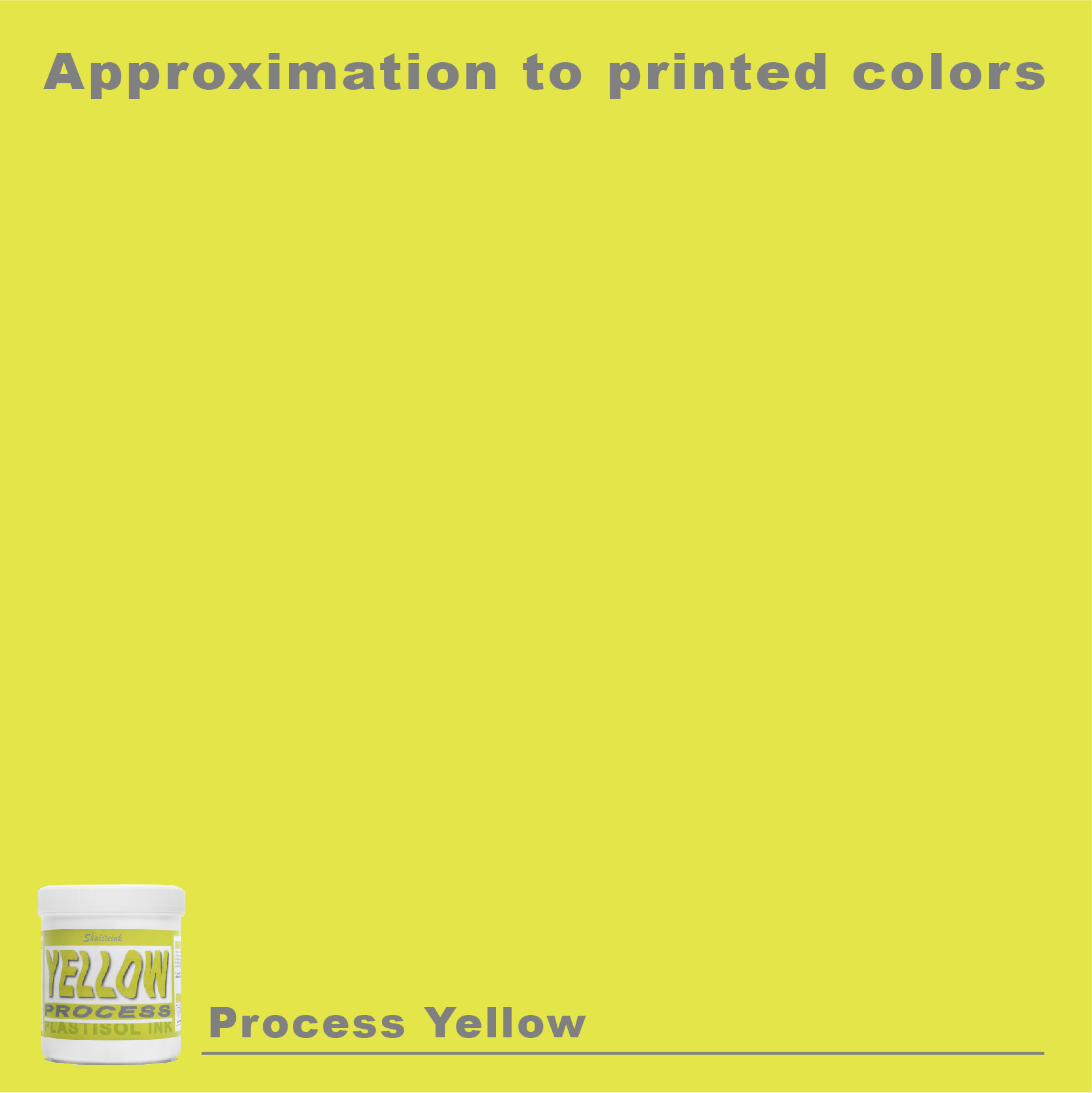
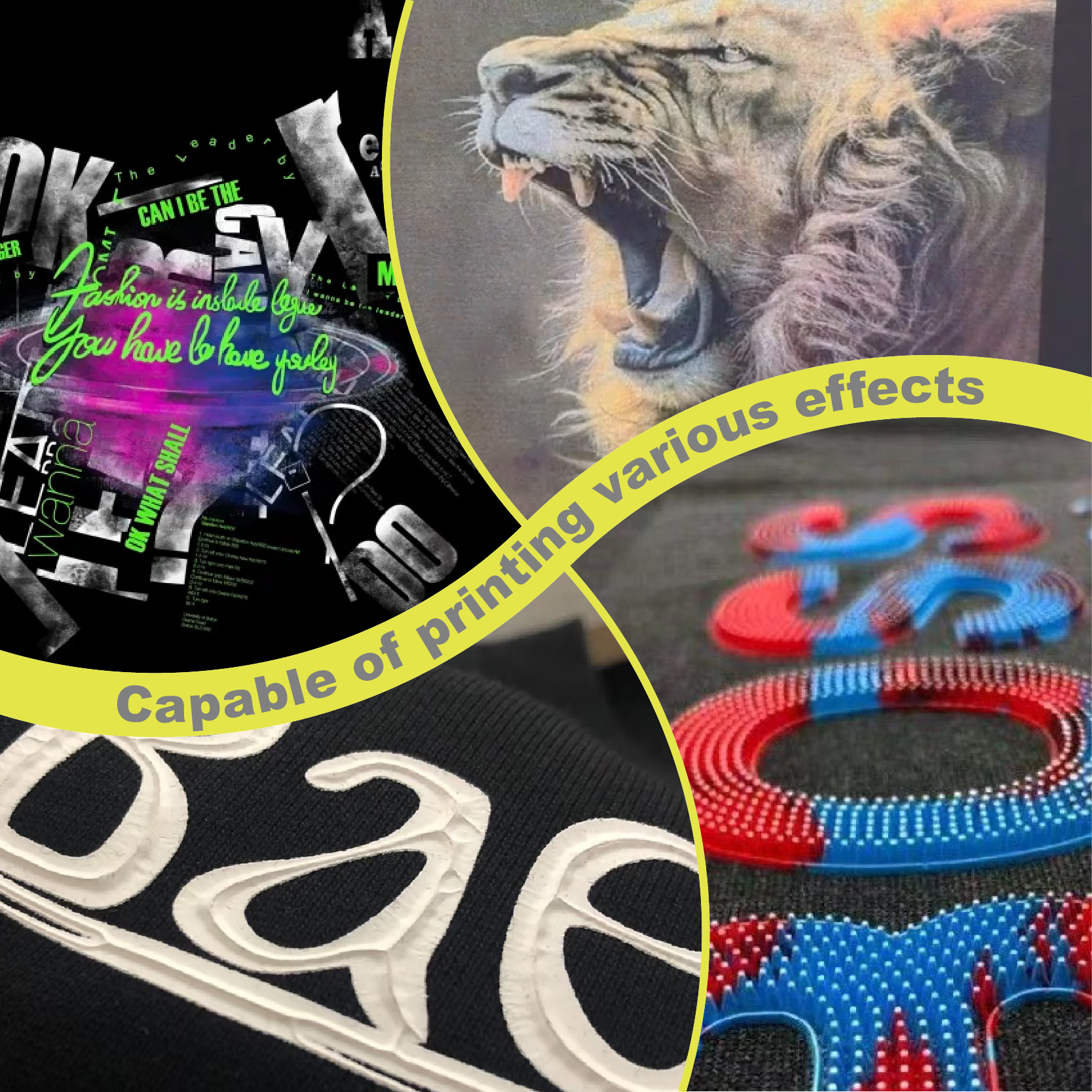
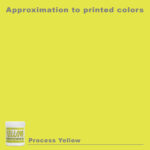


Processo de impressão serigráfica amarela com tinta plastisol
Faixa de preço: $16.99 a $29.99
Pare de se contentar com verdes "pantanosos": Conheça o seu MVP CMYK
Sejamos honestos: suas impressões CMYK só serão tão boas quanto o seu amarelo. Se a sua tinta atual for muito "gizosa" ou opaca, seus meios-tons ficarão borrados. É por isso que desenvolvemos... Processo Shaliteink Amarelo Com uma transparência semelhante à do vidro. É o "elo perdido" que permite que o seu ciano e magenta realmente respirem, criando os tipos de laranjas vibrantes e verdes florestais exuberantes que fazem os clientes voltarem sempre.
Nós fizemos isso Tinta Plastisol Suave como manteiga e pronto para impressão desde o primeiro uso. Passa facilmente por telas de 305 mesh e não seca na tela enquanto você está almoçando. Seja você um profissional realizando trabalhos úmido sobre úmido em alta velocidade ou um entusiasta do faça-você-mesmo aperfeiçoando sua primeira impressão fotográfica, este amarelo permanece vibrante, cura de forma limpa e preserva cada detalhe do seu estêncil.
Pare de lutar contra a sua tinta e comece a amar os resultados. Se você está cansado de cores sem vida e sem brilho, este é o produto que faltava na sua coleção.
Especificações:
-
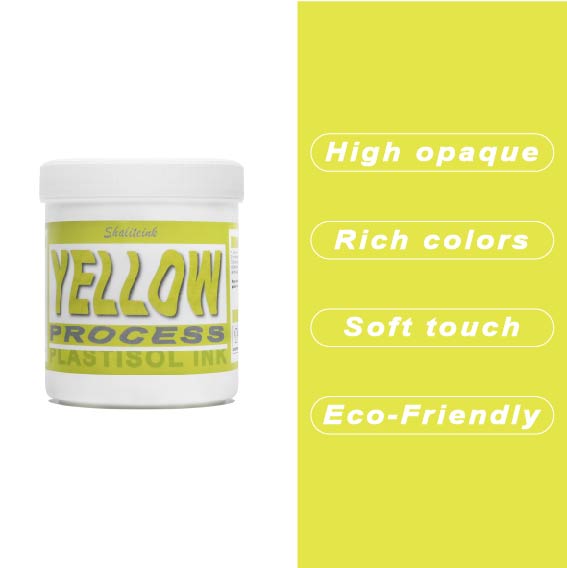
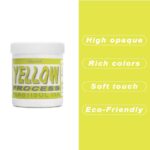
Vibração: Alta concentração de pigmentos para tons vibrantes.
-
Consistência: Cremoso, de corpo curto e ideal para telas com alta contagem de fios.
-
Segurança: Livre de ftalatos e ecologicamente consciente..
-
Desempenho: Resistência excepcional à lavagem e toque macio, ideal para venda no varejo.
A Alma Dourada do CMYK: Por que o Amarelo de Processo Pode Ser o Fator Determinante para o Sucesso ou o Fracasso de uma Gráfica
Passei metade da minha vida coberta de tinta e aprendi que os menores erros geralmente acontecem com as cores mais vibrantes. Todo mundo adora falar de ciano ou magenta, mas eles são apenas figurantes sem o amarelo certo. Se você escolher uma tinta barata... Processo de impressão serigráfica amarela com tinta plastisol, Suas lindas laranjas acabam parecendo canos enferrujados e seus verdes exuberantes viram água de pântano. É de partir o coração ver um trabalho de mil dólares ir por água abaixo porque o amarelo resolveu se comportar como uma diva.
Hoje vamos nos aprofundar. Não estou falando de um manual chato que você encontraria em uma sala de aula, mas daquele tipo de sabedoria "tinta debaixo das unhas", que você só adquire depois de estragar centenas de camisas. Vamos dominar o balde mais incompreendido do seu guarda-roupa. Vamos lá!
1. A Magia de Ser “Invisível”
Quando você abre uma lata nova de Tinta plastisol Shaliteink, Você não está olhando apenas para uma gosma amarela. Está olhando para um pigmento fantasmagórico. Veja bem, o amarelo é o mais leve do mundo CMYK. É a cor mais clara de todas e isso a torna a mais transparente.
Na maioria das impressões, busca-se opacidade para que a cor da camiseta fique escondida. No mundo da impressão quadricromática, essa transparência não é um defeito, pois é exatamente o que permite que a mágica aconteça quando as cores se sobrepõem. Pense nisso como um vitral. O amarelo precisa deixar a luz passar para que possa interagir com o ciano e o magenta por baixo. Se o amarelo estiver muito espesso ou "esbranquiçado", a imagem toda perde a vivacidade. Fica plana e sem brilho. É preciso essa transparência. Tinta Plastisol CMYK Para ser tão claro quanto uma manhã de verão na Provença.
Por que a qualidade realmente importa
Já ouvi caras me dizerem que "amarelo é amarelo". Esses caras geralmente não ficam muito tempo no ramo. Um produto premium Loja de tintas para serigrafia Fornece tinta que mantém a consistência. Se o amarelo mudar de tonalidade no meio da impressão, a última camiseta não combinará com a primeira, e essa é uma maneira rápida de perder um cliente.
2. A Configuração: Não culpe a tinta por uma tela ruim
Vejo isso toda semana. Um impressor reclama que a tinta está "muito rala", mas está tentando passá-la por uma tela feita para tinta de parede. É preciso respeitar a química.
A exigência de malha alta
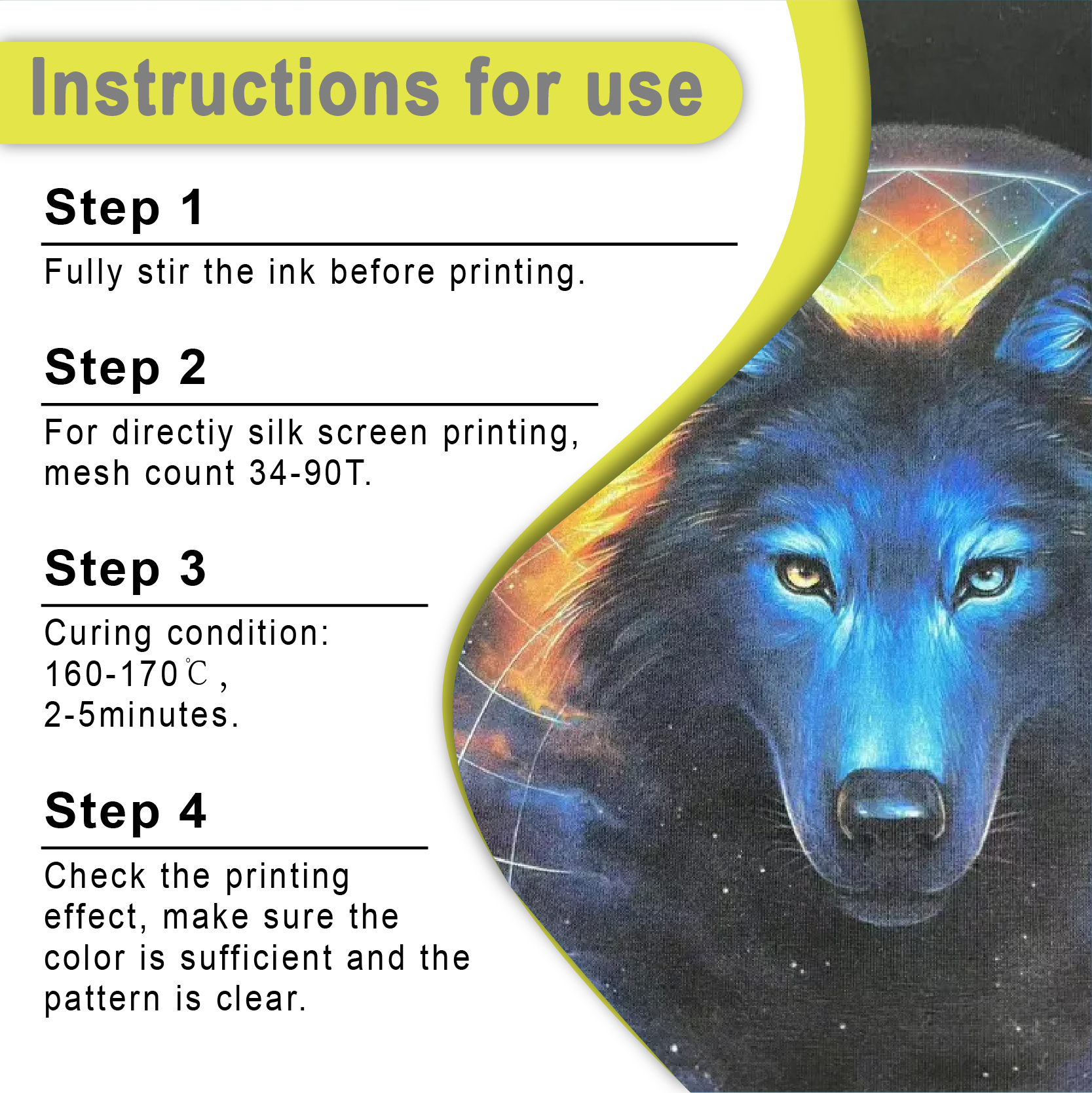
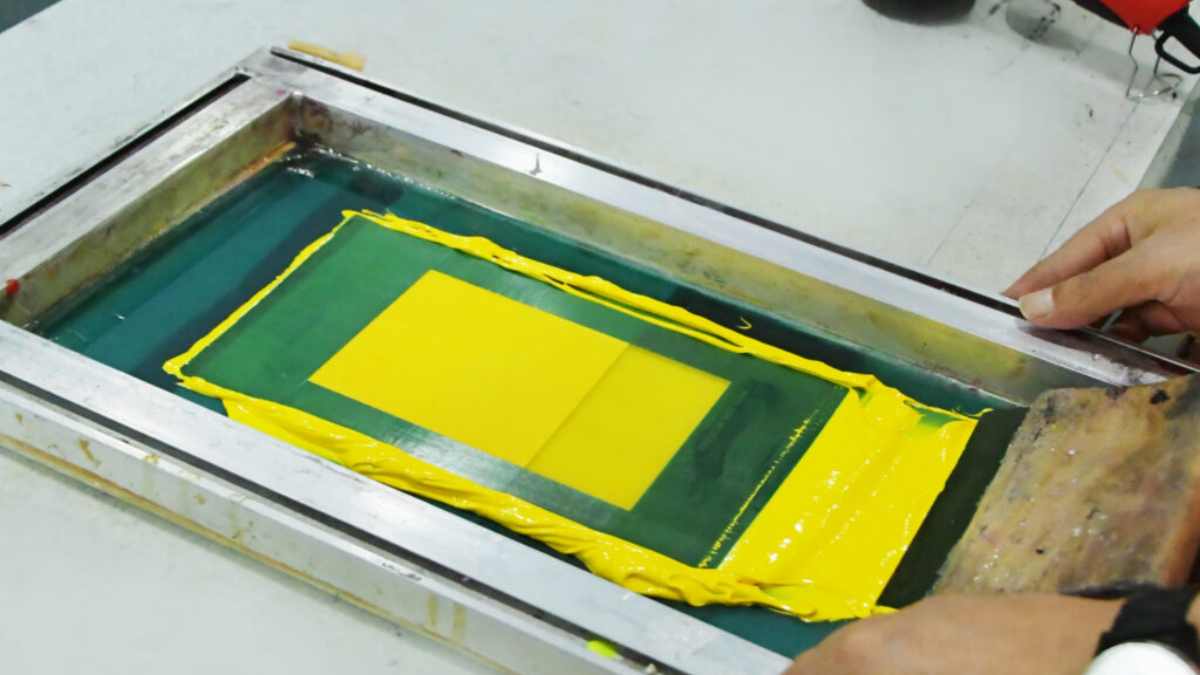
Para um trabalho CMYK de verdade, jogue fora aquelas telas de 110 ou 156 fios. Você precisa de algo mais fino. Estou falando de telas de 230 a 305 fios. Shaliteink, Nosso processo de moagem do amarelo é tão fino que ele desliza por aqueles minúsculos orifícios como seda. Se a sua malha for muito aberta, você vai desperdiçar tinta e seus meios-tons se transformarão em um bloco amarelo sólido. Ninguém quer isso.
Emulsão: O Guardião Silencioso
Seu estêncil é o guardião. Eu uso Emulsão fotossensível de alta resolução Porque retém esses pontos microscópicos. Se a emulsão se degradar durante a impressão, o amarelo vai escorrer e as bordas nítidas ficarão borradas. É um problema que você pode evitar usando os produtos químicos de preparação corretos.
| Ferramenta | Minha escolha "profissional" | O “Porquê” |
| Contagem de malha | 305 Malha Amarela | Minimiza a dispersão da luz e controla o ganho do ponto. |
| Rodo | Durômetro 80 | Você precisa de uma lâmina afiada para cortar a tinta de forma limpa. |
| Base inferior | Tinta NB branca sem PVC | Proporciona o "espelho" que faz o amarelo brilhar. |
| Tensão | 25+ Newtons | Telas soltas são inimigas dos detalhes. |
3. A Mudança Verde: Impressão para o Mundo Moderno
Há dez anos, ninguém se importava com o que havia no balde, desde que a tinta aderisse à camisa. Os tempos mudaram, e as leis também. Hoje em dia, as grandes marcas têm pavor de substâncias químicas como PVC e ftalatos.
É por isso que mudei a maior parte da minha loja para Tinta Plastisol sem PVC. Você pode achar que é mais difícil de imprimir, mas... Processo Amarelo PVC Livre Na verdade, a estampa tem um caimento mais suave e curto. Não fica esticada como as tintas tradicionais. Além disso, dá à peça um toque macio. Quando um cliente passa a mão na estampa e sente que faz parte do tecido, você acertou em cheio.
4. A Dança de Produção: Molhado sobre Molhado
A impressão quadriculada é um processo de alta velocidade. Normalmente, não se utiliza a técnica de flash para cada cor, pois isso demandaria muito tempo e deixaria a camada de tinta muito espessa. A impressão é feita úmido sobre úmido.
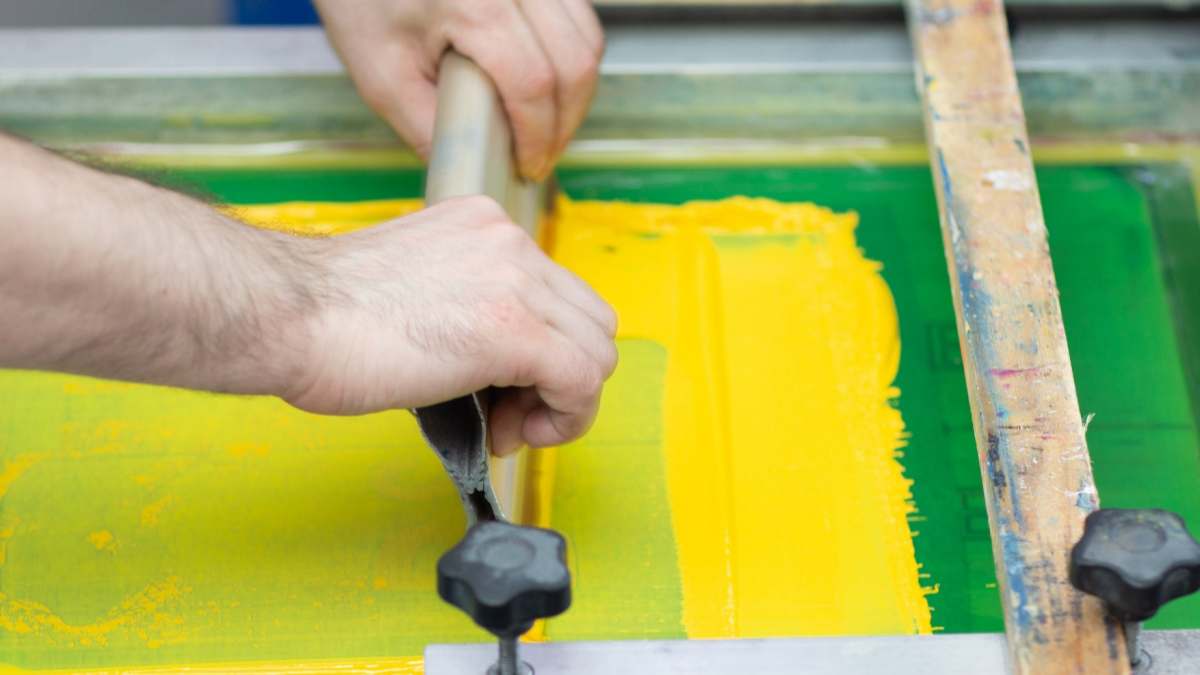
Quando isso Tinta plastisol por atacado Quando a tinta amarela entra em contato com a camiseta, ela absorve um pouco de tudo o que foi impresso antes. É por isso que a ordem de impressão é crucial. Se você colocar o amarelo no final da linha de impressão, ele age como um filtro para todo o resto. Eu gosto de manter minhas telas amarelas limpas e a pressão do rodo leve. O ideal é "tocar" a camiseta com a tinta. Não a pressione contra as fibras como se estivesse tentando matar um inseto.
5. Cura: A Armadilha Amarela
Eis um segredo que muitos profissionais não lhe contam: o amarelo reflete o calor. Ao contrário da tinta preta, que absorve todo o calor da secadora, o amarelo tenta dissipá-lo. Já vi camisetas que pareciam secas ao toque, mas a tinta amarela descascou na lavagem porque a temperatura interna nunca atingiu 160°C (320°F).
Não confie no pequeno botão giratório da sua secadora. Use um termômetro a laser ou uma fita térmica. Certifique-se de que Processo Amarelo É preciso assar completamente ou você terá que fazer o trabalho duas vezes de graça. E acredite, fazer o trabalho duas vezes é a maneira mais rápida de acabar com sua margem de lucro.
6. Solução de problemas no mundo real (Perguntas frequentes)
Ao longo dos anos, tive muitas "conversas" com meus operadores de impressora. Aqui estão as perguntas mais frequentes quando a tinta amarela começa a apresentar problemas.
P1: Posso usar a tinta Process Yellow em camisas escuras?
A: Olha, você pode tentar, mas vai se decepcionar. Essas tintas são como vidro colorido. Se você colocar um vidro amarelo sobre uma mesa preta, você não vê nada. Você precisa usar uma base branca sólida como a Tinta plastisol branca para serigrafia. Imagine o branco como a “luz” que brilha através da tinta.
P2: Por que meu amarelo fica laranja depois de cem camisas?
A: Este é o problema clássico de "absorção de tinta". Sua tela amarela está absorvendo fisicamente a tinta magenta das camisetas à medida que elas passam. Verifique a pressão do rodo. Se estiver muito forte, você está pressionando a camiseta contra a tela amarela, que está agindo como uma esponja. Diminua a pressão ou adicione um "flash" rápido antes da estação amarela.
P3: A tinta está muito espessa para passar pela minha peneira de malha 305. O que devo fazer?
A: Se a sua loja estiver fria, a tinta ficará rígida. Você pode usar uma gotinha de... Redutor Curável Para ajudar a fluir, mas tenha cuidado. Se colocar demais, você perderá a saturação da cor e seu amarelo vibrante se transformará em uma cor amarelo-limão desbotada. Sempre mexa a tinta por cinco minutos antes de reclamar. O atrito gera calor e o calor faz o plastisol fluir.
Q4: O plastisol é realmente melhor do que a tinta à base de água para isso?
A: Se você quer passar o dia limpando tinta seca da sua tela de impressão, use tinta à base de água. Se você quer estampar 500 camisetas e depois ir almoçar, fique com a tinta à base de água. Plastisol padrão Tinta de serigrafia. Não seca na tela, então você pode fazer uma pausa sem enlouquecer. Para CMYK de alta definição, o plastisol ainda reina absoluto.
Q5: Por quanto tempo posso manter este produto na prateleira?
A: Para sempre. Bem, talvez não para sempre, mas já encontrei baldes meio usados de Fornecedor de tinta plastisol Produtos que estavam guardados no fundo da loja há dois anos. Dei uma boa mexida neles e a impressão ficou como se tivesse sido feita ontem. Só mantenha a tampa bem fechada para não entrar poeira.
7. Impressão final: Não é só tinta
Certa vez, fiz um trabalho para uma marca de surf. Eles tinham uma foto de pôr do sol com mil tons de dourado e âmbar. Tentamos "dar um jeito" com cores especiais, mas ficou horrível. Parecia uma lembrancinha barata.
Então voltamos ao básico. Usamos Processo de impressão serigráfica amarela com tinta plastisol em uma tela de 305 mesh. A maneira como o amarelo se misturava com o magenta para criar aqueles tons de laranja vibrantes era pura poesia. O cliente não apenas pagou a fatura; ele nos enviou uma caixa de cerveja.
Essa é a diferença entre ser um "impressor" e ser um profissional. Não se contente com o "bom o suficiente". Quando você usa um amarelo que realmente funciona, sua vida fica muito mais fácil. Você passa menos tempo limpando telas e mais tempo ganhando dinheiro de verdade.
Da próxima vez que você for começar uma grande impressão colorida, pare um segundo. Observe aquele amarelo. Certifique-se de que esteja brilhante, limpo e... Shaliteink. Sua reputação depende dessa camiseta. Não deixe que um amarelo ruim a arruine.
Agora vá e suje suas mãos com tinta.
| Tamanho |
8 onças ,16 onças ,32 onças |
|---|
9 avaliações para Process Yellow Screen Printing Plastisol Ink
Limpar filtrosApenas clientes conectados que compraram este produto podem deixar uma avaliação.
Produtos relacionados
Compre tinta azul CMYK sem PVC para serigrafia
Ninguém gosta de uma camiseta que parece um adesivo grosso e emborrachado. A maioria das camisetas azuis tradicionais são feitas com PVC, o que cria uma camada grossa e áspera que transpira e racha depois de algumas lavagens. Nossas camisetas são incríveis! Tinta azul CMYK sem PVC Isso muda tudo. É realmente macio. Ele se integra ao tecido em vez de apenas ficar por cima, proporcionando aquela sensação sofisticada de "loja" que os clientes de boutiques exigem. Além disso, sua transparência perfeita facilita muito a mistura daqueles verdes e roxos fotorrealistas tão difíceis de reproduzir.
Você também não precisa ter cuidado excessivo com essa tinta. Ela permanece cremosa e "aberta" na tela o dia todo, então você não terá problemas com entupimentos em telas de malha fina no meio de uma tiragem de 500 camisetas. Como é livre de ftalatos (100%), é segura o suficiente para roupas de bebê, mas resistente o bastante para roupas streetwear profissionais. Se você quer uma loja mais limpa e estampas que as pessoas realmente gostem de usar, este ciano é a atualização que você estava procurando.
Comprar tinta plastisol CMYK sem PVC preta – Adicionar ao carrinho
Melhore suas impressões com Shaliteink Bold Black.
Dê um toque profissional aos seus projetos de serigrafia com uma tinta preta que não abre mão da segurança nem do estilo. Livre de PVC e ftalatos A fórmula plastisol proporciona aquele acabamento fosco e profundo que você procura, sem o odor químico e a rigidez "plástica" das tintas tradicionais.
Por que você vai adorar imprimir com ele:
-
A sensação de "toque macio": Desenvolvemos esta tinta para ser ultramacia. Ela penetra no tecido em vez de ficar na superfície, criando uma estampa respirável e confortável que proporciona uma sensação agradável em tudo, desde roupas streetwear de alta qualidade até roupas delicadas de bebê.
-
Desempenho de precisão: Seja você um entusiasta de fim de semana ou dono de uma gráfica de grande volume, esta tinta CMYK flui suavemente por telas de malha fina. Você obtém linhas nítidas e pretos profundos sem a frustração do entupimento constante da tela.
-
Feito para durar: Seus desenhos devem acompanhar o movimento da peça de roupa. Essa tinta é incrivelmente flexível e durável, o que significa que seu trabalho não vai rachar, descascar ou desbotar, mesmo após várias lavagens.
Escolher Shaliteink Para um acabamento sofisticado e ecologicamente consciente que seus clientes notarão no momento em que tocarem no tecido.

Tinta vermelha CMYK sem PVC | Tinta plastisol – Compre agora
Abandone a sensação pesada e "plastificada" das estampas tradicionais e opte por um vermelho que realmente se destaque. Nosso Tinta plastisol vermelha CMYK sem PVC Oferece um vermelho vibrante e de alta saturação, o "Vermelho Verdadeiro", que não transformará sua camiseta favorita em uma peça rígida de vinil. É 100% livre de PVC e ftalatos, proporcionando um acabamento macio e aveludado ao toque, seguro o suficiente para bebês e respirável o bastante para roupas streetwear de alta qualidade.
Desenvolvida para precisão, esta tinta permanece "aberta" na tela durante longas tiragens de produção, o que significa menos entupimentos e menos trabalho de limpeza na cabine de lavagem. Seja para sobreposição em um complexo processo de quatro cores ou para impressão como uma vibrante cor especial, você obtém a durabilidade de nível industrial de um plastisol premium com a consciência tranquila de uma empresa ecologicamente correta. É a escolha confiável e profissional para gráficas que estão cansadas de vapores tóxicos e prontas para melhores resultados.
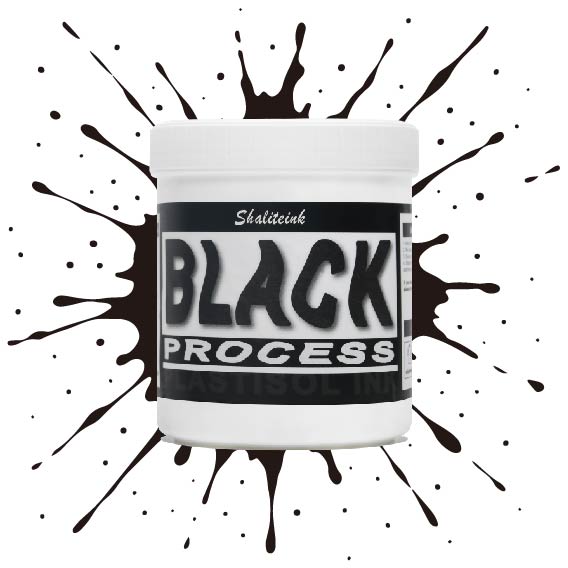
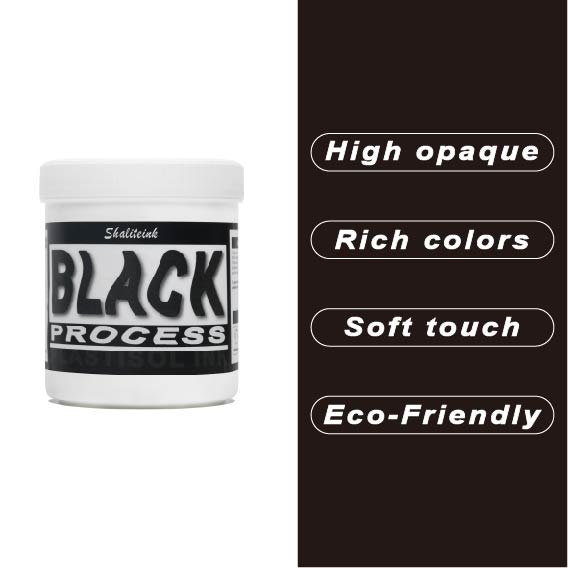
Tinta Plastisol para Serigrafia Preta Extar
Bem-vindo(a) ao Shaliteink, seu líder global em tinta plastisol para serigrafiaCom duas décadas de experiência em fabricação e vendas diretas da fábrica, orgulhamo-nos de fazer parceria com marcas mundialmente famosas para lhe oferecer qualidade premium. tinta plastisolAlém de nós, Tinta Plastisol preta Foi projetado para um melhor desempenho, oferecendo um toque suave e otimizado que aumentará a qualidade de suas impressões. Diga adeus às impressões opacas e desbotadas e abrace resultados vibrantes e intensos que só este produto oferece. shaliteink pode distribuir. Seja você trabalhando com algodão, tecidos de corte reto ou outras roupas, nosso tinta de serigrafia Oferece cobertura e durabilidade extraordinárias, tornando-se uma opção ideal tanto para profissionais experientes quanto para artistas iniciantes. Sinta a diferença que um produto premium pode fazer. suprimentos para serigrafia pode criar inúmeros clientes satisfeitos e incluir aqueles que dependem de shaliteink para suas necessidades de impressão.
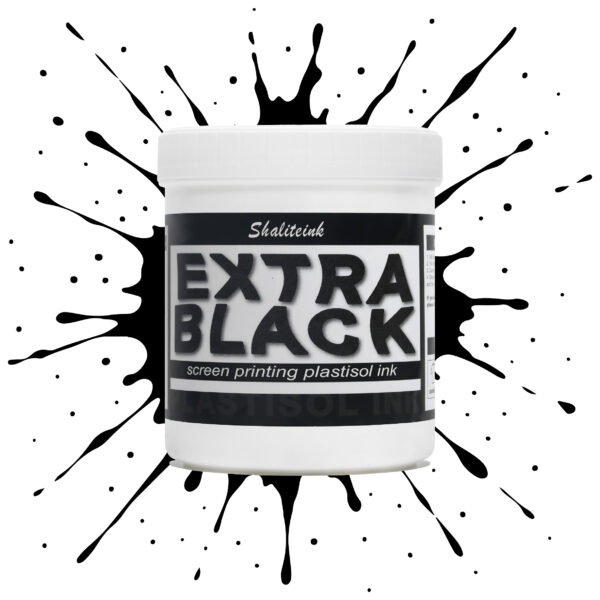
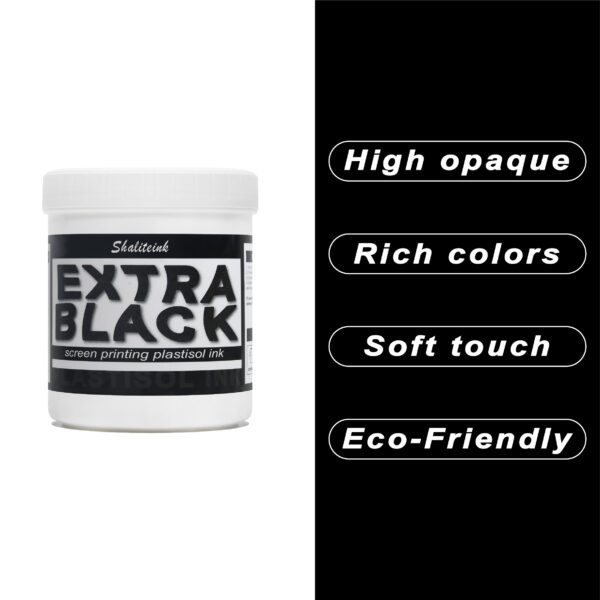
Tinta Plastisol para Serigrafia Preta Extra
Pare de se contentar com um preto "carvão" quando seus clientes pedem um preto profundo. A tinta Extra Black da Shaliteink não é apenas mais uma tinta escura; é uma potência de alta pigmentação, projetada para eliminar a transparência em uma única pincelada. Enquanto tintas pretas mais baratas muitas vezes parecem café expresso desbotado em algodão escuro, nossa fórmula oferece um acabamento denso e "preto como um buraco negro", com um toque fosco profissional que é tão bom quanto parece.
É feita para o uso diário intenso — cremosa o suficiente para cortar telas finas sem esforço, mas intensa o bastante para manter a profundidade mesmo após centenas de lavagens. Se você está cansado de imprimir duas vezes só para conseguir uma cor sólida decente, esta é a atualização que sua impressora merece. Sem enchimentos, sem tons acinzentados — apenas o preto mais profundo e confiável do mercado.
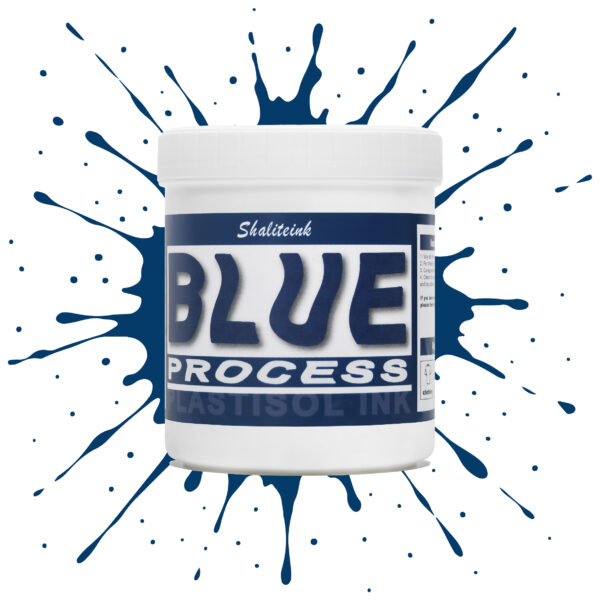
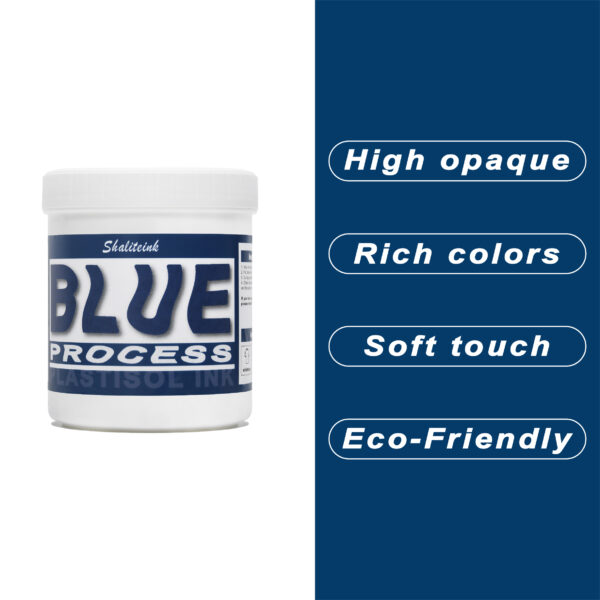
Processo de serigrafia azul com tinta plastisol.
Pare de lutar contra a tinta e comece a cumprir seus prazos. Nossa tinta Azul Processo é uma verdadeira revolução para quem está cansado de impressões CMYK "borradas" e telas de 305 mesh entupidas. Ela atinge a consistência perfeita, cremosa e suave, logo ao sair do balde — sem necessidade de diluição ou ajustes — para que você possa imprimir imediatamente designs fotorrealistas de alta definição que realmente ficam como na prova. Seja para criar camadas de verde exuberante ou roxos profundos e vibrantes, esta tinta permanece nítida e vibrante mesmo durante aquelas longas sessões de impressão até às 2 da manhã.
No fim das contas, a tinta de qualidade se paga com a velocidade de produção. Como ela não se acumula nas telas nem descasca na lavagem, você gastará menos tempo solucionando problemas e mais tempo produzindo camisetas de nível profissional. É o segredo para alcançar aquele toque macio e a precisão de cores tão desejados que fazem seus clientes voltarem sempre. Renove suas prateleiras com a Processo Azul que trabalha tanto quanto você.
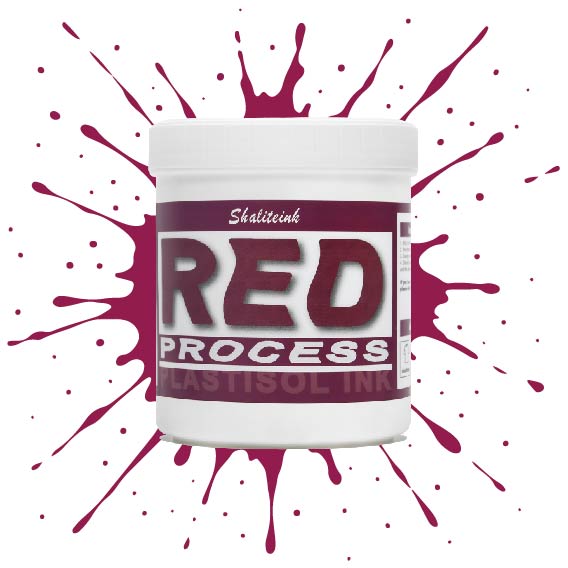
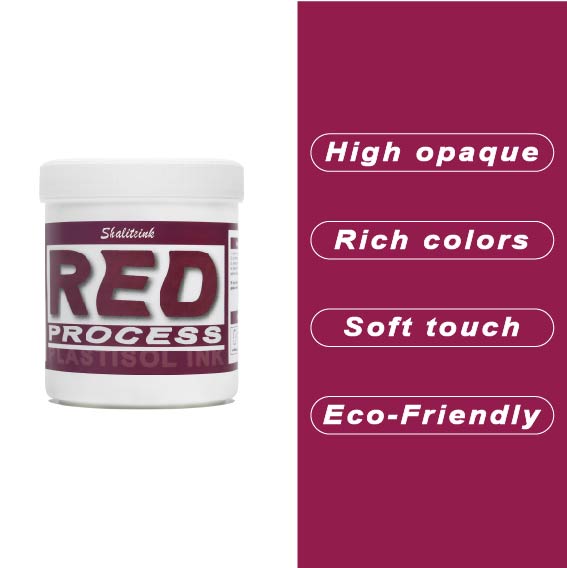
Processo de serigrafia vermelha com tinta plastisol.
Pare de se contentar com estampas "mais ou menos". Se você quer resultados com qualidade fotográfica em suas camisetas, precisa dos pigmentos certos. Nossos Processo de serigrafia vermelha com tinta plastisol. é o material translúcido essencial no mundo CMYK. Ele se mistura perfeitamente com amarelos e azuis para criar um arco-íris completo, mas permanece nítido o suficiente para evitar ganho de ponto indesejado.
Seja você um amador ou esteja começando uma pequena marca, isto é para você. Tinta plastisol Shaliteink Proporciona um acabamento profissional com toque suave, sem o uso de produtos químicos tóxicos. É livre de ftalatos e cura facilmente a 160 °C, garantindo que seus desenhos não rachem ou desbotem após uma única lavagem. Basta adquirir uma tela de 305 mesh e começar a criar magia.

Tinta plastisol CMYK amarela sem PVC – Compre online
Pare de perder tempo com tintas amarelas que ficam transparentes ou turvas assim que entram em contato com o tecido. Este amarelo de processo sem PVC é simplesmente incrível — tem a alta concentração de pigmento que você precisa para dar vida aos seus designs CMYK, principalmente quando se trata de tons difíceis de verde e laranja. Possui uma ótima aderência cremosa logo ao sair do balde e, por ser um plastisol verdadeiro, não forma película nem gruda na tela se você precisar se afastar da impressora por um tempo. É uma tinta sólida e confiável que limpa a tela sempre.
Além de ter uma ótima aparência, esta é a opção "limpa" para sua loja. É livre de ftalatos (100%) e ecologicamente correta, exatamente o que clientes e grandes marcas procuram atualmente. Você obtém aquele toque macio e sofisticado que as pessoas adoram, sem as dores de cabeça causadas por substâncias tóxicas ou odores químicos desagradáveis. É uma maneira fácil de elevar a qualidade das suas impressões para o nível profissional, mantendo seu espaço de trabalho seguro e as cores vibrantes.

Compre tinta plastisol preta sem PVC para impressão segura.
Sinceramente, se você ainda usa aquele plastisol antigo e pesado com cheiro de fábrica de produtos químicos, você só está complicando as coisas. Processo sem PVC preto É o que realmente usamos na loja quando precisamos de um preto "verdadeiro" que não pareça uma armadura na camisa. É 100% atóxico — sem ftalatos ou vapores nocivos — então você não fica inalando substâncias nocivas o dia todo. Além disso, passa por telas finas com muita facilidade, proporcionando aquele acabamento suave, pronto para venda, sem o pesadelo das tintas à base de água secando na tela.
A maioria das tintas "ecológicas" são difíceis de usar, mas esta simplesmente funciona. Ela forma uma camada fina e uniforme sobre o tecido, permitindo que a camiseta respire, e ainda assim mantém a cor escura e vibrante mesmo após cinquenta lavagens. Deixei a estampa na tela da secadora durante o intervalo do almoço e ela não entupiu, mas endureceu completamente ao entrar na secadora. É uma tinta simples e segura que deixa suas estampas com aparência profissional, sem os riscos à saúde. Se você quer manter sua loja limpa e seus clientes satisfeitos, esta é a tinta ideal.
 EN
EN  DE
DE  ES
ES  PT
PT  JA
JA
Beatriz Rocha –
Qualidade excelente e entrega rápida. Aplicação suave e desempenho confiável. Superou minha expectativa
Félix Weber –
Einfache Anwendung und zuverlässige Leistung. Funktioniert sehr gut im Alltag. Funktioniert sehr gut im Alltag. Sehr gutes Preis‑Leistungs‑Verhältnis. Funktioniert sehr gut im Alltag. Chapéu meu Erwart
Maria Oliveira –
Qualidade excelente e entrega
Michael Brown –
Aplicação suave e confiável
Brian Cooper –
Funciona extremamente bem para as minhas tarefas diárias. Superou as minhas expectativas na maioria dos casos. Aplicação suave e desempenho confiável. Aplicação suave e r
Maria Oliveira –
Funciona muito bem no dia a dia. Funciona muito bem
Lucas Gomes –
Superou minhas expectativas. S
Anna Schmidt –
Einfache Anwendung und zuverlässige Leistung. Funktioniert sehr gut im Alltag. Sehr gutes Preis-Leis
João Smith –
Aplicação suave e desempenho confiável. Funciona extremamente bem para minhas tarefas diárias. Fácil de usar e configurar.