
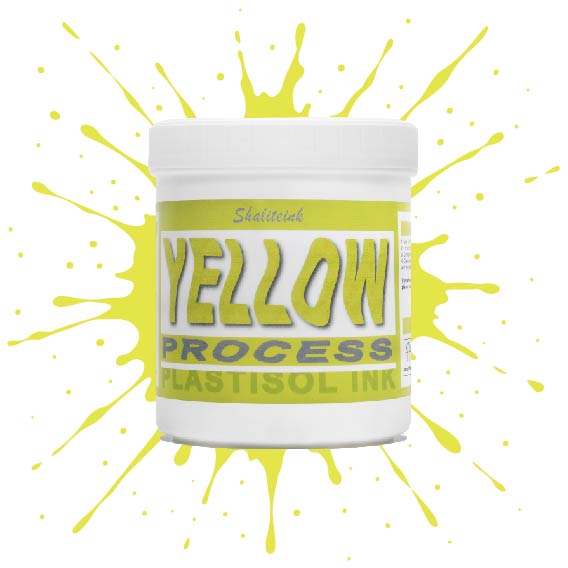
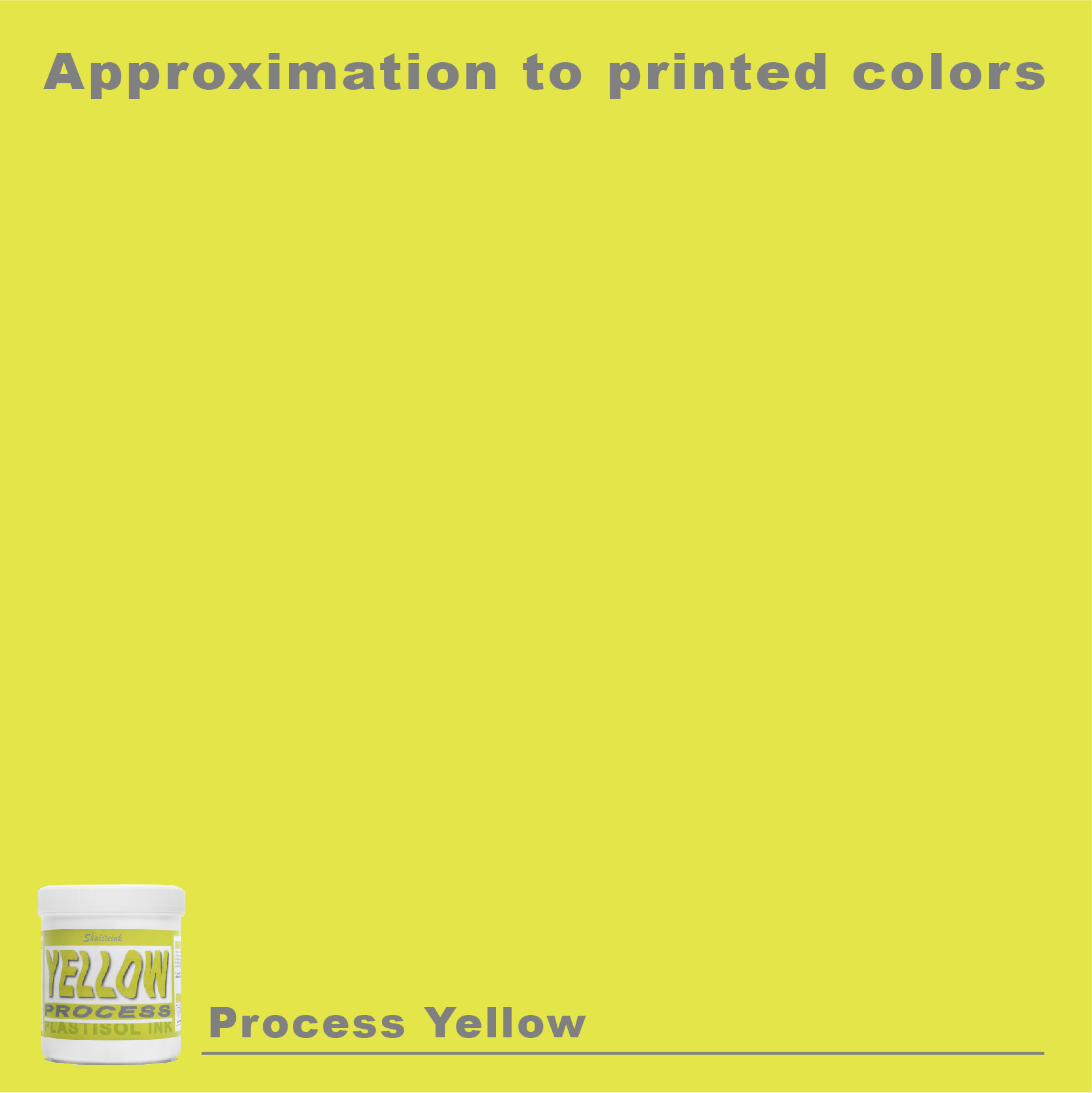
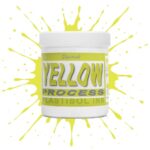


Prozessgelbe Siebdruck-Plastisoltinte
Preisspanne: $16.99 bis $29.99
Schluss mit “sumpfigen” Grüntönen: Lernen Sie Ihren CMYK-MVP kennen
Seien wir ehrlich: Ihre CMYK-Drucke sind nur so gut wie Ihr Gelbton. Wenn Ihre aktuelle Tinte zu kreidig oder deckend ist, werden Ihre Halbtonbilder zu einem verwaschenen Durcheinander. Deshalb haben wir Folgendes entwickelt: Shaliteink Prozessgelb Mit einer glasartigen Transparenz. Es ist das “fehlende Glied”, das Cyan und Magenta endlich zur Geltung bringt und so leuchtende Orangetöne und satte Waldgrüntöne erzeugt, die Kunden immer wieder begeistern.
Wir haben das gemacht Plastisol-Tinte Butterweich und sofort druckfertig. Es gleitet mühelos durch 305-Mesh-Siebe und trocknet nicht im Sieb an, während Sie in Ruhe Mittagspause machen. Ob Sie als Profi Nass-in-Nass-Drucke in Höchstgeschwindigkeit ausführen oder als Heimwerker Ihren ersten Fotoabzug perfektionieren möchten – dieses Gelb bleibt leuchtend, härtet sauber aus und gibt jedes noch so kleine Detail Ihrer Schablone präzise wieder.
Hör auf, gegen deine Tinte anzukämpfen und freu dich über die Ergebnisse! Wenn du genug von flachen, matten Farben hast, ist dieser Eimer genau das, was dir noch gefehlt hat.
Die technischen Daten:
-
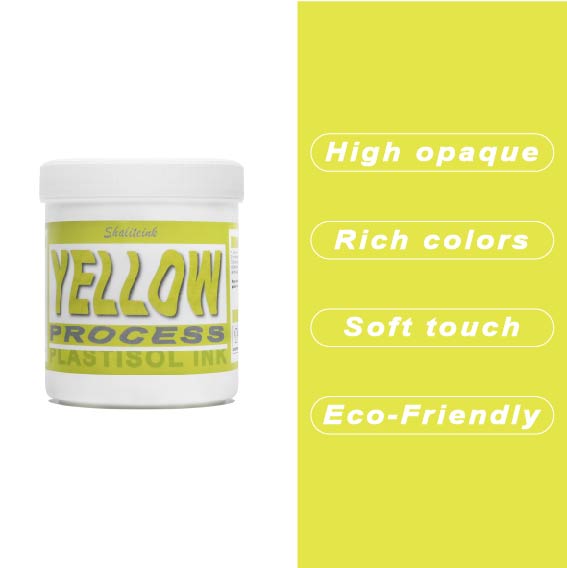
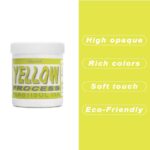
Lebendigkeit: Hohe Pigmentierung für intensive Farbtöne.
-
Konsistenz: Cremig, kurzlebig und für hohe Maschenzahlen geeignet.
-
Sicherheit: Phthalatfrei und umweltbewusst.
-
Leistung: Außergewöhnliche Waschechtheit und ein weiches, verkaufsfertiges Tragegefühl.
Die goldene Seele von CMYK: Warum Ihr Prozessgelb über Erfolg oder Misserfolg einer Druckerei entscheiden kann
Ich habe die Hälfte meines Lebens mit Tinte bedeckt verbracht und gelernt, dass die kleinsten Fehler meist mit den leuchtendsten Farben passieren. Alle reden gern von Cyan oder Magenta, aber ohne das richtige Gelb sind sie nur Beiwerk. Wenn man sich für eine billige Farbe entscheidet, kann das schnell passieren. Prozessgelbe Siebdruck-Plastisoltinte, Deine prächtigen Orangetöne sehen am Ende aus wie verrostete Rohre und dein sattes Grün verwandelt sich in Sumpfwasser. Es ist herzzerreißend, mitanzusehen, wie ein Projekt im Wert von tausend Dollar scheitert, nur weil das Gelb sich wie eine Diva benimmt.
Heute gehen wir in die Tiefe. Ich meine nicht so ein langweiliges Handbuch aus dem Klassenzimmer, sondern die Art von Erfahrungswissen, die man erst nach ein paar hundert ruinierten Hemden erlangt. Wir werden das am meisten missverstandene Teil in deinem Kleiderständer meistern. Auf geht's!
1. Die Magie des “Unsichtbarseins”
Wenn Sie eine frische Dose öffnen Shaliteink Plastisol-Tinte, Du siehst hier nicht einfach nur gelben Schleim. Du siehst ein geisterhaftes Pigment. Gelb ist nämlich die leichteste Farbe im CMYK-Farbraum. Es ist die hellste Farbe und dadurch auch die transparenteste.
Bei den meisten Druckverfahren ist Deckkraft erwünscht, um die Farbe des Shirts zu verdecken. Im Vierfarbdruck ist diese Transparenz kein Fehler, sondern genau das, was den besonderen Effekt beim Übereinanderlegen der Farben ausmacht. Stellen Sie sich das wie ein Buntglasfenster vor: Das Gelb muss lichtdurchlässig sein, damit es mit dem darunterliegenden Cyan und Magenta harmoniert. Ist das Gelb zu dickflüssig oder kreidig, wirkt das gesamte Bild leblos, flach und matt. Diese Transparenz ist unerlässlich. Plastisol CMYK-Tinte So klar wie ein Sommermorgen in der Provence.
Warum Qualität wirklich zählt
Ich habe schon von Leuten gehört, die meinten: “Gelb ist gelb.” Solche Leute bleiben meist nicht lange im Geschäft. Ein Premium-Produkt. Siebdruckfarben-Shop Die Tinte behält ihre Farbkonsistenz. Verändert sich der Gelbton mitten im Druckvorgang, passt das letzte Shirt nicht mehr zum ersten – und das ist ein sicherer Weg, einen Kunden zu verlieren.
2. Die richtige Vorgehensweise: Geben Sie nicht der Tinte die Schuld für ein schlechtes Sieb.
Ich sehe es jede Woche. Ein Drucker beschwert sich, seine Tinte sei “zu dünnflüssig”, aber er versucht, sie durch ein Sieb zu pressen, das eigentlich für Wandfarbe gedacht ist. Man muss die chemischen Prozesse berücksichtigen.
Die Anforderung an hohe Maschenweiten
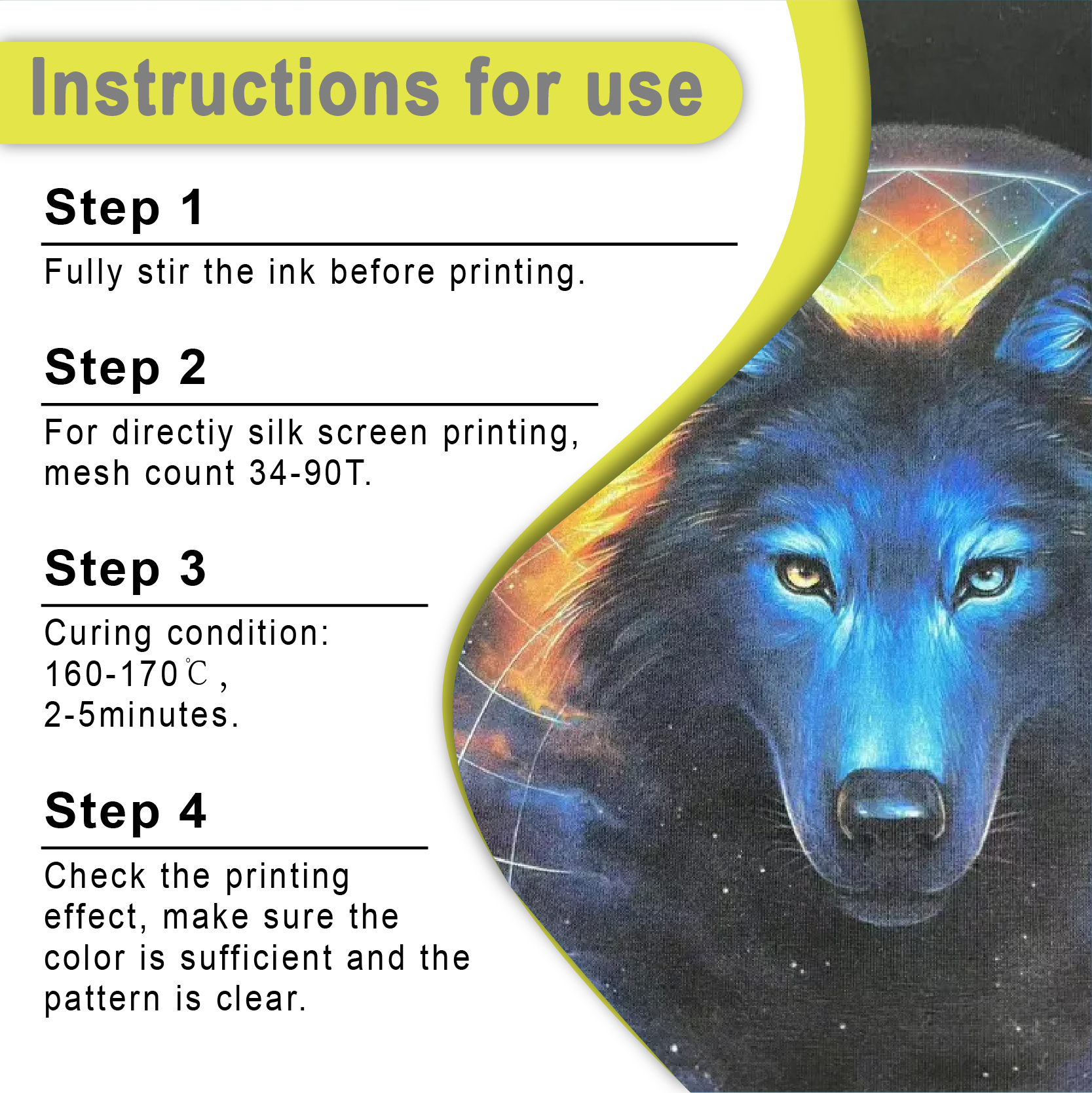
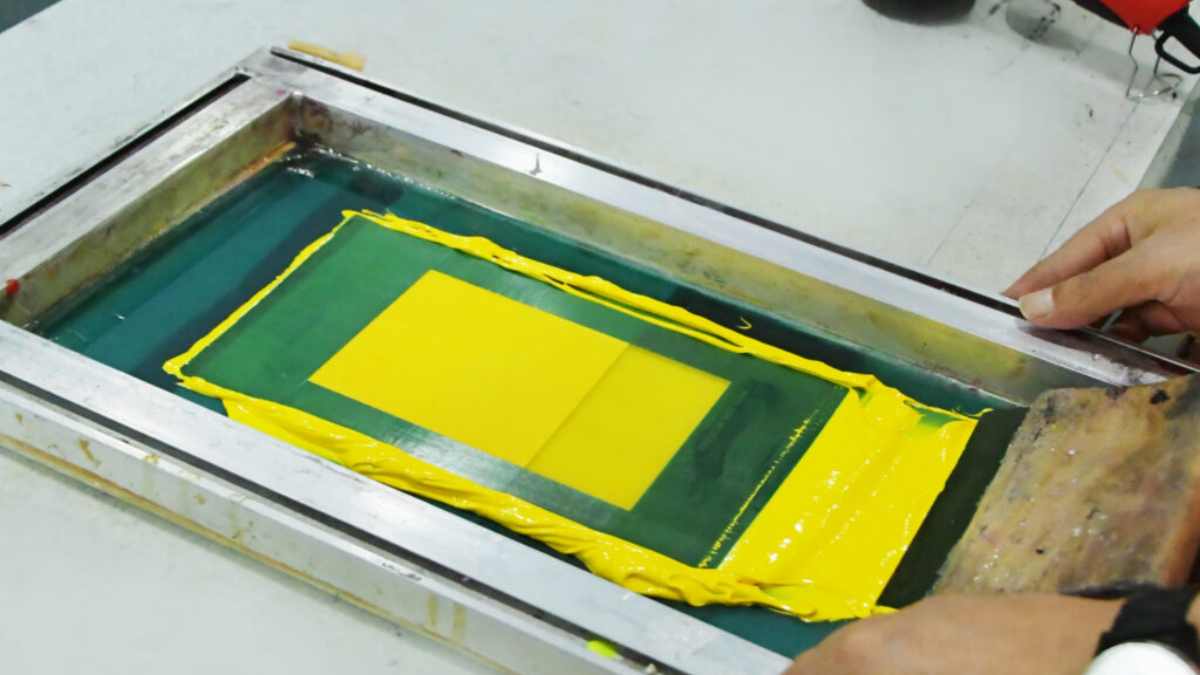
Für einen professionellen CMYK-Druck können Sie die 110er- oder 156er-Siebe getrost vergessen. Sie brauchen feinere Siebe. Ich spreche von 230 bis 305 Maschen. Shaliteink, Unser Prozessgelb ist so fein gemahlen, dass es wie Seide durch die kleinsten Siebe gleitet. Ist Ihr Sieb zu weitmaschig, gelangt zu viel Farbe hinein, und Ihre Halbtonbilder werden zu einem einheitlichen Gelbton. Das will niemand.
Emulsion: Der stille Wächter
Deine Schablone ist der Torwächter. Ich benutze Hochauflösende lichtempfindliche Emulsion Denn es hält diese mikroskopisch kleinen Partikel fest. Wenn sich Ihre Emulsion während des Druckvorgangs zersetzt, verläuft die gelbe Farbe und die Kanten werden unscharf. Dieses Problem lässt sich durch die Verwendung der richtigen Vorbereitungschemikalien vermeiden.
| Werkzeug | Meine “Profi”-Auswahl | Das “Warum” |
| Maschenzahl | 305 Gelbes Netz | Minimiert die Lichtstreuung und steuert die Punktzunahme. |
| Abzieher | 80 Durometer | Man braucht eine harte Klinge, um die Tinte sauber abzuschneiden. |
| Unterbau | Weiße PVC-freie NB-Tinte | Liefert den “Spiegel”, in dem das Gelb leuchten kann. |
| Spannung | 25+ Newton | Lose Siebe sind der Feind der Detailgenauigkeit. |
3. Der grüne Wandel: Drucken für die moderne Welt
Vor zehn Jahren war es egal, was im Eimer war, solange es am Hemd klebte. Die Zeiten haben sich geändert, und damit auch die Gesetze. Heutzutage fürchten sich große Marken vor Chemikalien wie PVC und Phthalaten.
Deshalb habe ich den größten Teil meines Ladens umgestellt auf PVC-freie Plastisol-Tinte. Man könnte meinen, es sei schwieriger zu drucken, aber Prozess Gelb PVC-frei Es hat tatsächlich einen gleichmäßigeren, kürzeren Farbauftrag. Es verläuft nicht wie herkömmliche Druckfarben. Außerdem verleiht es dem Kleidungsstück ein weiches Tragegefühl. Wenn ein Kunde mit der Hand über den Druck streicht und er sich anfühlt, als wäre er ein Teil des Stoffes, haben Sie Ihr Ziel erreicht.
4. Der Produktionstanz: Nass-in-Nass
Beim Vierfarbdruck geht es um hohe Geschwindigkeiten. Normalerweise wird nicht zwischen den einzelnen Farben geblitzt, da dies zu viel Zeit in Anspruch nimmt und die Farbschicht zu dick macht. Es wird nass-in-nass gedruckt.
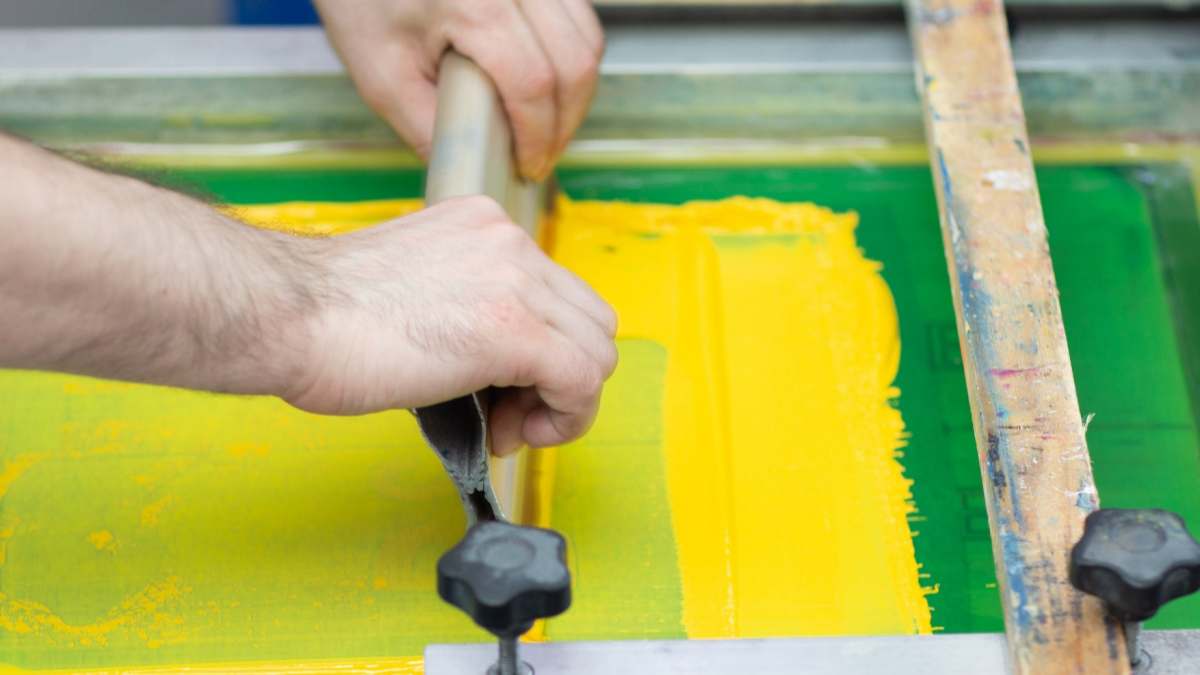
Wenn das Plastisolfarbe im Großhandel Wenn Gelb auf das Shirt trifft, nimmt es etwas von der vorherigen Druckfarbe auf. Deshalb ist die Druckreihenfolge so wichtig. Wenn Gelb am Ende der Druckreihe steht, wirkt es wie ein Filter für alle anderen Farben. Ich achte darauf, dass meine Gelbsiebe sauber sind und der Rakeldruck gering ist. Die Farbe soll das Shirt nur leicht berühren. Nicht so fest in die Fasern drücken, als wollte man ein Insekt ersticken.
5. Aushärtung: Die Gelbe Falle
Hier ist ein Geheimnis, das viele Profis verschweigen: Gelb reflektiert Hitze. Anders als schwarze Tinte, die die gesamte Wärme des Trockners aufnimmt, reflektiert Gelb sie. Ich habe schon Shirts gesehen, die sich trocken anfühlten, aber der gelbe Aufdruck blätterte beim Waschen ab, weil die Kerntemperatur nie 160 °C erreichte.
Verlassen Sie sich nicht auf das kleine Drehrad an Ihrem Trockner. Verwenden Sie ein Laser-Thermometer oder einen Heizstreifen. Stellen Sie sicher, dass Prozess Gelb Entweder wird alles komplett durchgebacken, oder du machst die Arbeit zweimal umsonst. Und glaub mir, doppelte Arbeit ist der schnellste Weg, deine Gewinnspanne zu ruinieren.
6. Fehlerbehebung in der Praxis (Die FAQ)
Ich habe im Laufe der Jahre schon viele Diskussionen mit meinen Druckmaschinenführern geführt. Hier sind die Fragen, die am häufigsten auftauchen, wenn die gelbe Farbe Probleme macht.
Frage 1: Kann ich Process Yellow auf dunklen Hemden verwenden?
A: Hör mal, du kannst es versuchen, aber du wirst enttäuscht sein. Diese Tinten sind wie getöntes Glas. Wenn du gelbes Glas auf einen schwarzen Tisch legst, siehst du … nichts. Du musst eine deckende weiße Grundierung verwenden, wie zum Beispiel die … Weiße Plastisol-Tinte für den Siebdruck. Stellen Sie sich das Weiß als das “Licht” vor, das durch die Tinte hindurchscheint.
Frage 2: Warum sieht mein Gelb nach hundert Hemden orange aus?
A: Das ist das klassische Problem der Farbaufnahme. Ihr gelbes Sieb nimmt beim Vorbeiziehen der Shirts Magentafarbe auf. Überprüfen Sie den Rakeldruck. Ist er zu hoch, drücken Sie das Shirt gegen das gelbe Sieb, das sich wie ein Schwamm verhält. Verringern Sie den Druck oder führen Sie vor der Gelbstation einen kurzen Blitz durch.
Frage 3: Die Tinte ist zu dickflüssig, um durch mein 305er-Sieb zu gelangen. Was soll ich tun?
A: Wenn es in Ihrer Werkstatt kalt ist, wird die Tinte zähflüssig. Sie können einen winzigen Tropfen verwenden. Aushärtbarer Reduzierer Um das Fließen zu fördern, aber Vorsicht! Zu viel Farbe lässt die Farbsättigung nachlassen und aus einem leuchtenden Gelb wird ein blasser Zitronengelbton. Rühren Sie die Farbe immer fünf Minuten lang um, bevor Sie sich beschweren. Reibung erzeugt Wärme, und Wärme lässt Plastisol fließen.
Frage 4: Ist Plastisol hierfür wirklich besser geeignet als wasserbasierte Farbe?
A: Wenn du deinen Tag damit verbringen willst, eingetrocknete Tinte aus deinem Sieb zu entfernen, nimm wasserbasierte Farbe. Wenn du 500 T-Shirts bedrucken und danach Mittagspause machen willst, bleib bei Farbe auf Wasserbasis. Standard-Plastisol Siebdruckfarbe. Es trocknet nicht im Siebdruckrahmen, sodass Sie unbesorgt eine Pause einlegen können. Für detailreiche CMYK-Drucke ist Plastisol nach wie vor unübertroffen.
Frage 5: Wie lange kann ich diese Sachen im Regal aufbewahren?
A: Für immer. Okay, vielleicht nicht für immer, aber ich habe schon halbvolle Eimer gefunden Lieferant von Plastisolfarben Die Produkte lagen zwei Jahre lang im Lager. Ich habe sie gut umgerührt, und sie druckten, als wären sie erst gestern hergestellt worden. Achten Sie nur darauf, den Deckel fest zu verschließen, damit kein Staub hineinkommt.
7. Der endgültige Eindruck: Es ist nicht nur Tinte.
Ich habe mal einen Auftrag für eine Surfmarke gemacht. Die hatten da ein Sonnenuntergangsfoto mit tausend Gold- und Bernsteintönen. Wir haben versucht, das mit ein paar Farbakzenten zu “manipulieren”, aber es sah furchtbar aus. Wie ein billiges Souvenir.
Dann besannen wir uns auf die Grundlagen. Wir nutzten Prozessgelbe Siebdruck-Plastisoltinte Auf einem 305er Sieb. Die Art und Weise, wie das Gelb mit dem Magenta verschmolz und diese leuchtenden Orangetöne erzeugte, war pure Poesie. Der Kunde bezahlte nicht nur die Rechnung, sondern schickte uns auch noch einen Kasten Bier.
Das ist der Unterschied zwischen einem “Drucker” und einem Profi. Geben Sie sich nicht mit “gut genug” zufrieden. Wenn Sie eine gelbe Maschine verwenden, die zuverlässig funktioniert, wird Ihr Leben einfacher. Sie verbringen weniger Zeit mit der Siebreinigung und mehr Zeit damit, tatsächlich Geld zu verdienen.
Bevor Sie das nächste Mal mit einem großen Farbauftrag beginnen, halten Sie kurz inne. Betrachten Sie das Gelb. Ist es leuchtend und sauber? Shaliteink. Dein Ruf hängt von diesem T-Shirt ab. Lass ihn dir nicht durch ein unschönes Gelb ruinieren.
Jetzt hol dir etwas Tinte an die Hände.
| Größe |
8 Unzen ,16 Unzen ,32 Unzen |
|---|
9 Rezensionen für Process Yellow Screen Printing Plastisol Ink
Filter löschenNur angemeldete Kunden, die dieses Produkt gekauft haben, dürfen eine Rezension abgeben.
Ähnliche Produkte
Kaufen Sie CMYK-blaue PVC-freie Tinte für den Siebdruck
Niemand mag ein T-Shirt, das sich wie ein dicker, gummiartiger Aufkleber anfühlt. Die meisten altmodischen blauen T-Shirts sind mit PVC vollgestopft, was eine dicke "Schorfschicht" bildet, die nach ein paar Wäschen schwitzt und rissig wird. Unser CMYK Blau PVC-freie Tinte Das ändert sich. Es ist tatsächlich weich. Es verschmilzt mit dem Stoff, anstatt nur darauf zu liegen, und verleiht ihm so das hochwertige "Einzelhandels"-Gefühl, das Boutique-Kunden erwarten. Dank seiner perfekten Transparenz gelingt das Mischen selbst der kniffligen fotorealistischen Grün- und Violetttöne spielend leicht.
Diese Tinte ist besonders pflegeleicht. Sie bleibt den ganzen Tag cremig und flüssig auf dem Sieb, sodass Sie auch bei einem Druckvorgang von 500 Shirts keine Probleme mit verstopften Sieben haben. Da sie phthalatfrei (100%) ist, eignet sie sich sowohl für Babykleidung als auch für professionelle Streetwear. Wenn Sie sauberere Druckergebnisse und Produkte wünschen, die Ihre Kunden gerne tragen, ist dieses Cyan genau das Upgrade, nach dem Sie gesucht haben.

PVC-freie CMYK-Plastisol-Tinte Schwarz kaufen – In den Warenkorb
Werten Sie Ihre Ausdrucke mit Shaliteink Bold Black auf.
Verleihen Sie Ihren Siebdruckprojekten einen professionellen Touch mit einer schwarzen Tinte, die keine Kompromisse bei Sicherheit und Stil eingeht. Unsere PVC- und phthalatfrei Die Plastisolformel liefert das tiefe, matte Finish, das Sie suchen – ohne den chemischen Geruch und die "plastikartige" Steifheit herkömmlicher Tinten.
Warum Sie das Drucken damit lieben werden:
-
Das "weiche Handgefühl": Wir haben diese Tinte so entwickelt, dass sie besonders weich ist. Sie dringt in den Stoff ein, anstatt nur auf der Oberfläche zu liegen, und erzeugt so einen atmungsaktiven, angenehmen Druck, der sich auf allem von hochwertiger Streetwear bis hin zu zarter Babykleidung hervorragend anfühlt.
-
Präzisionsleistung: Ob Sie nun am Wochenende hobbymäßig drucken oder einen Großbetrieb führen – diese CMYK-fähige Tinte fließt mühelos durch feine Siebe. Sie erhalten scharfe, klare Linien und tiefschwarze Farben ohne lästiges Verstopfen des Siebs.
-
Für die Ewigkeit gebaut: Ihre Designs sollten sich mit dem Kleidungsstück mitbewegen. Diese Tinte ist extrem flexibel und haltbar, sodass Ihre Drucke auch nach häufigem Waschen nicht reißen, abblättern oder verblassen.
Wählen Shaliteink für ein umweltbewusstes, hochwertiges Finish, das Ihre Kunden sofort bemerken werden, wenn sie den Stoff berühren.

CMYK-Rottinte, PVC-frei | Plastisol-Tinte – Jetzt kaufen
Vergessen Sie das schwere, "plastikartige" Gefühl traditioneller Drucke und entscheiden Sie sich für ein Rot, das wirklich ins Auge sticht. CMYK rote PVC-freie Plastisolfarbe Es liefert ein kräftiges, sattes "True Red", das Ihr Lieblings-T-Shirt nicht in ein steifes Vinylteil verwandelt. Es ist frei von PVC und Phthalaten und bietet Ihnen ein butterweiches Tragegefühl. Es ist sicher genug für Babys und atmungsaktiv genug für hochwertige Streetwear.
Diese für höchste Präzision entwickelte Tinte bleibt auch bei langen Produktionsläufen "offen" auf dem Sieb – das bedeutet weniger Verstopfungen und weniger Aufwand beim Auswaschen. Ob Sie sie für einen komplexen Vierfarbdruck schichten oder als leuchtende Einzelfarbe verwenden: Sie erhalten die hohe Strapazierfähigkeit einer Premium-Plastisolfarbe und gleichzeitig die Umweltverträglichkeit einer umweltfreundlichen Druckerei. Die zuverlässige, professionelle Wahl für Druckereien, die genug von giftigen Dämpfen haben und bessere Ergebnisse erzielen möchten.
Extra schwarze Plastisol-Siebdrucktinte
Willkommen bei Shaliteink, Ihr weltweit führender Anbieter von Siebdruck-Plastisolfarbe. Mit zwei Jahrzehnten Fertigungserfahrung und Direktverkauf ab Werk sind wir stolz darauf, mit weltberühmten Marken zusammenzuarbeiten, um Ihnen Premiumqualität zu bieten Plastisol-Tinte. Zusätzlich zu uns, Schwarze Plastisol-Tinte wurde für eine bessere Leistung entwickelt, die einzigartige optimale und großartige weiche Haptik bietet, die Ihre Druckqualität verbessert. Verabschieden Sie sich von matten, verblassten Drucken und freuen Sie sich auf lebendige, kräftige Ergebnisse, die nur shaliteink verteilen können. Egal, ob Sie an Baumwolle, Schichtarbeiten oder anderen Kleidungsstücken arbeiten, unsere Siebdruckfarbe bietet außergewöhnliche Deckkraft und Haltbarkeit und ist somit eine ideale Option sowohl für erfahrene Profis als auch für aufstrebende Künstler. Spüren Sie den Unterschied, den Premium Siebdruckversorgung kann unzählige zufriedene Kunden schaffen und diejenigen einschließen, die sich auf shaliteink für ihre Druckanforderungen.
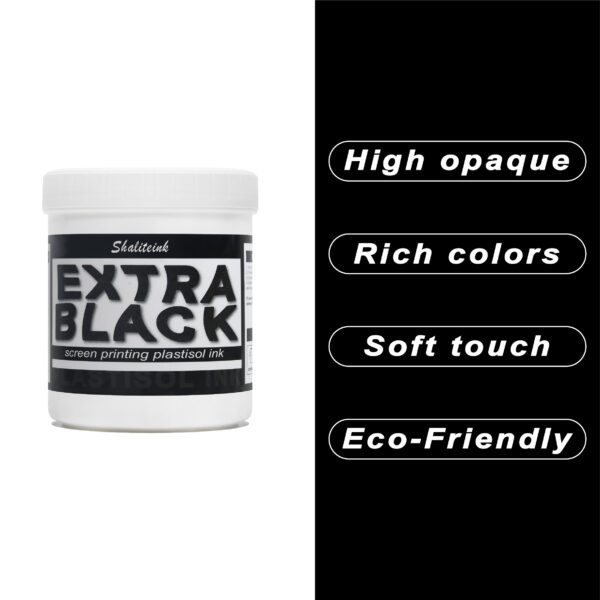
Extra schwarze Plastisol-Siebdrucktinte
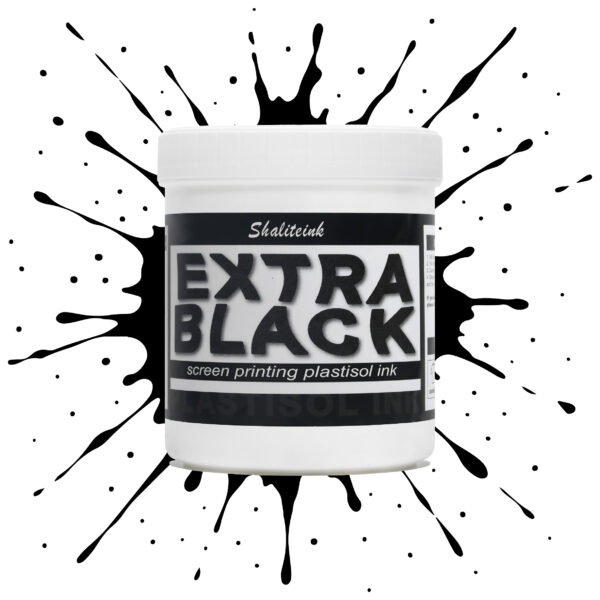
Hören Sie auf, sich mit "Anthrazit" zufriedenzugeben, wenn Ihre Kunden tiefschwarze Tinte wünschen. Shaliteink Extra Black ist nicht einfach nur eine weitere dunkle Tinte; es ist eine hochpigmentierte Kraftmaschine, die Transparenz mit nur einem Strich beseitigt. Während günstige Schwarztinten oft wie verblasster Espresso auf dunklem Baumwollstoff wirken, liefert unsere Formel ein dichtes, tiefschwarzes Finish mit einem professionellen, matten Finish, das sich so gut anfühlt, wie es aussieht.
Es ist für den täglichen Einsatz konzipiert – cremig genug, um mühelos durch feines Sieb zu stanzen, und gleichzeitig kräftig genug, um auch nach hundert Waschgängen seine Farbtiefe zu behalten. Wenn Sie es leid sind, für ein anständiges Volltonbild doppelt drucken zu müssen, ist dies das Upgrade, das Ihre Druckmaschine verdient. Keine Füllstoffe, keine Grautöne – nur das tiefste und zuverlässigste Schwarz auf dem Markt.
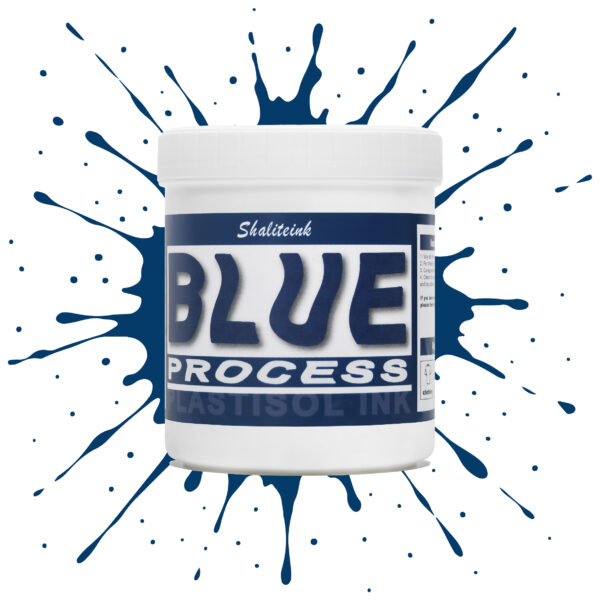
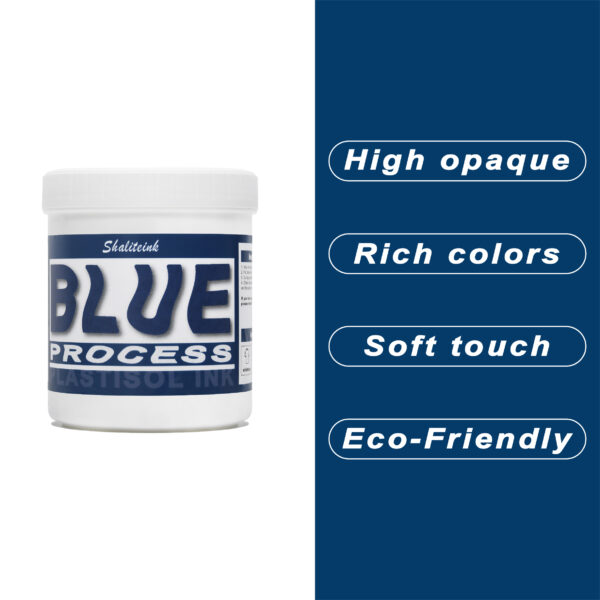
Prozessblaue Siebdruckfarbe aus Plastisol
Schluss mit dem Kampf gegen die Tinte – jetzt können Sie Ihre Deadlines einhalten! Unser Prozessblau ist die ultimative Lösung für alle, die genug von matschigen CMYK-Drucken und verstopften 305-Mesh-Sieben haben. Es hat direkt nach dem Auftragen die perfekte, butterweiche Konsistenz – kein Verdünnen oder sonstige Anpassungen nötig. So können Sie sofort mit dem Drucken hochauflösender, fotorealistischer Designs loslegen, die genauso aussehen wie der Proof. Ob Sie satte Grüntöne oder kräftige, tiefe Violetttöne in mehreren Schichten auftragen – diese Tinte bleibt selbst bei langen Arbeitssitzungen um 2 Uhr nachts brillant und gestochen scharf.
Letztendlich macht sich hochwertige Tinte durch die deutlich höhere Produktionsgeschwindigkeit bezahlt. Da sie sich nicht auf den Sieben absetzt oder beim Waschen abblättert, verbringen Sie weniger Zeit mit Fehlersuche und mehr Zeit mit der Produktion professioneller T-Shirts. Sie ist das Geheimnis für das begehrte, weiche Tragegefühl und die Farbgenauigkeit, die Ihre Kunden immer wieder begeistern. Rüsten Sie Ihr Sortiment mit der Prozessblau der genauso hart arbeitet wie du.
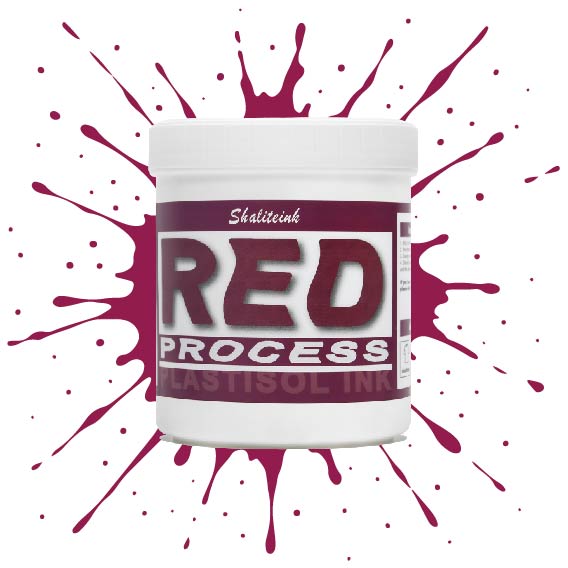
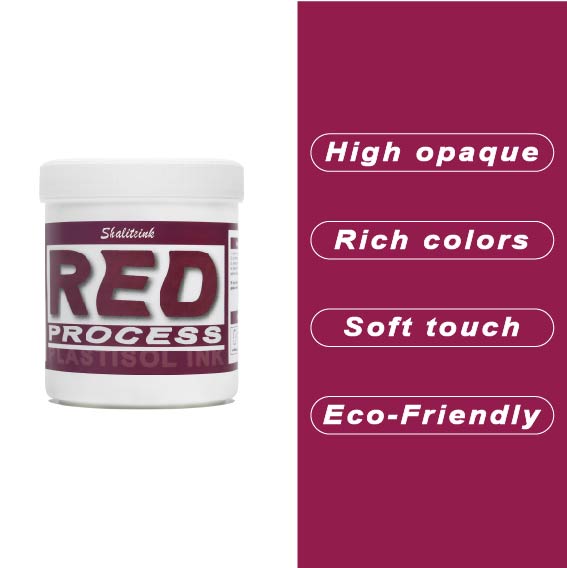
Prozessrote Siebdruck-Plastisolfarbe
Geben Sie sich nicht länger mit mittelmäßigen Drucken zufrieden. Für fotorealistische Ergebnisse auf Ihren T-Shirts benötigen Sie die richtigen Pigmente. Unsere Prozessrote Siebdruck-Plastisolfarbe ist der transparente Alleskönner der CMYK-Welt. Er mischt sich perfekt mit Gelb- und Blautönen zu einem vollständigen Farbspektrum und bleibt dabei scharf genug, um ein unschönes Punktzuwachs zu verhindern.
Egal, ob Sie ein Hobbyist sind oder eine kleine Marke gründen, dies Shaliteink Plastisol-Tinte Es verleiht Ihren Designs ein professionelles, weiches Finish – ganz ohne giftige Chemikalien. Es ist phthalatfrei und härtet problemlos bei 160 °C aus, sodass Ihre Designs auch nach dem ersten Waschen nicht reißen oder verblassen. Schnappen Sie sich einfach ein 305-Mesh-Sieb und lassen Sie Ihrer Kreativität freien Lauf.

PVC-freie CMYK-Plastisolfarbe Gelb – Online kaufen
Schluss mit gelben Druckfarben, die beim Auftreffen auf den Stoff entweder transparent oder trüb wirken! Diese PVC-freie Prozessgelbfarbe ist ein echtes Arbeitstier – sie bietet die hohe Pigmentdichte, die Sie für brillante CMYK-Designs benötigen, insbesondere bei anspruchsvollen Grün- und Orangetönen. Sie hat direkt nach dem Auftragen eine angenehme, cremige Konsistenz und bildet dank ihrer Plastisol-Eigenschaften keine Haut oder verstopft das Sieb, selbst wenn Sie die Druckmaschine kurz verlassen müssen. Diese solide, zuverlässige Farbe sorgt jedes Mal für einen klaren Druck.
Dieses Papier sieht nicht nur gut aus, sondern ist auch die umweltfreundliche Wahl für Ihren Shop. Es ist phthalatfrei (100%) und umweltfreundlich – genau das, was Kunden und große Marken heutzutage suchen. Sie erhalten die hochwertige, weiche Haptik, die so beliebt ist, ohne die damit verbundenen Kopfschmerzen oder unangenehmen Gerüche. So heben Sie Ihre Drucke ganz einfach auf Einzelhandelsqualität auf und sorgen gleichzeitig für einen sicheren Arbeitsplatz und leuchtende Farben.

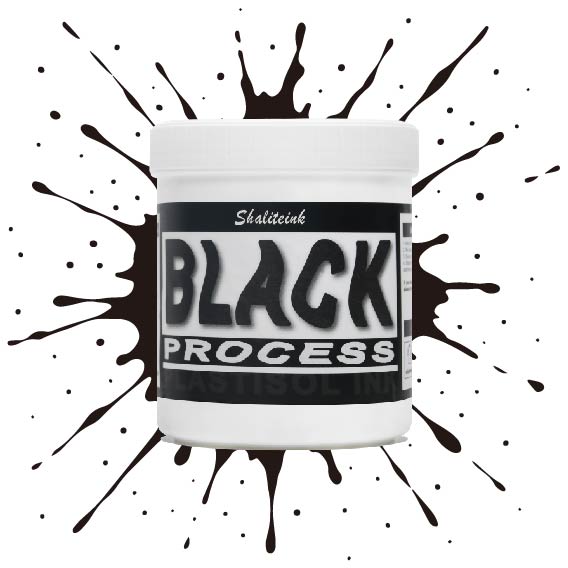
PVC-freie Plastisol-Tinte kaufen – Prozess Schwarz – Sicherer Druck
Ganz ehrlich, wenn Sie immer noch dieses altmodische, schwere Plastisol verwenden, das nach Chemiefabrik riecht, machen Sie sich das Leben nur unnötig schwer. PVC-freies Verfahren Schwarz Das ist die Farbe, die wir im Laden verwenden, wenn wir ein wirklich tiefes Schwarz brauchen, das sich auf dem Hemd nicht wie eine Rüstung anfühlt. Sie ist ungiftig (100%) – frei von Phthalaten und schädlichen Dämpfen – sodass Sie nicht den ganzen Tag Schadstoffe einatmen. Außerdem lässt sie sich mühelos durch feine Siebe verarbeiten und sorgt für ein weiches, verkaufsfertiges Finish, ohne dass wasserbasierte Farben im Sieb eintrocknen.
Die meisten "Öko"-Farben sind umständlich in der Anwendung, aber diese hier funktioniert einfach. Sie legt sich schön dünn auf den Stoff, sodass das Shirt atmen kann, und bleibt trotzdem dunkel und farbintensiv – selbst nach fünfzig Wäschen. Ich habe sie sogar während der Mittagspause auf dem Wäschenetz liegen lassen, ohne dass sie verstopft ist. Im Trockner trocknet sie allerdings komplett aus. Es ist einfach eine unkomplizierte, sichere Farbe, die Ihre Drucke hochwertig aussehen lässt, ohne gesundheitliche Risiken. Wenn Sie Wert auf Sauberkeit in Ihrem Betrieb und zufriedene Kunden legen, ist diese Farbe genau das Richtige.
 EN
EN  DE
DE  ES
ES  PT
PT  JA
JA
Beatriz Rocha –
Ausgezeichnete Qualität und sehr schnell. Höfliche Bewerbung und vertrauliche Behandlung. Superou Minhas Expecta
Felix Weber –
Einfache Anwendung und zuverlässige Leistung. Funktioniert sehr gut im Alltag. Funktioniert sehr gut im Alltag. Sehr gutes Preis-Leistungs-Verhältnis. Funktioniert sehr gut im Alltag. Hat meinen Erwart
Maria Oliveira –
Qualidade excelente e entrega
Michael Brown –
Reibungslose Anwendung und zuverlässig
Brian Cooper –
Funktioniert hervorragend für meine täglichen Aufgaben. Hat meine Erwartungen in den meisten Fällen übertroffen. Reibungslose Anwendung und zuverlässige Leistung.
Maria Oliveira –
Funciona muito bem no dia a dia. Funciona muito sein
Lucas Gomes –
Superou Minhas Expectativas. S
Anna Schmidt –
Einfache Anwendung und zuverlässige Leistung. Funktioniert sehr gut im Alltag. Sehr gutes Preis‑Leis
John Smith –
Reibungslose Anwendung und zuverlässige Leistung. Funktioniert hervorragend für meine täglichen Aufgaben. Einfache Bedienung und Bedienung.