
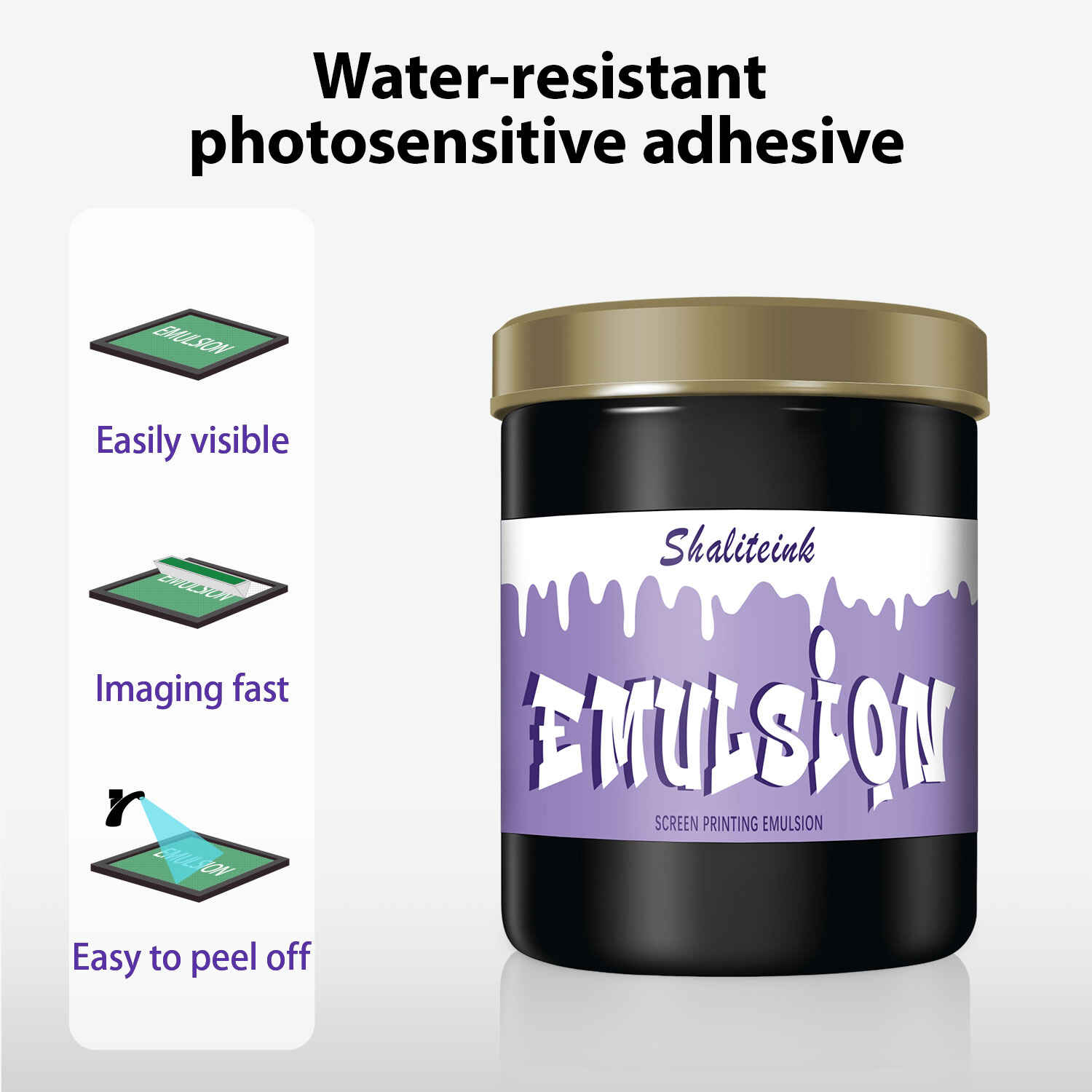
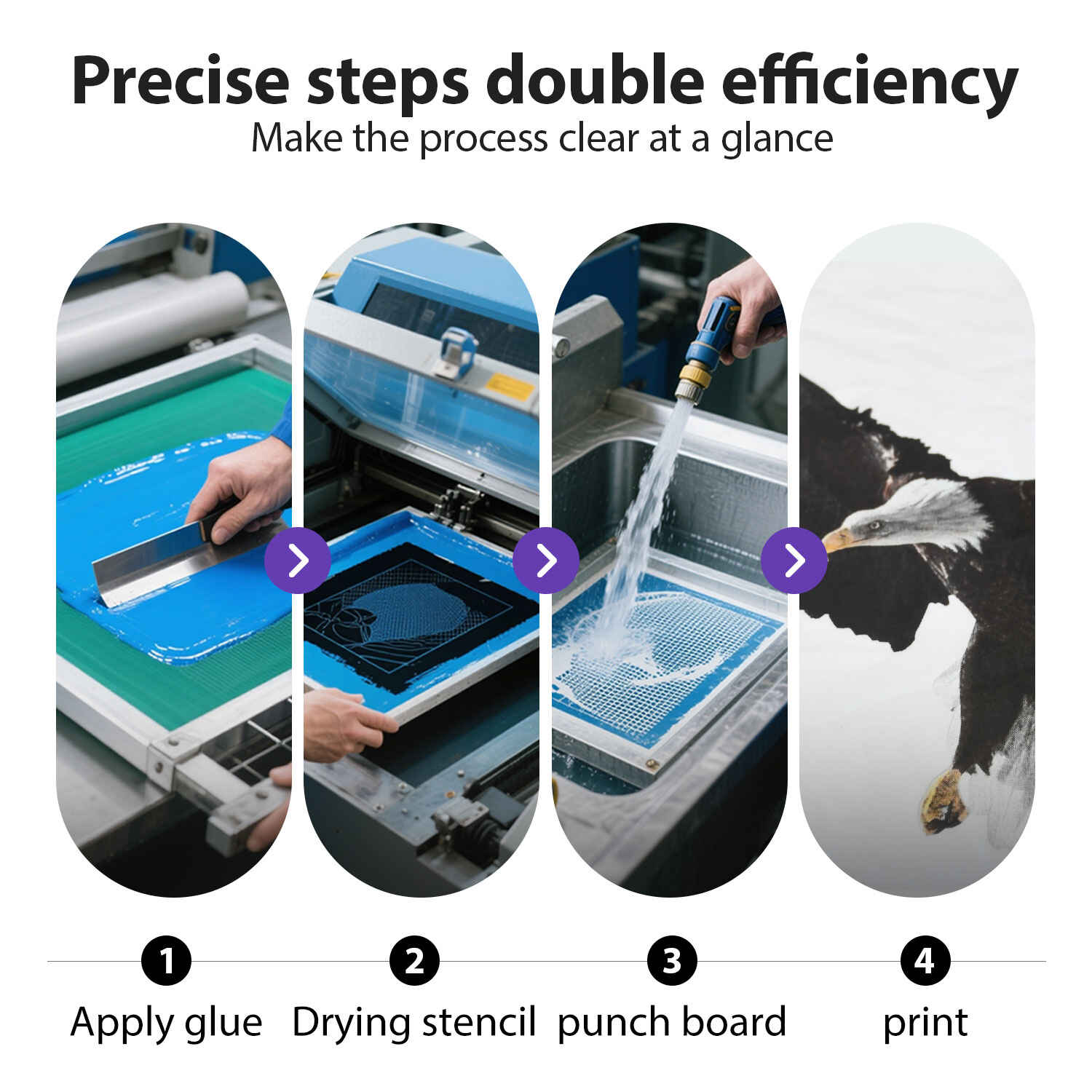
Emulsão fotossensível de alta resolução – Adicionar ao carrinho
$54.99
Pare de se estressar com linhas finas que desaparecem na lavagem. Nossos Emulsão fotossensível de alta resolução É ideal para aqueles trabalhos "impossíveis" onde o detalhe é tudo. Sua fórmula de alto teor de sólidos preenche a malha perfeitamente — sem encolhimento e sem bordas moles — proporcionando um estêncil extremamente preciso que resiste a abrasões. Tintas metálicas e produções em grande volume. É a diferença absoluta entre uma camisa com aparência "caseira" e uma que merece estar em uma prateleira de loja de luxo.
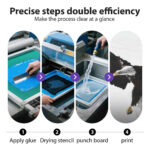
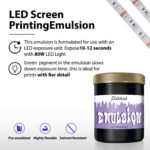
Ajustamos esta emulsão para funcionar perfeitamente com as modernas unidades de LED, permitindo que você grave telas em segundos sem comprometer a durabilidade. Ela cria uma ligação química resistente que suporta altas temperaturas. Tinta Plastisol mas ainda assim se lava facilmente quando o trabalho termina. Se você está cansado de bordas serrilhadas e da frustração de telas arruinadas, esta é a atualização que seu laboratório fotográfico estava pedindo.
A Vingança do Estêncil: Por Que Sua Emulsão de Alta Resolução Importa Mais do Que Seu Espresso Matinal
Vamos ser realistas por um segundo. São 7h da manhã. A loja cheira a uma mistura de algodão queimado e aquele aroma estranhamente doce de Tinta Plastisol. Estou na minha terceira xícara de café e encarando um trabalho que deveria ser entregue até o meio-dia.
Há alguns anos, um cliente entrou na loja — um daqueles caras da alta moda da cidade que acham que um "visual vintage desgastado" significa linhas tão finas que deixariam uma aranha com inveja. Ele queria um desenho com detalhes gravados que parecessem sussurrados no tecido por um fantasma. Estamos falando de linhas mais finas que um fio de cabelo em uma baguete fresquinha.
Pensei que podia dar um jeitinho. Usei uma tinta acrílica barata que encontrei no fundo do armário. Grande erro. Na décima camiseta, o estêncil começou a se desfazer como um croissant velho. Os traços finos viraram borrões e meu desenho "fantasmagórico" começou a parecer uma poça de lama. Não perdi apenas dinheiro, perdi também meu orgulho.
Se você está cansado de ver seus lucros irem pelo ralo junto com sua emulsão durante a lavagem, então preste atenção. Passei vinte anos... Tinta plastisol Shaliteink debaixo das minhas unhas e estou prestes a revelar a verdade nua e crua sobre estênceis.
1. Essa “gosma mágica” é, na verdade, a alma da sua loja.
As pessoas chamam isso de "emulsão". Eu chamo de guardião. Você pode comprar a impressora automática M&R mais sofisticada do mundo, mas se o seu estêncil for ruim, a sua impressão também será. Ponto final.
Essencialmente Emulsão fotossensível É um líquido que repele a luz. Quando exposto à luz ultravioleta, transforma-se numa parede de plástico extremamente rígida. Mas nem todas as "paredes" são iguais. As emulsões comuns são como construir com compensado — boas para um galpão, mas não para uma catedral.
Quando você avança para Emulsão fotossensível de alta resolução Você está construindo com concreto armado. Essas fórmulas têm um alto teor de sólidos. Enquanto as fórmulas baratas são basicamente água que evapora e deixa uma película fina e encolhida, as fórmulas de alta resolução permanecem espessas e firmes. Elas preenchem as lacunas na malha e proporcionam uma "borda precisa" que indica à tinta exatamente onde aplicar o produto.
2. A Matemática da Malha: Não Leve uma Vassoura para uma Briga de Facas
Vejo isso toda semana. Um cara tenta imprimir uma imagem em meio-tom de 65 linhas em uma tela de 110 fios. Meu Deus É doloroso de assistir. É como tentar desenhar um retrato detalhado com uma vassoura de empurrar. Simplesmente não funciona.
Se você quiser usar Emulsão fotossensível de alta resolução Para atingir seu potencial máximo, é preciso falar sobre a quantidade de malhas.
| Tipo de vaga | Contagem de malha recomendada | Por que? |
| Letras grandes em bloco | 110 – 156 | Alta deposição de tinta, mas com baixa necessidade de detalhes. |
| Logotipos padrão | 160 – 200 | O ponto ideal para a maioria Tinta Plastisol. |
| Linhas finas/Meios-tons | 230 – 305 | Necessário para bordas nítidas e camadas finas de tinta. |
| Ultrafino/CMYK | 355+ | Apenas para os impressores mais corajosos que usam Tinta Plastisol CMYK. |
Depois, temos a malha 355+. É terra de ninguém. Só os verdadeiros fanáticos se aventuram por aí. Mas olha, se você quer aquele visual de alta definição, precisa subir para a faixa de 230 a 355. Os fios são mais finos e os furos são minúsculos. Isso dá à emulsão mais microfibras para aderir. Quando você faz direito, as pessoas tocam na camiseta e perguntam se é uma transferência térmica. Eu só rio. "Não, amigo", eu digo, "isso é só uma serigrafia feita direito."“
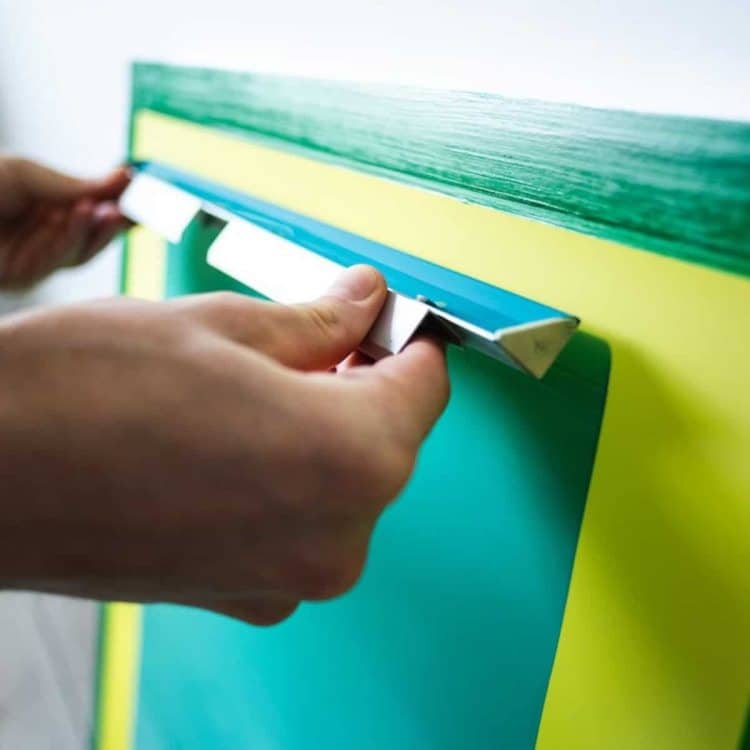
3. O Aperto de Mãos Químico: Será que sua tinta e emulsão vão se divorciar?
Pense na sua tinta e emulsão como um casamento. Algumas são uma combinação perfeita, mas outras brigam até que tudo termine em um divórcio caro e conturbado na sua impressora.
Se você estiver pressionando Tinta de serigrafia metálica Então, basicamente, você está passando lixa líquida na sua tela. Aquelas minúsculas partículas de metal são abrasivas e corroem um estêncil frágil em minutos. Você precisa de um equipamento que aguente o tranco.
Depois, há o grupo dos "ecológicos". Se você estiver usando Tinta Plastisol sem PVC Então você deve ter notado que a textura é diferente. É mais cremosa, mas pode ser um pouco delicada. Precisa de um estêncil perfeitamente curado, senão os componentes químicos da tinta podem amolecer a emulsão. Eu sempre digo: se você está investindo em tinta premium, é porque vale a pena. Tinta de serigrafia dourada plastisol Então não economize na emulsão.
4. O Ritual da Câmara Escura: Por que “Quase Seco” é uma Mentira
Olha, eu sei que seu "quarto escuro" pode ser só um armário com uma lâmpada amarela fraca e um sonho. Mas se você quer resultados profissionais, tem que agir como um cientista.
Uma tela subexposta é um desastre anunciado. É uma bomba-relógio no seu quarto escuro. Claro que parece bom quando você está lavando, mas depois de cinquenta camisetas, vai ficar... Tinta Plastisol começa a roer o estêncil por dentro.
Troquei as lâmpadas antigas por uma unidade de LED e nunca me arrependi. Passei de queimaduras de cinco minutos para quinze segundos. É uma mudança radical. É rápida e atinge o espectro UV exato (365-405 nm) que... Emulsão fotossensível adora. Só não seja preguiçoso — use um teste de degrau se estiver usando um Kit de tinta para serigrafia.
5. Reivindicando: A Parte Que Todo Mundo Odeia (Mas Eu Amo)
Por que eu adoro reciclar? Porque é onde você vê a qualidade do seu trabalho. Um bom Emulsão fotossensível de alta resolução Deve sair facilmente se você usar os produtos químicos corretos.
O Aviso Dourado: Nunca, jamais deixe o removedor de emulsão secar na tela. Fiz isso uma vez em 1998. Recebi uma ligação e me afastei. Quando voltei, a emulsão tinha "grudado" na tela. Era praticamente permanente, então tive que jogar o quadro inteiro fora. C'est la vie.
Use uma lavadora de alta pressão. É a única maneira de remover as "imagens fantasmas" da tela, para que seu próximo trabalho com Tinta branca para serigrafia, livre de PVC, NB Não possui sombras da anterior.
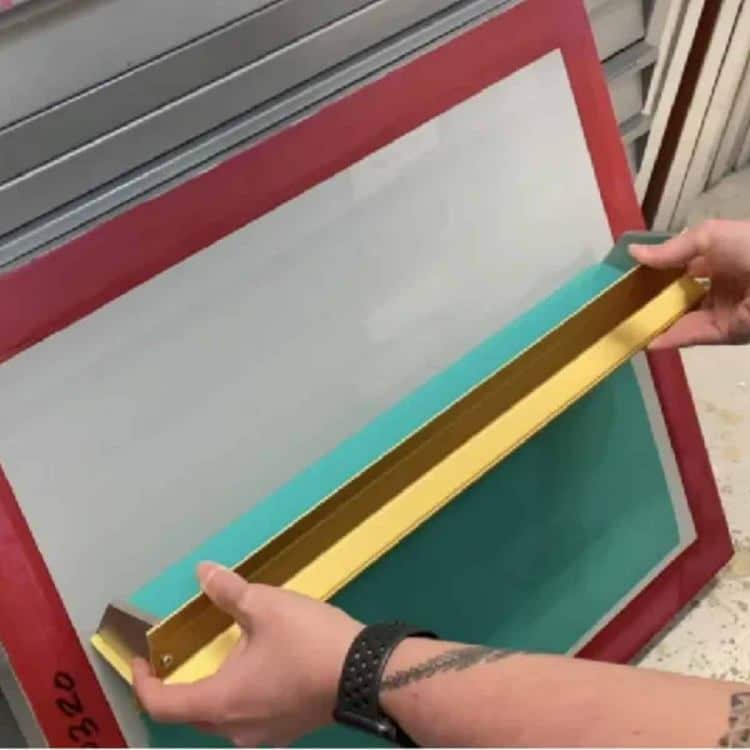
6. Solução de problemas como um profissional
| Sintoma | Diagnóstico | A Cura |
| “Bordas em ”dente de serra” | A emulsão está muito fina ou a malha é muito fina. | Use um Emulsão de Alta Resolução e casaco 2-1. |
| Pequenos “furos” | Poeira no quarto escuro ou bolhas de ar. | Limpe o vidro e deixe a emulsão misturada repousar por 2 horas. |
| O estêncil quebra na prensa. | Subexposição. | Realize um teste de degrau e aumente o tempo de exposição à luz. |
| A tinta não apaga da tela. | O estêncil é muito grosso. | Use uma malha com maior número de fios ou menos camadas de tecido. |
7. Perguntas Frequentes (Papo Sincero)
P: Eu realmente preciso de um quarto escuro?
A: Você precisa de luz "segura". Se sua garagem tem janelas, o sol está expondo suas telas antes mesmo de você tocá-las. Não lute contra a física.
P: Como faço para obter Tinta prateada para serigrafia Para parecer metal de verdade?
A: Tudo depende do estêncil. Um estêncil nítido e de alta resolução permite que os flocos metálicos se depositem uniformemente, como telhas em um telhado. Se o estêncil for mole, os flocos se depositam de lado e o brilho desaparece. A magia se perde.
P: Por que meu Kit de tinta para impressão NB para iniciantes Você se sente diferente?
A: Porque é "à prova de sangramento". Foi desenvolvido para impedir a migração da tinta no poliéster. Essas tintas são mais espessas, por isso precisam de um estêncil resistente para contê-las.
P: Por que minha tela parece um pirulito usado mesmo depois de secar por três horas?
A: A umidade é a assassina silenciosa de um bom estêncil. Se o ar na sua oficina estiver abafado, a emulsão nunca vai secar completamente — ela simplesmente permanece pegajosa. Se não estiver totalmente seca quando você a expuser à luz UV, a reação química não ocorrerá corretamente. Você acabará com uma camada estranha que bloqueia a sua aplicação. Tinta Plastisol para evitar que a umidade atinja a camisa. Eu sempre digo para as pessoas: comprem um desumidificador barato e mantenham a umidade do quarto escuro abaixo de 40%. Caso contrário, vocês estarão convidando decepções para a sua linha de produção.
P: Posso usar aquele balde de emulsão meio vazio que encontrei no fundo do armário?
R: Só se você gostar de desperdiçar dinheiro e estragar roupas. Se for um fotopolímero de cura dupla (aquele em que você precisa misturar com o frasquinho de diazo), ele geralmente tem um "tempo de vida útil" de um ou dois meses. Depois disso, os componentes químicos fotossensíveis perdem a eficácia e não aderem mais à tela. No entanto, se você estiver usando um fotopolímero pré-sensibilizado de um profissional... Loja de tintas para serigrafia, Pode durar até um ano. Minha regra geral? Se cheirar a pântano ou tiver a consistência de queijo cottage granulado, jogue fora. Sua reputação vale muito mais do que um balde de $60 de gosma vencida.
Concluindo: O Golpe Final
Olha, eu acompanho tendências há duas décadas. As pessoas sempre dizem que o digital vai acabar com a serigrafia, mas estão enganadas. Existe algo que não se consegue replicar com uma impressora — aquela sensação tátil e a robustez de uma camiseta de verdade.
Mas essa “alma” começa na câmara escura. Começa com uma tela limpa e uma camada de Emulsão fotossensível de alta resolução.
Da próxima vez que você se sentir tentado a comprar algo barato, pense naquele cliente de alta costura. Pense naquelas linhas "fantasma". Você quer ser o cara que diz "Não consigo fazer isso" ou o cara que entrega uma camisa que parece uma obra de arte?
A escolha é sua. Agora vá limpar o seu revestidor de pá. Está imundo.
Apenas clientes conectados que compraram este produto podem deixar uma avaliação.
Produtos relacionados
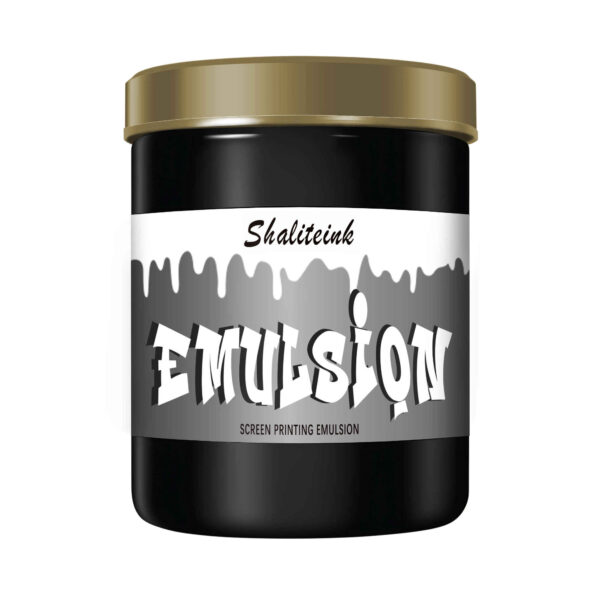
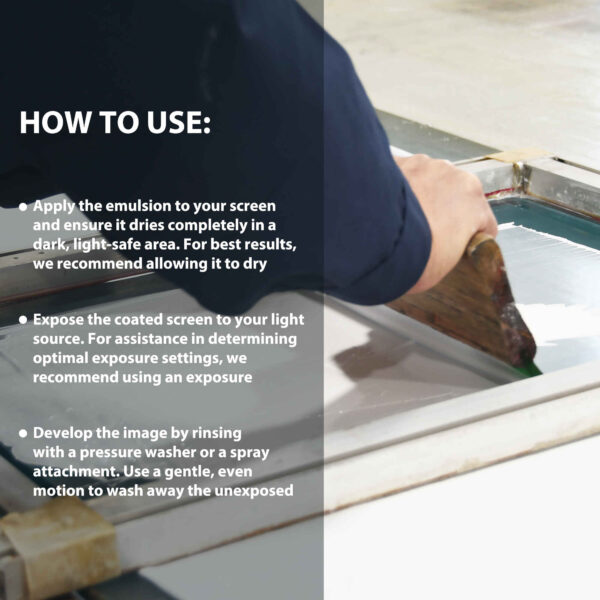
Compre emulsão fotossensível premium de dupla cura para serigrafia.
Pare de cruzar os dedos toda vez que for para a cabine de lavagem. A maioria das emulsões "básicas" tem a paciência de uma criança pequena — um segundo a mais sob a luz e seus detalhes mais delicados estão perdidos. Nossas emulsões para iniciantes têm a paciência de uma criança pequena — um segundo a mais sob a luz e seus detalhes mais finos estão perdidos. Emulsão Premium de Cura Dupla Proporciona a "folga" que você tanto deseja. Ao misturar uma base de alto teor de sólidos com um toque de Diazo, você obtém um estêncil que captura meios-tons extremamente nítidos e permanece resistente mesmo após milhares de passagens de rodo, sem qualquer desgaste.
Se você está pressionando grosso Plastisol padrão ou complicado Efeitos Especiais, Este material mantém-se rígido e impecável até o fim do processo. É praticamente um seguro para a sua loja, evitando aquelas frustrantes retrabalhos às 2h da manhã e o desperdício de peças. Ele adere suavemente, seca rapidamente e recupera a forma sem dificuldades, permitindo que você gaste menos tempo esfregando telas e mais tempo realmente ganhando dinheiro.
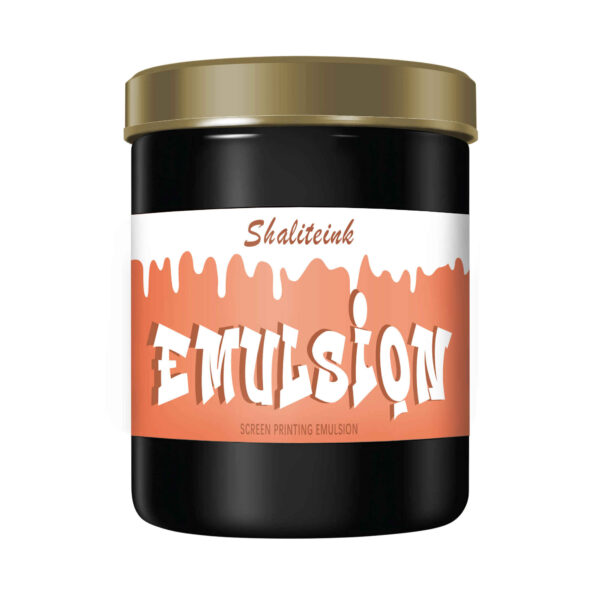
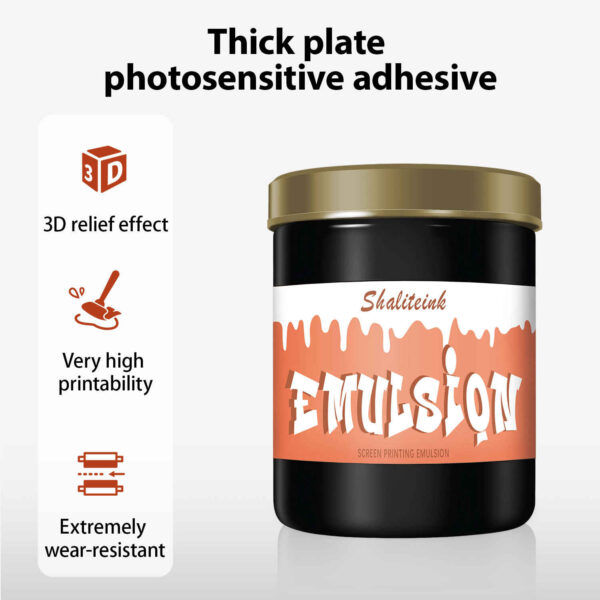
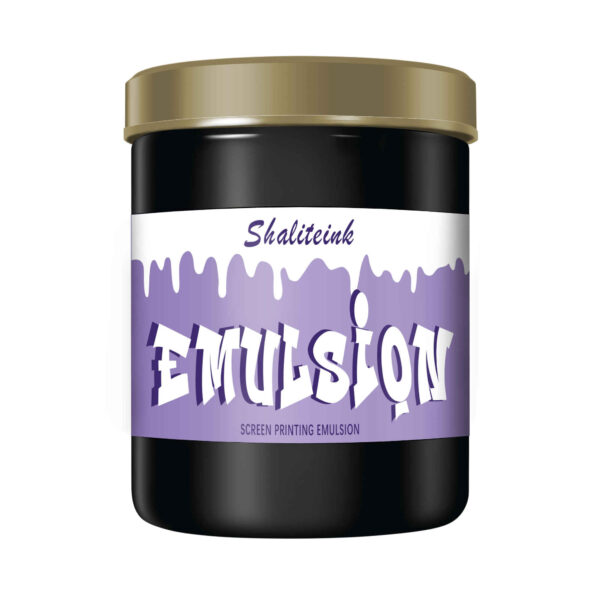
Emulsão fotossensível de alta densidade – Escolha seus sabores
Já se perguntou como os profissionais conseguem aqueles designs 3D nítidos que se destacam em uma camiseta? Não é mágica, mas sim a ciência por trás do nosso trabalho. Emulsão fotossensível de alta densidade Shaliteink. Passei vinte anos na câmara escura. Desenvolvi esta fórmula para criadores que se recusam a se contentar com impressões planas e sem graça. Com um teor de sólidos ultra-alto, ela permanece exatamente onde você a coloca e não encolhe ao secar. Funciona. Você obtém um estêncil que age como uma parede de tijolos sólida e permite aplicar camadas de tinta para aquele visual profissional e impactante sempre.
Você não precisa de uma fábrica enorme para obter resultados de nível internacional, porque eu trouxe essa tecnologia industrial para o seu espaço criativo. É resistente. Nossa emulsão é incrivelmente maleável, mas oferece a mesma durabilidade exigida pelas marcas globais de alta qualidade. Ela atende integralmente aos padrões de segurança modernos, sendo segura para você e seus clientes. Basta combiná-la com nossa tinta plastisol sem PVC para criar peças vibrantes e atóxicas que realmente duram. Pare de perder tempo. Comece a criar impressões 3D que as pessoas podem sentir.
 EN
EN  DE
DE  ES
ES  PT
PT  JA
JA
Avaliações
Limpar filtrosNão há avaliações ainda.