
Blogue
Como imprimir em poliéster sem estragar seu design

Índice
Já estive nessa situação mais vezes do que gostaria de admitir. Você termina um grande pedido de camisas esportivas vermelhas e elas ficam ótimas no cabide. Você volta para casa se sentindo bem, achando que fez um ótimo trabalho. Mas, na manhã seguinte, você retorna à loja e se depara com um desastre. Aqueles logos brancos impecáveis? Não são mais brancos. Estão com um tom rosa opaco e doentio.
É um golpe duro. Seu lucro da semana se foi porque você precisa repor as peças brutas. Seu cliente vai ligar a qualquer minuto. E aquele equipamento novo que você queria comprar? Pode esquecer por um tempo.
O que você está vendo é a migração de corante. É o maior problema no ramo de estamparia de vestuário, mas você não precisa deixar que isso arruine seus negócios. Shaliteink, passamos muito tempo tentando entender a química de Tinta Plastisol Assim, você pode evitar o que eu chamo de Desastre Rosa. Quero mostrar exatamente como estampar nesses tecidos sintéticos sem enlouquecer ou gastar muito dinheiro.
1. Por que o poliéster é tão problemático?
Para resolver o problema, é preciso entender por que ele acontece. O algodão é fácil de trabalhar porque é uma fibra natural que absorve a tinta e permanece assim. O poliéster é diferente. É basicamente um tecido à base de plástico.
A maioria dos poliésteres é tingida com corantes dispersos. Esses corantes funcionam bem até o tecido aquecer. Quando a temperatura atinge cerca de 300 graus durante o processo de cura, esses corantes se transformam em gás. Esse gás penetra na tinta e altera a cor. Muitas pessoas chamam isso de sublimação. É o principal motivo pelo qual tantas gráficas ficam apreensivas ao se depararem com uma pilha de camisetas de poliéster 100% em uma encomenda.
Temperatura e risco de migração
| Temperatura da superfície | O que acontece com o corante? | Nível de risco |
| Abaixo de 280°F | Os corantes ficam retidos na fibra. | Baixo |
| 290°F – 310°F | Os corantes começam a se misturar à tinta. | Médio |
| 320°F ou mais | A sublimação total do gás acontece | Muito alto |
Fonte: Estudo sobre as propriedades térmicas de corantes sintéticos, ScienceDirect.
2. Escolher a tinta certa faz a diferença.
Vejo isso acontecer com frequência. Alguém pega um instrumento básico Kit inicial de serigrafia e acham que estão prontos para aceitar um pedido de um time esportivo. Normalmente, não dá certo.
As tintas padrão são feitas para curar a 160°C (320°F). Mas, como os dados mostram, essa é exatamente a temperatura em que os corantes do tecido começam a se transformar em gás. O resultado é um problema. Se você não aquecer a tinta o suficiente, ela desbota. Se a aquecer corretamente, a estampa muda de cor.
É por isso que nos concentramos tanto na tinta plastisol Shaliteink. Nossa tinta plastisol antimigração para serigrafia realmente faz a diferença. Ela funciona como um escudo para a sua impressão. Possui bloqueadores em sua fórmula que capturam fisicamente o gás da tinta antes que ele atinja as cores da superfície.
3. Como eu realmente imprimo em poliéster
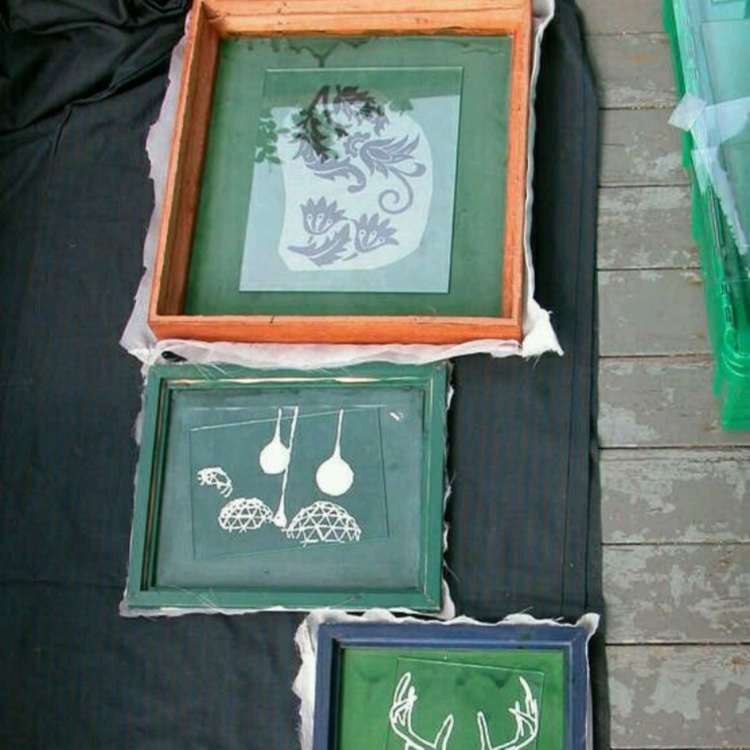
Se você deseja uma estampa que mantenha as cores vibrantes mesmo após dezenas de lavagens, este é o processo que utilizo há muito tempo na minha própria loja.
A malha certa
Primeiro, você precisa escolher a sua tela. Não é recomendável uma tela com uma contagem de fios alta, como 200, para a camada base. Você precisa de uma camada espessa de tinta para servir como barreira. Normalmente, recomendo uma tela com 86 ou 110 fios para a base, ou a tinta cinza antimigração.
A camada de barreira
Antes de aplicar qualquer tinta branca, você precisa dessa barreira. A única função dessa camada é ficar sobre o tecido e impedir que os corantes subam. É a etapa mais importante de todo o processo.
Piscando
Aqueça a barreira até que ela fique seca ao toque. Isso geralmente leva apenas alguns segundos sob uma boa unidade de flash. Tenha cuidado para não aquecer demais. Se aquecer demais, a próxima camada de tinta não aderirá corretamente. O ideal é que ela esteja gelificada, não completamente seca.
Cores da base e da superfície
Agora você pode imprimir sua tinta serigráfica branca sem PVC sobre essa barreira. Depois de fixada, você pode adicionar seu Tinta Plastisol CMYK ou outras cores.
Ao colocar a roupa na secadora, mantenha a temperatura baixa e a esteira lenta. Eu tento manter a superfície da roupa a cerca de 143°C (290°F). Na minha experiência, a maioria das secadoras não mostra a temperatura real no visor. Eu sempre uso um termômetro infravermelho ou uma sonda circular para verificar a temperatura real na esteira.
4. Mantendo-o limpo e seguro
Se você trabalha com times juvenis ou marcas premium, a tinta sem PVC geralmente é a melhor opção. Essas tintas não contêm ftalatos e não são tóxicas. Além de serem mais seguras, as tintas modernas, como o nosso Azul Brilhante Vibrante, proporcionam uma sensação muito melhor na camiseta. Elas têm um toque mais macio, então a estampa não fica com a sensação de um pedaço pesado de plástico no peito do atleta.

5. Uma história do campo: Mike em Chicago
Tenho um amigo em Chicago chamado Mike que imprime muitos uniformes de basquete do ensino médio. Durante anos, ele perdeu cerca de 15% do seu estoque devido à migração da tinta. Ele comprava a tinta mais barata que encontrava online, pensando que estava economizando dinheiro.
Conseguimos para ele um plano de atacado de tinta para serigrafia e o ajudamos a usar tintas de baixa temperatura de cura. Ele não precisou comprar uma nova secadora nem contratar novos funcionários. Apenas trocou a tinta. O desperdício caiu para quase zero. Em seis meses, ele economizou quatro mil dólares que teriam ido para o lixo. No fim das contas, uma tinta de boa qualidade é mais barata do que camisetas estragadas.
6. Perguntas frequentes que ouço
Q1: É possível usar tinta à base de água em poliéster?
Você pode tentar, mas geralmente dá errado. É preciso usar tanto calor para evaporar a água que a tinta borra quase imediatamente. Usar um fornecedor de tinta plastisol que entenda de fórmulas de baixa transferência de tinta torna todo o processo muito mais simples.
Q2: Tinta de baixa dispersão é o mesmo que uma base antimigração?
Na verdade, não. A tinta de baixa absorção resiste ao corante, mas uma base antimigração específica oferece uma proteção muito mais eficaz. Se você estiver imprimindo branco em uma camiseta de poliéster vermelha escura ou azul-marinho, essa barreira é realmente necessária.
Q3: E se a tinta rachar quando a camisa for puxada?
Se a tela rachar ao ser puxada, significa que o tempo de cura não foi suficiente. O poliéster é elástico, portanto, você deve usar uma tinta plastisol elástica para serigrafia que acompanhe os movimentos do tecido. Além disso, se a tela estiver se desfazendo durante a impressão, verifique a emulsão fotossensível e o tempo de exposição antes de culpar a tinta.
Q4: O que preciso para começar a imprimir camisas?
Se você está começando agora, sugiro um kit de tinta para serigrafia em camisetas. Ele elimina as dúvidas na hora de escolher os produtos químicos certos.
Q5: Por que minhas estampas pareciam perfeitas ao saírem da esteira da secadora, mas ficaram rosadas dois dias depois?
Esta é a versão "discreta" da migração de corantes. Se você embalar suas camisetas enquanto elas ainda estiverem quentes, o calor ficará retido na pilha. Esse calor residual impede a liberação de gases do corante por horas. Sempre deixe suas peças esfriarem completamente até a temperatura ambiente antes de empilhá-las ou embalá-las. Se o centro da pilha permanecer a mais de 65°C dentro da caixa, você estará basicamente criando um desastre em tempo recorde.
Considerações finais
Imprimir em poliéster não precisa ser uma loteria. É basicamente uma questão de ciência e paciência. Se você controlar bem a temperatura e usar tinta de boa qualidade, suas camisetas ficarão tão boas quanto as profissionais. Não deixe que a tinta borre estrague as margens. Proteja o tecido contra manchas e mantenha a secadora em temperatura baixa.
Se você quiser ver o que estamos usando na loja, dê uma olhada nas opções mais recentes de tinta plastisol da Shaliteink. Isso vai facilitar muito a sua vida.
 EN
EN  DE
DE  ES
ES  PT
PT  JA
JA