
Blog
Plastisol Ink for Screen Printing: Why Many Printers Still Stick With It


Table of Contents
In day-to-day printing, most decisions aren’t made in theory. They’re made on the shop floor. And that’s exactly why plastisol ink for screen printing is still around and still widely used.
One thing printers often mention is how stable it feels on press. Plastisol ink doesn’t suddenly change because the room gets warmer, or because a screen sits for a few minutes longer than planned. You can pause, adjust, come back—and the ink is still doing what you expect it to do. That alone saves a lot of unnecessary headaches during production.
Opacity is another reason people keep using it. With plastisol ink for screen printing, colors don’t wash out visually, even on darker garments. In most real jobs, that just means fewer test pulls and less tweaking. You print, it looks right, and you move on.
You’ll also hear some printers say it’s just easier to keep things consistent this way. Once settings are dialed in, there’s less second-guessing between jobs, especially when orders repeat.
From a workflow point of view, plastisol ink is simply easy to work with. It runs on manual presses and automated lines without asking for special treatment. If a shop plans to scale, this kind of flexibility makes life easier down the road.
One thing I’ve noticed over the years is that plastisol ink screen printing is pretty forgiving during setup. If your off-contact isn’t perfect or the pressure’s a little off, it usually still prints fine. Saves a lot of headaches when things aren’t ideal, which is almost every day in a busy shop.
Then there’s durability. Once cured, plastisol prints generally hold up well. They survive regular washing and everyday wear without fading too quickly. For uniforms, workwear, or retail pieces, that kind of reliability matters more than fancy features.
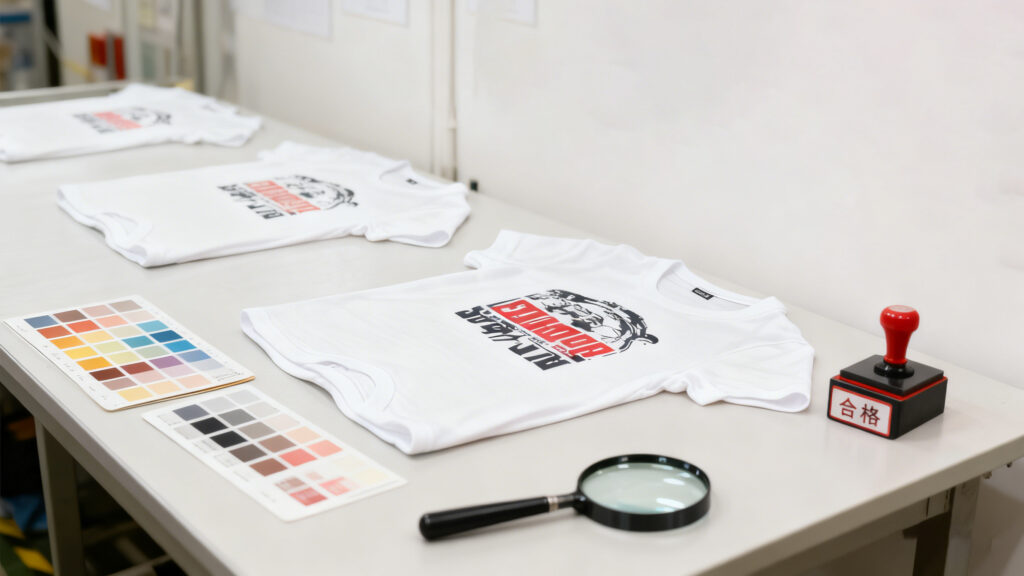
Key Things Printers Notice When Using Plastisol Ink for Screen Printing
| What Matters | Why Printers Care |
| On-screen stability | Fewer problems during pauses or setup changes |
| Strong opacity | Prints look solid with fewer passes |
| Heat-based curing | More control, less guesswork |
| Press flexibility | Works across different production setups |
| Wash durability | Prints last through regular use |
Why Plastisol Ink for Screen Printing Keeps Its Place in Production
In production, most printers aren’t looking for something new. They’re looking for something that doesn’t cause problems. Screen printing ink fits that mindset. It runs predictably, cures when it should, and doesn’t force constant adjustments. When schedules are tight and orders repeat, that kind of reliability is hard to replace.
A lot of shops just stick with ink plastisol because it works. Colors stay steady, and even if someone new jumps in, it behaves the same way. Nothing fancy, but it keeps the day running without surprises.
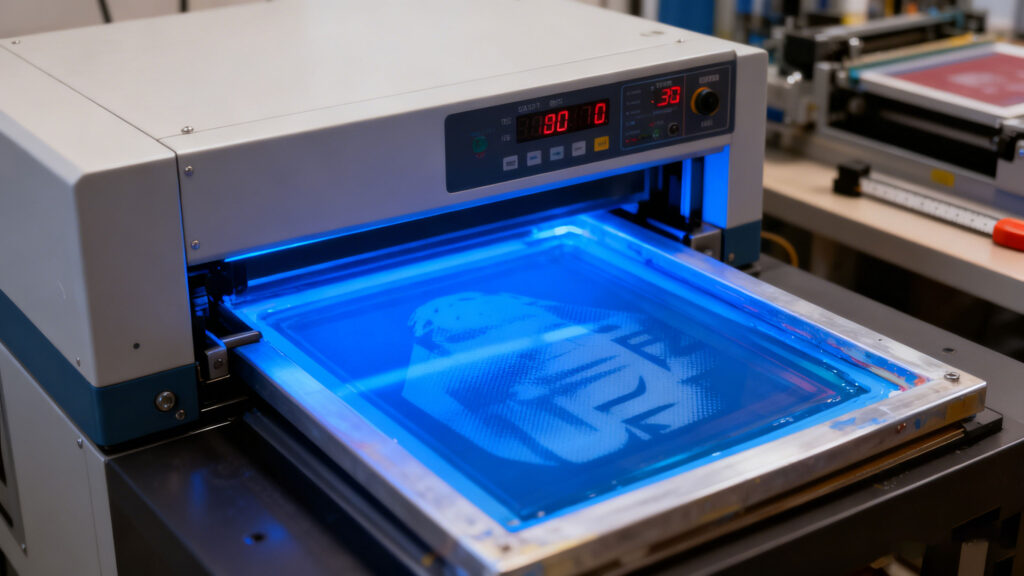
Frequently Asked Questions
Q1:Is plastisol ink for screen printing good for long runs?
A:Yes. Its stable behavior on press makes it a solid option when consistency matters over hundreds or thousands of prints.
Q2:Does plastisol ink work on different fabrics?
A:It works well on cotton and many blends. Most shops just adjust curing settings depending on the garment.
Q3:Why doesn’t plastisol ink dry on the screen?
A:Because it cures with heat, not air. That gives printers more breathing room during setup and production.
Q4:Is plastisol ink only for large factories?
A:Not really. Smaller shops use it too, mainly because it’s predictable and forgiving when consistency is the goal.
Final Notes
For shops that care about consistent results and fewer surprises, plastisol ink remains a practical option. It’s not about trends—it’s about getting the same result today and next week.
 EN
EN  DE
DE  ES
ES  PT
PT  JA
JA