
ブログ
プラスチゾルインク初心者が直面する問題点(と簡単な解決策)

目次
私は10年間インクまみれの仕事をしてきましたが、スタジアムを満員にできるほどの台無しになったシャツを見てきました。初心者の多くは、シルクスクリーン印刷は「押して、引いて、完成」のように簡単だと思っていますが、実際はもう少し複雑です。もしあなたがこの記事を読んでいるなら、おそらく洗濯を一度しただけでプリントがひび割れたり、白いロゴが奇妙なサーモンピンク色に変色したりして、がっかりした経験があるでしょう。.
慌てないでください。これは「初心者税」を支払っているだけで、私が払い戻しのお手伝いをします。2026年には、誰もがカスタムブランドを求めているため、スクリーン印刷市場は14兆5000億ドル近くに達します。しかし、勝つためには、プラスチゾルインクが実際に衣服に定着する必要があります。.
1. ひび割れの大惨事:なぜあなたの作品は剥がれ落ちるのか
最初の印刷が終わって、仕上がりは素晴らしかった。ところが、洗うとインクが古いペンキのように剥がれ落ちてしまう。これは硬化不足です。小規模印刷所にとって致命的な問題です。.
プラスチゾルは通常の塗料とは異なり、液体状のプラスチックで、固体に「融合」する必要があります。インクの中心部が華氏320度(摂氏160度)に達しないと、生地に定着しません。乾燥機の温度は十分だと思っていても、インクの状態はそうではないことを示しているかもしれません。.
解決策:
- 信頼はするが、確認も怠らない。. レーザー温度計を購入し、熱によってインクが出てきたときの最も濃い部分に当ててください。.
- 伸縮性テスト。. シャツが冷めたらデザインを剥がしてください。ただし、生地を破らないように注意してください。インクがひび割れた場合は、まだ完成していません。.
- 減速する。. 金色のスクリーン印刷用インク(プラスチゾル)を使用する場合、金属片が熱を反射するため、乾燥機に入れる時間を10秒ほど長くする必要があるかもしれません。.
2.「ピンクパンサー」問題(染料移行)
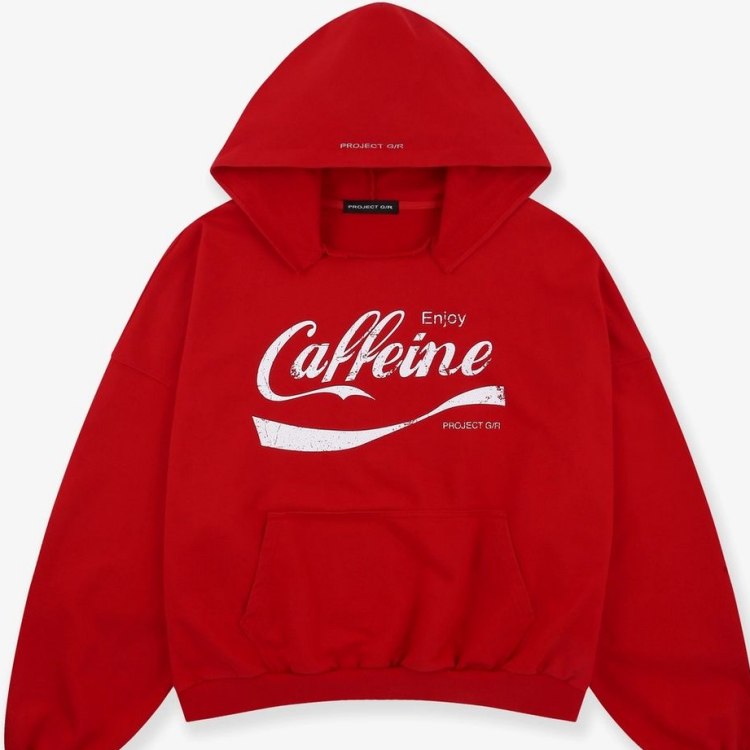
赤いポリエステル製のパーカーに真っ白なロゴをプリントしたのに、翌朝起きたらピンク色のロゴになっていた。これは染料移行現象です。ポリエステルを265°F(約130℃)以上に加熱すると、染料が気化してインクに流れ込んでしまうのです。.
通常の白インクではにじみが出てしまうので使えません。バリアが必要です。私はいつもPVCフリーのNBスクリーン印刷用白インクを使っています。「NB」は「にじみ防止」の略で、ガス発生源となる染料によるにじみを防ぐように設計されています。.
3. 「防弾チョッキ」のような手触り
まるでディナープレートを着ているようなシャツを着たことはありますか?それが「防弾チョッキ」効果です。これは、目の粗いメッシュスクリーンにインクを出しすぎたり、柔らかいスキージに強く押し付けすぎたりすることで起こります。実際に着たくなるような柔らかな感触を得るには、もっとしっかり締める必要があります。 プラスチゾールCMYKインク 次に、200メッシュまたは305メッシュに切り替えます。これにより、ごく少量のインクが正確に透過するため、プリントは鮮やかに保たれつつ、シャツの柔軟性も維持されます。.
2026年硬化および生地規格
| 生地の種類 | インクの選択 | 硬化温度 | プロのヒント |
| 100% コットン | 標準プラスチゾル | 320°F | 印刷は最も簡単ですが、線維化に注意してください。. |
| ポリエステル | インクの移行防止 | 270°F | 焦げ付きを防ぐために、低温硬化剤を使用してください。. |
| スパンデックス/ストレッチ素材 | 弾性プラスチゾル | 300°F | 高い伸縮性により、インクが切れるのを防ぎます。. |
プロのようにショップを始める方法
もし今日からやり直すとしたら、シンプルにするよ。 Tシャツ用スクリーン印刷インクキット 高価な機械を買う前に、まずは自分の技術を磨くことに集中しましょう。.
- 準備こそが重要だ。. 毎回必ずスクリーンの油分を取り除いてください。スクリーンに油分が付着していると、印刷途中で感光乳剤が剥がれてしまいます。.
- 接触なし。. スクリーンをシャツから約1/16インチ(約1.6mm)離して置いてください。スクリーンが生地に触れているとインクがうまく転写されず、ぼやけた仕上がりになってしまいます。.
- 環境に優しい選択をしよう。. 2026年には、顧客は安全性を重視するようになる。 PVCフリープラスチゾルインク 地球環境にも優しいですし、お店の匂いもずっと良くなりますよ。.
よくある質問:散らかった店舗に関する具体的な解決策
Q1: シャツを乾燥させるためにヒートガンを使ってもいいですか?
ヒートガンを使うのは、自分の評判を賭けるようなものだ。高温になる箇所があっても、隣の箇所は熱が伝わらない。ある箇所は硬化しても、別の箇所は「湿った」ままになり、デザインが部分的に色褪せてしまう。.
Q2: なぜ画面の下部にインクが付着してしまうのですか?
接着剤の状態を確認してください。シャツがしっかりと接着されていないと、浮き上がってメッシュに張り付いてしまいます。良質のパレット用接着剤を使って平らに接着し、スクリーンがきれいに剥がれるようにしてください。.
Q3:シャライトインクのプラスチゾルインクは、赤ちゃんの服に安全ですか?
はい。当社のフタル酸エステル不使用のプラスチゾルインクは、OEKO-TEXなどの国際的な安全基準を満たしています。.
Q4: 暗い色の生地に色を鮮やかに映えるようにするにはどうすればいいですか?
下地を使用してください。まず白色のスクリーン印刷用プラスチゾルインクで下地を印刷し、3秒間加熱してから、その上に色を印刷してください。.
Q5: インクが濃すぎて押せません。助けてください!
水を加えないでください!プラスチゾルは油性なので、硬化性希釈剤を使用する必要があります。希釈剤はインクを薄めますが、硬化しやすい状態を保ちます。.
結論
シルクスクリーン印刷は職人技なので、失敗することもあるでしょう。最初の12枚のシャツは、次の12枚の失敗を拭き取るための雑巾になるかもしれません。それはこの仕事の一部です。しっかりとした生地を選びましょう。 プラスチゾルインクサプライヤー そして、乾燥機の温度設定にこだわりましょう。そうすれば、次の世代の子どもに使い方を教える立場になれます。多少散らかっていても、集中力を保ちましょう。.
 EN
EN  DE
DE  ES
ES  PT
PT  JA
JA